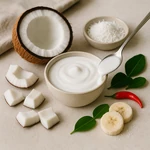
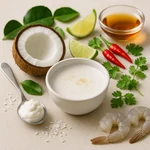
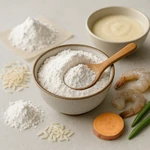
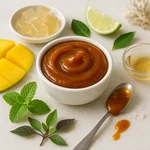
Sweet condensed milk – a creamy sweetness with endless uses! Ideal for desserts, drinks, and baking, it also has a rich history that is worth exploring.
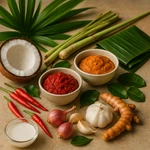
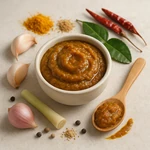
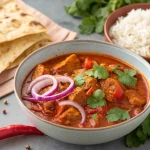
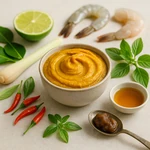
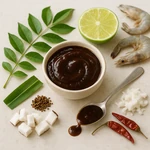
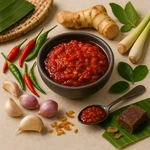
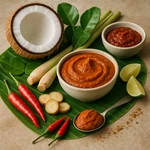
Nyonya curry is a bold, coconut-rich curry from Peranakan (Straits Chinese) kitchens, where Chinese techniques meet Malay spices. This approachable version delivers a deep, aromatic sauce with a gentle tang—perfect with steamed rice or flaky roti.
Coconut is one of the most versatile ingredients in tropical Asia – and at the same time one of the most frequently confused. "Coconut" in a recipe can mean coconut water, milk, cream, concentrated base, dried pulp, and other products that differ in taste, density, and what they do to the final dish. This guide will clarify the differences and especially how to choose the right type for the specific use.
Coconut milk looks like a simple ingredient, but in practice it is one of the categories where people get confused most often: they buy "coconut milk," cook curry, and the result is watery and lacking depth. In most cases, it's not a recipe error but a wrongly chosen type – mainly depending on fat content, the ratio of coconut component to water, and how the product behaves when heated. This guide will help you pick the right variant for curry, soups like tom kha, desserts, and drinks and avoid the most common mistakes.
Coconut milk and coconut cream are not just two differently named "coconut things." They mainly differ in fat and water content – and consequently in how they thicken curry, soften soup, or behave in pudding or cream. In the article, we will show practical rules for cooking and desserts, how to read the label, and how to avoid the most common mistakes.
Coconut milk is one of the most important ingredients of tropical Asia – in Thai curries, soups like tom kha, Filipino dishes called "ginataan," but also in various desserts. At the same time, it is a category where significantly different products are sold under the same name. In practice, it is often not that the recipe "doesn't work," but that you have chosen the wrong type (or too thin a variant) for the specific dish.
Coconut in the kitchen does not mean “one ingredient.” Under the same word are hidden coconut milk, cream, concentrated creams, desiccated coconut, oil, sugar and other products – and each behaves differently. In this guide you will clarify the differences, learn to read labels and gain practical rules for how to use coconut in curry, soups and desserts so that the food is neither watery nor excessively “coconutty.”
Coconut is extraordinarily versatile in tropical Asian kitchens - and that's exactly why there is a lot of confusion around it. Coconut water, coconut milk, cream, “cream,” oil, or coconut flour behave completely differently: they differ in fat content, amount of water, texture, and whether they are intended for cooking, beverages, or desserts. This article gives you a clear map of coconut products and practical rules to help you choose the right type for curry, soups, desserts, and baking.
Coconut water is often confused with coconut milk – and this mix-up is exactly why curry tastes "watery," desserts don't hold their structure, or soups lack roundness. Coconut in Asian cuisine is a whole family of products with distinctly different functions. In this article, we will show when coconut water makes sense, when the recipe actually needs coconut milk or cream, and how to quickly decide based on the desired result.
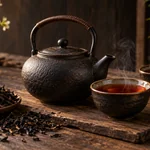
Black teas offer a rich palette of flavors and aromas that will draw you into the fascinating world of tradition and culture. Whether you like the delicate smokiness of Keemun, the earthiness of Pu Erh, or the fullness of Yunnan, each cup of black tea will enrich you with a new experience.
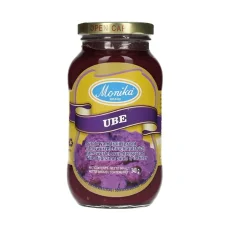
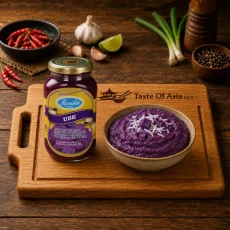
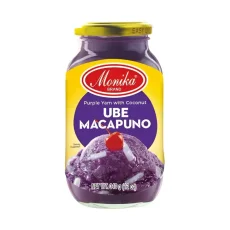
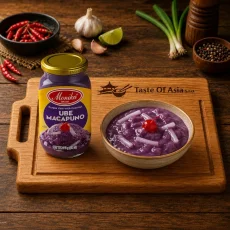
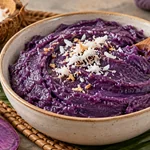
Discover the magic of ube—a purple superfood packed with vitamins, fiber, and minerals! Try creative recipes with ube jam and enhance your dishes with its distinctive flavor and color.
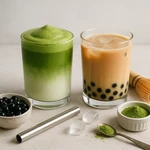
Modern Asian drinks are not just "something sweet with ice." They often stand on a tea base, distinct aroma, and especially on texture – meaning the drink is not only sipped but sometimes also "bitten." In this guide, we clarify what makes bubble tea and matcha drinks so specific, their main variations, and what to watch out for so that taste and texture make sense.
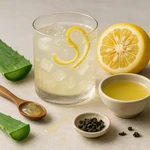
Yuzu, aloe, tapioca or matcha — modern Asian drinks combine tea tradition with striking visuals and playful textures. In this practical guide, I will explain what connects these drinks, how to use selected ingredients (yuzu, aloe, tapioca, matcha), and give specific tips on how to start safely and easily at home.
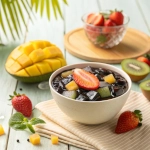
Grass jelly is a classic East and Southeast Asian dessert ingredient with a dark color, a delicate herbal note, and a pleasantly bouncy texture. Because it’s usually sold ready to eat, it’s one of the easiest ways to add “bubble tea” texture and a refreshing finish to summer drinks and fruit-based desserts.
Discover the magic of rose water! This unique product brings a delicate floral flavor to your kitchen that will enrich your desserts, drinks, and savory dishes. In our article, you will learn how rose water is made, its rich history, and get inspiration for new recipes. Immerse yourself in the world of floral scents and refresh your kitchen!
Asian drinks are not just sweet drinks with ice. Alongside traditional tea culture, there is a modern world of drinks where texture, visuals, tea base, syrups, and the possibility to "assemble" a drink exactly to taste play a role. In this guide, we will clarify what real tea is, what the main types of tea are, why bubble tea is more than a trend, and how to avoid the most common disappointments in practice.
Asian drinks today include much more than just sweet lemonades with ice. Alongside the traditional tea culture, there are urban "café" drinks where the tea base, texture (pearls, jelly, pieces of fruit), work with aroma and color, and the option to customize sweetness and ice all play a role. In this guide, we will clarify what is typical for modern Asian drinks, how hot and cold variants differ, what “real tea” means, and what mistakes to watch out for.
Discover the secrets of coconut oil! Read our article, where we show you the differences between its types and their benefits for your skin, hair, and health. Find out which one is best for you!
Kloay Kaak fried bananas are a delicious sweet dessert with a crispy coating and a soft banana filling. This Thai dish is ideal for a quick and tasty treat. Perfect for any occasion!
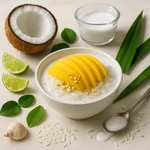
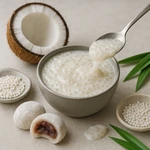
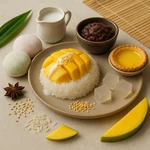
Coconut and rice are among the most common "building blocks" of Asian desserts – but it’s not just about taste. In many countries, texture is equally important (and often more so): the elasticity of mochi, the slipperiness of tapioca pearls, firm agar jelly, or the icy layer of shaved ice desserts. This article provides an overview of the main types of coconut and rice sweets across Asia and practical tips on how to quickly understand them at home.
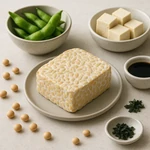
Soy products are not just one "protein cube" in different packages. From the same crop comes delicate tofu, fresh edamame, soy milk, and also distinctive fermented products like tempeh – and each behaves completely differently in the kitchen. In this article, you will clarify the differences, typical uses, and the most common mistakes that lead to disappointment.
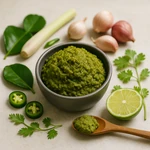
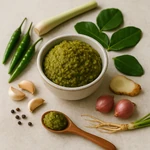
Thai green curry is one of those flavors that instantly fills the kitchen: fragrant herbs, lively chili heat, and a silky coconut base. Learn what “green curry” really means, how to handle curry paste for maximum aroma, and how to use it beyond a classic bowl of curry and rice.
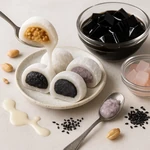
For many Asian desserts, the main point is in the texture – whether the bite is elastic, jellied, pearly, smooth, or icy. In this guide, you will get oriented in mochi, agar jellies, grass jelly, and other "textural" sweets and learn how to taste and combine them so they make sense even without complicated preparation.
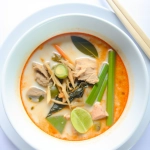
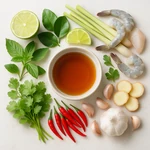
Tom Kha is a classic Thai soup built on coconut milk, fragrant herbs, and a bright lime finish. This home-friendly version delivers the signature creamy–tangy balance with chicken and mushrooms, plus practical tips so the coconut stays silky and the flavours stay clear.
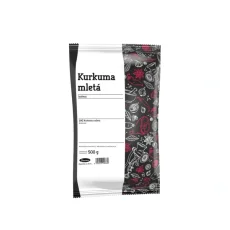
Discover the power of turmeric! This natural plant is the key to better health – from supporting digestion to protecting against inflammation. Turmeric extract with a high curcumin content is a powerful ally for your well-being and vitality. Be inspired by its natural healing properties and start using turmeric as part of your everyday life.
Coconut sugar is important in Asian cuisine mainly because it sweetens differently than regular white sugar: it adds not just "pure sweetness" but also a warmer, caramel tone. To make it work well, you need to understand two things: it is not made from coconut flesh and its taste is not "coconut" in the sense of coconut milk. In the article, we will show which dishes it suits, how to start using it at home, and what to watch out for when choosing and using it.
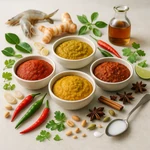
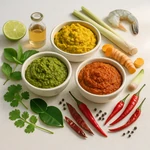
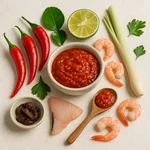
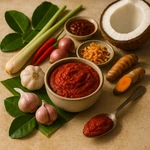
A practical guide to the five most common Thai curry pastes — red, green, yellow, panang, and massaman. I will explain the basic flavor profiles, when to choose each paste, how to use it at home, and what to watch out for when selecting and storing.
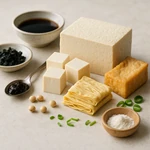
Tofu is not just one “white cube” and soy products are not a single universal meat substitute. From the same raw material – soy – both delicate, neutral ingredients (tofu, soy milk) and distinctive fermented products (tempeh, miso, soy sauces) are made. However, they behave completely differently in the kitchen. This guide will help you choose the right type for a specific dish, understand textural differences, and avoid the most common mistakes.
Madras curry is one of the boldest “curry” styles you’ll find in European shops: warming spices, a lively chilli kick, and an aroma that instantly signals comfort food. Here’s what the label usually means, what flavours to expect, and how to turn Madras curry powder or paste into weeknight meals without overthinking it.
“Thai-style curry” is often a convenient label for a ready-to-use curry base inspired by Thai cooking—fragrant herbs, warm spices, and a gentle to medium heat that turns into a creamy sauce with coconut milk. Here’s what that wording typically means, how the taste differs from other curry pastes, and how to get consistently good results in everyday home cooking.
Green, red, yellow, panang, massaman... In Europe, Thai curries are often described mainly by color, as if it were one sauce in several variations. In reality, these are different flavor systems based on different pastes, different aromatics, different "coconutiness" and suitability for both quick cooking and slow simmering. This guide will help you understand the differences and especially choose a curry that makes sense for your dish and taste.
Indonesian cuisine is a huge island world – from Sumatra through Java to Bali – yet it has a few common ingredients that you recognize at the first taste. In this guide, you will find an overview of key Indonesian ingredients, their role in the food, main differences (especially in sambal, kecap manis, and coconut products), and a practical guide on how to cook with them without unnecessary mistakes.
Tom Yum and Tom Kha are two Thai soups that look similar at first glance – both are based on sourness, aromatic herbs, and strong seasoning. However, the difference is fundamental: changing the liquid base (clear vs. coconut) turns the entire character of the bowl upside down. In the article, we’ll translate the differences into practice: how to choose the soup, how to "set it" at home without a complicated recipe, and what to avoid.
Discover the secrets of this exotic plant that will give your dishes a unique aroma and flavor. Immerse yourself in the fascinating history, uses, and recipes featuring pandan, which will open up new gastronomic horizons!
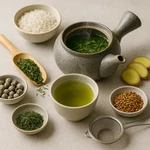
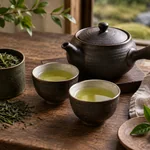
For many people, Japanese teas are the first “serious” contact with green tea — and at the same time a source of confusion: why sencha sometimes tastes fresh and other times bold, what exactly matcha is (and why it’s not the same as the sweet mix for a matcha latte), and how to tell what you’re actually buying. In this guide you’ll sort out the basic terms, the differences between the main Japanese styles, and practical rules that will keep the tea from losing its flavor or meaning.
Panang curry is a Thai classic: rich coconut sauce, aromatic curry paste, and a gentle nutty depth that makes it feel luxurious without being complicated. This home-friendly version works with chicken, tofu, or seafood and comes together fast enough for a weeknight dinner.
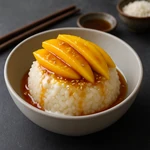
Discover the secrets of sticky rice! Do you know how this type of rice changes traditional dishes? Read about how it is grown, prepared, and used in selected Asian specialties.
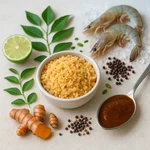
Colombo curry (often simply “colombo”) is a Caribbean-style spice blend that behaves a lot like curry powder—but with its own identity. Bloom it briefly in oil, simmer it with chicken, fish, or vegetables, and finish the dish with something creamy (often coconut milk) plus a bright squeeze of lime.
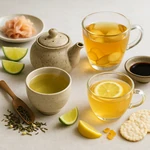
“Asian tea” is not one thing. The word tea covers true tea from the tea plant (Camellia sinensis), flavored blends, and also modern drinks that are based on tea but work with milk, ice, citrus, fruit concentrates, and especially texture (typically bubble tea). This overview gives you a quick orientation: what true tea is, what the major types are and why they taste completely different, how to read packaging, how to choose a style by taste, and what common misconceptions even people who “have been drinking tea for years” encounter.
Preparing Asian teas at home is not about a single correct procedure, but about knowing what type of tea you have in hand and what to expect from it. Once you get oriented with the main tea categories, the differences between Chinese and Japanese styles, and learn to read the packaging information, even modern drinks like bubble tea, matcha latte, or citrus iced drinks will start to make sense.
Discover the delicious world of custard—a creamy dessert that has won the hearts of gourmets around the world! What is the history of this silky temptation, where did it come from, and how did it become part of our favorite desserts? Read more about how custard is used in cooking and get inspired to make it at home!
Singaporean cuisine originated in a port city where different communities and their techniques have long met. Therefore, you won't find a single "national" pantry here, but a functional mix: rice and noodles, coconut, chili and sambal, soy and fish umami seasonings, aromatics like garlic and ginger – alongside ready-made pastes that have a clear role in specific dishes. In the article, you'll sort out what is typical for Singapore, what the main variants are, and how to start with these ingredients at home without unnecessary mistakes.
A good "Asian ingredient" is not the most expensive nor the one with the prettiest packaging. The difference mainly lies in whether you understand the function of the ingredient (what it is used for in food), its types and composition – and whether you select it for a specific use. This article is a practical guide: it will teach you to quickly read labels, distinguish between basic and flavored products, and choose the right type, for example with coconut, sesame, chili, and starches.
Chicken is one of the easiest proteins to flavor: it cooks quickly, absorbs aromatics well, and works in a pan, oven, or on the grill. The real question isn’t “which seasoning is best”, but which format and flavor style fits your dish—dry spice mix, curry paste, a ready-made sauce, or a quick marinade.
Malaysian cuisine is not a single uniform "national taste," but a practical mix of several traditions that meet and often blend in one territory and often even in one dish. This makes it all the more important to recognize the ingredients that keep reappearing in Malaysian cooking: rice and noodles, coconut, chili and sambal, aromatic herbs, tamarind and lime, and pronounced fermented marine components. In this article, we will arrange them according to their function, explain the differences, and add specific tips on how to start with them without unnecessary mistakes.
Choosing the right drink for Asian food is not just a detail. A drink can soften the food, cleanse the palate between bites, or on the contrary, "overpower" the flavor of what you put effort into cooking. In this guide, you will mainly get oriented in teas (from green to dark/post-fermented) and modern Asian drinks like bubble tea or matcha latte – and most importantly, when each style makes sense.
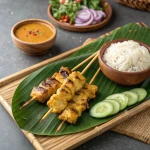
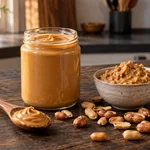
Satay is Southeast Asia’s iconic grilled skewer: small pieces of meat soaked in a fragrant marinade, cooked fast over high heat, and served with a creamy peanut sauce. This version is easy to make at home on a grill, grill pan, or in the oven—ideal for weeknights and great for sharing.
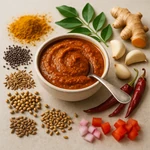
Madras curry is known for its deep colour, bold aroma and a confident chilli kick. This home-friendly version builds a rich onion-tomato base and finishes with warming spices (or a ready-made Madras curry blend) for a curry that works equally well with chicken, beef, lamb or tofu.
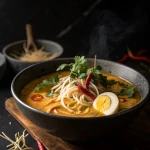
This coconut laksa is a Southeast Asian-style noodle soup that hits the sweet spot between creamy, fragrant and gently spicy. It comes together fast on a weeknight, and you can make it with chicken, prawns, or tofu—whatever you have.
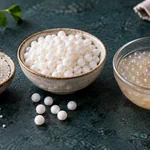
Discover the magic of tapioca pearls that have taken the world by storm! Find out how they are made, why they are so popular in Asian cuisine, and how you can use them in desserts, drinks, and other dishes. In our article, you will learn everything about their production, history, and great recipes that you will love.
Filipino cuisine is not just adobo. It is island "home" cooking based on rice, pronounced acidity (often from vinegar), salty seasonings with a touch of fermentation, and an aromatic base of garlic, onion, and pepper. In this guide, you will clarify which ingredients are truly typical for the Philippines, their role in dishes, how to recognize the right type, and what to avoid with your first purchases.
Asian desserts often don't rely on baking and butter creams but on smart combinations of textures, temperatures, and "sweet pantries": preserved fruit, syrups, pastes, and creams. In this guide, we will clarify why fruit in syrup is a full-fledged ingredient, what role syrup plays as an ingredient (not just a sweetener), and how to assemble your first simple desserts at home so they work in flavor and texture.
Indonesian cuisine is not a single uniform style, but a large world of regional traditions spread across a vast archipelago. Yet it has clearly recognizable common features: rice as the center of the meal, pronounced chili (often in the form of sambal), aromatic bases and frequent use of coconut. The article provides an overview of the most typical Indonesian dishes (nasi goreng, rendang, satay and gado-gado), an explanation of what makes them typical, and practical tips on how to start cooking them at home.
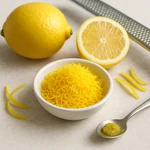
Lemon zest adds vivid citrus aroma without the sharp acidity of juice. Learn what zest really is, how to grate it without bitterness, and where it shines in Asian-style cooking—from coconut curries and stir-fries to desserts.
With Asian desserts, it's often less about how sweet they are and more about how they feel in the mouth: springy, chewy, jellied, creamy, icy, or crunchy. This article will help you understand the most common textures, why they occur, which ingredients and techniques create them — and, most importantly, how to use texture to guide your choices and first attempts at home.
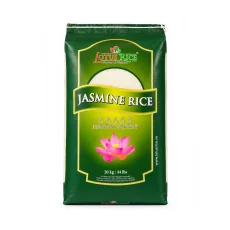
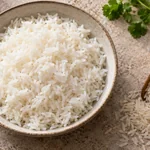
Discover the secrets of jasmine rice! Learn how to prepare it properly, what its health benefits are, and why it should be a staple in your kitchen. Read our article and get tips for great recipes!
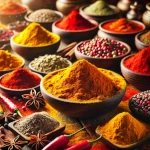
Curry spice is less a single seasoning and more a shortcut to layered flavour—warm, earthy, aromatic, sometimes spicy. Learn what “curry powder” really means, how it differs from curry pastes, and how to get the most from it in everyday cooking.
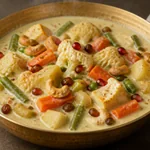
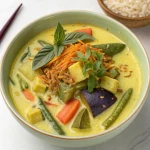
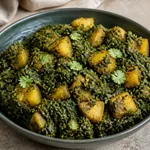
Sayur Lodeh is a comforting Indonesian-style vegetable curry made with coconut milk, aromatics, and a mix of everyday vegetables. It’s naturally plant-based, easy to adapt to what’s in your fridge, and tastes even better with steamed rice.
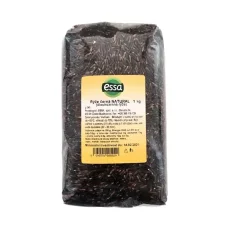
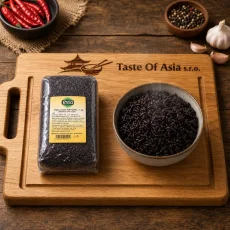
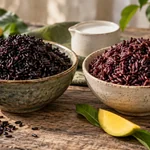
Discover the secrets of black rice! This healthy and delicious type of rice is full of antioxidants, fiber, and minerals. Read our article and find out why it should be part of your kitchen!
Thai cuisine is often described through famous dishes like tom yum, green curry, or pad thai. However, this easily creates the impression that "Thai tastes like this" – and that’s it. In reality, Thailand is regionally distinctive: the same principle of balancing flavors (saltiness and umami, sourness, sweetness, spiciness, herbal freshness) is composed differently in various parts of the country. If you want to cook Thai food at home or just better understand dishes on a menu, regions are one of the shortest ways for the flavors to start making sense to you.
Sri Lankan cuisine is not "Indian curry on an island." It is built on rice, coconut products, pronounced spices, chili and contrasts – alongside a gentle coconut component there is often acidity, heat and various sambols or pickled accompaniments. In this guide you will find typical Sri Lankan ingredients, their role in dishes, the main differences and practical tips on how to choose and use them.
Rendang, korma, vindaloo, Thai curry or Japanese curry are often lumped together under one category "curry" in our country. But this label is rather indicative – and if you take it literally, you might easily pick the wrong base, season the sauce poorly, or expect a different taste and consistency. In this article, we clarify what is meant by "curry" (and related saucy dishes) in different parts of Asia, what the main families are, and how to start practically at home without unnecessary mistakes.
Indonesian cuisine is not a single "national taste," but a broad family of regional styles spread across a vast archipelago. Yet, it repeatedly returns to several fixed points: rice as the center of the meal, chili and sambal, sweet-salty depth thanks to kecap manis, aromatic pastes, and coconut, which can both soften and intensely concentrate the flavor. In this article, we will put these pillars together so that when cooking at home for the first time, you know what you are actually looking for and why it tastes "Indonesian."
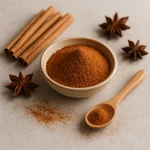
Ground Ceylon cinnamon is a gentle, sweet-warm spice with a refined aroma that works in desserts, drinks, and surprisingly well in savory rice dishes and stews. Learn what sets Ceylon cinnamon apart, how to use it without overpowering a dish, and how to keep it fragrant for longer.
Immerse yourself in the world of this delicious ingredient, which not only tastes great but also offers a host of health benefits. Discover how it is made and what advantages it brings to your health and everyday diet!
Singaporean street food is not just "fast food from the street." It is an urban system of dining and cooking that grew out of the multicultural environment of a port city – and it is best understood through hawker centers, specialized stalls, and several iconic dishes. In the article, we will clarify what is typical for Singapore, why Chinese, Malay, Indian, and Peranakan influences meet here, and how to take a practical guide from it: what to taste first and how to tackle Singaporean flavors at home without unnecessary mistakes.
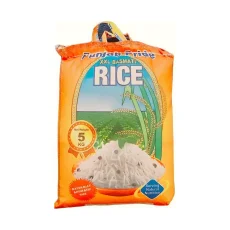
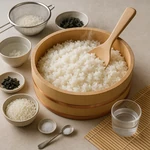
"Rice is just rice" does not work in Asian cooking. The same pot and the same method will sometimes give you a fragrant, tender side dish for curry, other times a mushy mess, or on the contrary dry separate grains that don't suit the dish. In this guide, you will clarify how to choose rice and cook it at home so that it has the right aroma, cohesion, and texture – for jasmine, basmati, sushi, and sticky rice.
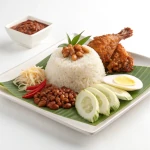
Nasi lemak is Malaysia’s iconic comfort meal: fragrant coconut rice served with spicy sambal, crunchy peanuts, salty fried anchovies, cucumber, and egg. This home-friendly version keeps the classic balance of creamy, hot, sweet, and crisp—perfect for brunch, lunch, or a quick “rice bowl” dinner.
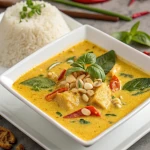
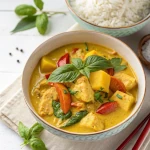
This Thai-style yellow curry is comforting, fragrant, and weeknight-friendly: rich coconut milk, tender chicken, and just enough heat from Nam Prik Kaeng curry paste. Serve it soupy over rice or simmer it down into a thicker curry—either way, it’s a bowl of pure warmth.
Whole cinnamon sticks are one of those quiet “background” spices that can transform a pot of broth, curry, or rice without making the dish taste like dessert. Used the right way, they add warmth and depth; used too aggressively, they can turn woody and bitter. Here’s how to get the most aroma from whole cinnamon—cleanly, controllably, and with an Asian pantry in mind.
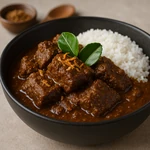
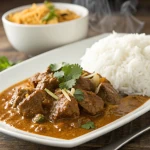
Rendang is Indonesia’s famous slow-cooked beef cooked down in coconut milk, aromatics, and warm spices until the sauce turns deeply concentrated and clings to every piece. It takes time rather than effort—and the reward is rich, fragrant comfort with a gentle (or fiery) chili kick.
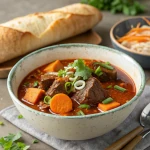
Bò Kho is Vietnam’s beloved beef stew: tender chunks of beef cooked with lemongrass, warm spices like star anise and cinnamon, and a savory-sweet broth you’ll want to mop up with bread. This version is written for home cooks, with practical timing, substitutions, and serving ideas.
Malaysian cuisine cannot be reduced to one “typical” flavor. It is a living mix of Malay, Chinese, Indian, Peranakan and local Bornean influences – and you will often find them all on one plate. In this guide we will show you how to reliably recognize Malaysian taste, how it differs across dishes and regions, and how to practically construct its most important flavor pillars at home.
Asian desserts often can't be squeezed into familiar categories like “cake,” “pudding,” or “cookie.” Instead of heavy buttery pastries, they feature rice, coconut, starches, legumes, fruit, syrups, and especially texture – elastic, gel-like, pearl-like, or icy. This guide will help you understand what is typical for Asian sweets, the main dessert families, and how to practically navigate them.
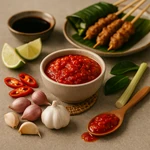
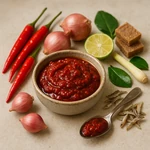
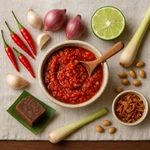
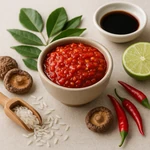
Sambal in Indonesia does not mean one "chili paste," but a whole family of seasonings – from milder to very spicy, from fresh to cooked or fermented. In practice, sambal can function as a table condiment, but just as well as a base of a dish that transforms plain rice into a distinctive meal. In this article, we clarify the differences between types of sambal and ready-made pastes, how to choose them and how to start using them at home without the most common mistakes.
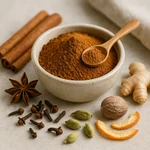
Gingerbread spice is a warm, aromatic blend built around cinnamon, ginger, clove and other “sweet” spices. It’s famous for gingerbread—but it’s just as useful in oatmeal, hot drinks, fruit desserts, and even subtly spiced savory dishes. Here’s what’s usually inside, how to dose it, and how to keep it fragrant all season.
Sri Lankan cuisine is not just "Indian curry on an island." It is based on rice, coconut products, strong spices, sourness, chili, and especially on the fact that one meal often consists of several smaller components (curry, sambols, pickles). In this guide, you will find the most typical Sri Lankan dishes and a simple key to recognize and understand them.
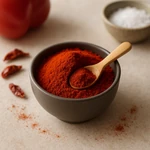
Sweet ground paprika is one of those quiet kitchen staples that can transform a pale sauce into something inviting. Delicacy Paprika with an ASTA 160 rating is valued for its rich red color and mild, slightly sweet aroma—perfect when you want warmth and depth without heat.
Thai cuisine is not just a few famous dishes. It is a cooking method where salty (umami), sour, sweet, spicy, and herb-fresh flavors are deliberately balanced – so the result feels lively but not chaotic. In the article, you will understand what makes the "Thai taste" Thai, how not to get lost in curry pastes, fish sauce, and coconut products, and how to set up a simple, functional start at home.
Asian drinks are not just "something sweet with ice." They often have a tea base, work with distinctive aromas (citrus, ginger, jasmine), with temperature and sometimes even texture – so they can be both a drink and a small snack. In this guide, we'll clarify what makes sense to drink in summer, winter, and how to choose a drink based on the type of meal so that the whole feels balanced and "complete."
“Special” ingredients in Asian cuisine are often not extravagances but practical flavor building blocks: they add umami, interesting texture, or just a subtle contrast at the end. When you know what function to expect from them, they stop being unclear and start being useful. This guide will mainly walk you through seaweed and mushrooms (including dried) and show a few typical pitfalls people encounter when choosing.
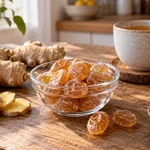
Discover the secrets of health and flavor in every bite! Ginger candies are not only a great treat, but also a natural aid for your digestion and immunity. Read our article and find out how ginger candies can help you in your everyday life and why they should be a staple in your home!
"Curry paste" is not one universal ingredient. Different types of bases can be hidden under the same name – from Thai aromatic pastes (which are briefly sautéed in fat) to Indian curry bases or Japanese curry roux. In this guide, you will orient yourself mainly by the type of dish you want to cook and avoid the most common mistakes that lead to bland or "strangely" tasting curry.
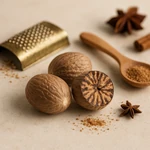
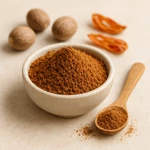
Nutmeg is one of those spices that works best in tiny amounts: a few light gratings can make a sauce taste rounder, a coconut curry feel creamier, or a broth smell instantly more inviting. Here’s how to get the most out of whole nutmeg—why it beats pre-ground for fragrance, how to dose it correctly, and where it fits surprisingly well in Asian-style cooking.
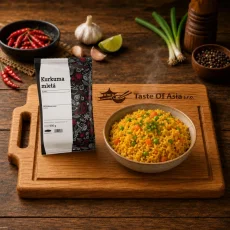
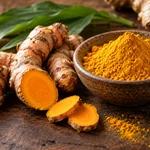
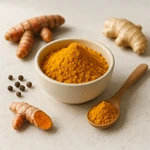
Ground turmeric is easy to recognize by its bold golden color—but its real value is the warm, earthy depth it adds to food. Used well, it can bring rice, vegetables, soups, and curries together into a cohesive, aromatic dish. Here’s how to cook with turmeric so it tastes rounded (not bitter), when to add it, and which flavor pairings make it shine.
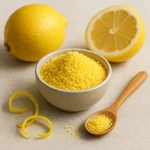
Ground lemon zest is dried, finely milled lemon peel that delivers citrus aroma without adding liquid. It’s a smart pantry tool for baking, spice blends, creamy sauces, and Asian-style curries—especially when you want consistent results and zero grating.
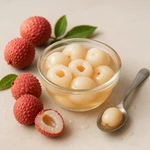
Lychees in syrup give you that distinctive floral-tropical aroma without peeling, pitting, or chasing a short season. Keep a jar or can on hand for fast desserts, refreshing iced drinks, fruit salads, and elegant plating—and don’t forget the fragrant syrup, which is useful well beyond “just sweetening.”
Green tea is a refreshing drink full of antioxidants that promotes health and calms the mind. Great for everyday drinking, it helps improve digestion and metabolism. Discover different varieties and enjoy moments of peace and tranquility.
Ground cinnamon is one of those pantry staples that can change a dish with a single pinch. Most people reach for it in baking or coffee, but it can be just as useful in savoury cooking—especially in Asian recipes where coconut milk, rice, chilli heat, and aromatic spices are balanced in one pot.
Sri Lankan cuisine is not just “Indian curry on an island.” It is a distinct flavor landscape built on rice, coconut products, bold spices, chili and important accompaniments like sambol and various pickled or sour components. You understand it best not through a single iconic dish, but through the way of dining: several different curries and accompaniments mixed together on the plate.
Indonesian cuisine is not one "uniform" flavor, but a huge world of regional styles across the islands. The good news is that starting at home is surprisingly easy if you don't try to cook everything at once. In the article, we will show what is typical for Indonesia, how to recognize its flavor, what the most important differences are (including a brief orientation in island Southeast Asia), and how to choose your first ingredients and first dishes without unnecessary mistakes.
Ground nutmeg is one of those “tiny pinch” spices that can make a dish feel warmer, smoother, and more complete. Used carefully, it lifts creamy sauces, potatoes, greens, and desserts—and it can also add a subtle finishing note to coconut curries and spice-forward Asian dishes.
Sweet preparation in Asian cuisine often does not follow the “European” logic of cakes, butter creams, and wheat flour. It is much more about working with texture (elasticity, jelly, smoothness, layering), rice and starches, coconut bases, bean pastes – and techniques that are not just baking in the oven. This guide will help you navigate what is typical for Asian desserts, why they are so different, which techniques are most often repeated, and how to choose a good “starter” direction at home without unnecessary mistakes.
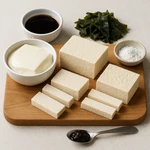
Tofu is not a one-size-fits-all block. The differences between smooth silken tofu and firm tofu are crucial in the kitchen – they determine whether tofu will create a creamy texture in soup or withstand the pan, marinade, and grill. In this guide, you'll learn how tofu is made, what its main types are, and how to choose the right one based on the dish you want to cook.
"Island cuisines of Asia" is not one style nor one typical flavor. It is a collection of regional cuisines that developed in island and coastal environments – where cooking is shaped by the sea, climate, local agriculture, as well as trade and migration. In this guide, we will focus on the island axis of Southeast Asia (Indonesia, the Philippines, Malaysia, and the Singaporean mix of influences) and show how to interpret these influences in the taste of food and how to assemble a foundation at home to orient yourself practically, not just based on impressions.
Vegetarian (and often vegan) Asian cuisine is not a 'deprived' version of cooking with meat. In many parts of Asia, it has its own traditions, techniques, and flavor logics – and good food here is not based on substitutes, but on umami, fermentation, texture, spices, herbs, and smart bases. The article provides an orientation in main styles, solid building blocks (tofu, tempeh, legumes), a practical guide on how to start at home, and what to watch out for in 'hidden non-animal' sauces and broths.
Singaporean cuisine is hard to summarize in one sentence – and that is exactly what makes it typical. It is a port, urban, and multicultural cuisine: Chinese, Malay, Indian, and Peranakan influences coexist side by side, but in practice, you recognize it best by how it works with sauces, broths, chili, coconut, and the "final touch" at the table. In the article, we will break down its flavor layers based on specific dishes (chicken rice, laksa, chili crab) and show how to bring this logic home without complicated recipes.
Cookies
This site uses cookies to provide services, customize ads, and analyze traffic. Your consent to the use of cookies will significantly help us to improve our services. More information



 Česky (CZK)
 Slovensky (EUR)
 Deutsch (EUR)
 Austria
 Belgium
 Bulgaria
 Croatia
 Denmark
 Estonia
 Finland
 France
 Germany
 Greece
 Hungary
 Italy
Italy Latvia
 Lithuania
 Luxembourg
 Netherlands
 Poland
 Portugal
 Romania
 Slovenia
 Spain
Spain Sweden