


 Česky (CZK)
 Slovensky (EUR)
 Deutsch (EUR)
 Austria
 Belgium
 Bulgaria
 Croatia
 Denmark
 Estonia
 Finland
 France
 Germany
 Greece
 Hungary
 Italy
Italy Latvia
 Lithuania
 Luxembourg
 Netherlands
 Poland
 Portugal
 Romania
 Slovenia
 Spain
Spain Sweden










When to use coconut water (and when to avoid it in a recipe)
Coconut water is often confused with coconut milk – and this mix-up is exactly why curry tastes "watery," desserts don't hold their structure, or soups lack roundness. Coconut in Asian cuisine is a whole family of products with distinctly different functions. In this article, we will show when coconut water makes sense, when the recipe actually needs coconut milk or cream, and how to quickly decide based on the desired result.
Why there’s so much confusion around coconut water
Coconut is one of the most versatile ingredients in tropical Asia – and at the same time one of the most frequently confused. From one fruit, you can get coconut water, coconut milk, coconut cream, concentrated coconut cream, coconut oil, coconut sugar, coconut vinegar, dried coconut, coconut flour, and other products. Each has a different taste, texture, and culinary role.
Coconut water is a standalone item in this “family.” The key is to understand that recipes seeking coconut as a creamy body (curry, soups like tom kha, many desserts) typically rely on coconut milk or cream – not coconut water.
🌶️ What coconut water is from a cook’s perspective (approximately)
For home cooking, it’s most practical to treat coconut water as a coconut product used differently than coconut milk and cream. While coconut milk is a white emulsion from the flesh of a mature coconut (and it’s the fat and emulsion that create its distinctive taste and texture), coconut water typically serves as a liquid component without creamy “body”.
Therefore, coconut water can be used when you want to add a coconut character without turning the dish creamy – and it’s important to know that in recipes aimed at richness and fullness, coconut water alone won’t create the desired effect.
Coconut water vs. coconut milk vs. cream: what matters is effect, not the name
Coconut milk: when you want creaminess and a “round” flavor
Coconut milk is one of the basic building blocks for Thai curries, soups like tom kha, many Filipino dishes in the ginataan style, Malaysian and Indonesian dishes, and many desserts. Practical differences among products are significant: a guide is the fat content and composition. Thinner coconut milk can be fine in drinks or lighter dishes, but in curries and creamy soups, it often feels less full.
If you want one clear, distinctly creamy reference point for cooking, a typical example of full-fat coconut milk is Chaokoh coconut milk 18% (250 ml) – this is exactly the type that makes sense for dishes where coconut should not be just a “background.”
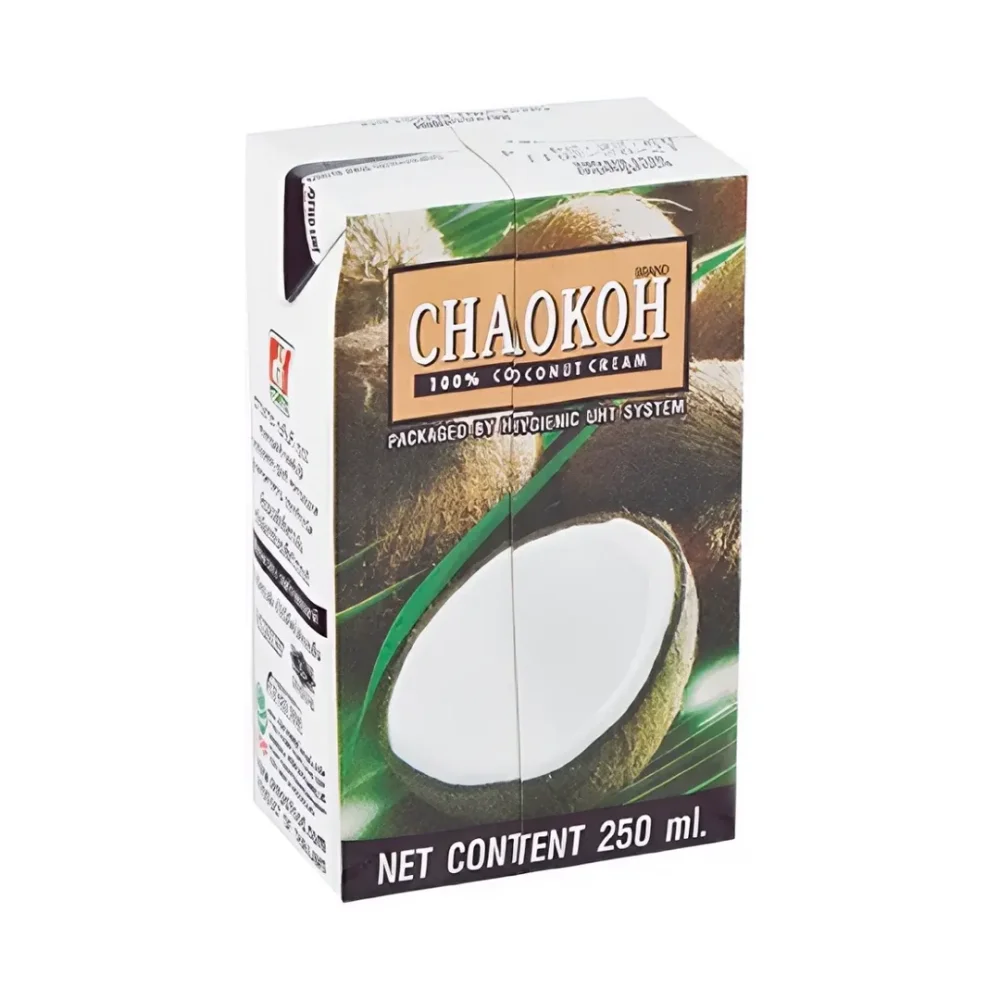
Coconut cream: when coconut should be the main role and you don’t want long reduction
Coconut cream is suitable for thicker curries, rich desserts, creams, and puddings or anywhere you want a strong coconut character and don’t want to reduce the dish for a long time (reduction does thicken, but takes time and often changes the final flavor balance).
Concentrated coconut cream and coconut cream: watch the label
Concentrated coconut cream is suitable where you need high coconut intensity and minimal water. Coconut cream is a trickier term: it can be purely culinary, but also partly a dessert product. Without reading the label, you can't automatically tell – and this is where many “unexpectedly sweet” or otherwise styled results come from.
Light coconut milk: when coconut should only be a background
Light coconut milk is a lighter version with lower fat content. It’s practically good for lighter soups, smoothies, drinks, or diet-friendly variations. It often is weak for full-fat curries, rich sauces, and intense desserts – the disappointment then doesn’t come from a bad recipe but because fat in coconut products carries a lot of the taste and texture.
When to use coconut water in practice (and how to quickly check)
If you want a method for selection that works without deep brand knowledge, stick to the simple rule: first identify the function of the ingredient in the recipe. For coconut products, this matters more than the marketing name.
- Coconut water makes sensewhen the recipe primarily needs liquid and coconut should be more of a subtle accent than a creamy body. Practically: use it when the recipe explicitly calls for coconut water, or when you deliberately do not want coconut to thicken and "take up space" from other flavors.
- Coconut water is not enoughif you want creamy curry, tom kha and similar soups, coconut creams/puddings, or generally dishes where coconut is supposed to “build” texture. Here, reach for coconut milk or cream depending on the desired thickness.
- When you want a quick curry without starting from scratchit makes sense to combine curry paste with coconut milk – a typical example of a ready base is S&B seasoning curry paste (medium spicy). Coconut water usually doesn’t replace the role of coconut milk here: to create sauce and fullness.
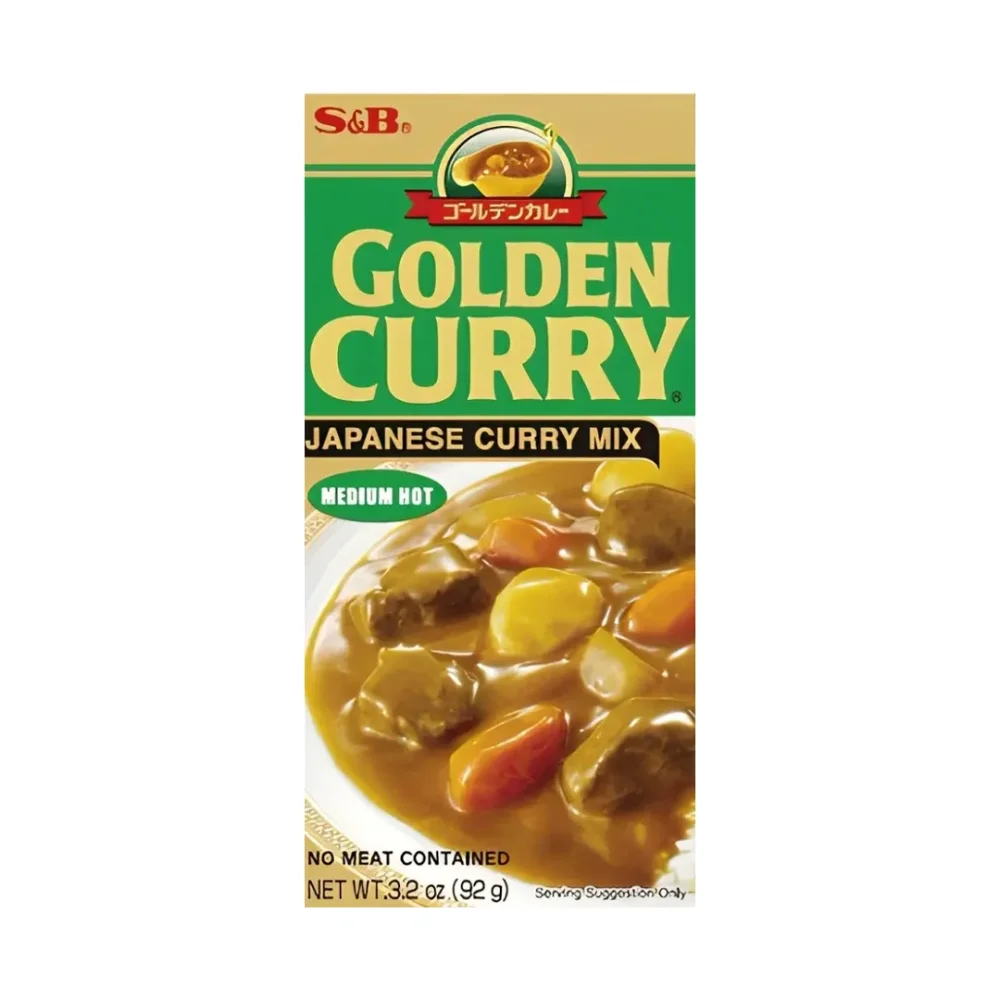
Tip: acidity often matters in coconut dishes
In Asian cuisine, acidity often lightens fat and coconut milk, balances salt and umami, and helps the dish feel fresh and “finished.” If your coconut curry or coconut soup feels heavy, the problem is sometimes not the coconut product but the missing acidic component. At the same time, different acidity sources aren’t fully interchangeable: lime works differently than tamarind, and vinegar doesn’t provide a citrus aroma.
Common mistakes: why coconut water “doesn’t work” where you expect coconut
- Confusing coconut water with coconut milk in recipes that rely on the emulsion from the flesh (curry, creamy soups, desserts). The result then is often thin and flat in flavor.
- Expecting “coconut milk” to always be one standard. It isn’t: density, fat content, composition, separation of the fat part, and behavior when heated all differ.
- Buying “coconut cream” without reading the label. It can be a culinary base, but also a product already heading into a dessert profile. When it ends up in curry, the flavor balance can easily fall apart.
- Choosing light coconut milk where richness is needed. The light variant is useful but doesn’t create “restaurant depth” in dishes that depend on it.
What to take away from the article
- Coconut water is just one of many coconut products – and its role differs from coconut milk and cream.
- Decide based on the effect you want: creaminess and fullness = coconut milk/cream; softer background = light coconut milk; purely liquid component without creamy body = coconut water.
- Always read the label for “coconut cream” and concentrated variants: the name alone doesn’t tell if it’s a cooking base or already a stylized product.
- When coconut dishes seem heavy, a properly chosen acidic component often helps – but not all acidity works the same.
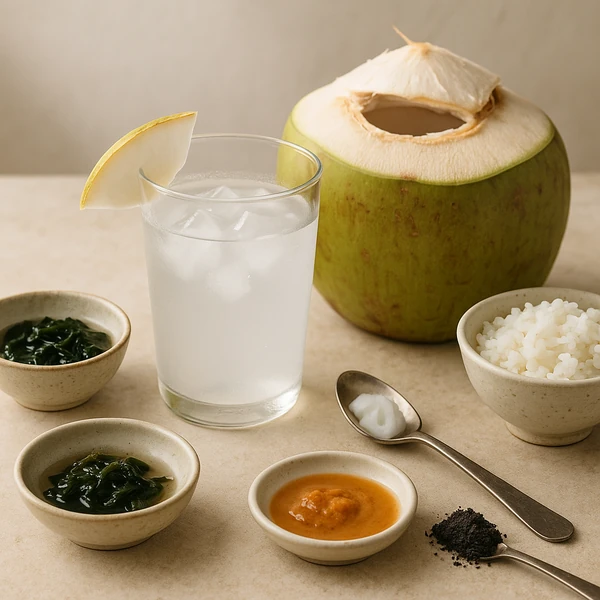

Read next
If you want to explore this topic further, continue with these related blog guides and articles:
