

 Česky (CZK)
 Slovensky (EUR)
 Deutsch (EUR)
 Austria
 Belgium
 Bulgaria
 Croatia
 Denmark
 Estonia
 Finland
 France
 Germany
 Greece
 Hungary
 Italy
Italy Latvia
 Lithuania
 Luxembourg
 Netherlands
 Poland
 Portugal
 Romania
 Slovenia
 Spain
Spain Sweden










Sauces and Pastes: what they are and how they’re used
This guide category explains the role of sauces and pastes in Asian cooking, focusing on how they shape flavour, aroma, colour, and texture in everyday dishes. You’ll find articles that clarify common types, typical uses in marinades, stir-fries, dips, and soups, and practical ways to understand labels and cooking applications so you can match a sauce or paste to the dish you want to make.
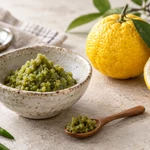
Yuzu Paste
Discover the secrets of yuzu paste—a citrus ingredient that will give your dishes a fresh and exotic flavor. Read on to learn how to use it in marinades, sauces, or cocktails and take your cooking to the next level!
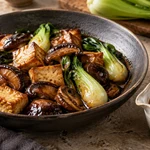
Dark Soy Sauce
Want to discover the secrets of dark soy sauce and how to use it in your kitchen? Dark soy sauce is not only a staple of Asian cuisine—its deep, rich flavor can transform even ordinary dishes into culinary experiences. Read our article to learn all about its production, history, and versatile uses in the kitchen. From marinades to sauces, discover how dark soy sauce can enrich your food!

Apple cider vinegar and distilled vinegar
Find out the difference between apple cider vinegar and distilled vinegar and how to use them in the kitchen! Both types of vinegar have their own specific properties that will enrich your cooking. Read our article for more information!
Fermented spirit vinegar
Discover the secrets of fermented spirit vinegar! This versatile helper can be used not only in the kitchen, but also for cleaning and gardening. In this article, you will learn how it can save you money, replace chemical cleaning products, and even contribute to a more sustainable household.
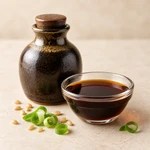
Mature vinegar
Discover the secrets of aged vinegar! How does this delicately fermented elixir affect the taste of your dishes, and what can it offer your kitchen? Find out how different vintages of vinegar bring unique properties and how you can use them to create perfect dishes. Read our article and get tips on how to incorporate aged vinegar into your everyday cooking!

Black rice vinegar and brown rice vinegar
Discover the intense flavor of black vinegar and brown rice vinegar, two specialties that will bring rich flavors to your dishes. Find out how they differ and get inspired by recipes that use their smoky and nutty tones for exceptional marinades, sauces, and stir-fry dishes!

Sweetened rice vinegar
Sweetened rice vinegar is a secret ingredient that will give your dishes a unique sweet and sour taste! In this article, you will learn how to best use it in the kitchen, what flavor combinations it offers, and in which recipes you can try it. Explore the possibilities of this Asian specialty and get inspired for your next culinary creations.

Rice Vinegar
Rice vinegar is the secret to authentic Asian flavors! In our article, you will learn how to use it in cooking, why it is ideal for sushi, and how it can enrich your recipes. Read on to find out how this unique vinegar will take your dishes to the next level!

Fruit dip
What is fruit dip and why is it so popular? Discover how it can add a new dimension of flavor to fruit! From fresh yogurt to creamy sweet varieties—get inspired and find out why fruit dips are a hit at every party and a favorite part of healthy snacks.

Light soy sauce
Want to know how to use light soy sauces in the kitchen? Read about their types, flavors, and best uses. Discover how this sauce will enrich your Asian dishes!
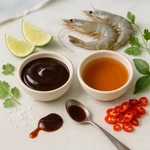
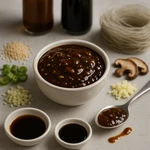
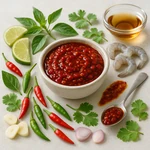
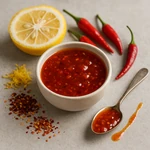
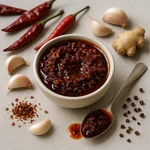
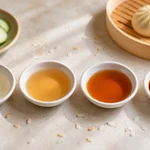
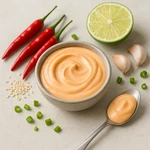
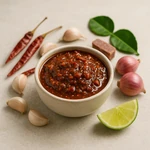

To explore closely related ingredient topics, see Fermented Pastes and Sauces for deeper context on fermented flavour bases, Spices and Herbs for building blocks that often pair with sauces, and Tofu and Soy Products for ingredients that are frequently seasoned with them.