

 Česky (CZK)
 Slovensky (EUR)
 Deutsch (EUR)
 Austria
 Belgium
 Bulgaria
 Croatia
 Denmark
 Estonia
 Finland
 France
 Germany
 Greece
 Hungary
 Italy
Italy Latvia
 Lithuania
 Luxembourg
 Netherlands
 Poland
 Portugal
 Romania
 Slovenia
 Spain
Spain Sweden










Chutney
🍯 Chutney: why one spoon can change the whole dish
Chutney isn’t a sauce and it isn’t jam. It’s concentrated contrast — sweetness, acidity, spice, and aroma in a single spoon. You don’t add it to make food sweet; you add it to balance: to lift rich fats, to make spices more readable, and to give even simple meals (rice, legumes, roasted meat) an extra “spark.” In real cooking, chutney often fixes the moment when a dish is properly salted but still feels flat or heavy.
Asian cooking ingredients are available at Taste Of Asia. For related flavor boosters, browse Sauces, Vinegars, and Spices & spice blends.
💡 Tip: When food is “good but boring,” it usually doesn’t need more salt — it needs contrast. Chutney delivers sweetness and acidity at the same time.
🕰️ Where chutney comes from
Chutney originates in India, traditionally served with rice, legumes, and curry as a small but powerful side. The idea is simple: the main dish is filling yet repetitive — chutney adds second, third, and fourth flavor layers. There’s also a practical side: in hot climates, fruit and vegetables were preserved with sugar and acid (vinegar, tamarind), and spices added character and stability.
The European (Anglo-Indian) style came later: more cooking, more reduction, often sweeter. That’s why today you’ll see two big families: fresh (bright, herb-forward) and cooked (thick, shelf-stable, great with meat and cheese).
🧪 What it does to flavor (practically)
Chutney works because it combines multiple taste directions at once. That matters most for fatty dishes (meat, fried foods, coconut-based curries) or “single-note” meals (rice, noodles, legumes). If you want a similar effect but purely acidic, reach for vinegar. If you want a sharp spicy cut, use chili sauces. Chutney’s advantage is that it bundles the whole balance.
- Acidity lightens fat → meat and coconut feel less heavy.
- Sweetness smooths sharp edges → chili and spices read cleaner.
- Spices add depth → the dish feels “finished.”
- Fruit body adds juiciness → drier proteins feel moister.
✅ Tip: Worried it’ll be “too sweet”? Start with half a teaspoon. Chutney should support the dish, not cover it.
👃 Types of chutney (and when to use them)
🌿 Fresh (Indian-style)
Fresh chutneys are herbaceous, bright, and often intensely aromatic — think cilantro, mint, coconut bases, or tamarind. They’re great when you want to “clean” the palate between bites of curry, rice, or fried snacks. If you cook Indian food, it helps to keep spices and something acidic from vinegars on hand.
🍎 Cooked (Anglo-Indian / European-style)
Cooked chutneys are thick, sweet-sour, and more shelf-stable. They’re typically served with meat, cheese, and roasted dishes. Compared to fresh chutney, they’re rounder and more “compote-like.” Popular examples: mango, onion, plum.
🍳 How to use chutney in real cooking
🍗 With meat
Roasted and grilled meat often has one main axis: salt + fat. Chutney brings acidity and sweetness, making even simple chicken taste more “restaurant.” For sides, it’s handy to have cooking oils and rice ready.
🧀 With cheese
Sweet-sour against salty-fatty creates instant complexity. Great in grilled-cheese style sandwiches or as a cheese-board accent.
🍛 With curry, rice, and legumes
Rich sauces (coconut, butter, oil) benefit from palate reset. Chutney gives you that reset plus body and spice. For pantry building: rice, legumes, and sauces.
🥪 In sandwiches and wraps
Chutney replaces heavy spreads and adds layered flavor. Boost heat with chili sauces.
🧂 What chutney is made of (and what to watch)
The core is: fruit/veg + acid + sweetener, with spices for character.
- Fruit: mango, apple, plum.
- Vegetables: onion, tomato.
- Acid: vinegar or tamarind (see Vinegars).
- Spices: ginger, chili, cinnamon, clove (see Spices).
- Sweetener: sugar (see Sugar & salt).
🛒 How to choose a good chutney
A good flavor curve is: sweet → sour → spiced → (gently hot).
- Fruit/onion should rank higher than sugar in ingredients.
- Texture should have pieces, not jelly-like.
- Thicker types suit meat and cheese; brighter ones suit curry.
💡 Tip: If it’s too sweet, fix it with a few drops of vinegar or a pinch of salt from Sugar & salt.
🥭 Recipe: quick mango chutney (15–20 minutes)
This is a fast, weeknight chutney for roast chicken, sandwiches, or curry. It also teaches dosing: too little = barely noticeable; too much = it takes over.
Ingredients
Method
- Dice the mango small.
- Add everything to a small pot and stir.
- Simmer 10–15 minutes until syrupy (it thickens more as it cools).
- Taste-adjust: balance sweetness with vinegar; soften heat with sugar.
✅ Tip: For a more “savory” edge, add a pinch of cinnamon and a drop of soy sauce from Soy sauces (literally a drop).
🔥 Common mistakes (and quick fixes)
✅ When to reach for chutney
- the dish is salted but feels “dead”
- it’s fatty or fried and needs lift
- you’re eating curry and want palate refresh
- you want sandwich flavor without heavy mayo
Start small and build up — with concentrated condiments, less is more.
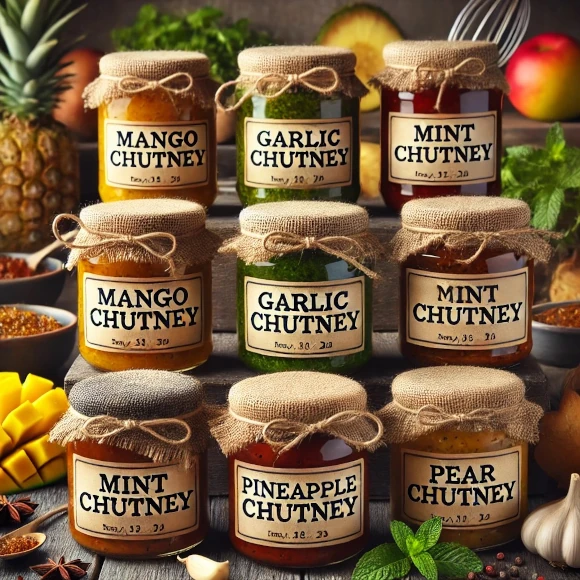

Recommended products12

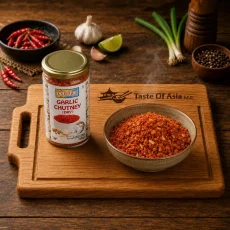
Ashoka Chutney Garlic Dry 150 g
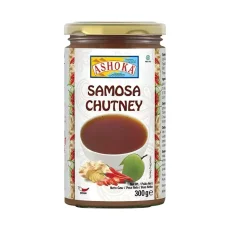
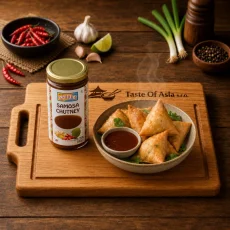
Ashoka Chutney Samosa 250 g
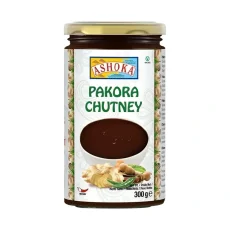
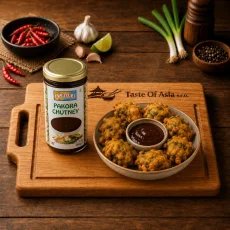
Ashoka Chutney Pakora 250 g
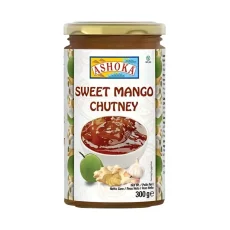

Ashoka Chutney Mango Sweet 250 g

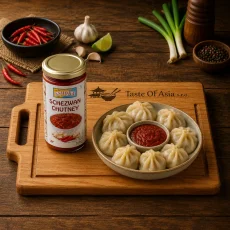
Ashoka Chutney Schezwan 250 g
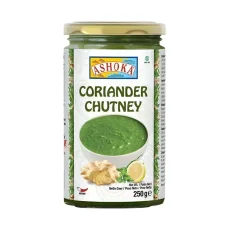
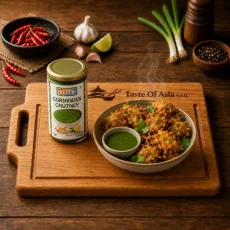
Ashoka Coriander Chutney 250 g
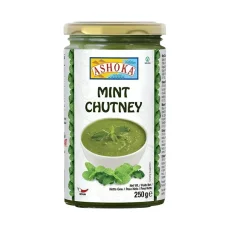
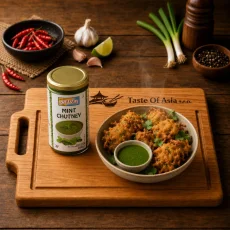
Ashoka Chutney Mint 250 g
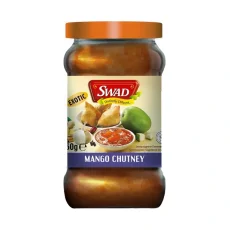

SWAD Chutney mango exotic sauce 350 g
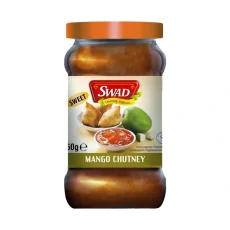
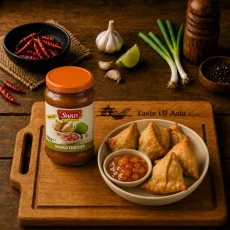
SWAD Chutney mango sauce sweet 350 g
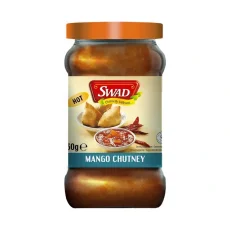
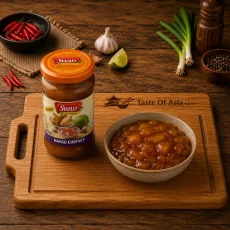
SWAD Chutney mango hot sauce 350 g
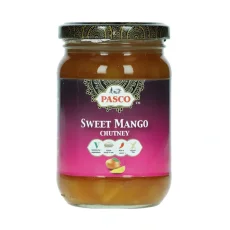
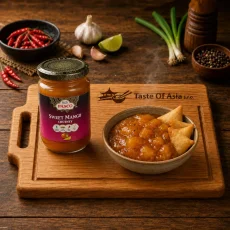
Pasco Chutney mango sweet sauce 320 g
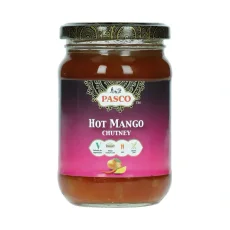
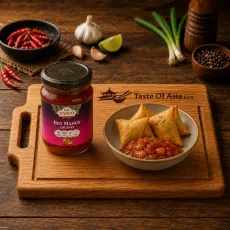
Pasco Chutney mango hot sauce 320 g
Read next
If you want to continue with the same topic, here are more related articles to explore: