

 Česky (CZK)
 Slovensky (EUR)
 Deutsch (EUR)
 Austria
 Belgium
 Bulgaria
 Croatia
 Denmark
 Estonia
 Finland
 France
 Germany
 Greece
 Hungary
 Italy
Italy Latvia
 Lithuania
 Luxembourg
 Netherlands
 Poland
 Portugal
 Romania
 Slovenia
 Spain
Spain Sweden










Curries and Sauces: Recipe Guides and Ideas
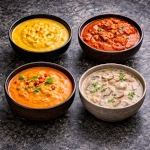
This guide gathers articles focused on curry-based dishes and the sauces that shape their flavour, explaining common styles, how they are used in recipes, and what to expect from different levels of richness, heat, and aroma across Asian cuisines.
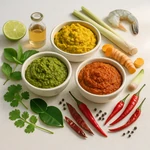
Thai curries and their colors: why it's not just about "different shades" and how to choose the right one
Green, red, yellow, panang, massaman... In Europe, Thai curries are often described mainly by color, as if it were one sauce in several variations. In reality, these are different flavor systems based on different pastes, different aromatics, different "coconutiness" and suitability for both quick cooking and slow simmering. This guide will help you understand the differences and especially choose a curry that makes sense for your dish and taste.
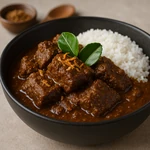
Rendang, korma, vindaloo: why they are not "just curry" and how to understand saucy dishes
Rendang, korma, vindaloo, Thai curry or Japanese curry are often lumped together under one category "curry" in our country. But this label is rather indicative – and if you take it literally, you might easily pick the wrong base, season the sauce poorly, or expect a different taste and consistency. In this article, we clarify what is meant by "curry" (and related saucy dishes) in different parts of Asia, what the main families are, and how to start practically at home without unnecessary mistakes.
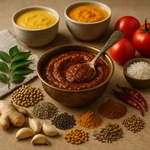
Indian curry: basics and main styles (and how not to get lost in them)
"Indian curry" is not one recipe nor one universal sauce. It is a broad family of saucy dishes and techniques that vary from region to region and household to household. In this guide, you'll clarify terms (curry vs. curry powder vs. masala), understand the main Indian directions, and most importantly: you will learn how to practically choose the right base and set your expectations so that the result tastes exactly how you want.
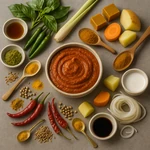
Curry in Asia: how it differs by country
Curry is not a specific sauce or a single “typical” dish. In different parts of Asia, it means different ingredients, different techniques, and a different final flavor profile – from slowly built South Asian sauces through Thai curries based on pastes to Japanese curry thickened with roux. This guide will help you understand the main differences and choose your curry style based on what you expect from it.
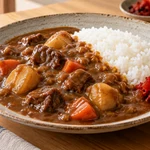
Recipe for Japanese Curry Kare Raisu
Discover the secrets of traditional Japanese curry, Kare Raisu! Learn a simple recipe for a delicious dish that combines exotic flavors with home comfort.
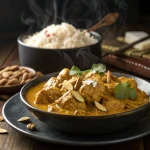
Chicken Korma Curry (Creamy, Mild Indian-Style Curry)
Chicken korma is a rich, gently spiced curry known for its velvety sauce made with yogurt, cream, and ground nuts. This approachable home recipe delivers a classic korma texture—fragrant, comforting, and mild enough for most spice levels.
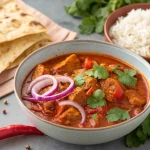
Madras Curry (Spicy South-Indian–Style Curry) – Easy Home Recipe
Madras curry is known for its deep colour, bold aroma and a confident chilli kick. This home-friendly version builds a rich onion-tomato base and finishes with warming spices (or a ready-made Madras curry blend) for a curry that works equally well with chicken, beef, lamb or tofu.
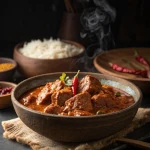
Goan Vindaloo Curry (Pork or Chicken): Spicy, Tangy Indian Curry
Vindaloo is a bold Goan curry known for its deep chilli heat and a distinctive tang from vinegar and garlic. This home-style recipe gives you a rich, thick sauce and tender meat—plus easy ways to adjust spice and acidity so it tastes intense, not harsh.
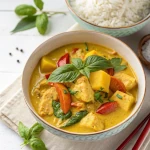
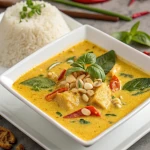
Thai Yellow Curry with Nam Prik Kaeng (Creamy Coconut Chicken Curry)
This Thai-style yellow curry is comforting, fragrant, and weeknight-friendly: rich coconut milk, tender chicken, and just enough heat from Nam Prik Kaeng curry paste. Serve it soupy over rice or simmer it down into a thicker curry—either way, it’s a bowl of pure warmth.
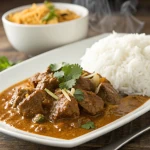
Beef Rendang Curry (Indonesian Slow-Cooked Coconut & Spice Stew)
Rendang is Indonesia’s famous slow-cooked beef cooked down in coconut milk, aromatics, and warm spices until the sauce turns deeply concentrated and clings to every piece. It takes time rather than effort—and the reward is rich, fragrant comfort with a gentle (or fiery) chili kick.
To explore how curries and sauces fit into complete meals, continue with Rice Dishes and Noodle Dishes , or compare with comforting bowls in Soups and Broths .