Česky (CZK)
 Slovensky (EUR)
 Deutsch (EUR)
 Austria
 Belgium
 Bulgaria
 Croatia
 Denmark
 Estonia
 Finland
 France
 Germany
 Greece
 Hungary
 Italy
Italy Latvia
 Lithuania
 Luxembourg
 Netherlands
 Poland
 Portugal
 Romania
 Slovenia
 Spain
Spain Sweden










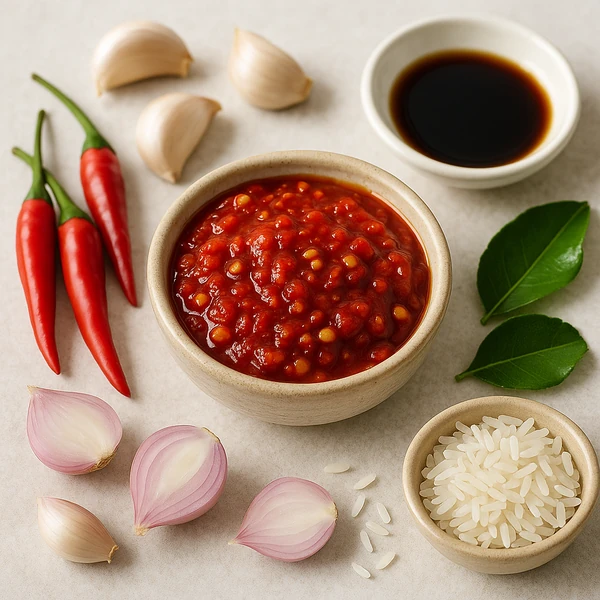
"Asian cuisine" is not a single cuisine but a whole map of styles: from delicate broths and umami to aromatic, spicy, and hot dishes. This guide provides you with a practical compass on how to navigate by countries and regions, how to choose a good starting point for cooking at home, and which universal ingredients will open the most doors without having to build a pantry full of dozens of specialties.
Introduction: why it makes sense to look at Asia "by country"
In practice, most people do not search for "Asian food" but for a specific impression on the plate: delicate rice as a side dish, a bold sauce, warming spices, fresh herbs, or on the contrary, a clean taste umami (full, "meaty" flavor even without meat). Classification by country (or at least by regions) is useful precisely because it helps you estimate more quickly, how the dish will typically taste and what you usually need for it.
- Faster estimation of the result: salty, sour, spicy, aromatic, umami.
- More meaningful shopping: you choose pantry ingredients so that they come back repeatedly in your kitchen.
- Less disappointment: some names (often sauces) sound universal but can actually mean different flavor profiles and uses.
At the same time, one important fact applies: even within a single country, there are more regional styles. Still, "by country" is a functional compass for beginners that leads to the first good results.
What we mean: cuisine by country vs. by ingredients 🧭
"Cuisine by country" is a good orientation framework, but at home, we often cook more according to what we have in the pantry, how much time we have and the impression we want to create. Therefore, it pays to combine two views:
- By country / region: you understand the typical style (how flavoring is done, whether it relies on rice, sauces, fermentation, coconut, spices, broths…).
- By key ingredients: you can start right now – even without the “perfect” setup, you can approximate the taste.
Differences between Asian cuisines are not accidental: they developed under different climatic, agricultural, religious, and trade conditions. That’s why it doesn’t make sense to talk about one "Asian taste" as a universal.
In this guide, we will rely on a few ingredients where the differences between styles are clearly visible: rice, soy sauce, chili paste / chili component, aromatic leaves and dried mushrooms.
Main variants and differences: how tastes change across Asia
The following overview is intentionally a practical "compass," not an encyclopedia. Take it as a guide on how to decide when choosing styles and ingredients.
1) East Asia: cleaner flavors, umami, and working with sauces
For many East Asian cuisines, the typical feature is the use of liquid flavorings and umami. In home cooking, this often shows itself in that even a simple dish (vegetables, noodles, broth) gains “depth” thanks to the right base.
- Umami in practice: dried mushrooms are a simple way to add fullness to soups, sauces, or stir-fries (quick pan-frying).
- Sauces as the steering wheel of flavor: even a small change in the type of soy sauce can shift the result significantly.
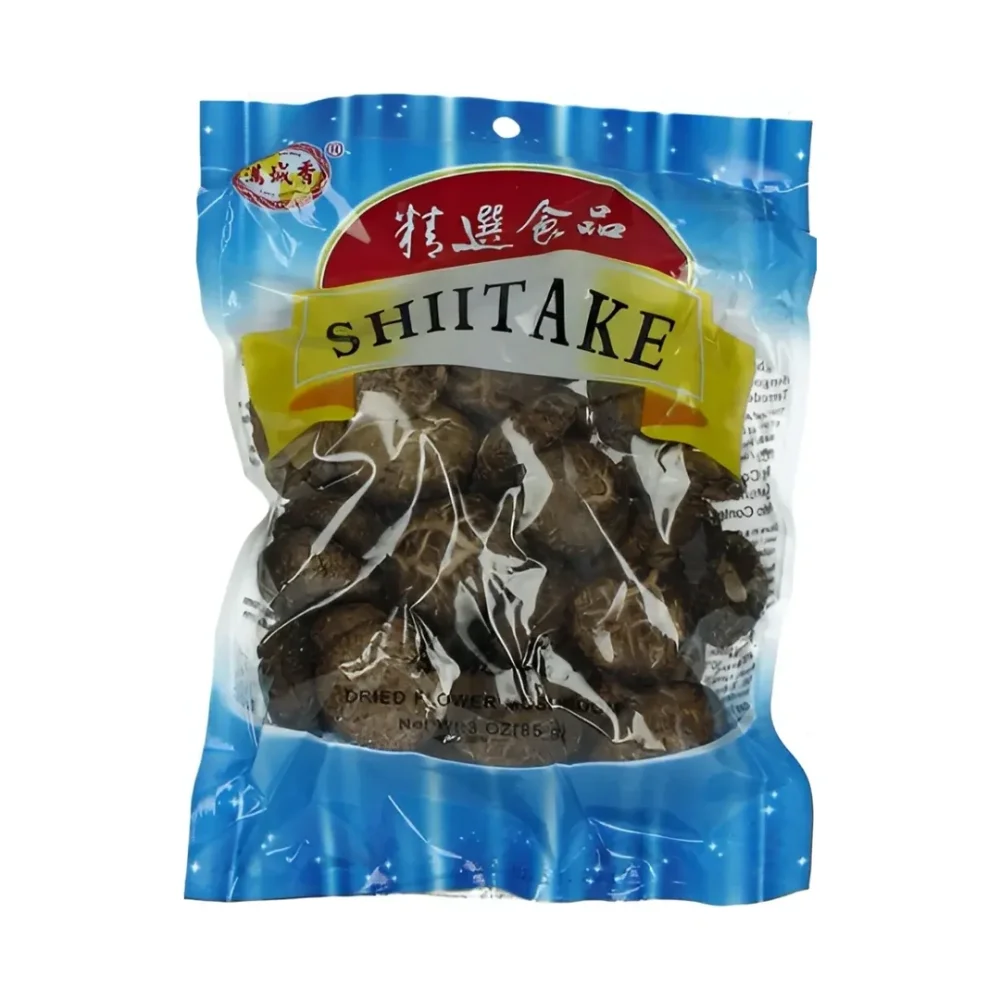
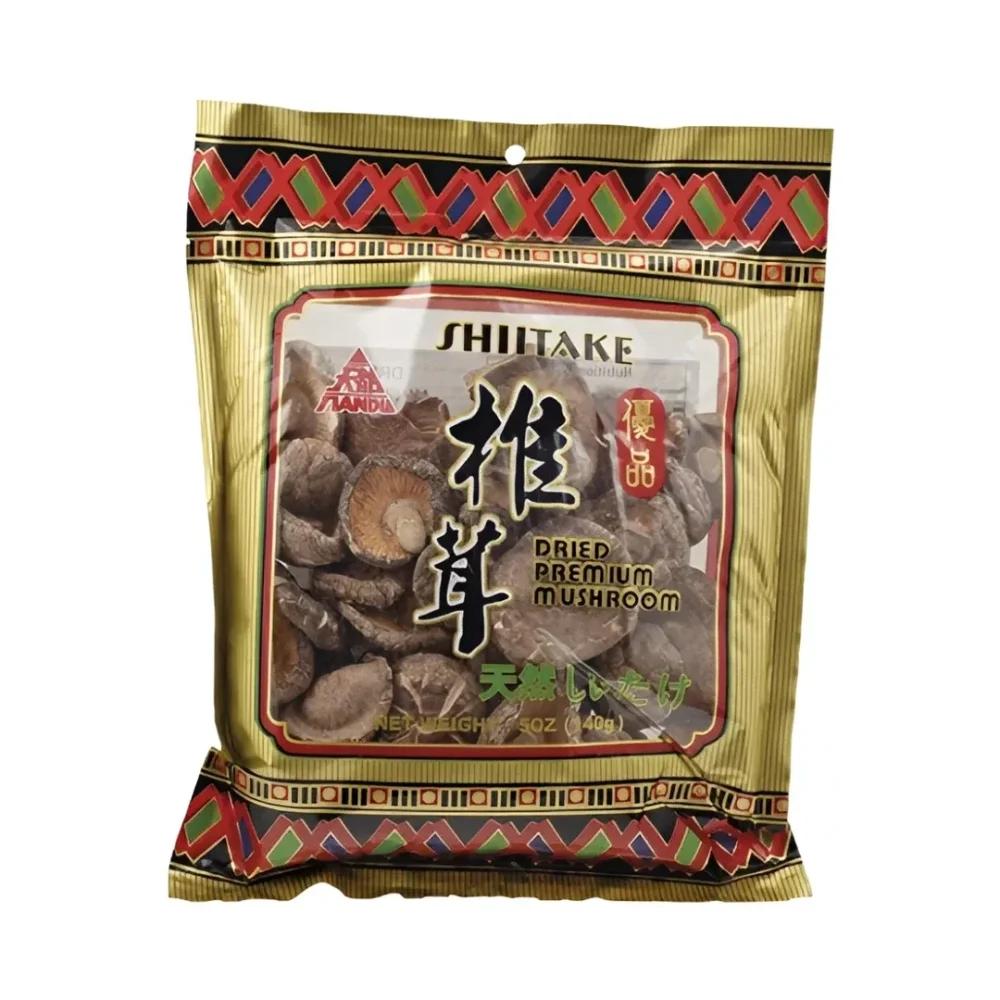
For natural umami, dried shiitake are suitable, for example, City Aroma Shiitake Mushrooms 85 g or Tiandu Shiitake Mushrooms 140 g. You will use them for broths, sauces, and vegetables – it is essential to give them time to transfer flavor (typically in liquid, not just briefly “dry” in the pan).
👃 2) Southeast Asia: rice, aromaticity, and "fine-tuning" with spiciness
In many Southeast Asian cuisines, rice is the base and the flavor is often arranged to be lively and distinct – whether by aroma or spiciness. For home cooking, it’s practical that you can approach this style even with just a few items.
- Rice as a canvas: the right type of rice affects not only the side dish but also how the whole dish feels.
- Spiciness "on command": chili pastes allow you to add heat exactly where you want it (and only as much as you want).
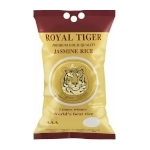
As a universal side dish that goes well with many Asian dishes, jasmine riceoften proves successful.
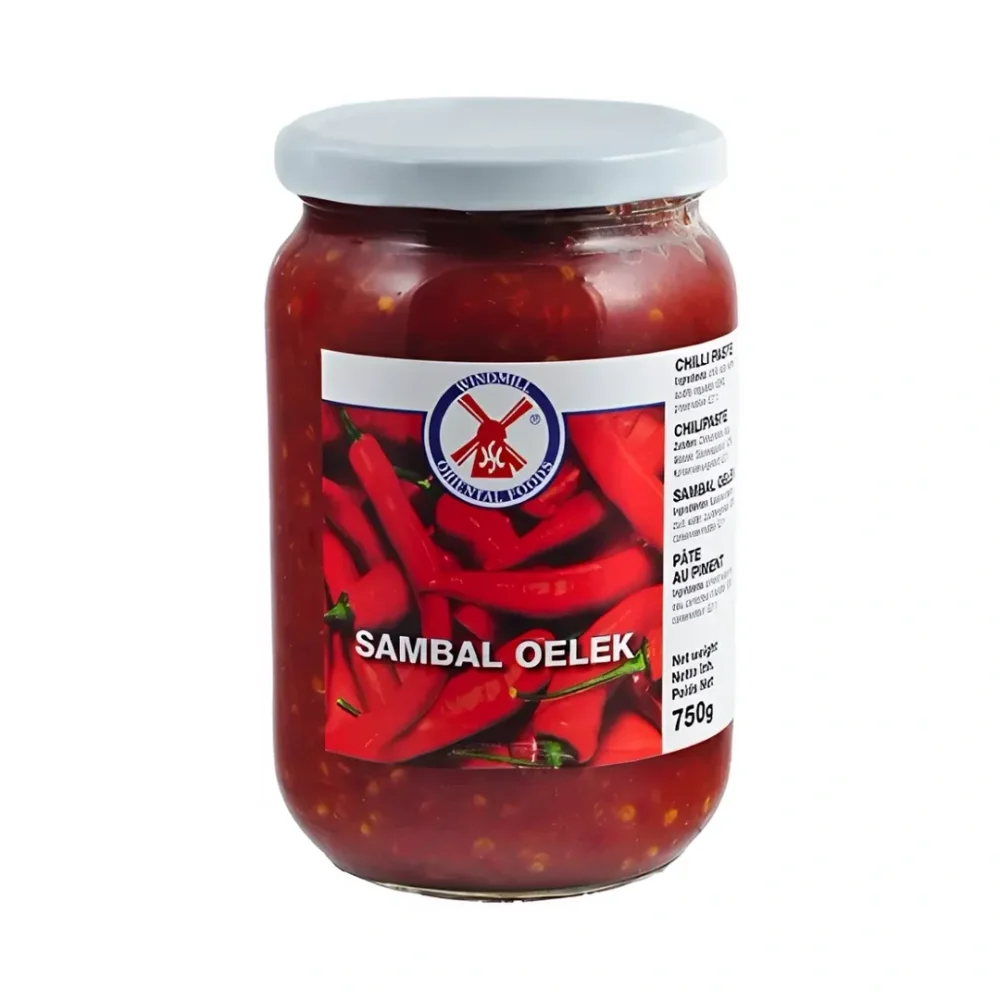
For quickly "turning up" the flavor, a simple chili paste made from crushed peppers and salt is practical, for example, Windmill Chili Paste Sambal Oelek 750 g. You use it as an addition to sauces and marinades or as a spicy note on the plate.
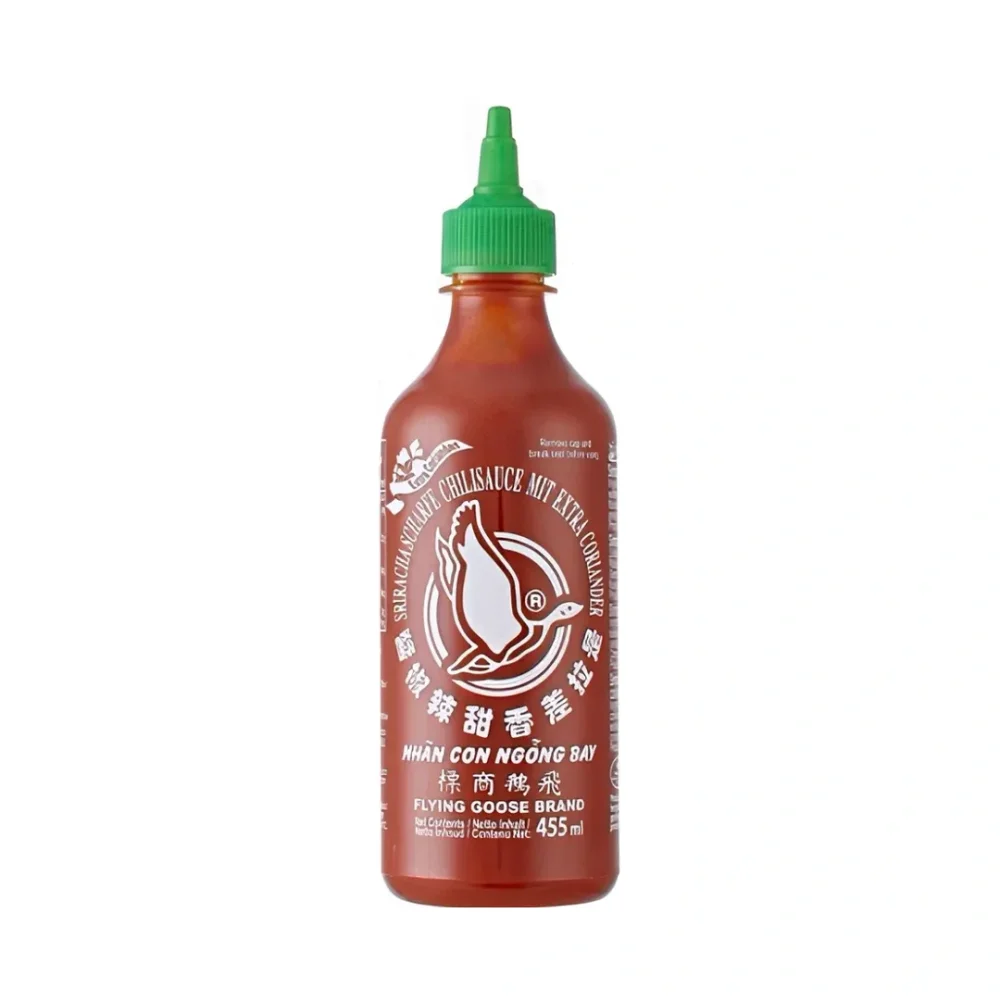
If, on the other hand, you want spiciness in the form of a ready-made sauce (often milder for dosing and more pronounced in flavor), this is a different type of product than paste – an example might be Flying Goose Chili Sauce Sriracha with Coriander 455 ml.
👃 3) South Asia: spices, layered aromaticity, and herbal tones
South Asia is, for many people, synonymous with "spiced" cooking. Practically, this means that the final flavor often doesn’t come from just one sauce but is composed gradually: aroma, warmth of spices, herbal tones, and strong aromas.
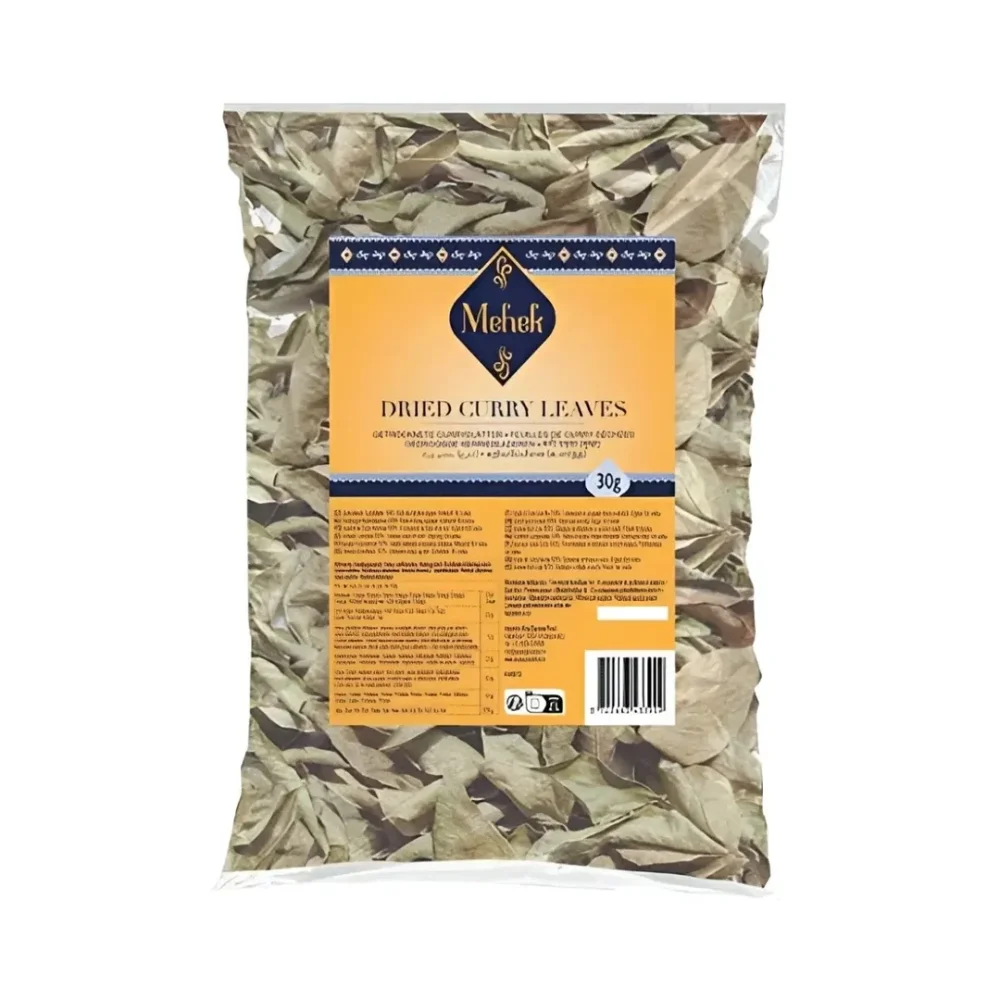
If you want to get a specific aromatic line into your dish, one option is dried curry leaves, for example, Mehek Curry Leaves 30 g. Even a small amount can change the character of the dish – so it’s all the more worth starting cautiously and dosing gradually.
🍜 4) How soy sauce fits in: one ingredient, many styles
Soy sauce is a good example of why it makes sense to think "by countries": under the same name, different flavor profiles may hide. Instead of searching for one universal bottle, it’s often more practical to choose the type that matches what you want to cook.
A specific example of light soy sauce can be Dek Som Boon Light Soy Sauce 300 ml. In general, "light" variants are often used where you want to season with saltiness and aroma but without unnecessarily darkening the dish.
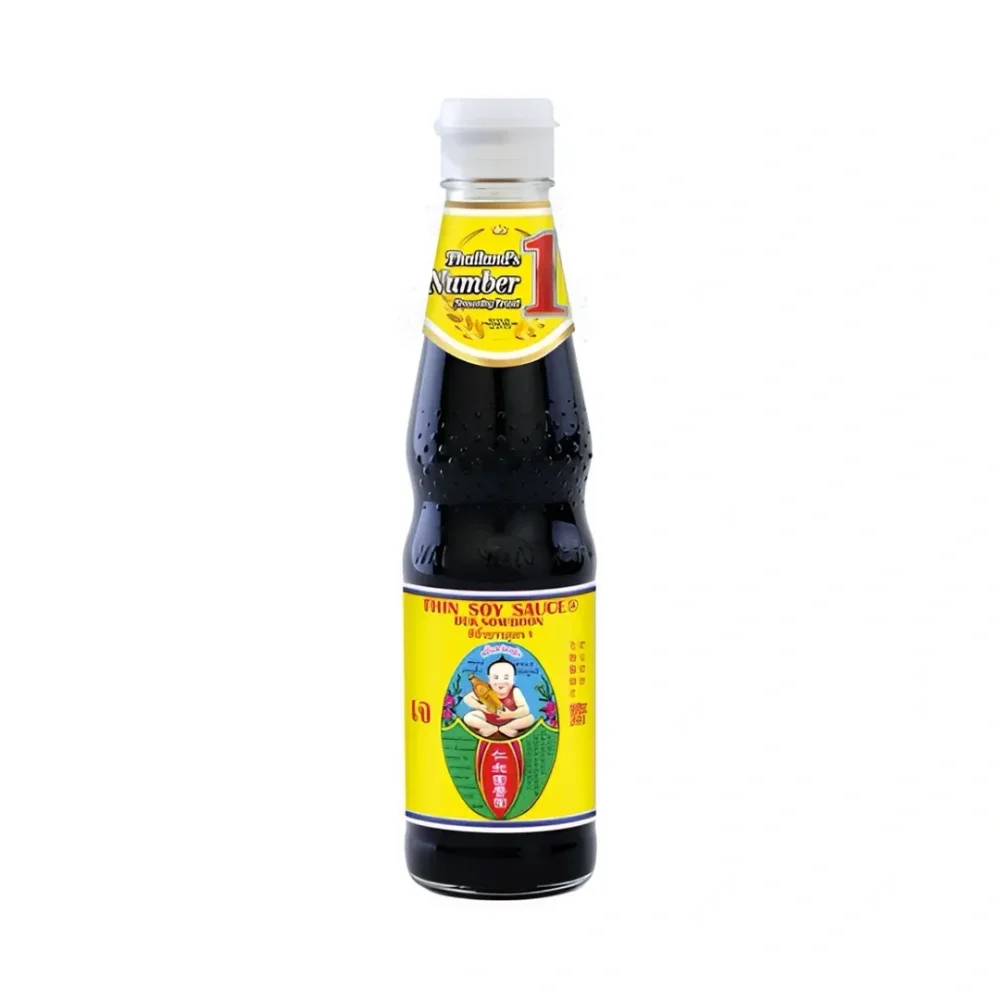
If you are interested in less common types, the category other soy sauces is a good guide—typically when you already know the cooking style you like and want to fine-tune the flavor precisely.
🍜 How to choose style and ingredients for cooking at home (without stress)
Beginners often make the same mistake: they want to start with "Asian cuisine" as one single package. But nothing like that exists in practice. Japanese, Chinese, Korean, Vietnamese, Thai, Indian, or Filipino cuisines differ in taste, technique, cooking pace, pantry requirements, and how much fresh aromatics they usually need. Therefore, it makes much more sense to choose one entry door and expand from there.
First style, then country
Before you decide on a specific country, try first to name what type of cooking you want:
- I want cleaner and clearer flavors (umami, broths, milder seasoning).
- I want quick "pan" meals (stir-fry): short cooking time, high heat, fast seasoning.
- I want bold, sweet-salty, and spicier flavors (sauce as the main carrier of flavor, spiciness easy to scale).
- I want freshness, herbs, and balancing acidity (a lively flavor that relies on balancing impressions).
Only then does it make sense to consider which specific cuisine (or region) you will "take as home".
1) Do I want the dish to be rather mild or bold?
- Milder and "clean": rely on a good side (rice) and umami (e.g., shiitake in liquid base). As a guideline: for a soup or sauce for 2 portions, try starting with 1–2 pieces of dried shiitake, let them transfer flavor into the liquid, and only then fine-tune the seasoning.
- Bold and "juicy": work with the sauce as the main flavor carrier (soy sauce as a base, chili as an enhancer). Practical dosing: for a quick stir-fry for 1 portion, start with about 1 teaspoon of light soy sauce, stir, and add gradually if needed.
2) Do I need spiciness as the main impression, or just as a detail?
- Just a detail: add the spicy component at the end and in small amounts. For chili pastes, it’s often literally "the tip of a teaspoon." For sauces like sriracha, it regulates well by drops or half teaspoons.
- Main impression: work the chili into the base (in the sauce or marinade), but still start with a smaller amount. As a guideline for 2 portions: 1/4–1/2 teaspoon sambal oelek in the base, taste, and add if needed.
Spiciness increases easily but "returns" hard. If you overdo it, it often helps to increase the volume of the dish (add rice, vegetables, broth) or balance the flavor with another component, not just salt further.
3) What do I want to cook most often – and what will be useful repeatedly?
For most home kitchens, it makes sense to start with a small “universal set” and only then add specialties. It’s not about buying everything but choosing things that have a clear function:
- Rice as a stable base for meat, vegetables, and sauces.
- One or two sauces (e.g., light soy sauce), which you will use often.
- One spicy component (paste or sauce), so you can easily control the heat level.
- One “deep” component for umami (e.g., dried mushrooms for broth and sauces).
- One distinctive aroma (e.g., curry leaves) when you want a specific character.
A practical selection rule that saves a lot of disappointment: read the label and notice whether you are buying a basic ingredient, or already a seasoned product. It’s not about "better/worse," but about whether the product does exactly what you expect from it.
🍳 4) A practical detail that makes the biggest difference: ingredient preparation
In many Asian cuisines, the result is not decided on the stove but beforehand on the cutting board. Cutting, preparation order, and timing often have a bigger impact than it seems at first glance.
- Unify the size of pieces: so everything cooks/warms up at a similar rate and the result is "in one tempo."
- Prepare everything in advance: with quick techniques (e.g., stir-fry), there's no time to "finish cutting" during cooking.
- Separate ingredients by how they behave in the pan: some ingredients release water, others burn quickly. It helps if you know what goes in first and what later.
💡 Common mistakes and what to watch out for
- Starting "all of Asia" instead of one style: the fastest way to frustration is to shop randomly by names and expect it will somehow come together. Choose an entry door (style), then expand.
- Confusing "one soy sauce for all": soy sauces can differ in taste and use. If the result doesn’t fit, often the problem isn’t in the recipe but in the type of sauce and what it’s supposed to do in the dish.
- Mixing "authenticity," strength, and quality: stronger or darker taste does not automatically mean "better." What’s more important is whether the product is suitable for your use.
- Unread label: verify the type and whether it’s a basic ingredient or a seasoned product. Many disappointments arise not because the ingredient is bad but because it was poorly chosen for a particular use.
- Overdone spiciness: chili pastes and sauces are easy to put in "too much." Build spiciness gradually and taste.
- Umami without time and without medium: dried mushrooms usually work best when they have time to transfer flavor into liquid (broth, sauce). If you only run them briefly in a pan without further prep, the effect may be weaker.
- Aromatic leaves as "decoration": for strong leaves (e.g., curry leaves), correct dosing is more important than quantity. Start with a small amount and adjust.
What to take away from the article
- "Asian cuisine" is a sum of different styles – by countries/regions, you can orient yourself more easily in how the food will taste and what principles stand behind it.
- Often a few universal pillars are enough to start: rice, suitable soy sauce, spicy component, umami (e.g., dried mushrooms), and one distinctive aroma.
- The most common mistakes are choosing the wrong type of sauce, overshooting spiciness, underestimating aromatic leaves, and chaotic ingredient preparation.
- The fastest path to a good result is to choose one style, build a small pantry foundation, and only then add specialized ingredients.