

 Česky (CZK)
 Slovensky (EUR)
 Deutsch (EUR)
 Austria
 Belgium
 Bulgaria
 Croatia
 Denmark
 Estonia
 Finland
 France
 Germany
 Greece
 Hungary
 Italy
Italy Latvia
 Lithuania
 Luxembourg
 Netherlands
 Poland
 Portugal
 Romania
 Slovenia
 Spain
Spain Sweden










Sake and Asian Alcohol: Styles, Serving & Pairings
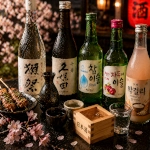
This guide gathers articles on sake and other Asian alcoholic drinks, explaining common styles, key terms you may see on labels, and practical serving basics such as temperature, glassware, and food pairings. Topics focus on understanding flavour profiles and occasions, from lighter, aromatic options to richer, more robust styles, with context on how these drinks are enjoyed across different Asian cuisines.
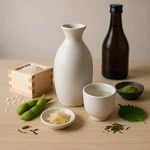
Sake and Asian Alcohol for Beginners: What Is What, Why It Gets Confused, and How to Use It in Cooking
“Rice wine” sounds simple, but in Asian cuisine, this term covers several different things – and mixing them up in recipes creates unnecessary confusion. In this guide, you'll clarify what sake is, what mirin is, why they are often used together, and how to practically incorporate them into home cooking to make dishes more delicate, refined, and harmoniously flavored.
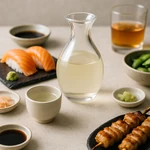
How to pair sake (and related rice wines) with Asian food: a practical guide without confusion
Pairing sake with food is surprisingly easy – until the topic of "rice wine" comes up. This is where most misunderstandings arise: sake does not behave like regular grape wine, mirin is not "sweet sake," and some bottles labeled as cooking wine have a completely different role in the kitchen. In the article, we will clarify the terms and then translate it into practice: when sake works naturally at the table, when it makes more sense to focus on sweetness and glaze (mirin), and when acidity (vinegar, citrus, tamarind) or tea can help you with Asian dishes.
To explore the wider drinks section, continue with Green and Traditional Teas , browse contemporary favourites in Modern Asian Drinks , or look up ideas by weather and occasion in Hot, Cold and Seasonal Drinks .