


 Česky (CZK)
 Slovensky (EUR)
 Deutsch (EUR)
 Austria
 Belgium
 Bulgaria
 Croatia
 Denmark
 Estonia
 Finland
 France
 Germany
 Greece
 Hungary
 Italy
Italy Latvia
 Lithuania
 Luxembourg
 Netherlands
 Poland
 Portugal
 Romania
 Slovenia
 Spain
Spain Sweden










How to pair sake (and related rice wines) with Asian food: a practical guide without confusion
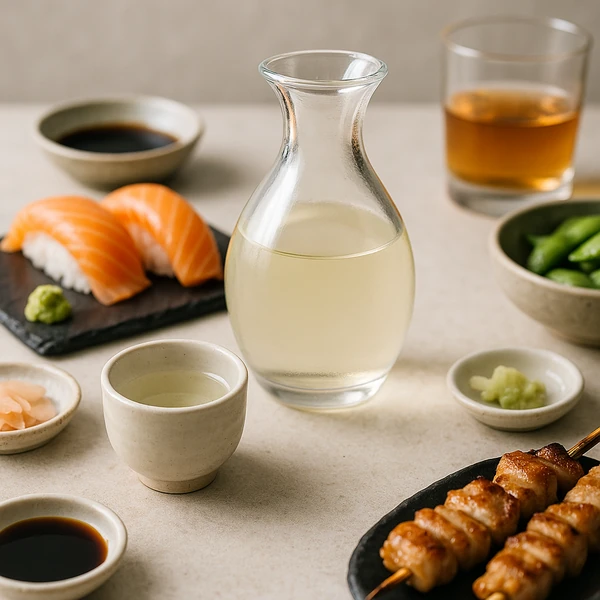
Pairing sake with food is surprisingly easy – until the topic of "rice wine" comes up. This is where most misunderstandings arise: sake does not behave like regular grape wine, mirin is not "sweet sake," and some bottles labeled as cooking wine have a completely different role in the kitchen. In the article, we will clarify the terms and then translate it into practice: when sake works naturally at the table, when it makes more sense to focus on sweetness and glaze (mirin), and when acidity (vinegar, citrus, tamarind) or tea can help you with Asian dishes.
Why there is so much confusion around "rice wine": sake, mirin, and cooking wine
In the European context, under the label rice wine several different things are often hidden. At first glance they look similar (bottle, light alcohol, use in cooking), but in taste and function they can behave completely differently. For pairing with food – and for cooking itself – it is therefore useful to distinguish at least three basic groups:
- Sake – a standalone fermented rice beverage, which is often mistakenly automatically classified as "wine" in our region.
- Mirin – a key Japanese seasoning that adds sweetness, rounding, and shine; typically used in sauces and glazes.
- Chinese rice wines and cooking wine – bottles intended for cooking, which can vary in style and use; the important thing is mainly that they are not mirin and they do not behave the same in recipes.
The purpose of this guide is simple: when you know, exactly what you have in front of you, it is easier to estimate whether the beverage will feel soft and "umami" at the table, or whether it will build a sweet glaze in the food, or whether it simply helps technically in the marinade.
🌶️ What is sake (and why it is not accurate to think of it as ordinary wine)
Sake is often described as rice wine because it appears that way in the glass and in business logic. Technologically, however, it is more accurate to understand it as a standalone fermented rice beverage, where starch is first converted into sugars and only then into alcohol. For pairing with food, it is important mainly that sake:
- is softer,
- does not have the same type of acidity as grape wine,
- brings a grainy, gently sweet, and umami line,
- often acts softer in the kitchen and at the table than many Western wines.
This very "softness" and umami character explain why sake often feels at home alongside flavors typical of Japanese sauce bases (soy, miso, dashi) – without the need to overpower food with strong acidity.
🍳 Sake, mirin, and rice wines in the kitchen: when they are side by side and when not
For pairing with food, it is surprisingly useful to look at alcohol also through its role in the actual cooking. In Japanese recipes, it is common for sake not just to be "something to drink" but a flavor tool in sauces, marinades, or braising.
🍳 The role of sake in the kitchen (and what it says about pairing)
Sake is not used in the kitchen to "intoxicate" the food, but because it:
- helps carry aroma,
- softens the smell of meat and fish,
- adds a subtle depth without heavy sweetness,
- helps create sauces that are not coarse or aggressive,
- pairs well with soy sauce, mirin, sugar, miso paste and broth dashi.
From a pairing perspective, this means: if the dish is based on these combinations, sake often works naturally at the table because it "speaks the same language" – umami, softness, rounding.
Why sake and mirin often form a pair (and why they usually do not replace each other)
In Japanese home cooking, sake and mirin are often not used instead of each other, but together. Many recipes are based on a simple logic:
- saltiness and umami,
- a gentle alcoholic base,
- gentle sweetness and shine.
That's why the combination soy sauce + sake + mirin (and sometimes sugar) is repeatedly found in practice. This quartet is the foundation for a great number of dishes – from teriyaki through sukiyaki to simple glazed or braised preparations like nimono.
What mirin does in flavor: more than just a sweetener
Mirin is not just "something sweet." Its strength lies in bringing to the dish:
- roundness of flavor,
- shine and a subtle lacquered appearance,
- better connection of the sauce with the ingredient,
- a smoother result than when sweetness is solved just with sugar.
This is crucial also for pairing: for dishes where the goal is a glossy glaze and gentle sweetness (typically teriyaki or glazed fish), you will perceive sweetness and "lacquer" on the surface – and the drink should not feel sharp or aggressive.
How to pair sake and "other alcohol" with food in practice (and when to rather choose tea)
You can often simplify pairing Asian dishes by asking the question: what is dominant in the dish – umami and soy, glaze and sweetness, or acidity? Based on that, it will be easier for you to decide, even if you don't have a "sommelier" vocabulary.
1) Foods based on soy sauce, miso, and dashi: stick to softness
If the dish is typically "Japanese sauce-based" (soy sauce, miso paste, dashi, possibly sake and mirin), sake at the table usually makes sense because it does not bring the same kind of acidity as common wine and acts softer. Try it where you want to support umami and rounding, not add sharp edges.
A practical tip for home cooking: if you are making a sauce that should be smooth (not "sour" like a wine reduction), sake in the recipe often works as a gentle alcoholic base, which connects the aroma. At the table, a similar profile usually does not feel disruptive.
2) Teriyaki, glazes, and sweetness: do not underestimate the role of mirin
For dishes like teriyaki, glazed fish, or some noodle sauces, it is crucial that the result is shiny, gently sweet, and clean – without a “rough sweet tail.” Mirin is not a detail here: it helps balance the saltiness of soy sauce and create a glaze that sugar itself usually cannot imitate.
From a pairing perspective: if the dish is glazed and slightly sweet, look for softness and recognizable aroma rather than harsh acidity.
3) Acidity in food changes what will "fit" you: vinegar, citrus, tamarind
Acidity is often a separate tool in Asian dishes – and it is good to distinguish where it comes from because it acts differently:
- Acetic acidity is “technical”: vinegar is formed by two-stage fermentation (sugar → alcohol → acetic acid) and in the kitchen it can not only acidify but also smooth and connect the sauce, lighten fat or help with pickling.
- Citrus acidity (lime, lemon, yuzu, and others) feels fresh, has a quick onset, and often brings aroma that makes the dish feel lighter.
- Tamarind is perceived as a darker, fruitier, deeper acidity – often as part of a sauce, not just a “final drizzle.”
Practically: when the dish is based on delicate flavors (fish, tofu, seaweed) and acidity is just supposed to complement the flavor, it is useful that Japanese rice vinegar is typically delicate, clean, and round. It is suitable for sushi rice, light dressings, and pickles and works well with delicate ingredients. In such combinations, it often also makes sense to choose a drink that will not appear excessively sharp.
4) When you don’t want alcohol (or it doesn’t suit the food): tea and modern Asian drinks
With Asian food, it is perfectly fine to choose tea or a modern drink instead of alcohol – and not consider it a "fallback" solution. Modern Asian drinks are often a distinct experience (often with ice, milk, syrups or texture) and do not always serve only as a rinse. But if you pick a beverage to go with your food, it helps to keep sweetness in check so it doesn’t overpower the flavor on the plate.
For lighter foods or moments when you want a clean accompaniment, a gently floral Shan Wai Shan jasmine tea – can be drunk hot or cold.
Shan Wai Shan jasmine tea OPEN PRODUCTFor a "more neutral" tea profile between green and black tea, oolong is suitable, for example Shan Wai Shan oolong, which you can brew repeatedly and watch how the flavor develops.
Shan Wai Shan oolong OPEN PRODUCTIf you know you will eat spicier food, a light green tea like Shan Wai Shan Yin Haois practical, described as fresh and suitable even for spicy dishes.
Shan Wai Shan Yin Hao OPEN PRODUCTFor modern, gently sweet drinks (e.g., Korean fruit/syrup styles), it pays to watch that they don’t come off as "dessert in a cup" when you want to perceive the flavor of the food. If you want a simple cold/hot drink with a lightly sweet profile, something like T'best Aloe Vera teathat can also be served iced might make sense.
T'best Aloe Vera tea OPEN PRODUCT
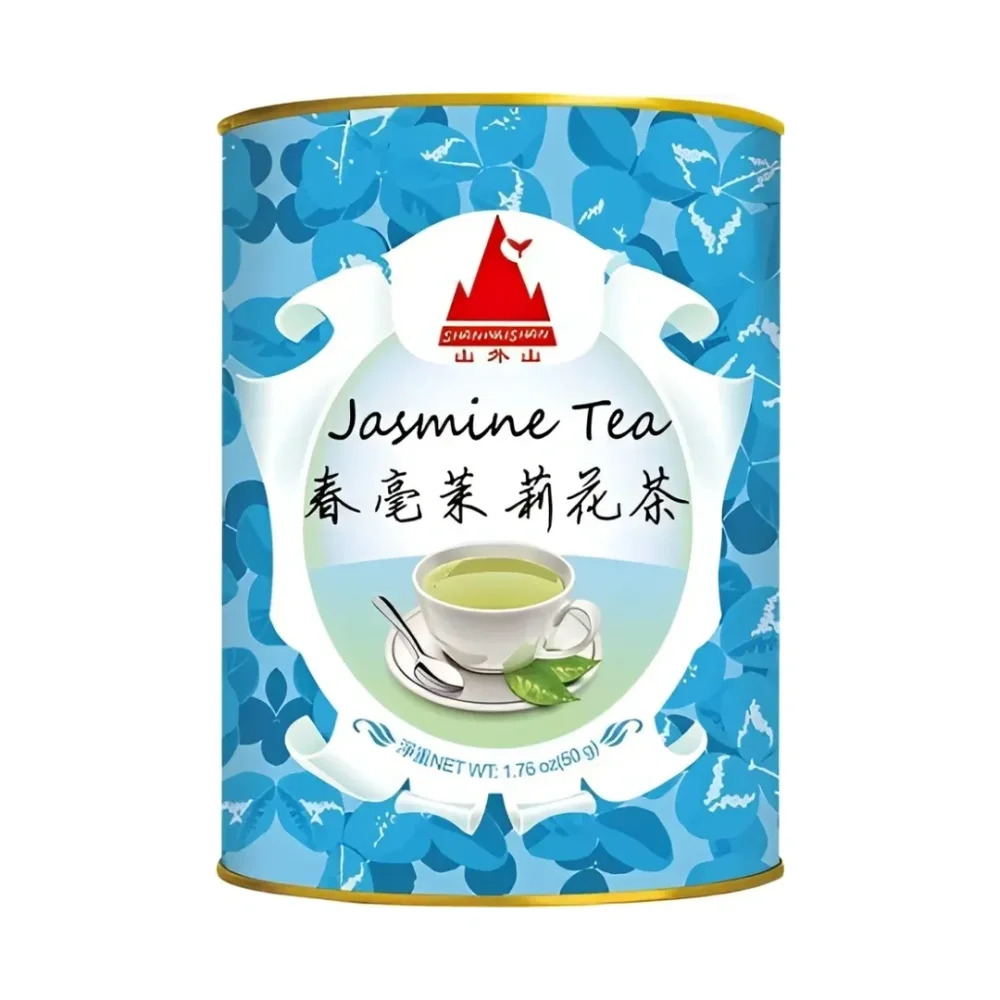
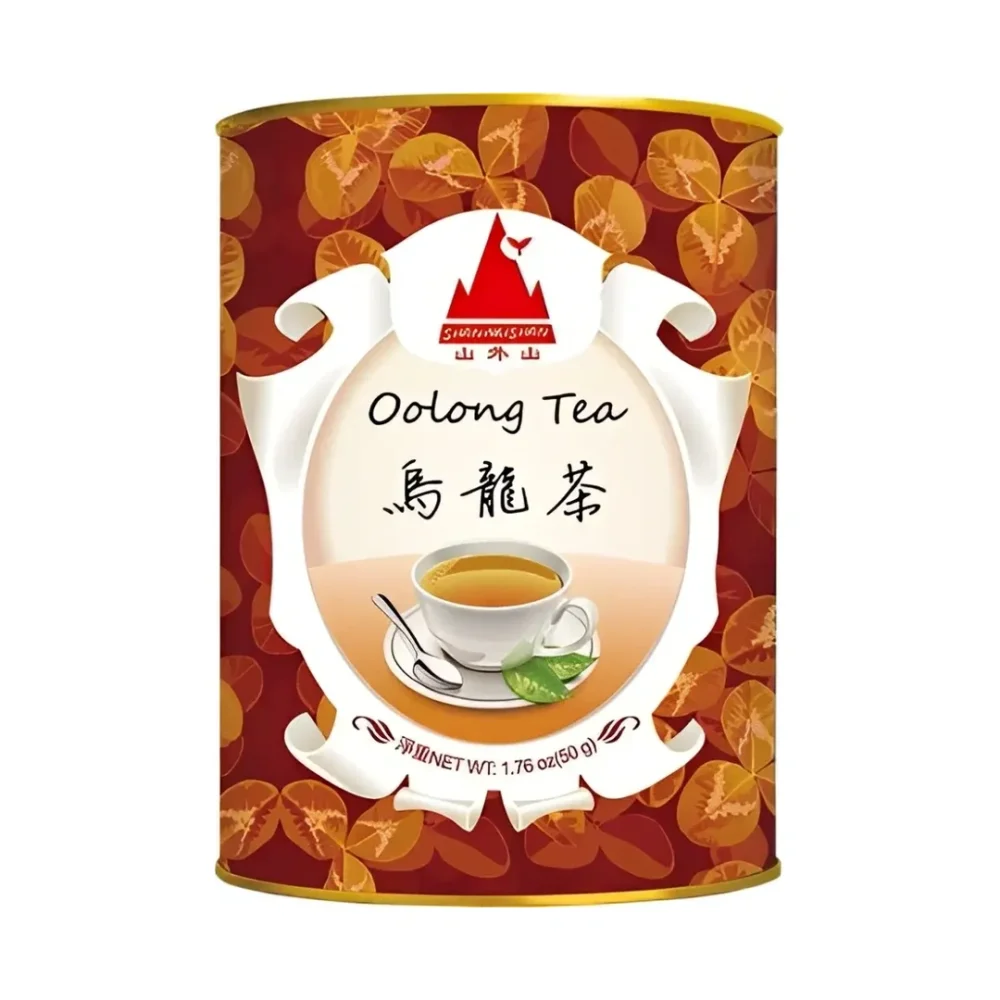
For drinks based on matcha, the practical rule is: do not overdo the sweetness. Matcha works best when its umami and gentle bitterness remain perceptible and the sweet component balances rather than overwhelms.
5) Quick orientation by food: two simple questions
When in doubt, ask yourself two questions at home before the first sip:
- Is the food mainly umami/salty (soy, miso, dashi), mainly sweetly glazed (mirin/sugar), or distinctly sour?
- Do I want the drink to enhance the flavor or to lighten it?
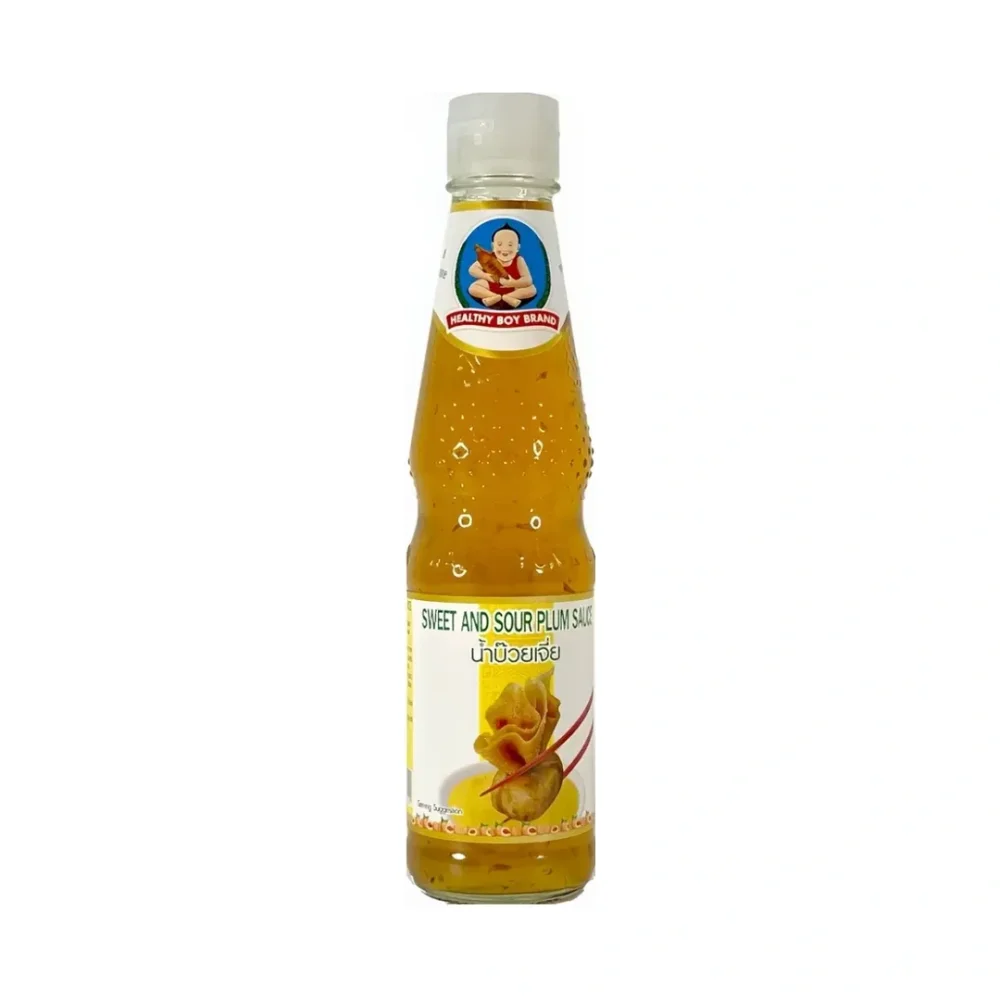
If you want to enhance umami and delicacy, sake often fits. If you want to lighten or avoid alcohol, a pure tea accompaniment is usually a safe choice. And if the dish is based on a sweet and sour sauce, be especially careful that the drink doesn’t become another "sweet layer" – a typical example is the plum sweet and sour profile in sauces and dips, which can work well with spring rolls; illustratively Dek Som Boon plum sweet and sour sauce.
Common mistakes: substitutions, replacements, and excessive sweetness
- "Sake = wine, so I'll pair it like white wine." Sake doesn’t have the same type of acidity as grape wine and often feels softer. If you choose a too acidic framework for a delicate dish, you might ruin what sake is supposed to enhance (delicacy, umami line).
- Confusing sake and mirin. In Japanese cuisine, they are often used together but they don’t do the same thing. Sake is a delicate alcoholic base and aroma carrier; mirin is key for sweetness, rounding, and shine.
- Replacing mirin with sugar alone. Sugar sweetens but can’t fully replicate what mirin does to the surface of the ingredient and the sauce integration. For dishes meant to be glossy and gently sweet (teriyaki, glazed fish, delicate broths or sauces), results with sugar often feel "rougher."
- Mixing up sour components: vinegar is not mirin and rice wine is not vinegar. Although the bottles look similar, they work differently in recipes and taste. If you feel the dish lacks "liveliness," sometimes a few drops of rice vinegar help more than extra salt – but that’s a different kind of intervention than adding mirin or sake.
- Excessive sweetness in modern drinks. In matcha latte and related drinks, sweetness and milk can easily "smother" the matcha profile. If the drink is part of a pairing, keep the sweetness more as a corrector, not the main flavor.
What to take away from the article
- Sake doesn’t behave like regular wine: it’s gentler, with cereal and umami notes and without the typical "winemaker" acidity – this is the key to why it often pairs well with Japanese umami profiles.
- Mirin is not just a sweetener: it provides rounding, shine, and integrates the sauce with the ingredient; in many Japanese dishes it can’t be simply replaced by sugar.
- Sake and mirin are often used together (e.g., with soy sauce and sometimes sugar) – and this logic also reflects in what feels natural at the table.
- Acidity in Asian cuisine isn’t uniform: vinegar, citrus, and tamarind have different effects, which changes how you will perceive the drink.
- Tea and modern drinks aren’t "replacements": in pairing they often help lighten and cleanse the palate – just be careful with sweetness so it doesn’t overpower the food.

Read next
If you want to explore this topic further, continue with these related blog guides and articles:
