


 Česky (CZK)
 Slovensky (EUR)
 Deutsch (EUR)
 Austria
 Belgium
 Bulgaria
 Croatia
 Denmark
 Estonia
 Finland
 France
 Germany
 Greece
 Hungary
 Italy
Italy Latvia
 Lithuania
 Luxembourg
 Netherlands
 Poland
 Portugal
 Romania
 Slovenia
 Spain
Spain Sweden










Sake and Asian Alcohol for Beginners: What Is What, Why It Gets Confused, and How to Use It in Cooking
“Rice wine” sounds simple, but in Asian cuisine, this term covers several different things – and mixing them up in recipes creates unnecessary confusion. In this guide, you'll clarify what sake is, what mirin is, why they are often used together, and how to practically incorporate them into home cooking to make dishes more delicate, refined, and harmoniously flavored.
Why There Is So Much Confusion Around “Rice Wine”
In the European context, sake is often automatically referred to as rice wine. However, alongside sake, you commonly also find mirin and various Chinese rice wines / cooking wines. Bottles can look similar, names get mixed up in translations, and one can easily make a wrong step: pouring something other than what the recipe intended into the sauce.
To start, it's useful to keep a simple orientation:
- Sake: a standalone fermented rice drink, which adds delicacy in the kitchen, carries aroma, and helps “smooth” sauces.
- Mirin: a Japanese seasoning that, in addition to sweetness, provides flavor rounding and a characteristic shine (glaze).
- Chinese rice wines and cooking wine: a different category than mirin; they behave differently in recipes, so it's not worthwhile to treat them as interchangeable.
An important warning that will save a lot of mistakes right from the start: mirin is not vinegar and rice wine is not vinegar. Bottles may have similar shapes, but they serve completely different roles in recipes.
Sake: why it's not accurate to treat it as a common wine
Sake is often described as rice wine because it may appear as such in the glass and in commercial terminology. Technologically, however, it's more precise to understand sake as a standalone fermented rice drink, where starch is first converted into sugars and only then into alcohol. This is important for cooking mainly because of the flavor expectations.
When you hear “wine,” you might expect acidity similar to grape wine. Sake, however, typically works differently:
- it is more delicate,
- does not have the same type of acidity as common wine,
- brings a grainy, mildly sweet and umami note,
- and in the kitchen often acts softer than many Western wines.
🍳 What Role Does Sake Have in Cooking
In cooking, sake is not used to “intoxicate” the food but because it can improve the final taste and aroma:
- it helps carry aroma,
- it can soften the smell of meat and fish,
- adds depth without heavy sweetness,
- helps build sauces that are neither coarse nor aggressive,
- pairs well with soy sauce, mirin, sugar, miso paste and broth dashi.
Mirin: why it is so important for Japanese cuisine
Mirin is among the key Japanese seasonings. It is not just a sweetener and not just a “regular cooking alcohol.” Its main strength is that it brings not only sweetness to the food, but also:
- flavor rounding (a gentler, more refined impression),
- shine and a “lacquered” appearance of glazes and sauces,
- better linking of the sauce with the ingredient,
- and an overall softer result than using sugar alone.
Why mirin cannot simply be replaced by sugar
One of the most common mistakes is to take mirin as “sugar in liquid form.” Sugar does sweeten, but it cannot fully replicate what mirin does on the surface of the ingredient and in the sauce. Mirin is important especially where the food should appear:
- glossy,
- gently sweet,
- clean,
- without a coarse sweet “tail.”
You typically see this effect in styles like teriyaki, in simmered dishes like nimono, in glazed fish or in more delicate sauces for noodles and broths.
Sake and mirin as a pair: the logic of sauce bases (teriyaki, sukiyaki, nimono)
For a beginner, one practical thing is often more important than a definition: sake and mirin are often used together in Japanese recipes rather than as substitutes for each other. The reason is simple – each addresses a different part of flavor and texture.
Many home Japanese recipes follow the logic:
- saltiness and umami,
- a gentle alcoholic base (aroma and smoothing),
- mild sweetness and shine.
Therefore, the combination repeatedly appears:
- soy sauce,
- sake,
- mirin,
- and sometimes sugar.
This quartet (in various variations) is the basis for many dishes – from teriyaki through sukiyaki to simple glazed or stewed preparations where you want a clean, connected sauce, not just a “salty liquid.”
How to Start with Asian Alcohol at Home (Practically and Without Unnecessary Shortcuts)
If you want to start simply, treat sake and mirin as two different “functions” in a recipe. Sake helps with aroma and delicacy, mirin takes care of rounding, sweetness, and shine. Only together do they give that typical refined result.
When does sake make the most sense in a recipe
- With fish and meat, where you want to soften the smell and make the taste cleaner.
- In sauces, where sake helps carry the aroma and “round out” the saltiness of soy sauce.
- In combination with miso and dashi, where it supports softness instead of sharp edges.
How to start dosing when you do not know the recipe by heart
Without a specific recipe, it is safer to follow the principle of “adding in small steps”:
- Start with a smaller amount of sake, briefly cook it in warm preparation and taste what it did with the aroma.
- Add mirin so that the final taste is gently rounded and the sauce feels “finished” – not overly sweet.
- When the dish tastes flat, it often helps to refine first the sauce structure (mirin) and only then address “more salt” (soy sauce).
Practical tip: if the result feels coarse and sharp, it's usually a sign to soften and connect (sake/mirin) rather than add more salt.
If you don't want alcohol: Asian drink accompaniment often relies on tea
Not everyone wants (or can) cook or eat with alcohol. In such cases, it makes sense to follow the Asian way with drinks as well: modern Asian beverages often rely on a tea base, sometimes using ice, milk, and distinct textures, but tea remains a stable and universal choice.
If you want a simple start, reach for matcha and make a classic drink or latte – it also works as a “green” contrast to more strongly flavored dishes. Specifically, you can try Tian Hu Shan Matcha Tea 80 g.
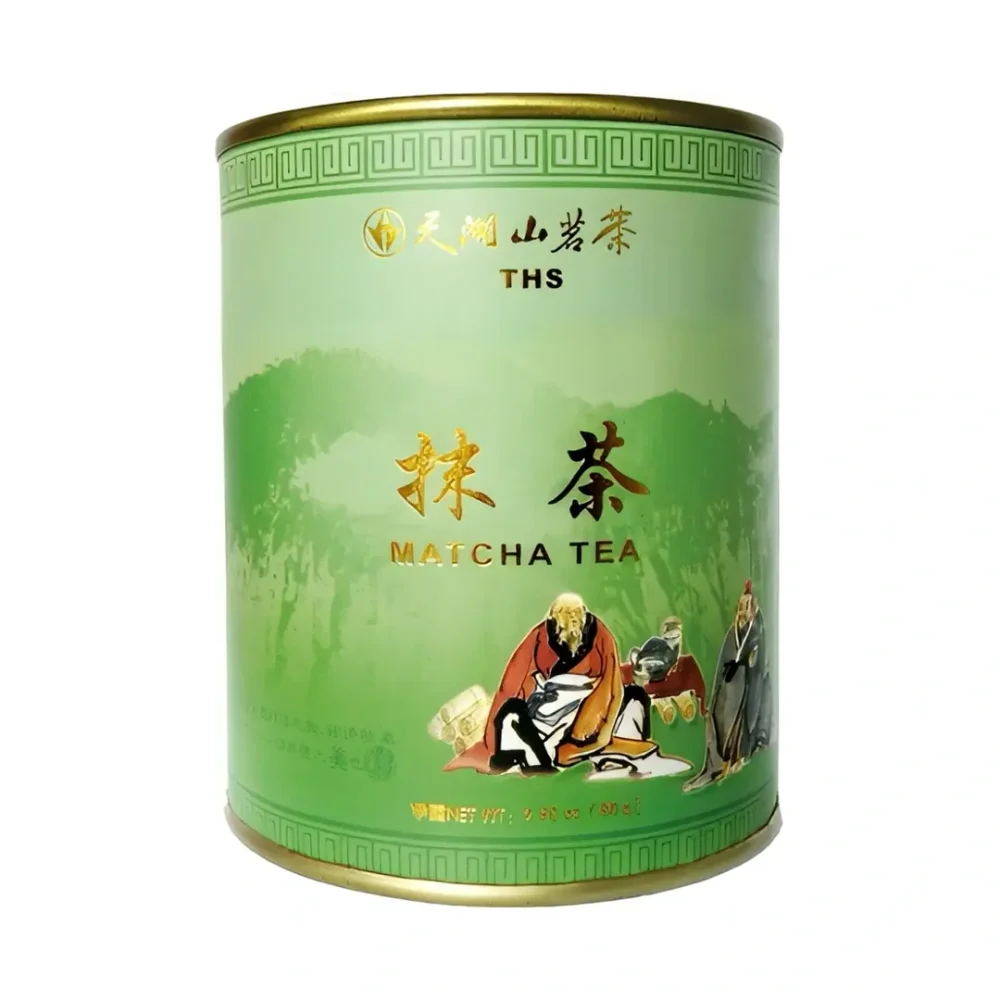
For further inspiration on non-alcoholic accompaniments, you can browse the indexes Drinks and Teas.
Common mistakes (and why they lead to a "weird" taste)
- Mistaking sake for regular wine: when you expect "wine-like" acidity and replace sake with grape wine, you often get a sharper and less Japanese delicate result. Sake has a different flavor profile and is softer in sauces.
- Replacing mirin with sugar: sugar sweetens but does not provide typical rounding and gloss. The result can then be sweet but "rough" or with an unpleasant sweet aftertaste.
- Using mirin instead of Chinese cooking wine (and vice versa): although both are sometimes simplistically classified as "cooking alcohol," they do different jobs in recipes. When the recipe calls for a typical Japanese glaze (e.g., teriyaki style), mirin is a functional part of the result.
- Confusing with vinegar: neither mirin nor rice wine is vinegar. Vinegar handles acidity and pickling; mirin and sake provide smoothness, integration, aroma, and mirin also adds gloss.
- Too large an amount at the very beginning: for delicate sauces it pays off to add gradually and taste. Both sake and mirin should be tools for smoothing and harmony, not dominant flavors.
What to take away from the article
- Sake is more accurately understood as a separate fermented rice beverage; in cooking, it adds delicacy, carries aroma, and helps soften the scent of meat and fish.
- Mirin is not just a sweetener: it creates flavor rounding, gloss, and better integration of the sauce with the ingredient.
- In Japanese cooking, sake and mirin often work as a pair – typically together with soy sauce (and sometimes sugar) forming the base for teriyaki, sukiyaki, and a range of braised or glazed preparations.
- Don't confuse "rice wine," mirin, Chinese cooking wine, and vinegar: similar names and bottles do not mean the same function in a recipe.
- When in doubt, start with smaller amounts and adjust the taste gradually – the goal is a smooth, integrated result, not overpowering the ingredient.

Read next
If you want to explore this topic further, continue with these related blog guides and articles:
