

 Česky (CZK)
 Slovensky (EUR)
 Deutsch (EUR)
 Austria
 Belgium
 Bulgaria
 Croatia
 Denmark
 Estonia
 Finland
 France
 Germany
 Greece
 Hungary
 Italy
Italy Latvia
 Lithuania
 Luxembourg
 Netherlands
 Poland
 Portugal
 Romania
 Slovenia
 Spain
Spain Sweden










Storage and Shelf Life of Asian Ingredients
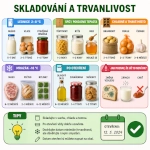
This guide focuses on practical storage and shelf-life basics for common Asian pantry staples and refrigerated items, helping you understand what affects freshness, how to handle opened packages, and how to keep ingredients in good condition for cooking.
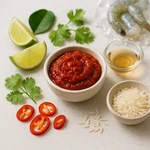
What belongs in the fridge, pantry, and freezer: a practical system for Asian ingredients
For Asian ingredients, the simple rules of "this goes in the fridge" and "this is shelf-stable" often don’t apply. Some things may still be safe to eat but taste worse, while others don’t lose flavor but moisture ruins their texture. This article provides a practical way to sort ingredients at home into pantry, fridge, and freezer so they last longer and cooking consistently turns out better.
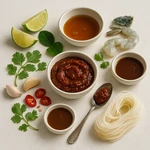
How to store sauces, pastes, and noodles: so they don't lose flavor or texture
For Asian sauces, pastes, and noodles, it's often not about whether they are "still edible." Much earlier, their aroma, flavor purity, or texture can change – and thus affect the overall outcome of the dish. The article provides a practical system for storing opened sauces and pastes at home, what to watch for with dried noodles, and how to avoid the most common mistakes.
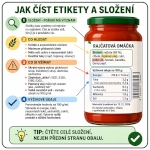
For related reading, see How to Read Labels and Ingredients to understand date markings and storage notes, How to Choose Soy Sauces for differences that can influence keeping quality after opening, and How to Choose Tofu and Soy Products for handling and storage considerations.