


 Česky (CZK)
 Slovensky (EUR)
 Deutsch (EUR)
 Austria
 Belgium
 Bulgaria
 Croatia
 Denmark
 Estonia
 Finland
 France
 Germany
 Greece
 Hungary
 Italy
Italy Latvia
 Lithuania
 Luxembourg
 Netherlands
 Poland
 Portugal
 Romania
 Slovenia
 Spain
Spain Sweden










What belongs in the fridge, pantry, and freezer: a practical system for Asian ingredients
For Asian ingredients, the simple rules of "this goes in the fridge" and "this is shelf-stable" often don’t apply. Some things may still be safe to eat but taste worse, while others don’t lose flavor but moisture ruins their texture. This article provides a practical way to sort ingredients at home into pantry, fridge, and freezer so they last longer and cooking consistently turns out better.
Why storage matters more for Asian ingredients than it seems
Storage is not just "maintenance after cooking." Asian cuisine has many basics built on fermentation, drying, salting, pickling, working with moisture, and aromatic oils. Because of this, many ingredients appear stable at first glance – but their quality can change faster than you expect.
A typical example: soy sauce usually doesn’t spoil immediately after opening, but without cold and protection from light, it can lose freshness and change color faster. Miso is a very stable paste, but it darkens in warmth and its flavor shifts. And dried seaweed or rice papers can remain edible for a long time, but moisture destroys their texture.
Practically, this means that for many products there are three different states: the ingredient is still safe to eat, then it gradually loses aroma/freshness/structure – and only after that can it truly be spoiled.
Basic orientation: safety, quality, and texture are not the same
The fastest way not to get lost in this is not to decide only by "it's salty, so it lasts" or "it's open, so it must go in the fridge." For Asian ingredients, it pays to distinguish three questions:
- Safety: is it still safe to eat?
- Quality: does it still taste and smell as it should?
- Texture: does it retain the structure I expect?
The whole logic of pantry/fridge/freezer is based on these differences. Some things are safe for a long time but lose quality quickly (typically aromatic and oily ingredients). Others are safe but a bit of moisture ruins their texture (seaweed, rice paper). And then there are items that must be handled disciplinedly mainly for safety reasons – primarily including cooked rice.
Pantry (dryness and darkness): what belongs here and how to extend shelf life
The pantry usually holds everything that is unopened and at the same time stable: rice, dried noodles, starches and flours, dried mushrooms, spices and dry mixes, unopened cans and cartons, unopened seaweed and snacks, and also some unopened sauces (according to manufacturer recommendations).
The pantry must meet basic conditions: dryness, darkness, stable temperature. The biggest enemies of dry ingredients are not dramatic "spoiling overnight," but moisture, odors, and pests.
Dry basics: rice, dried noodles, starches, and legumes
Rice is relatively stable but needs dryness, a well-sealed package or a tight container, protection from insects and odors, and ideally a not too warm place. With aromatic varieties (typically jasmine rice), it’s a shame when poor storage causes them to lose aroma. Sticky or special rice is also unpleasant when it absorbs moisture over time and then behaves differently when cooked.
Dried noodles mainly need dryness and protection from breakage. Moisture ruins structure – in extreme cases, mold or mustiness can develop. A common mistake is transferring to a container that looks nice but doesn’t seal well.
Starches and flours (e.g., tapioca or corn starch) easily absorb moisture and clump. It’s not just aesthetics: poorly stored starch doesn’t work as well when thickening or coating.
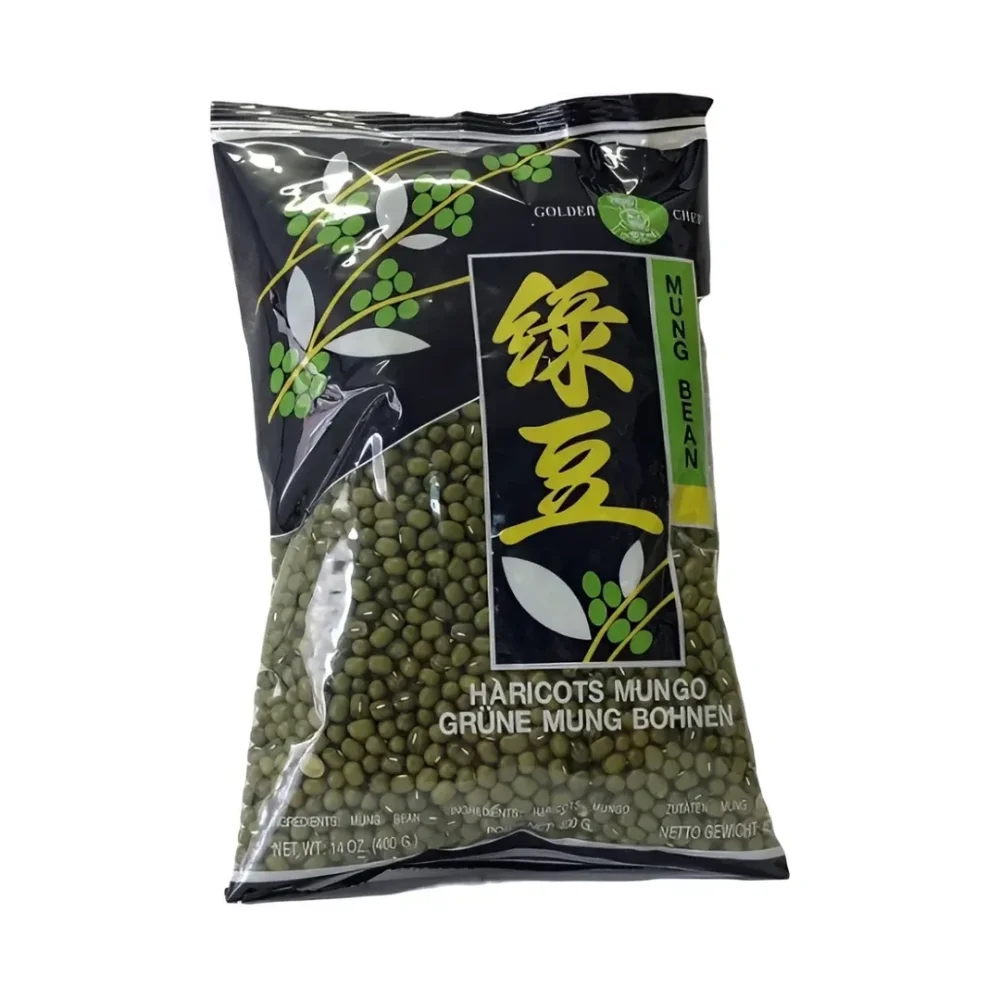
As an example of a "pantry" ingredient that likes dryness and calm, imagine Golden Chef mung beans – they work great when well sealed and kept away from moisture and odors.
Spices, dry mixes, dried mushrooms, seaweed, and rice paper
For these ingredients, safety is often not the deciding factor, but texture and aroma. Moisture can degrade them even when they are still "edible."
- Dried seaweed and similar crunchy items quickly become damp and lose structure.
- Rice papers can be usable for a long time, but a poorly sealed package causes them to soften, ripple, or stick together. If you use rice papers often, it makes sense to follow one rule: after opening, always close carefully and protect from moisture. (Relevant assortment: rice paper.)
Unopened sauces, vinegars, cans, and cartons: when a pantry is enough
Unopened sauces and vinegars often belong in the pantry – but not according to a universal impression. It’s important to combine three things: the nature of the product, whether it is opened, and manufacturer's specific recommendation.
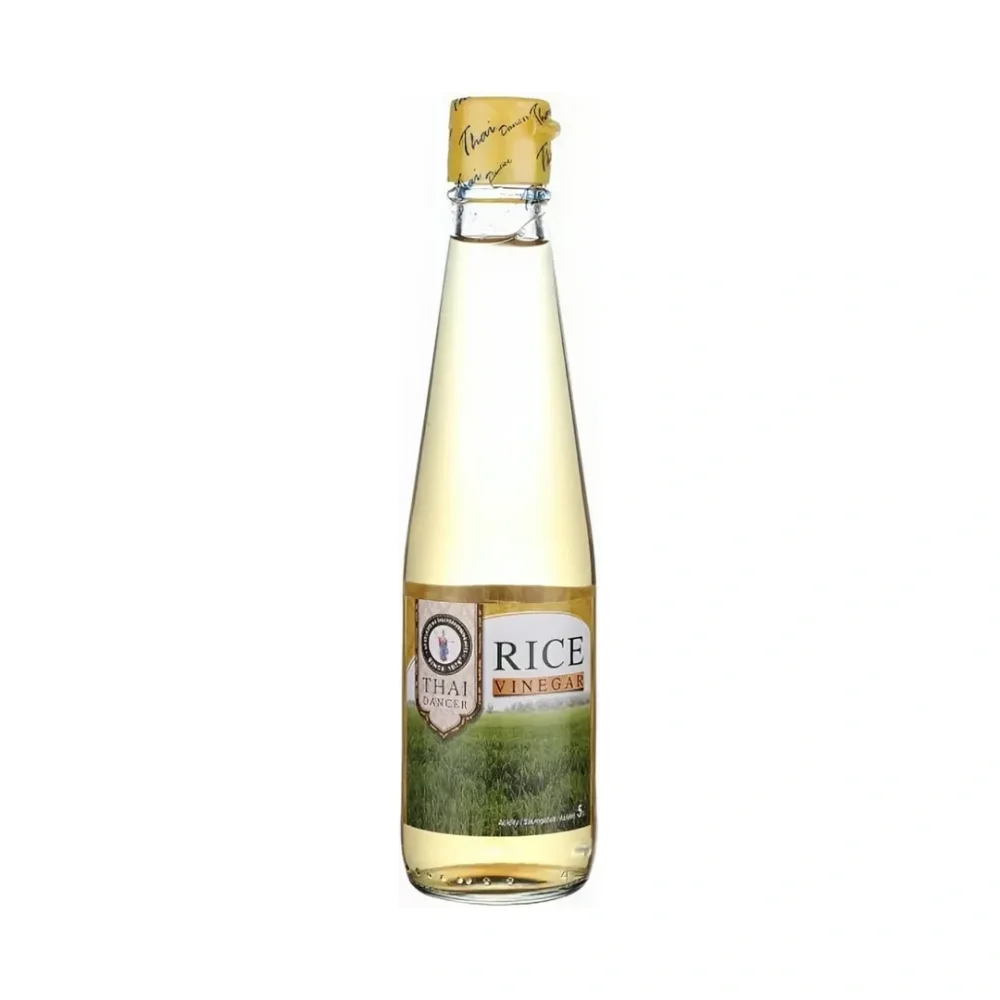
As a practical example of a "pantry" acidic ingredient, rice vinegar can be taken – it typically works well when closed and kept out of light and heat. Specifically, Thai Dancer rice vinegar.
Fridge: what is worth refrigerating after opening (and why)
The most common home mistake is either overcooling everything without thinking, or on the contrary, leaving opened products at room temperature just because "they are salty and last." The fridge often doesn't just solve safety – it very often mainly slows down loss of aroma, oxidation, and gradual flavor deterioration.
After opening, the fridge often makes sense mainly for: miso, tofu and fresh soy products, fresh noodles and wrappers, opened coconut milk, kimchi and other chilled fermented side dishes, some chili pastes and table sauces – and very often also soy sauces and other flavorings to preserve quality.
✨ Pastes and spicy seasonings: cleanliness, sealing, and stable flavor
For pastes and sauces, a simple rule applies: after opening, try to maintain cleanliness (no "licked" spoons and putting back), close the ingredient well and if you want stable flavor, move it to the cold.
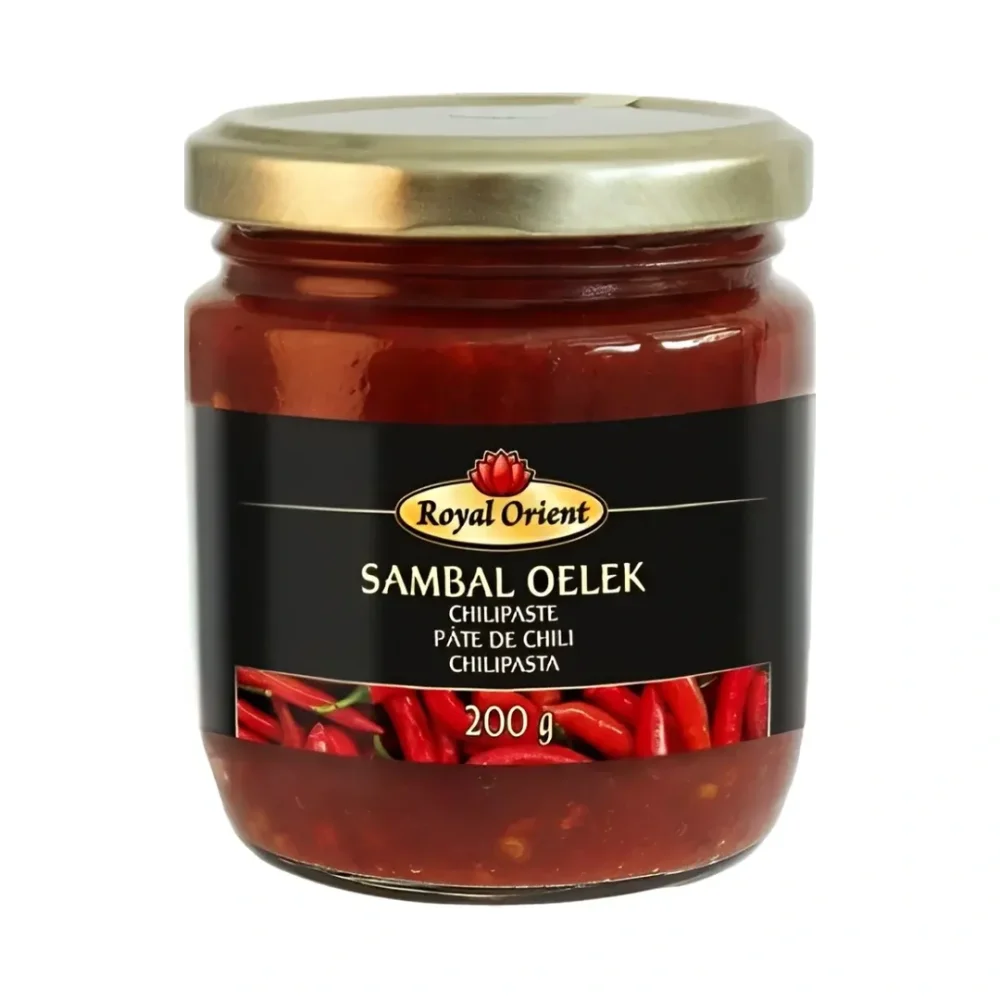
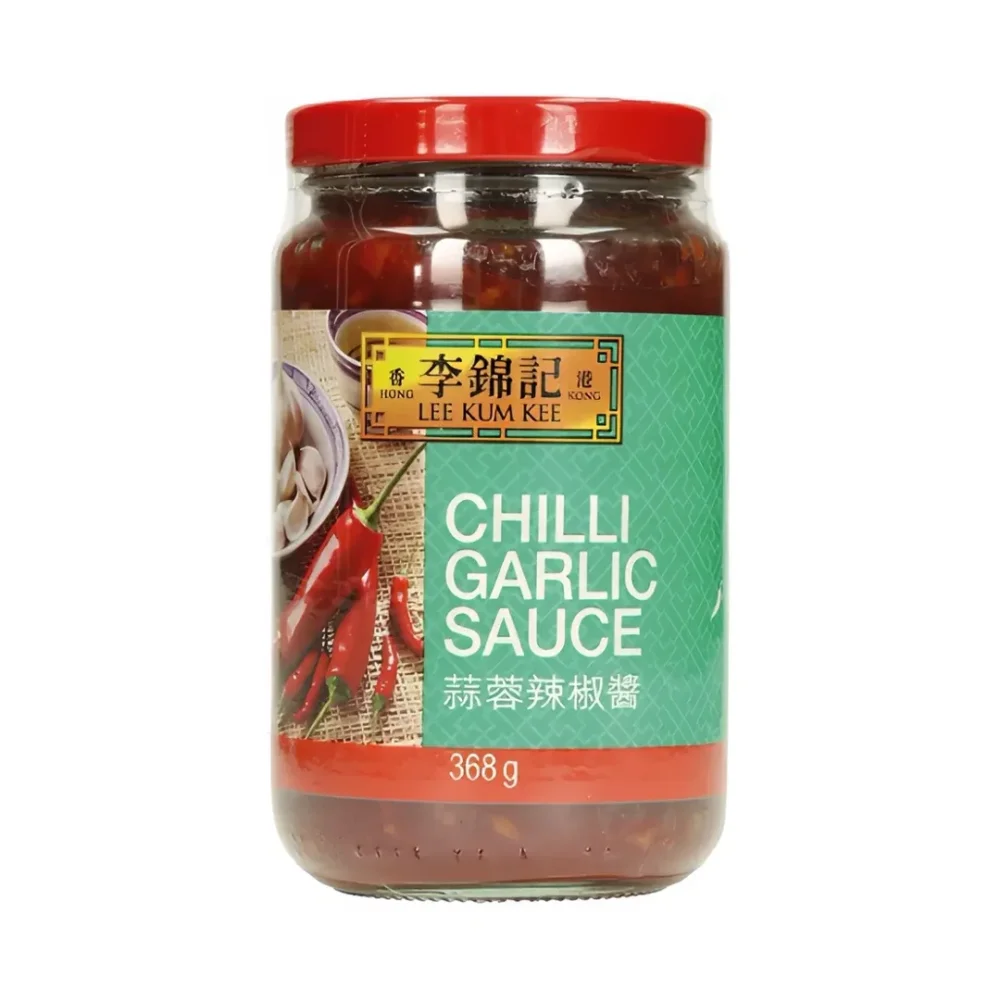
This logic fits well with chili pastes and table chili sauces. If you want pure heat for noodles, soups, or marinades, a typical representative is Royal Orient Sambal Oelek. On the other hand, for ready table sauces, often used as dip or quick seasoning, refrigerating after opening also makes sense to keep the flavor changing as slow as possible – an example might be Lee Kum Kee garlic chili sauce.
Fermented “umami” pastes: stable but sensitive to heat and time
Fermented pastes are usually stable, but their taste and color shift in warmth. Miso is noted as very stable at the source, but darkens in heat and flavor changes. Similarly, it's useful to think about other intense pastes: the fridge is often less about "survival" and more about "tasting like at the start."
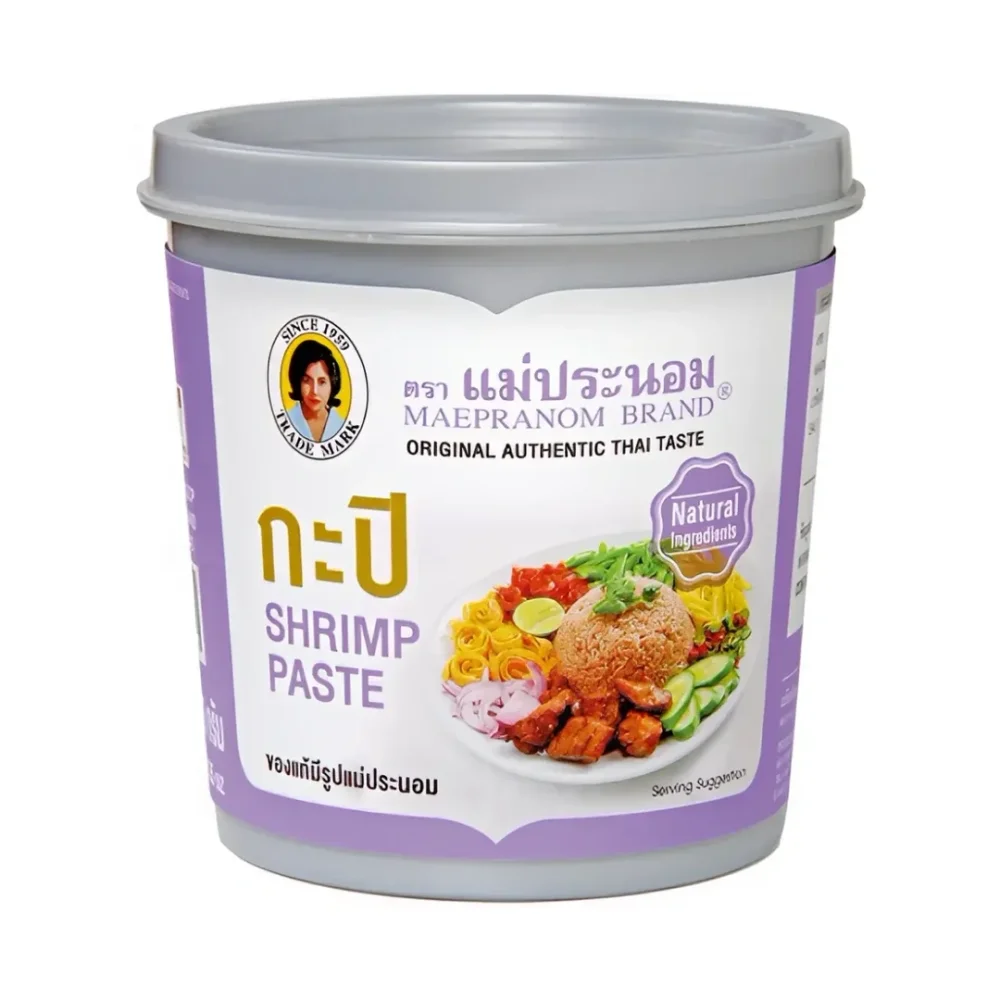
If you use strong sea pastes at home for curry, sauces, or stir-fry, expect them to be concentrated seasonings you want to control. A practical example is Maepranom shrimp paste – a type of ingredient where clean handling and good sealing are key because you use it in small amounts.
Why soy sauce is often refrigerated
Soy sauce is a good model example of the difference between safety and quality: it usually doesn’t spoil immediately after opening, but without cold and light protection it can lose freshness and change color faster. If you use it slowly, the fridge makes sense as a "quality preservative."
Opened coconut milk and chilled side dishes: handle quickly and disciplined
For opened coconut milk and generally for chilled fermented sides (typically kimchi), the fridge is no longer optional but a practical necessity. From a home routine perspective, one thing helps: after opening, have a clear place where these items belong so you don’t let them "sit a while" at room temperature.
The freezer as an underestimated part of the Asian pantry
The freezer is often underused for Asian ingredients but can solve the most common problem in home cooking: you buy aromatic or paste-based ingredients but use them in small amounts.
It makes sense mainly for:
- portions of lemongrass, galangal, and leaves,
- curry pastes divided into smaller portions.
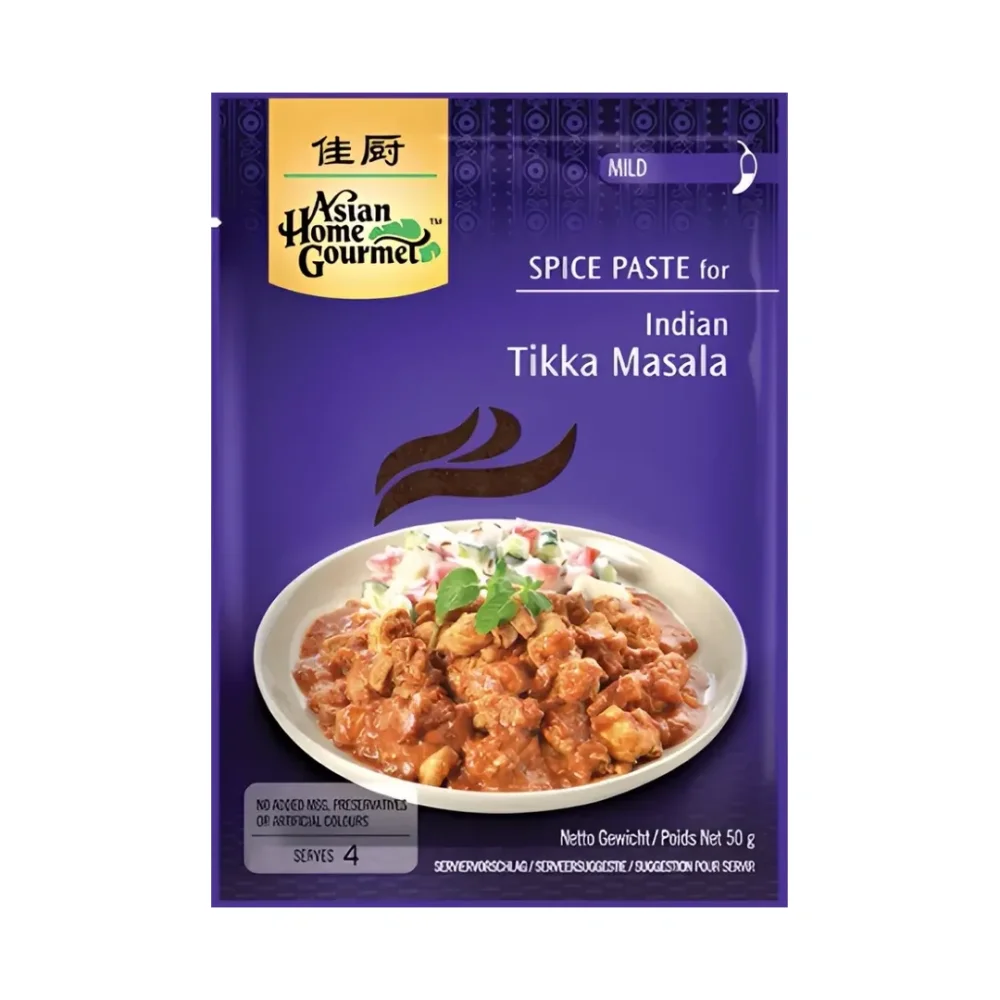
Practically: if you know you won’t use the paste quickly, divide it immediately after opening into small portions (for example "for one cooking session"). For blends like AHG Tikka Masala paste this can be the difference between taking it out five times or having a forgotten open remainder after a month.
🍳 How to decide in practice: a simple routine for your home kitchen
When in doubt whether something belongs in the pantry, fridge, or freezer, try this order:
- Is it opened? For many sauces and pastes, the fridge makes sense after opening just for quality (even though it might "survive" outside).
- Is it dry and crunchy, or aromatic/oily? Protect dry things mainly from moisture. Protect aromatic and oily things from light, heat, and air.
- Is it something I use in small amounts? Then handle hygiene (clean scooping) and either fridge or portioning into the freezer.
- What does the manufacturer’s specific recommendation say? For "borderline" items (some sauces, pastes, ready flavor mixes), this is the most reliable anchor.
One practical detail that makes a big difference: keep opened pastes and sauces clean and well sealed. For ingredients you scoop often, quality is lost not only by time but also by repeated air and mess contact at the jar neck.
And one more important note: with cooked rice be more careful than with other side dishes. From a safety perspective, it belongs among things you must handle quickly and disciplinedly – practically, don’t let it sit unnecessarily long and have a clear routine for when to store it and when not to use it anymore.
Most common mistakes (and how to fix them quickly)
- "I put everything in the fridge, so I can't spoil anything." The fridge can help maintain quality, but for some dry items, moisture and odor absorption is more of a risk. The cold is mainly for things sensitive to flavor changes after opening or naturally refrigerated/fresh items.
- "It’s salty/fermented, so it can stay open outside." It will often be safe, but quality will decrease: typically soy sauces, miso, or aromatic pastes.
- Poorly sealing containers for noodles and starches. Moisture and odors easily get in. If you transfer, the container must seal well – otherwise it’s better to tightly close the original packaging.
- Seaweed and rice papers "somehow" closed with a clip. Often a few days of moisture ruins their texture. Minimizing the time opened and sealing very carefully helps.
- Unclean scooping of pastes. Repeated "taste and return" can shorten usability more than storage itself.
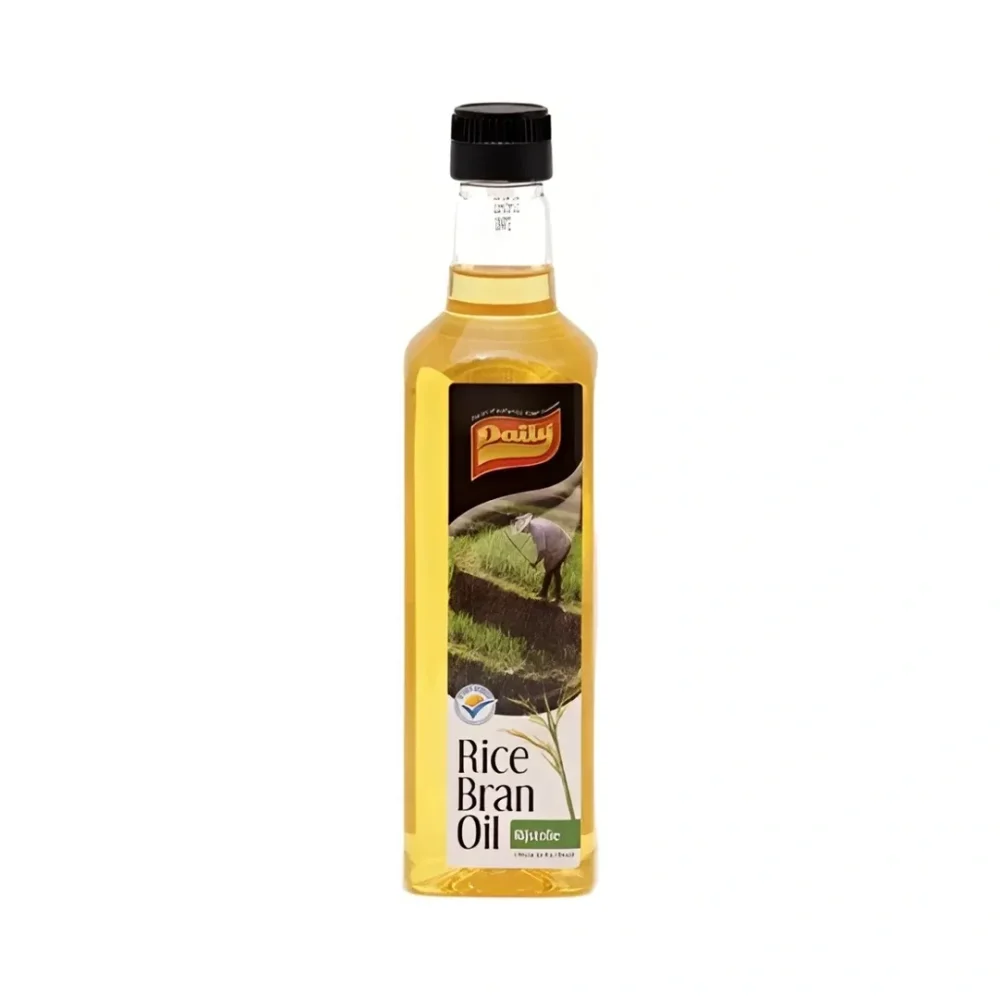
- Storage near the stove or in the light. Heat and light are silent destroyers especially for aromatic and oily things. Even a delicate oil like Daily rice oil deserves a stable place away from direct heat and light if you want it to retain its pure taste.
What to take away from the article
- Don't try to remember dozens of isolated rules. Understand the principle: safety, quality, and texture are three different things.
- Protect dry goods from moisture (rice, noodles, starches, seaweed, rice paper).
- Protect aromatic and oily items from light, heat, and air – they often lose quality before they are "spoiled."
- Keep opened pastes and sauces clean and well sealed; refrigerators often primarily protect flavor.
- Handle chilled and cooked items quickly and responsibly; be cautious with cooked rice.
- Consider the freezer as part of the pantry: portioning aromatics and pastes reduces waste and increases the chance that you will cook "with good ingredients," not from leftovers on the edge of quality.

Read next
If you want to explore this topic further, continue with these related blog guides and articles:
