


 Česky (CZK)
 Slovensky (EUR)
 Deutsch (EUR)
 Austria
 Belgium
 Bulgaria
 Croatia
 Denmark
 Estonia
 Finland
 France
 Germany
 Greece
 Hungary
 Italy
Italy Latvia
 Lithuania
 Luxembourg
 Netherlands
 Poland
 Portugal
 Romania
 Slovenia
 Spain
Spain Sweden










How to store sauces, pastes, and noodles: so they don't lose flavor or texture
For Asian sauces, pastes, and noodles, it's often not about whether they are "still edible." Much earlier, their aroma, flavor purity, or texture can change – and thus affect the overall outcome of the dish. The article provides a practical system for storing opened sauces and pastes at home, what to watch for with dried noodles, and how to avoid the most common mistakes.
Storage is not a boring period after cooking. In Asian cuisine, which relies on fermentation, drying, salting, pickling, and aromatic bases, it determines whether the food will taste "right" even after the second and tenth use of the same ingredient. A typical situation: soy sauce usually doesn’t spoil immediately after opening, but without cold and darkness, it loses freshness faster. Miso is very stable but darkens and shifts its aroma when warm. And dried noodles last a long time, but moisture takes away their structure sooner than you'd expect.
Why with Asian ingredients you often don’t just deal with "good vs. spoiled"
For many Asian products (fermented sauces, pastes, dried ingredients), it is useful to think in three states:
- Is it safe for health (typically thanks to salt, fermentation, or low moisture).
- But it is no longer at its best form – losing aroma, freshness, "clean" flavor, or texture.
- Only then can it truly be spoiled (e.g., due to contamination, moisture, poor sealing).
This distinction is practical because it helps you: (1) avoid unnecessarily throwing away things that are just "tired," and at the same time (2) recognize when there's already a safety problem.
Basic orientation: safety, quality, and texture are not the same
Safety
For stable Asian bases (fermented sauces, salty pastes, dried noodles), safety is often "more resilient" than taste. The biggest risk usually doesn't come from the product "spoiling" overnight but from long-term poor handling: moisture with dry ingredients, dirty/wet spoon with pastes, undersealed bottle with sauces.
Quality
Quality is what you notice the fastest: sauce gradually darkens, aroma flattens, taste feels less precise. This is why for many liquid fermented seasonings darkness, cooler places, and careful sealing pay off – and for some types, refrigeration if you use them slowly or want them to be good even for final seasoning.
Texture
Texture is critical mainly for dried items. Dried noodles or starches don't "spoil dramatically" microbiologically, but moisture takes away their properties: noodles can become musty, lose structure, and in extreme cases mold. In starches, moisture shows as clumps and poor cooking performance.
Three product worlds, three different storage regimes
1) Fermented liquid sauces and seasonings
This typically includes soy sauce or fish sauce: stable due to salt and fermentation, but after opening they easily lose peak form if left warm, in light, or with a loosely closed cap. A practical signal of quality deterioration is gradual darkening and "tired" aroma.
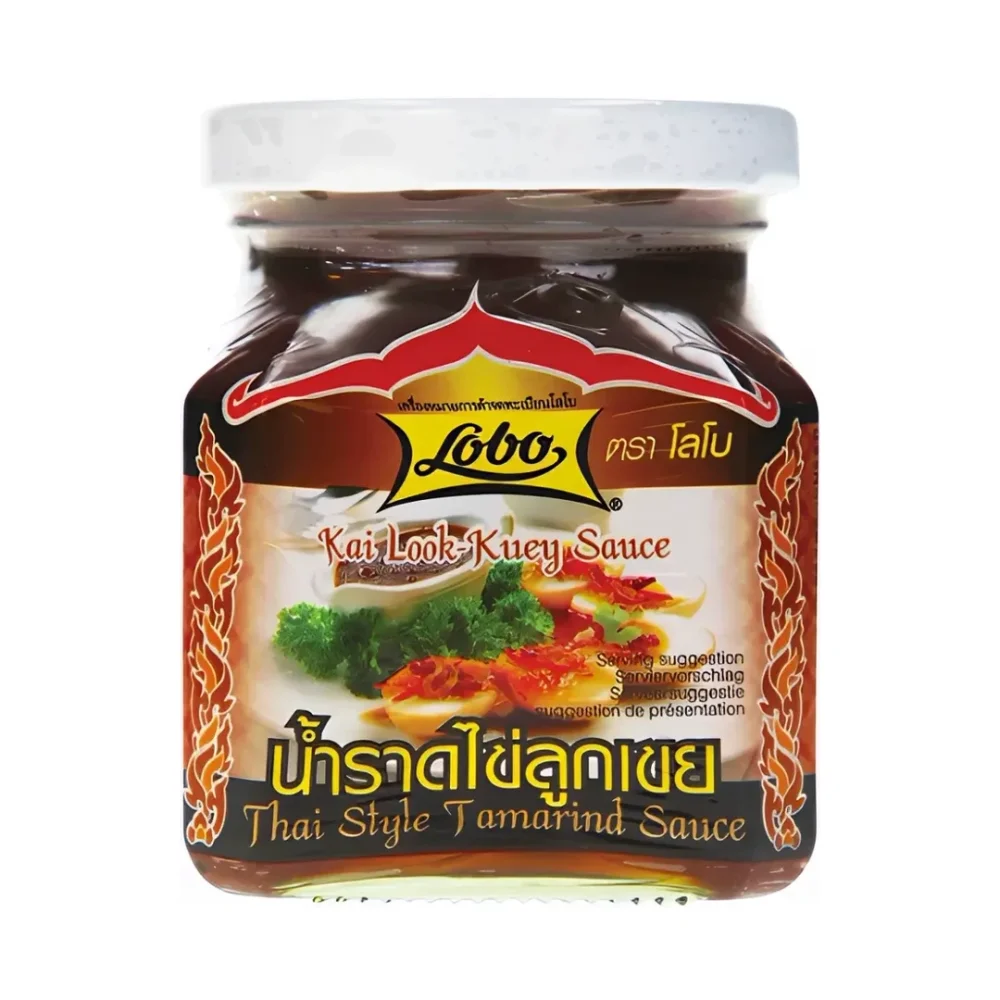
In practice, this group often also includes other liquid seasonings you want to keep vivid and clean – for example sweet and sour tamarind sauce for Thai style (Thai style tamarind sauce), where a clear contrast of flavors is important for the dish's result.
2) Fermented pastes (miso, gochujang, doenjang, chili pastes...)
Pastes are a "different league" than liquid sauces: they are more concentrated, often more stable, but sensitive to drying out, oxidation (contact with air), darkening and especially contamination by a dirty or wet spoon.
A typical example is miso: naturally durable but flavor-wise lively. When warm it darkens and shifts its aroma, so after opening refrigeration, limiting air contact, and using a clean spoon make sense. A practical detail worth remembering: miso tolerates the freezer well and often doesn't freeze to a hard block, so it can still be taken out relatively well.
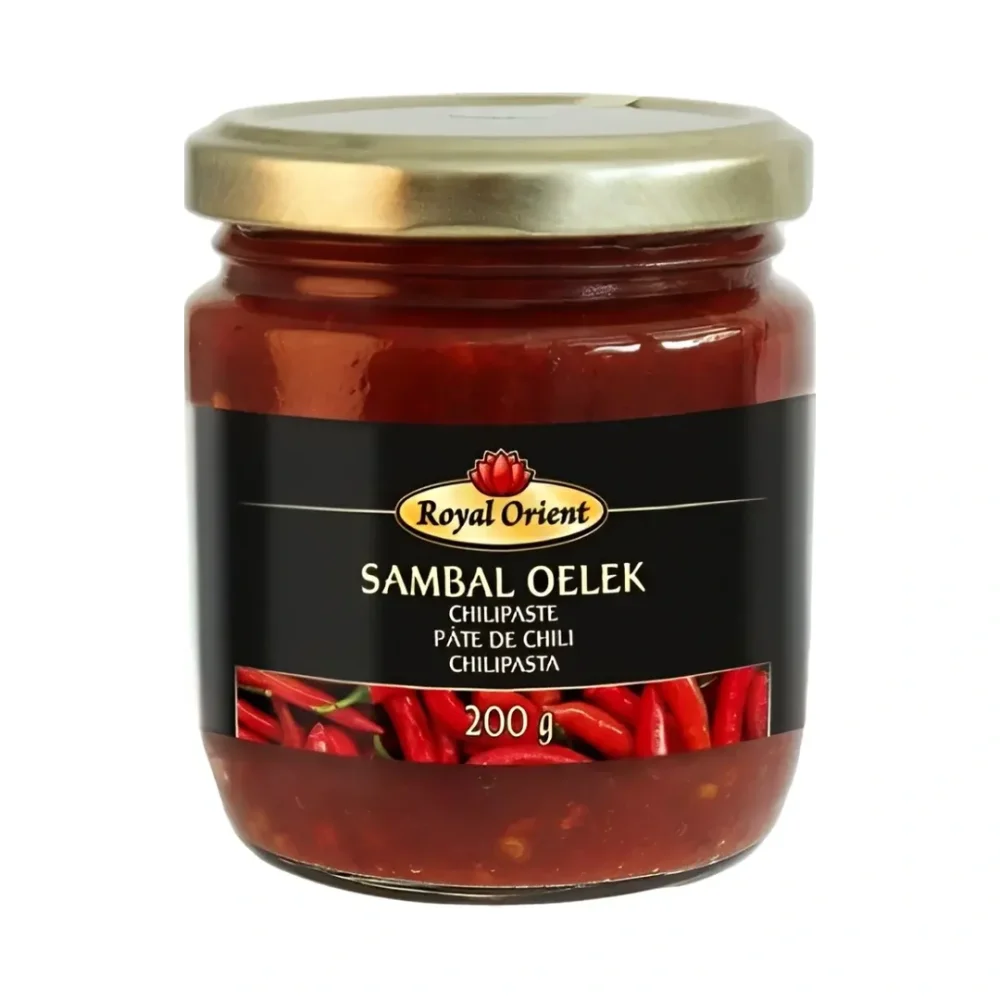
For chili pastes, it's also good to know that "something red with chili" is not always the same: sometimes you seek clean spiciness, other times fermented depth. For clean, simple seasoning (without the sweet profile of table sauces), sambal oelek style is typical – for example Sambal Oelek chili paste.
🍜 3) Dry ingredients: dried noodles
Dried noodles seem carefree but are sensitive to three things: moisture, odors and breaking. Moisture takes away structure and can lead to mustiness or (in extreme) mold. A frequent problem is transferring noodles to a container that looks good but seals poorly – then noodles slowly "soften" before cooking.
It's also good to keep in mind that "Asian noodles" are not one thing: wheat, rice, buckwheat, starch (glass), and special variants differ in elasticity and behavior in dishes. And although you primarily handle this during cooking, it impacts home practice: more fragile types you want to store so they don't become crumbs, and noodles meant for broth you want in condition so they hold shape.
🍽️ Practical home system: where to put what after opening and how to work with it
If you want to simplify the home "Asian pantry," keep one thought: the goal is not just durability but also maintaining flavor and usability.
✨ Liquid sauces: dark, cool, and disciplined sealing
- Close immediately after use: even a small "under-sealing" speeds up aroma fatigue.
- Don't leave long on the counter: heat and light are a common reason why a sauce tastes flat after a while.
- A fridge makes sense for slow consumption: especially if you want the sauce to be good even for final seasoning, not just "in the pot."
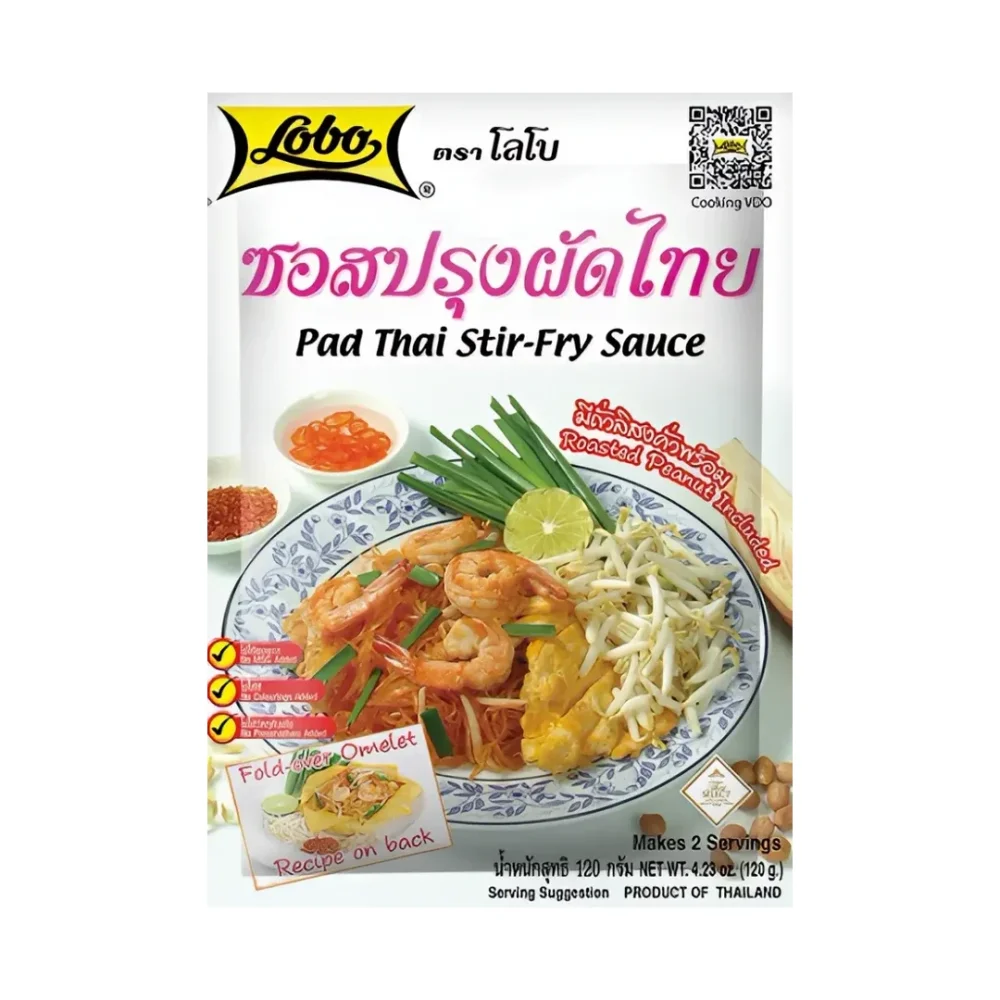
If you make dishes like pad thai, where sauce and timing are key, seasoning quality shows quickly. For a ready pad thai mix, it's practical to keep it stable and well-closed – for example Pad Thai peanut sauce open it, take what you need, and immediately return it to the "dark and cool" regime.
Pastes: clean spoon, limit air, and work with surface
- Always with a clean and ideally dry spoon: contamination is the most common way to ruin the entire paste package.
- Minimize air contact: pastes like to dry out on the edges and change aroma; helps not to leave them open unnecessarily long.
- Prefer refrigeration after opening: especially for fermented pastes (miso, gochujang, doenjang, doubanjiang) and aromatic mixtures.
For some pastes, having approximate dosing is useful so you don't take too much unnecessarily (and prolong open time during "rescue seasoning"):
- Chili pastes like sambal oelek: start with a really small amount (tip of a teaspoon to about half a teaspoon per serving) and add gradually.
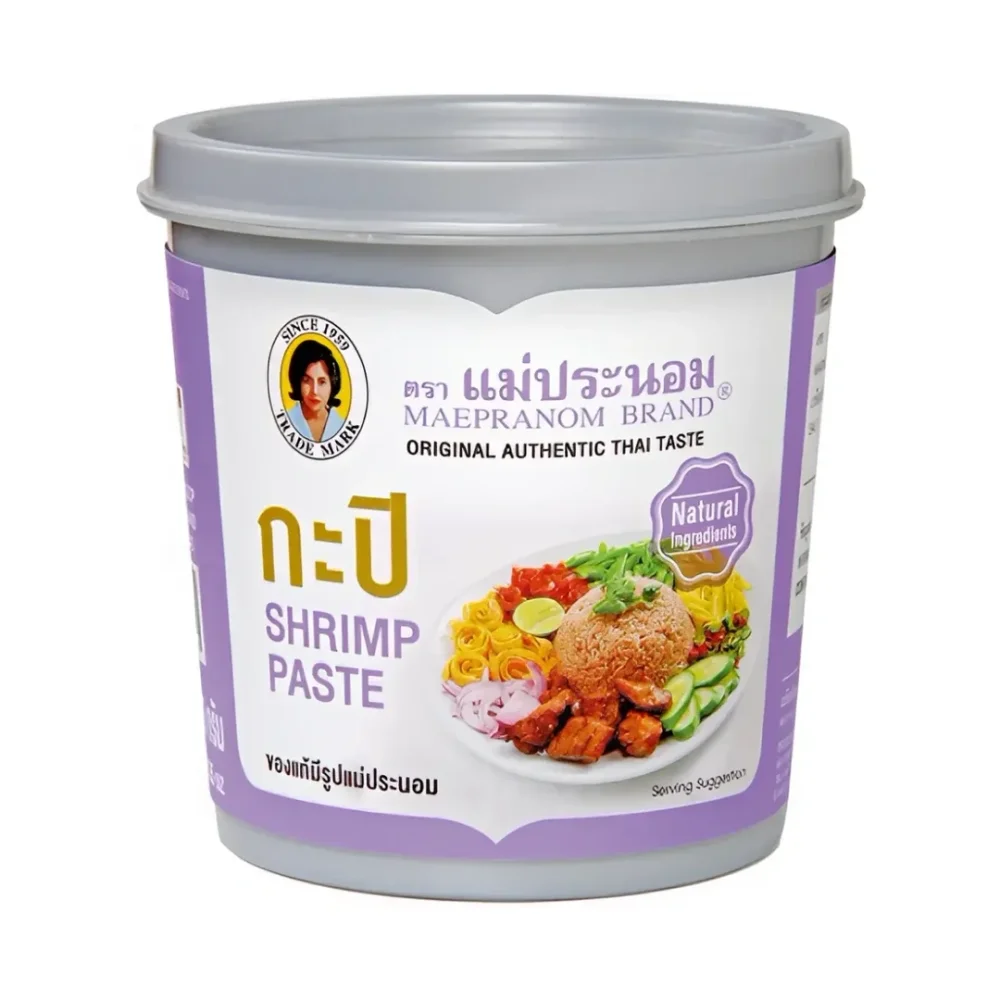
- Concentrated sea pastes: shrimp paste is typically so intense it's worth starting "on the tip of a knife" and then adjusting. Example style: shrimp paste.
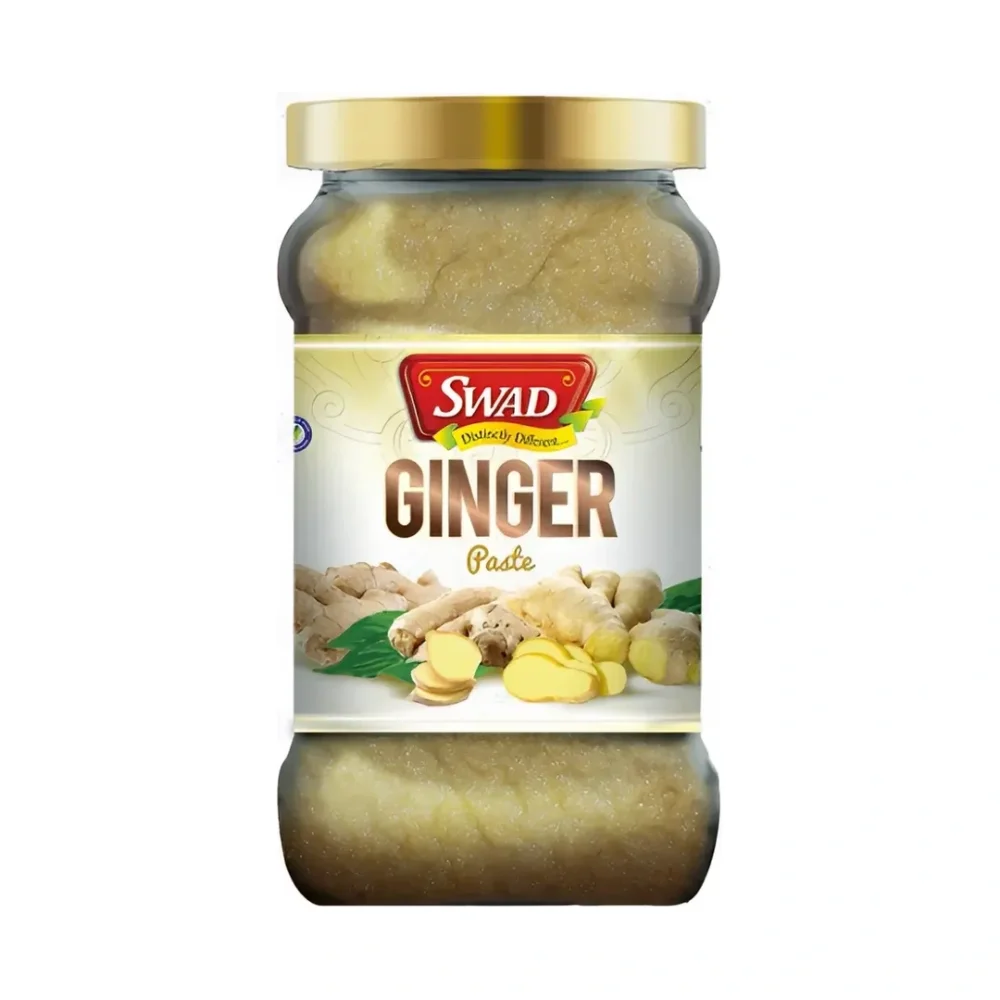
- Aromatic garlic and ginger-based pastes: they are a good "accelerator" for stir-fries and soups, but even here it's better to start with a smaller amount and add. A practical example: garlic paste with ginger.
Dried noodles: dryness, sealing, and odor protection
- Dryness is priority: noodles dislike moisture; store them away from steam and condensation.
- Well-sealed packaging or sealing container: not for "elegance," but for stable texture.
- Protect them from odors: dried ingredients absorb surrounding smells; noticeable with more delicate noodles.
- Give them space against breaking: especially for longer and more fragile types, don't "break them by storage" even before cooking.
For home practice, it's useful to choose noodles also according to what they'll be used for: for soup typically noodles that hold shape (ramen, udon, soba for lighter Japanese broths, rice noodles for phở or bún), for wok noodles that withstand mixing with fat and sauce (wheat wok noodles, wider rice noodles, some ramen noodles, or glass noodles for lighter texture). Storage will make this decision easier: when noodles are dry and not "pre-moistened," you'll better hit the right consistency.
Most common mistakes (and why they lead to "tired" flavor or broken texture)
- Sauces in light and heat: often nothing "visible" happens, but aroma flattens and flavor is less precise. Solution: darkness, cooler place, quick closing.
- Loose closure: a small detail that makes a big difference – for sauces and pastes. Solution: get used to checking the closure immediately after use.
- Wet or dirty spoon in paste: the fastest way to spoil or undesirably change flavor. Solution: clean, dry spoon; no tasting "from the same" and not returning back.
- Transferring noodles to a non-sealing container: noodles can slowly absorb moisture, lose structure, and taste musty. Solution: either keep in the well-sealed original packaging or use a truly sealing container.
- Taking "durable" as "indestructible": fermentation and drying give stability, but don't mean quality holds without care. Solution: think in the mode of "safety vs quality vs texture."
What to take away from the article
- For sauces and pastes, quality often declines first quality (aroma and freshness), then safety.
- Work with simple distinction: safety × quality × texture.
- Fermented liquid sauces suffer most from heat, light, and loose closure.
- Fermented pastes need refrigeration, minimal air and mainly a clean (ideally dry) spoon.
- Dried noodles are not "eternal": moisture and odors take away their texture before they spoil.

Read next
If you want to explore this topic further, continue with these related blog guides and articles:
