

 Česky (CZK)
 Slovensky (EUR)
 Deutsch (EUR)
 Austria
 Belgium
 Bulgaria
 Croatia
 Denmark
 Estonia
 Finland
 France
 Germany
 Greece
 Hungary
 Italy
Italy Latvia
 Lithuania
 Luxembourg
 Netherlands
 Poland
 Portugal
 Romania
 Slovenia
 Spain
Spain Sweden









Indian Cuisine: key dishes, flavours and how it fits in Asia

This guide gathers articles that explain what defines Indian cuisine in the wider Asian context, including how flavours are built, how everyday meals are structured, and how Indian food connects to neighbouring culinary traditions and regional styles.
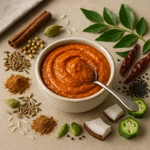
North and South India in the kitchen: how to recognize the difference on the plate and what to cook at home
"Indian cuisine" is not one taste or one sauce. For a European home cook, however, the division into north and south is one of the most practical reference points: it helps to understand why sometimes bread and a creamier sauce make more sense, other times rice, coconut, and a more pronounced acidity. This article will show the main differences, what both directions have in common, and how to bring them into everyday home cooking without unnecessary shortcuts and mistakes.
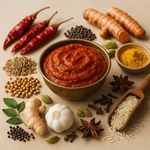
Typical Indian ingredients: their role in food and how to recognize them
Indian cuisine is not a single unified tradition, but a broad family of regional styles. That's why it's worth looking at "typical Indian ingredients" as practical building blocks: what forms the base (rice, breads, legumes), what gives the dish richness (ghee, yogurt, paneer), what builds aroma (spices, aromatics), and what provides an important contrast (for example tamarind). The article provides an overview of key ingredients, their functions, and concrete advice on how to start using them at home without unnecessary mistakes.
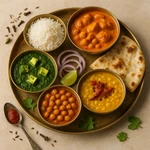
Typical Indian dishes: how to understand dhals, "curry", tandoori and street food
"Typical Indian food" does not have a single form. Indian cuisine is a family of regional styles – from delicate legume dhals through various sauce styles (korma, vindaloo, rogan josh, palak paneer, chole) to tandoori and the essential world of street snacks. In this guide, you will get clarity on the most typical groups of dishes, regional differences, and especially how to practically start with Indian flavors at home.
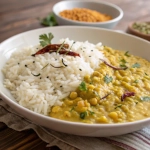
Indian Khichdi (Rice & Lentil Comfort Bowl) – Easy One-Pot Recipe
Khichdi is India’s classic “comfort in a bowl”: rice and lentils gently cooked with warming spices until soft, nourishing, and easy to digest. This simple one-pot recipe is ideal for a light dinner, meal prep, or days when you want something soothing but still satisfying.
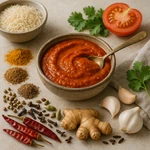
How to Start with Indian Cuisine: The First Directions, Key Ingredients, and Dishes to Understand It
Indian cuisine is not just one "typical" flavor but a whole map of regional styles – from delicate lentil dhals to fragrant rice plates and hearty sauces and marinades. If you want to start at home, the quickest way isn't to buy dozens of spices but to understand a few basic directions, one key technique (tadka), and choose a few initial dishes that teach you principles, not just one recipe.
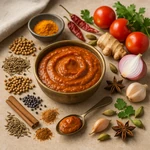
Taste of Indian cuisine: how to recognize it and create it at home
"Indian taste" is not one universal sauce nor a synonym for spicy food. Indian cuisine is a broad family of regional styles – from delicate legume dishes through tandoori breads and marinades to rice dishes with tamarind, coconut, and curry leaves. In this article, you will clarify what typically makes up Indian taste, how the north differs from the south, and how to build it in practice even without "pouring all the spices of the world" into the pot.
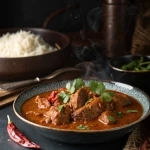
Rogan Josh (Kashmiri Lamb Curry) – A Rich, Aromatic Classic
Rogan Josh is a deep-red, gently spiced curry traditionally associated with Kashmir. This version keeps the focus on whole aromatics, warming ground spices and yogurt for a smooth, clingy sauce—perfect with basmati rice or warm flatbread.
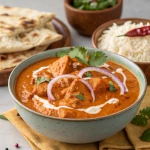
Murgh Makhani (Butter Chicken) Recipe: Creamy Tomato-Butter Curry at Home
Murgh Makhani—often called Butter Chicken—is a classic North Indian curry built on tender chicken, a velvety tomato sauce, warm spices, and a buttery finish. This home-cook friendly version keeps the flavor authentic while giving you practical options for the oven, pan, or grill.
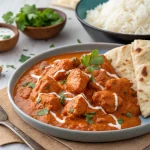
Chicken Tikka Masala (Creamy Tomato Curry You Can Make at Home)
Chicken tikka masala brings together smoky, spiced chicken and a silky tomato-based sauce enriched with cream. It’s restaurant-famous, but the home version is very doable—especially if you marinate ahead and build the sauce in layers.
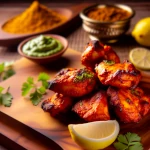
Tandoori Tikka (Oven or Grill): Juicy Indian-Style Chicken Skewers
Tandoori tikka is all about a tangy yogurt marinade, warming spices, and high heat that gives the chicken those irresistible charred edges. This home-friendly version is designed for a regular oven or outdoor grill—no tandoor required.
To compare ideas across countries, you can also read about Sri Lankan Cuisine , explore broader patterns in Regional Styles of Asia , or contrast approaches with Thai Cuisine .