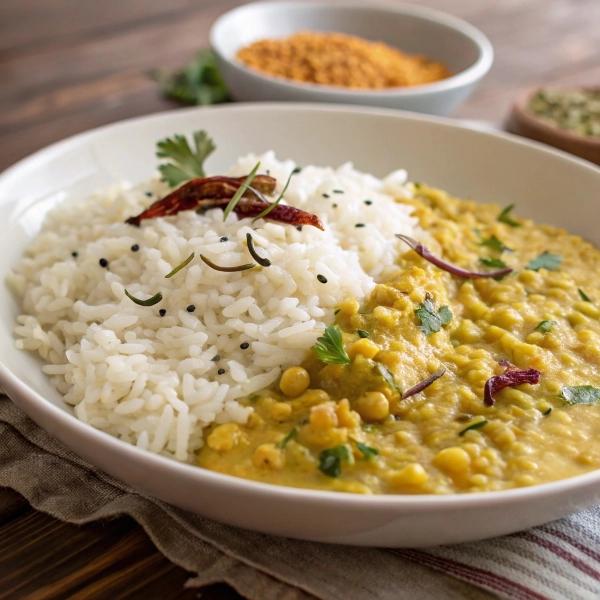
Khichdi (also spelled khichri) is a staple across India made by simmering rice and lentils together until creamy. It can be kept mild and comforting or made more aromatic and spiced, depending on region and preference. At its core, it’s practical home food—simple ingredients transformed into something deeply satisfying.
Quick overview ⏱️
Time: 35–45 minutes (including soaking)
Servings: 2–3
Difficulty: Easy
Texture: From fluffy-porridge to creamy, depending on water and cooking time
Ingredients 🧺
1/2 cup basmati rice (or any long-grain rice)
1/2 cup red lentils (masoor dal) or split mung (moong dal)
2 tbsp ghee (clarified butter) or a neutral oil
1 tsp whole cumin seeds
1/2 tsp ground turmeric
3–4 cups water (more for a softer, soupier khichdi)
Optional vegetables: peas, diced carrot, small potato cubes, spinach
To finish: chopped fresh cilantro; extra ghee (optional)
Method (step by step) 🍲
Rinse and soak. Rinse rice and lentils in cold water until the water runs mostly clear. Soak together for 15–20 minutes, then drain.
Bloom the spices. Warm ghee (or oil) in a medium pot over medium heat. Add cumin seeds and let them sizzle for 20–30 seconds until fragrant.
Build flavor (optional). If using onion, sauté until soft and lightly golden. Add ginger and stir for another 30 seconds.
Add turmeric. Stir in turmeric (and if you like, a pinch of chili or black pepper). Cook briefly—just 10 seconds—so it doesn’t scorch.
Add rice and lentils. Tip in the drained rice and lentils. Stir to coat everything in the spiced ghee.
Simmer. Add 3 cups water and salt. Bring to a gentle boil, then cover and simmer on low for 20–25 minutes, stirring once or twice to prevent sticking. Add more water as needed to reach your preferred consistency.
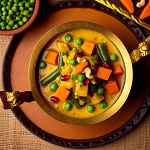
Add vegetables (optional). If using quick-cooking veg like peas or spinach, stir them in during the last 5–8 minutes. For firmer veg like potato or carrot, add earlier so they soften fully.
Finish. Taste and adjust salt. For a richer, rounder finish, melt a teaspoon of ghee over the top and sprinkle with cilantro.
How to serve 🍽️
Khichdi is delicious on its own, but it also plays well with fresh and crunchy sides. Try serving it with:
Plain yogurt (cool and creamy)
Pickles (a sharp, tangy contrast)
Papad/poppadoms (for crunch)
A squeeze of lemon for brightness
Tips, swaps, and common mistakes 🔥
Control the texture with water. For a thicker bowl, start with 3 cups; for a softer, more porridge-like khichdi, use 4 cups or more.
Keep the heat gentle. A low simmer prevents scorching and helps the rice and lentils break down into that signature creamy texture.
Red lentils cook fastest. If you use moong dal, expect a slightly longer simmer and a cleaner, lighter flavor.
Don’t rush the cumin. Let it sizzle briefly in fat first—this is where a lot of the aroma comes from.
Storage & reheating 🧊
Refrigerate: Cool and store in an airtight container for up to 3 days.
Reheat: Warm gently on the stove with a splash of water, stirring until smooth. (It thickens as it sits.)
Freeze: Possible, but texture can become softer; freeze in portions for up to 2 months.
FAQ ❓
Is khichdi supposed to be mushy?
Often, yes—many home-style versions are cooked until soft and creamy. If you prefer separate grains, use less water and reduce simmer time, but it will be closer to pulao than classic khichdi.
Can I make it vegan?
Absolutely. Use a neutral oil instead of ghee and finish with lemon and herbs for lift.
What spices can I add without overpowering it?
A pinch of asafoetida (hing), a small bay leaf, or a little ground coriander are gentle additions. Keep it simple if you want the soothing, everyday style.
This site uses cookies to provide services, customize ads, and analyze traffic. Your consent to the use of cookies will significantly help us to improve our services. More information



 Česky (CZK)
 Slovensky (EUR)
 Deutsch (EUR)
 Austria
 Belgium
 Bulgaria
 Croatia
 Denmark
 Estonia
 Finland
 France
 Germany
 Greece
 Hungary
 Italy
Italy Latvia
 Lithuania
 Luxembourg
 Netherlands
 Poland
 Portugal
 Romania
 Slovenia
 Spain
Spain Sweden