Česky (CZK)
 Slovensky (EUR)
 Deutsch (EUR)
 Austria
 Belgium
 Bulgaria
 Croatia
 Denmark
 Estonia
 Finland
 France
 Germany
 Greece
 Hungary
 Italy
Italy Latvia
 Lithuania
 Luxembourg
 Netherlands
 Poland
 Portugal
 Romania
 Slovenia
 Spain
Spain Sweden










Green and Traditional Teas
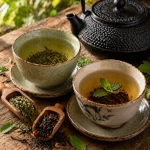
This guide gathers articles on green and traditional teas in Asian food culture, focusing on what these tea styles are, how they differ in taste and preparation, and how they are commonly served alongside meals. Expect clear explanations of key terms, brewing basics, and practical context to help you understand what you are drinking and why it is prepared in certain ways.
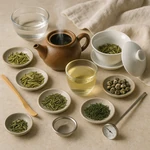
How to properly prepare green and traditional teas: differences, procedure, and common mistakes
With tea, technique often matters more than the “brand”: the same name can taste completely different depending on origin, processing, and how you brew it at home. In this guide, we will clearly clarify what true tea is, how green and other traditional styles differ (white, oolong, black, dark), and how to set a simple procedure that makes the flavor cleaner, less bitter, and easier to read.

Korean Lemon Tea
Are you interested in Korean lemon tea? This refreshing drink full of citrus flavor is popular all over the world. Read more about its traditional preparation and interesting facts that will surprise you!

Korean ginger tea
Immerse yourself in the world of Korean ginger tea! This spicy and refreshing drink is ideal for warming up on cold days. Read about how Koreans use ginger for its unique flavor and beneficial properties.

Korean Aloe Vera Tea
Discover the refreshing taste of Korean tea with aloe vera! This unique drink combines a traditional Korean recipe with natural ingredients. Read on to find out how aloe vera in tea can refresh and invigorate you.

Korean Plum Tea
Discover the secrets of Korean plum tea! A delicious, refreshing drink with a rich history that will enchant you with its delicately sweet and sour taste. Find out how it is made, what its beneficial effects are, and why this tea is so popular in Korea.
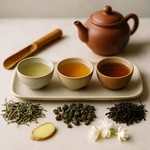
How to Navigate Asian Teas
The term "Asian tea" does not refer to one type of beverage but to several major traditions that differ in taste, aroma, and preparation style. The good news: for basic orientation, it is enough to understand a few fixed points – what "real tea" is, how the main types arise based on processing, and why the same name does not yet mean the same experience in a cup.
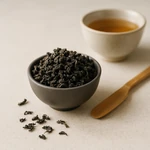
Oolong Tea: The Fragrant Middle Ground Between Green and Black
Oolong is the tea people return to when they want variety without switching to a different drink. Depending on how it’s made, it can taste fresh and floral or warm, toasty, and deep—one reason you may even see it labeled as “black tea oolong.” Here’s what that means, how to choose a style you’ll enjoy, and how to brew oolong so its aroma really shows.
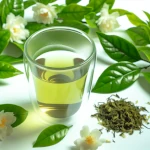
Green teas
Green tea is a refreshing drink full of antioxidants that promotes health and calms the mind. Great for everyday drinking, it helps improve digestion and metabolism. Discover different varieties and enjoy moments of peace and tranquility.

Black teas
Black teas offer a rich palette of flavors and aromas that will draw you into the fascinating world of tradition and culture. Whether you like the delicate smokiness of Keemun, the earthiness of Pu Erh, or the fullness of Yunnan, each cup of black tea will enrich you with a new experience.

Yellow teas
Discover the magic of yellow teas – a delicious drink with a unique taste and a range of health benefits. Learn about their history, types, and complex production process. Ideal for supporting digestion and the immune system.

For a broader drinks overview, continue with Hot, Cold and Seasonal Drinks , explore newer trends in Modern Asian Drinks , or read about regional traditions in Sake and Asian Alcohol .