


 Česky (CZK)
 Slovensky (EUR)
 Deutsch (EUR)
 Austria
 Belgium
 Bulgaria
 Croatia
 Denmark
 Estonia
 Finland
 France
 Germany
 Greece
 Hungary
 Italy
Italy Latvia
 Lithuania
 Luxembourg
 Netherlands
 Poland
 Portugal
 Romania
 Slovenia
 Spain
Spain Sweden










How to Navigate Asian Teas
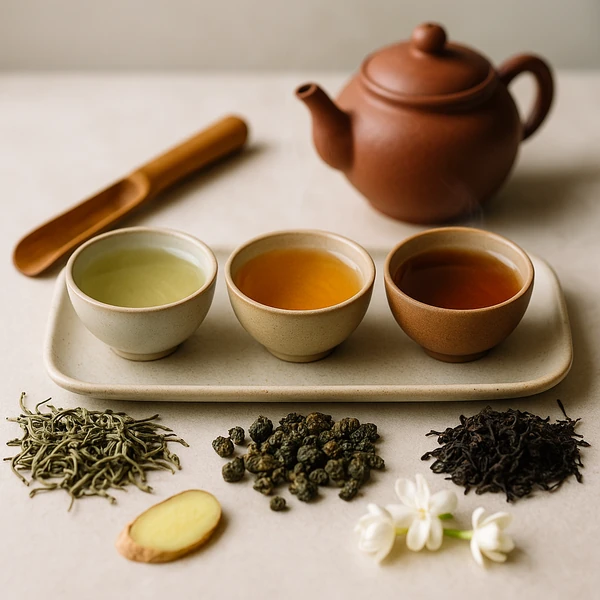
The term "Asian tea" does not refer to one type of beverage but to several major traditions that differ in taste, aroma, and preparation style. The good news: for basic orientation, it is enough to understand a few fixed points – what "real tea" is, how the main types arise based on processing, and why the same name does not yet mean the same experience in a cup.
Why Navigating Asian Teas Is Tricky (and How to Simplify It)
Asian teas are not a single uniform category. They differ by origin, processing, taste, aroma, and serving style. For quick orientation, it is useful to stick to three basics:
- Real Tea is made from the leaves of the plant Camellia sinensis.
- Main Differences between tea types do not arise because they come from different plants but from the method of processing.
- The Same Name on the packaging does not necessarily mean the same taste or quality – that's why it makes sense to think about tea in terms of what profile you want from it.
🌶️ What "Real Tea" Is and What Determines Its Taste
"Real tea" is tea made from the leaves of Camellia sinensis. From one botanical base, a wide range of styles arises: from delicate and subtle to dark, deep, and layered. What you perceive in the cup as grassy, nutty, floral, roasted notes, or earthy depths mainly relates to how the leaf was processed after harvesting.
Practically: when you know which "big family" the tea belongs to (green, oolong, black, dark…), it's much easier to choose a flavor direction and avoid disappointment from expecting something completely different.
Quick orientation by taste: what to choose when…
The fastest onboarding is to choose tea based on what type of cup you want today. Below are typical directions that repeat in Asian traditions:
When I want freshness and lightness
- Chinese green teas
- sencha
- some light oolongs
- jasmine tea
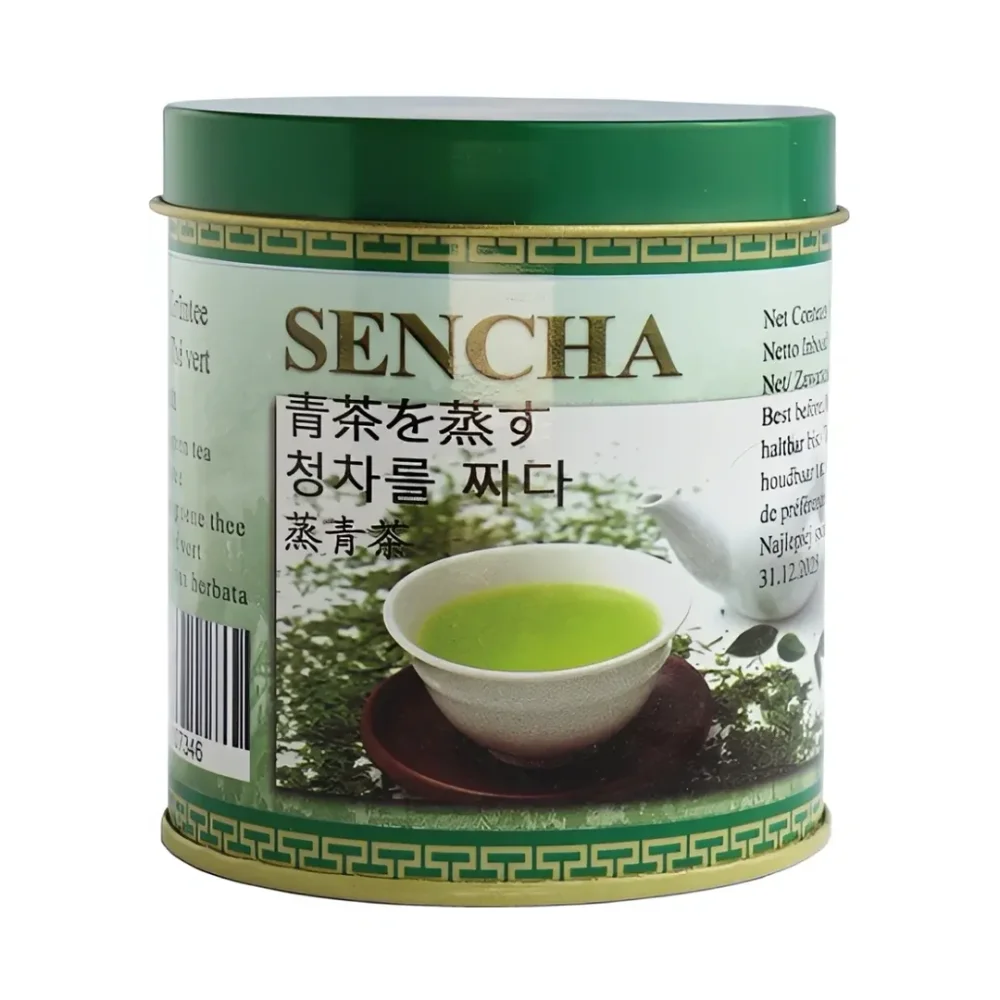
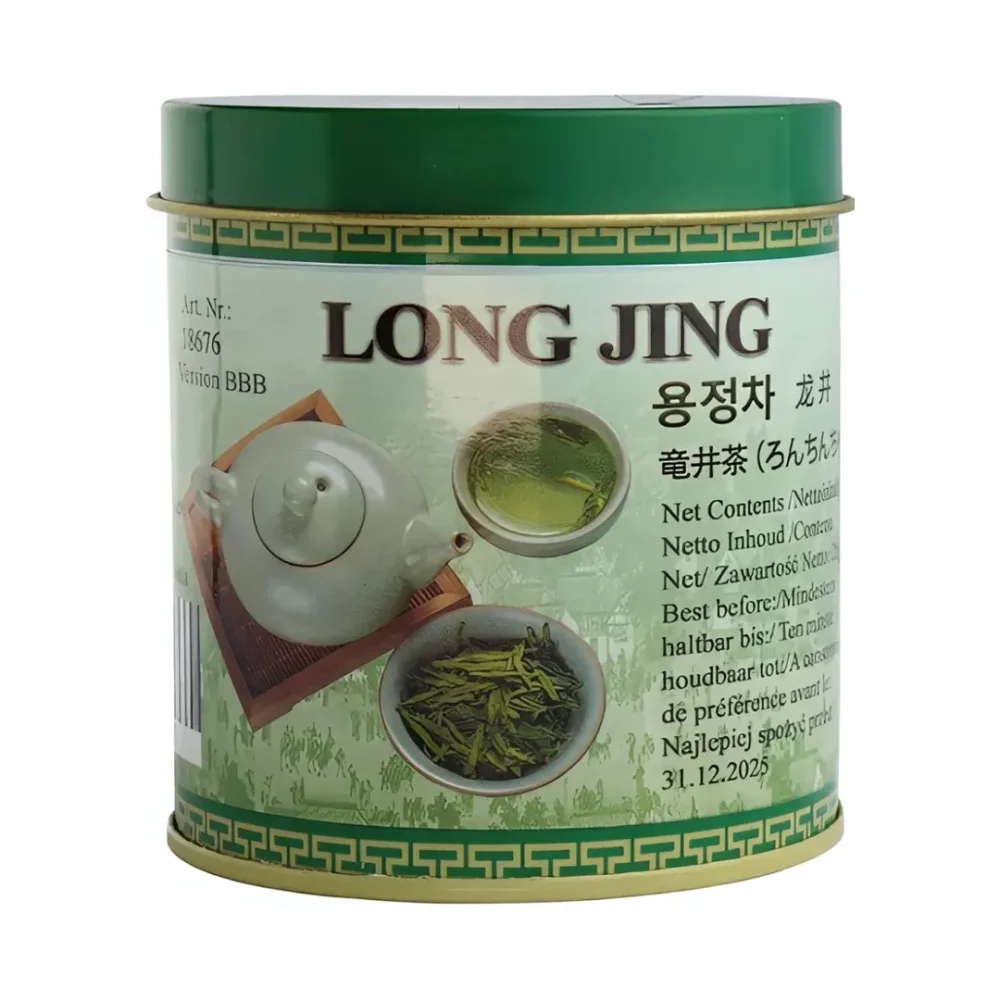
Specific starting examples can be, for instance, Golden Turtle Green Tea Sencha 30 g (sencha type) or a Chinese green tea in the style of Golden Turtle Green Tea Long Jing 25 g.
When I want umami and a deeper green profile
- gyokuro
- kabusecha
- high-quality matcha
Here it pays to be more strict about exactly what you buy (see the section on mistakes): “matcha” is not just any green powder.
When I want roasted, milder, and less "grassy" notes
- hojicha
- genmaicha
- darker oolongs
This direction is often good for people who don’t like very "green" profiles but want to stay with teas that have a more delicate structure.
When I want a strong and full cup
- Assam
- stronger black teas
- masala chai
An important note about the term "chai" is below in the section on common mistakes: chai does not itself designate a single botanical category.
When I want a layered, slower, and "collectors'" experience
- oolongs
- pu-erh
- selected high-mountain Taiwanese teas
- Darjeeling
This is the direction for moments when you are not just looking for "something to drink" but want to stop with the tea and watch how it changes with additional infusions or over time.
Basic major tea types: what to expect in taste and why they differ
Major tea types can be understood as a directional map. It doesn’t tell everything about a specific origin or quality but reliably indicates what type of experience you are more likely to get.
White Tea
White tea is among the least processed. Its taste is usually delicate, light, sometimes floral or sweetly fruity. It is not automatically a "weak tea," but it often feels subtler than a strong black or dark tea.
Green Tea (and why Chinese and Japanese often taste similar)
Green tea is typical in that oxidation is stopped early. Because of this, it retains fresher, grassier, seaweed-like, vegetal, or nutty notes.
- In China, leaves are often pan-fired.
- In Japan, on the contrary, they are typically steamed.
This is one reason why Chinese and Japanese green teas do not taste the same – and why one person might prefer a more "friendly" Chinese style, while another falls in love with distinctly marine and umami Japanese profiles.
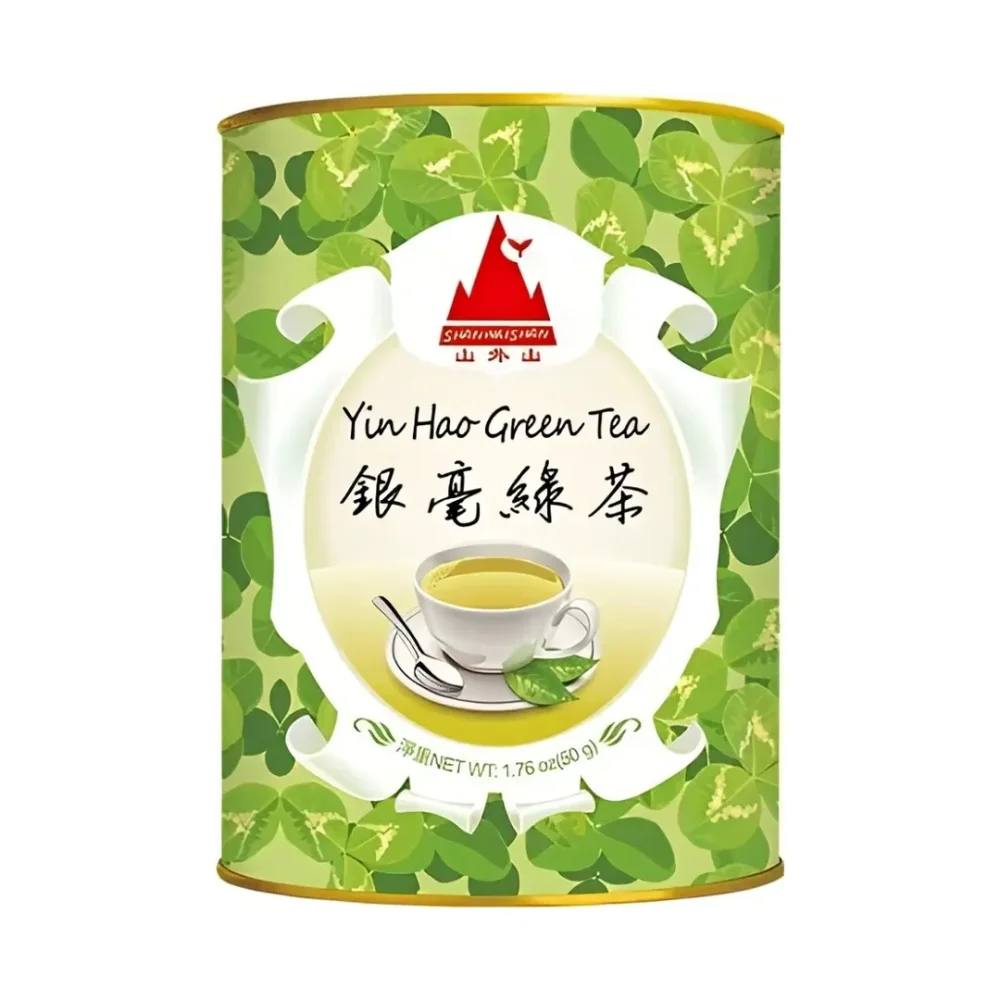
If you want a simple, purely fresh everyday cup, a good example might be Shan Wai Shan Green Tea Yin Hao 50 g.
Yellow Tea
Yellow tea is rarer. Simply put, it stands between the green and a more softly rounded profile. It is usually not as grassy as many green teas and feels softer.
Oolong
Oolong is a large and very diverse category between green and black tea. It can be light, floral, and creamy, but also darker, roasted, mineral, or honey-fruity. This breadth explains why oolong is talked about as one of the most interesting tea categories.
Black Tea
In practice, black teas often seem fuller and more pronounced than many green styles. In the "quick orientation" above, black teas mainly appear where you want a strong, full cup (such as Assam) or when aiming for a style like masala chai.
Dark / Post-fermented Tea
This family includes, for example, pu-erh. It is important not to be deceived by the simplification that “dark tea = always extremely earthy” (see mistakes below) – very different profiles can exist within one category.
China: the Cradle of Tea and the Largest Tea World
China is historically and culturally key for tea: it is where the oldest recorded tea tradition originated and from where tea spread further to Japan and other parts of Asia. The Chinese tradition works with six major categories of tea: green, yellow, white, oolong, black, and dark.
Besides them, there are also teas that are re-flavored and reworked – a typical example is jasmine tea or pressed tea "cakes."
Chinese Green Teas as a Friendly Entry to the "Green" World
Chinese green teas are often milder, nuttier, or more chestnut-like than Japanese ones. Pan-roasted teas are also typical. For many people, Chinese green styles can be a more accessible introduction to green tea than the highly marine and umami Japanese variants.
Jasmine Tea: Traditional, Accessible – and Easily Oversimplified
Jasmine tea is a classic example that tea can be both traditional and very accessible. In higher quality execution, it is tea leaves that have absorbed the scent of jasmine flowers, not just a blend with a simple aroma.
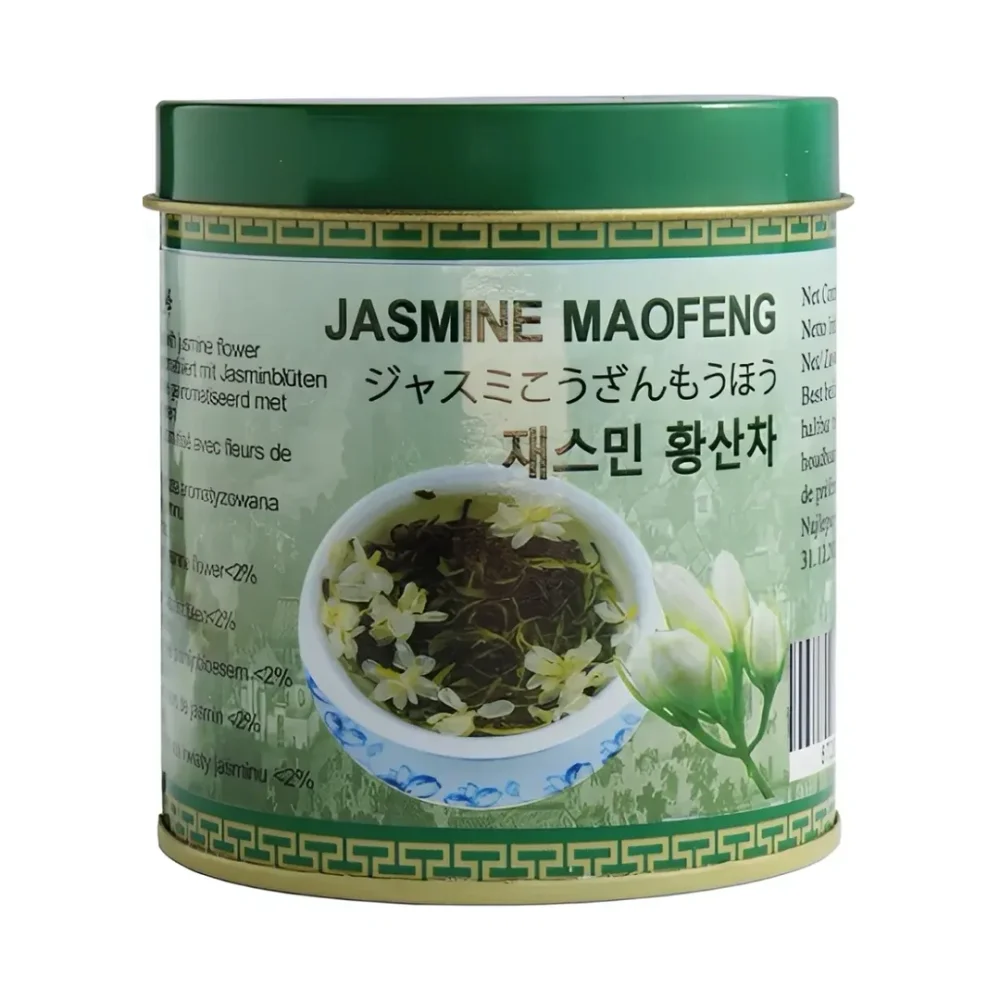
If you want to taste a jasmine green style, a specific example might be Golden Turtle Green Tea Jasmin Mao Feng 30 g.
How to Choose Asian Tea in Practice: Function, Etiquette, and Expectations
The same rule applies to tea as with other Asian ingredients: a good choice is not about the most striking impression but about understanding the function and type of what you are buying. The biggest disappointment often does not arise because the tea was "objectively bad," but because you expected a different style.
1) Start with the question: "What do I want this tea for?"
- Do I want a light companion to food and sipping throughout the day? Often, green tea makes sense (for example, Chinese green styles, sencha, jasmine).
- Do I want a stronger, fuller cup? You often head toward black teas and blends like masala chai.
- Do I want something to stop and discover layers with? Oolong or dark tea (such as pu-erh) often make sense.
2) Read the label: a quick filter that saves unnecessary mistakes
With Asian ingredients (and hence tea), the packaging is often visually strong, but the decisive information is the small print. The ingredient list is arranged in descending order by weight – so the first items are the most important for the product's character. In practice, it pays to watch:
- what is truly main in the product (and what is just an addition),
- whether it is tea as a base or a significantly flavored variant,
- whether key components are not overpowered by sugar or aromas (typically in “green powders” or blends),
- and how allergens are listed, if you need to consider them.
3) Distinguish between "basic" and "flavored" tea products
A large part of Asian raw materials exists in two modes: as a basic building block and as already processed, sweetened, or otherwise styled product. For teas, this is especially practical with flavored styles (for example jasmine tea) or blends like masala chai. The flavored product can be great and convenient – you just need to know that you are not working with a "neutral base" but with a specific profile.
🍳 4) First preparation at home: how not to spoil the impression of good tea
Premium teas often come in loose leaf form because it better protects the leaf and provides better control of the preparation. But that does not mean tea bags are automatically bad.
If you are starting and don't want to "overshoot" the intensity, a simple procedure helps: prepare the first cup rather carefully (a milder profile), taste it, and only then adjust subsequent preparations to suit your taste. Specific ratios and procedures vary among teas – the goal is to find a balance between aroma, flavor, and how the final cup fits you.
5) Storage: tea can’t really be "spoiled," but it can easily become tired
Storage determines whether the raw material retains its aroma and flavor purity. For tea, this is very practical: even if the product remains safe to consume, its flavor can be flat and "tired." The biggest enemies are:
- heat (accelerates aging and loss of aroma),
- light (harms products sensitive to aroma and color),
- air (oxygen gradually changes taste and aroma),
- humidity (destroys texture and can lead to mustiness).
Practical rule: protect aromatic things from heat, light, and air; protect dry things from moisture.
Most common mistakes around Asian teas (and how to avoid them)
- "Green tea is just one kind." It is not. The difference between sencha, Long Jing, matcha, hojicha, and jasmine green tea can be huge.
- "Matcha = any green powder." It is not. Matcha is made from tencha and has a specific cultivation and processing method. Green powder with sugar or flavors is not the same.
- "Chai is a specific type of tea." It is not. Chai simply means tea. Masala chai is a style of drink, not a single botanical category.
- "Pu-erh is always extremely earthy." It is not. Some pu-erhs are deeply earthy; others can seem cleaner, fruitier, or milder.
- "Tea bags are automatically bad." They are not. However, premium teas are more often loose leaf because it better protects the leaf and allows better preparation control.
What to take away from the article
- "Asian tea" is not one thing: orient yourself by the type of tea (processing) and by what cup you want.
- True tea is from Camellia sinensis and the differences between white, green, oolong, black, and dark tea are mainly made by processing.
- For green teas, it is useful to know that Chinese and Japanese styles often differ also in that in China, leaves are often pan-fired, while in Japan they are typically steamed.
- China is historically the "cradle of tea" and works with six traditional categories – alongside which there are also re-flavored styles (e.g., jasmine tea).
- The quickest practical defense against disappointment: choose based on function and read the label (especially with powdered and flavored variants).
- Handle storage with quality in mind: the biggest risks for aroma and flavor are heat, light, air, and moisture.
As a small accompaniment to tea, something small to nibble on can sometimes be nice – for example, Agel Ginger Candies with Mango 125 g, if you like the combination of warming ginger and a sweeter tone.

Read next
If you want to explore this topic further, continue with these related blog guides and articles:
