


 Česky (CZK)
 Slovensky (EUR)
 Deutsch (EUR)
 Austria
 Belgium
 Bulgaria
 Croatia
 Denmark
 Estonia
 Finland
 France
 Germany
 Greece
 Hungary
 Italy
Italy Latvia
 Lithuania
 Luxembourg
 Netherlands
 Poland
 Portugal
 Romania
 Slovenia
 Spain
Spain Sweden










Korean Cuisine: guides to dishes, flavours and basics

This section gathers reader-friendly guides to Korean cuisine, explaining the flavour profile, common meal structure, and the key ideas that shape everyday cooking, from staple ingredients and seasonings to how dishes are typically combined and served.
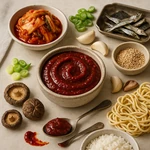
Basics of the Korean pantry: how to understand jang, kimchi, sesame, and soy sauce
The Korean "pantry" is not a list of exotic groceries, but a set of flavor foundations that make even simple dishes start to make sense. When you understand how fermented pastes and sauces (jang) work, the role of kimchi, why sesame is often used only at the very end, and how Korean soy sauces differ, Korean cuisine will come together for you into a clear system – not a random spicy mix.
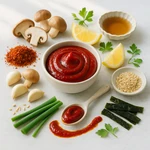
Typical Korean ingredients: how to understand “jang”, chili, and fermented bases
Korean cuisine is not just "spicy and kimchi." It is built on a thoughtful use of fermented bases, contrasts of flavors, and the harmony of rice, soup, and several smaller side dishes at the table. In this guide, you will clarify which ingredients make the Korean flavor Korean, what functions they have in the food, and how to select and use them at home without unnecessary mistakes.

Typical Korean dishes: how to understand them by rice, noodles, soups, and street food
Korean cuisine is often presented as a list of “iconic” names. For practical orientation, however, it works much better to understand in what format the food comes to the table: a bowl of rice, a noodle bowl, soup as a main dish, or a quick/street food approach. In this guide, we will show the main groups of typical Korean dishes, how to recognize them, what to expect from them, and how to start making them at home without unnecessary mistakes.
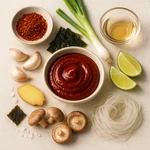
How to Start with Korean Cuisine: First Dishes, Basic Flavors, and Mistakes That Hold You Back
Korean cuisine can seem "wild" – spicy, fermented, and full of new names. In reality, however, it is very logical: it is based on rice, soups, smart fermented foundations, and small side dishes that balance flavor and texture. In this guide, you will clarify what is typical for Korea, which basics make sense to acquire first, and how to cook your first Korean week at home without unnecessary mistakes.
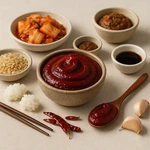
Taste of Korean cuisine: how spiciness, fermentation, rice, and “jang” work in practice
Korean cuisine is not just about spiciness and kimchi. We will explain the layers of flavors that make up Korean dishes – fermented bases (jang), types of spiciness, the role of rice, and working with textures – and provide specific, practical advice on how to safely put this together at home.
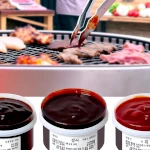
Korean BBQ
Discover the magic of Korean BBQ! With delicious sauces and tasty side dishes, you'll enjoy an unforgettable grilling experience full of flavors you'll love.
To compare Korean food with other country guides in this series, continue with Japanese Cuisine , Chinese Cuisine , or Vietnamese Cuisine .
