

 Česky (CZK)
 Slovensky (EUR)
 Deutsch (EUR)
 Austria
 Belgium
 Bulgaria
 Croatia
 Denmark
 Estonia
 Finland
 France
 Germany
 Greece
 Hungary
 Italy
Italy Latvia
 Lithuania
 Luxembourg
 Netherlands
 Poland
 Portugal
 Romania
 Slovenia
 Spain
Spain Sweden








Thai Cuisine: key flavours, dishes and how it fits in Asia

This guide gathers articles that explain what defines Thai cuisine, how its signature flavours work together, and how common Thai dishes and meal patterns are typically structured. You will find clear background on the cuisine’s character and how to place Thai food in the wider map of Asian cooking, with practical context that helps you read recipes and understand ingredient choices.
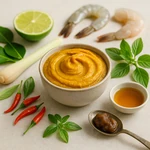
Regions of Thai cuisine: why Bangkok, the north, and Isan don’t taste the same
Thai cuisine is often described through famous dishes like tom yum, green curry, or pad thai. However, this easily creates the impression that "Thai tastes like this" – and that’s it. In reality, Thailand is regionally distinctive: the same principle of balancing flavors (saltiness and umami, sourness, sweetness, spiciness, herbal freshness) is composed differently in various parts of the country. If you want to cook Thai food at home or just better understand dishes on a menu, regions are one of the shortest ways for the flavors to start making sense to you.
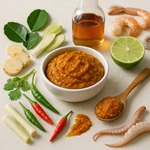
Typical Thai ingredients: what they taste like, what they are for, and how to use them at home
Thai cuisine is based on balancing contrasts: saltiness and umami, acidity, sweetness, spiciness, and herbal freshness. To make food taste "Thai," one spicy component is not enough – it is more important to know the role of each ingredient and how to work with it in small amounts. This guide provides an overview of typical Thai ingredients, their function in the dish, the main differences between similar products, and practical tips on how to start using them at home without unnecessary mistakes.
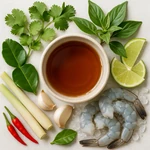
Typical Thai dishes: what they taste like and how to recognize them
"Typical Thai dishes" are not just a few famous names like pad thai, tom yum, or green curry. Thai cuisine is based on balancing contrasts – saltiness and umami, sourness, sweetness, spiciness, and herbal freshness – and it is this flavor logic that connects Thai dishes across styles and regions. In the article, we will show you how to navigate typical Thai dishes, what the main differences between the most common types of dishes are, and how to put together the Thai taste at home without unnecessary mistakes.
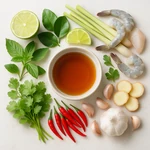
How to Start with Thai Cuisine: Flavors, Sauces, and the First Sure Steps
Thai cuisine is not just a few famous dishes. It is a cooking method where salty (umami), sour, sweet, spicy, and herb-fresh flavors are deliberately balanced – so the result feels lively but not chaotic. In the article, you will understand what makes the "Thai taste" Thai, how not to get lost in curry pastes, fish sauce, and coconut products, and how to set up a simple, functional start at home.
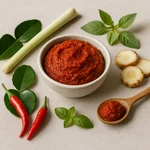
The Taste of Thai Cuisine: How to Understand It and Build It at Home (Without Common Mistakes)
Thai food can taste “very bold”, but its strength is rarely one dominant flavour. What’s typical is layering: first you build an aromatic base (often with pastes), then you season gradually (for example with soy sauce), and only at the end you fine-tune heat and top aromas. When these steps get swapped or pushed too hard, the result is often just spicy, over-salty, or oddly flat. This guide gives you a practical framework for building Thai flavour at home step by step—and for fixing the most common problems.
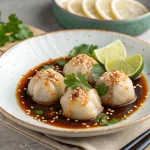
Kai Look Kuey (Thai Chicken Rice Dumplings) with Tamarind Dipping Sauce
Soft steamed rice dumplings filled with savory chicken and served with a bright sweet-sour tamarind sauce—this Thai-style snack is surprisingly simple to make at home and perfect for sharing.
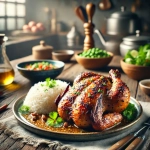
Thai Kai Yang (Grilled Chicken) Recipe
Kai Yang is Thailand’s iconic grilled chicken: deeply aromatic from garlic, coriander and lemongrass, juicy inside, and lightly charred outside. This recipe gives you a practical, grill-friendly method plus a quick Nam Jim Jaew dipping sauce to serve alongside sticky rice.
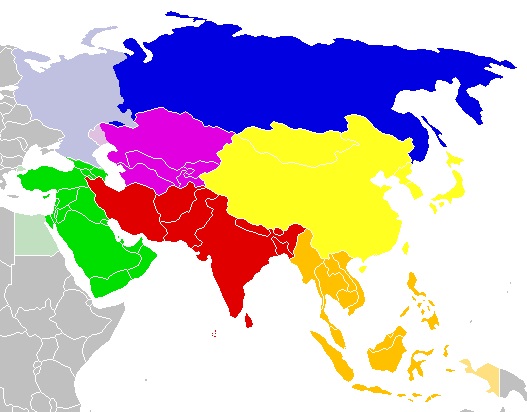
To compare Thai cooking with nearby and contrasting traditions, continue with Vietnamese Cuisine , Chinese Cuisine , or Regional Styles of Asia for a broader overview.