

 Česky (CZK)
 Slovensky (EUR)
 Deutsch (EUR)
 Austria
 Belgium
 Bulgaria
 Croatia
 Denmark
 Estonia
 Finland
 France
 Germany
 Greece
 Hungary
 Italy
Italy Latvia
 Lithuania
 Luxembourg
 Netherlands
 Poland
 Portugal
 Romania
 Slovenia
 Spain
Spain Sweden










Fermented Foods and Probiotics
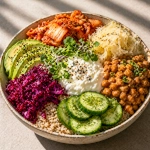
This guide focuses on fermented foods in Asian cuisines and the idea of probiotics in everyday eating. You will find articles that explain what fermentation is, how common fermented staples are used in cooking, and how to recognize the roles they play in flavour, aroma, and texture across different dishes and traditions.
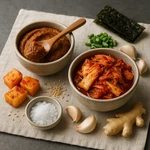
Kimchi, miso, and other fermented bases: how they work, how they differ, and how to start with them at home
Fermentation in Asian cuisine is not a "health trend," but one of the main ways to achieve flavor: umami, depth, subtle acidity, and interesting texture. Kimchi and miso are the two most accessible fermented worlds that clearly show why some ferments are eaten alone as side dishes, while others act more like an engine under sauces and soups. In the article, we'll also clarify the common misconception "fermented = probiotic" and add practical tips on how to incorporate fermented bases into everyday cooking without complicated recipes.

Kimchi
Want to know what kimchi is and how it's made? Read about this traditional Korean delicacy, its origins, different types, and methods of preparation. Discover why kimchi has become popular around the world!
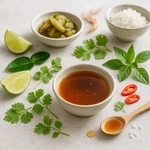
How to incorporate fermented foods into a regular diet (without extremes and disappointments)
Fermented foods are not just a "healthy trend" – in Asian cuisines, they are mainly practical flavor bases that can speed up cooking and add depth to the meal. The key is not to start ambitious fermentation projects, but with one well-chosen ferment and small amounts: a teaspoon of paste, a few drops of sauce, a little side dish. The article clarifies the difference between fermented and probiotic, goes through the main types of ferments, and shows specific ways to use them in everyday meals.
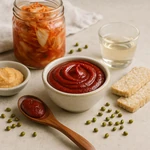
Fermented foods and probiotics in Asian cuisine: what they do to the taste and how to start with them at home
Fermentation is one of the oldest methods by which people preserved, transformed, and deepened the flavor of food. However, in Asian cuisines, it's not just about "durability": fermentation is one of the keys to umami, depth, aroma, acidity, and texture – and it explains why a wide range of sauces, pastes, side dishes, and soups are created from just a few basic ingredients. At the same time, it is important to be clear about one fundamental thing: fermented foods and probiotics are not the same.
For related reading within the same health-focused branch, see Light and Balanced Asian Meals , Gluten-Free Asian Cooking , or Vegetarian and Vegan Cooking .