

 Česky (CZK)
 Slovensky (EUR)
 Deutsch (EUR)
 Austria
 Belgium
 Bulgaria
 Croatia
 Denmark
 Estonia
 Finland
 France
 Germany
 Greece
 Hungary
 Italy
Italy Latvia
 Lithuania
 Luxembourg
 Netherlands
 Poland
 Portugal
 Romania
 Slovenia
 Spain
Spain Sweden










Mushrooms, Seaweed and Specialties
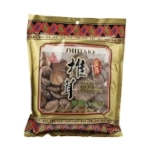
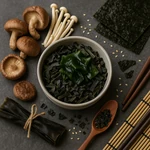
This guide category focuses on mushrooms, seaweed, and other specialty ingredients used across Asian cuisines. You’ll find explanations of what these ingredients are, how they are typically used in everyday cooking, and the kinds of dishes and flavour profiles they help create.

Shiitake mushrooms
Are you interested in how shiitake mushrooms can enrich your dishes? Read about their origin, unique flavor, and how to prepare them in various dishes. Discover everything you need to know about these mushrooms!

Young corn
Are you interested in how to use young corn in the kitchen? This delicious and tender food is great for various types of preparation. Read more about its benefits and great recipes!
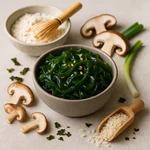
Special ingredients not to be afraid of: mushrooms, seaweed, and a few smart shortcuts
“Special” ingredients in Asian cuisine are often not extravagances but practical flavor building blocks: they add umami, interesting texture, or just a subtle contrast at the end. When you know what function to expect from them, they stop being unclear and start being useful. This guide will mainly walk you through seaweed and mushrooms (including dried) and show a few typical pitfalls people encounter when choosing.
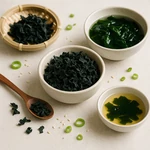
How to use dried seaweeds: nori, wakame and kombu in practice
Dried seaweeds are the “silent engine” of flavor in many Asian cuisines: sometimes they form the base of broths and umami, other times they add crunch, color or a delicate ocean aroma as a finishing touch. Once you understand what nori, wakame and kombu are for, seaweeds stop being an exotic specialty and become a practical ingredient you can cook with at home simply and precisely.
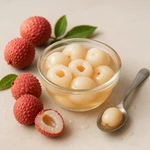
Lychees in Syrup: Sweet Tropical Fruit for Desserts, Drinks, and Asian-Inspired Treats
Lychees in syrup give you that distinctive floral-tropical aroma without peeling, pitting, or chasing a short season. Keep a jar or can on hand for fast desserts, refreshing iced drinks, fruit salads, and elegant plating—and don’t forget the fragrant syrup, which is useful well beyond “just sweetening.”
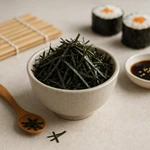
Kizami Nori: Fine Shredded Nori That Adds Sea Aroma and a Touch of Umami
Kizami nori is roasted nori seaweed cut into delicate strips and used as a quick finishing garnish. A small pinch can lift the aroma of rice bowls, noodle soups, and salads—adding gentle brininess, subtle roastiness, and clean umami without changing the whole dish.
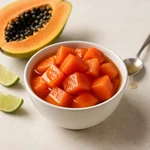
Papaya in Syrup: A Tropical Sweetener for Desserts, Drinks, and Bold Savory Pairings
Papaya in syrup is one of those pantry shortcuts that makes tropical flavor available any day of the year—no guessing ripeness, no peeling, no waste. Use the fruit for quick desserts and refreshing drinks, and don’t overlook the syrup itself: in small amounts it can balance citrus, spice, and salty notes surprisingly well.
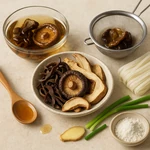
How to use dried mushrooms: soaking, umami, and practical tricks for Asian dishes
Dried mushrooms in Asian cuisine are not just a "reserve for worse times." They often function as a standalone ingredient with their own aroma and texture – typically shiitake. The article includes a practical soaking procedure (including cold vs. warm water), working with soaking water, and tips on how to get maximum flavor from mushrooms in broths, soups, and pan dishes.
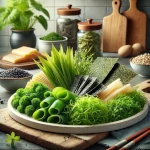
Seaweed
Discover the power of the ocean on your plate! Seaweed brings unique flavors and nutritional properties to the kitchen. From sushi to soups, its uses are endless. Add this natural ingredient to your diet to boost your health and enrich your meals!
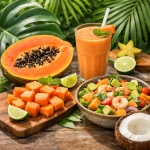
Papaya: How to Pick It, Prep It, and Use Ripe vs Green Papaya in Asian Cooking
Papaya can be two completely different ingredients. Ripe papaya is sweet, soft, and great for bowls and drinks; green papaya is firm, crisp, and behaves like a vegetable—perfect for tangy, spicy salads and quick stir-fries. Here’s how to recognize the right one, prepare it without hassle, and make it taste great from the first try.



To place these ingredients in a wider pantry context, you may also want to read about Sauces and Pastes , Spices and Herbs , and Tofu and Soy Products .