


 Česky (CZK)
 Slovensky (EUR)
 Deutsch (EUR)
 Austria
 Belgium
 Bulgaria
 Croatia
 Denmark
 Estonia
 Finland
 France
 Germany
 Greece
 Hungary
 Italy
Italy Latvia
 Lithuania
 Luxembourg
 Netherlands
 Poland
 Portugal
 Romania
 Slovenia
 Spain
Spain Sweden










How to use dried mushrooms: soaking, umami, and practical tricks for Asian dishes
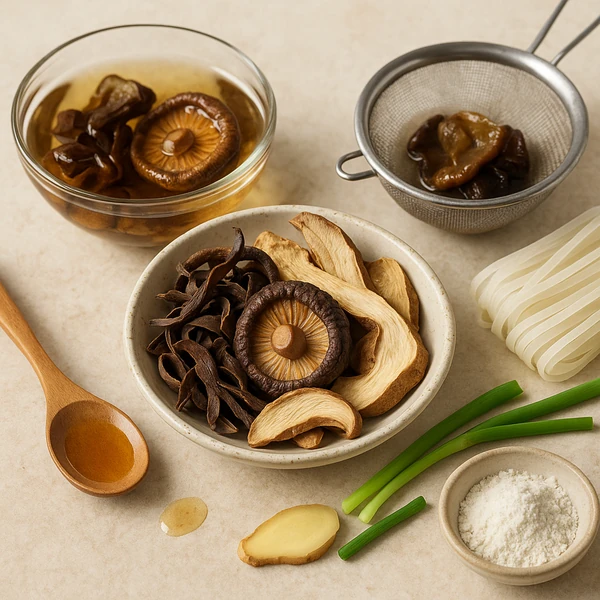
Dried mushrooms in Asian cuisine are not just a "reserve for worse times." They often function as a standalone ingredient with their own aroma and texture – typically shiitake. The article includes a practical soaking procedure (including cold vs. warm water), working with soaking water, and tips on how to get maximum flavor from mushrooms in broths, soups, and pan dishes.
Why dried mushrooms have such importance in Asian cuisine
Mushrooms (and also seaweed) belong in many Asian cuisines to ingredients that are often not the "main star," but rather a building block of flavor. They can provide umami, aroma, color, and texture contrast. That is why they commonly appear in soups and broths, noodle dishes, rice bowls, salads, stir-fries, and as smaller finishing elements.
A practical reason why dried variants became so popular is simple: dried ingredients are light, durable, and usable even out of season. From a culinary perspective, the main key is flavor logic: seaweed is important for glutamates, dried mushrooms for guanylate and other flavor substances. When combined well with other ingredients, they can enhance the taste of the dish without the need for "aggressive" salting.
If you're generally interested in how to navigate similar ingredients, a broader guide can also help Vegetables and Mushrooms.
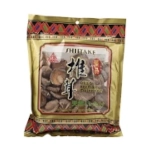
Dried mushrooms are not just a substitute for fresh ones
With dried mushrooms (especially with shiitake), it's good to keep in mind that it's not just the "same without water." Drying changes the aroma and resulting texture, which is why dried mushrooms are often used in practice as a distinct ingredient. This matters for expectations: sometimes you mainly want the broth and depth, other times the texture for the dish, and sometimes both.
After rehydration, mushrooms significantly change in volume and texture. This is a small detail but affects everything from the size of the bowl to the intensity of flavor in the finished dish.
Which type of mushroom to choose depending on what you expect from it
In Asian cooking, it often makes the most sense to think about mushrooms based on their role in the dish:
- For flavor and umami: typically shiitake, often in dried form.
- For texture: choose wood ear, enoki, or other gentler types depending on the dish (sometimes you want chewiness, other times delicacy).
- For broth: dried shiitake and possibly a combination with kombu (a seaweed often used specifically for "pure" umami in broths).
- For quick pan dishes: fresh shiitake, shimeji, or enoki depending on the desired texture (in quick dishes usually more pronounced "bite" than long-simmered depth).
This selection is more important than trying to pick the "most authentic" variant. A general rule for Asian ingredients is that a good choice mainly depends on understanding the ingredient's function and what kind of dish you really need it for.
Soaking dried mushrooms: why better longer and gentler
In practice, with dried mushrooms, it usually pays off to go the "slow and gentle" route rather than "fast and aggressive":
- Soak rather longer – the mushroom rehydrates more evenly and the result tends to be rounder in flavor.
- Cold vs. warm water: slow soaking in cold water, ideally for a longer time, often tastes better than quickly pouring hot water. Hot water is a practical shortcut, but slower rehydration often turns out better.
- After rehydration, squeeze the mushrooms well – both for cooking in the pan (you don't want to dilute the dish unnecessarily) and for texture.
- Optionally cut off hard parts – some parts remain tougher after soaking and disrupt the texture in the finished dish.
💡 Practical tip: instead of watching "exact time," observe the condition. The mushroom is ready when it is soft and elastic and can be easily cut as you need for the specific dish.
Do not discard soaking water thoughtlessly (but use it smartly)
Soaking water is often valuable in flavor. In many cases it makes sense not to throw it away automatically, but to consider using it in the dish as part of the flavor – typically in soup, broth, or sauce.
At the same time, "thoughtlessly" doesn’t apply: you want to use it so that it works for you. Practically, this means retaining the option to add it gradually and not adding more than the dish’s style and other ingredients can handle.
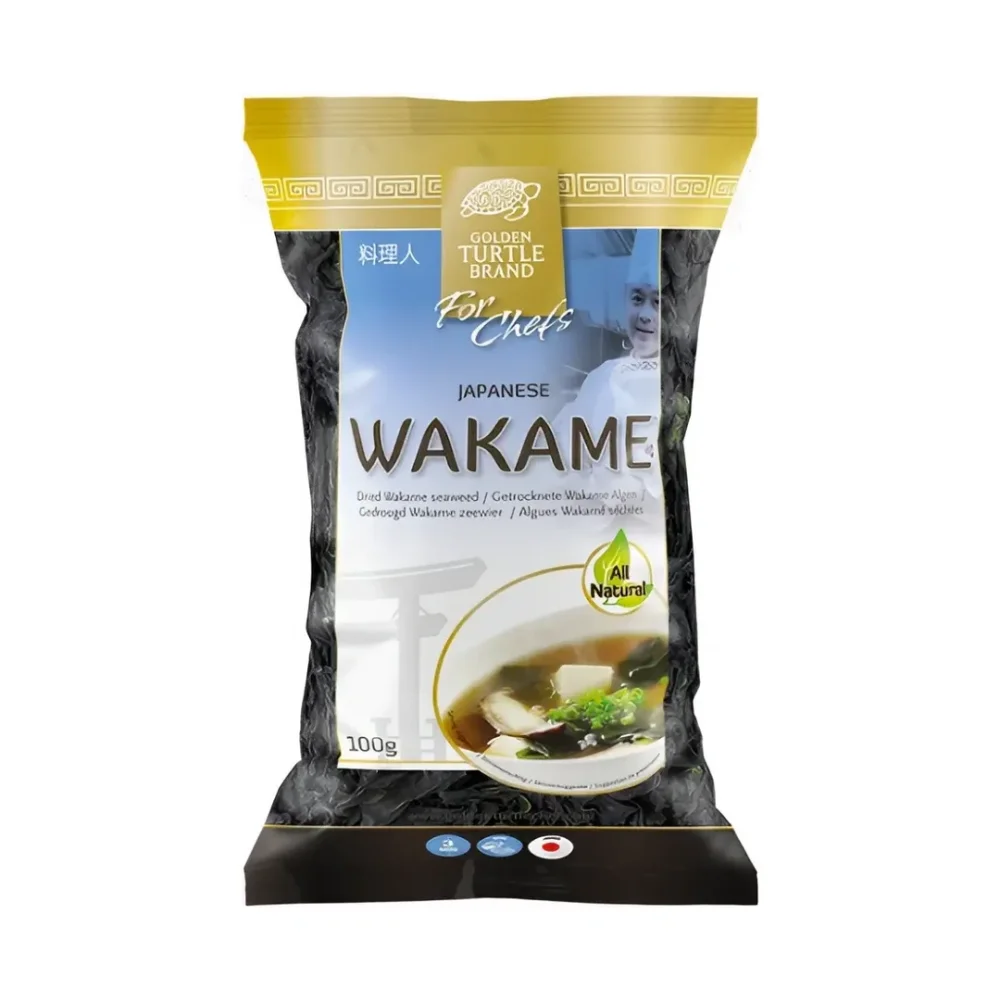
If you enjoy similar "umami building blocks," it's useful to know sea products and seaweed as well. As an example of a dried ingredient that significantly changes volume after soaking and works great in soups and bowls, you can also consider wakame seaweed (the principle of working with dried ingredients is similar, although the flavor role is different).
If you want to connect the taste of dried mushrooms with "marine" umami, it makes sense to explore the guide Sea Products.
Where dried mushrooms shine most in meals (without a recipe, but specifically)
Soups and broths: depth without complicated seasoning
Dried mushrooms are especially useful in soups and broths as a source of depth. They often work as a "quiet" component, which you do not perceive as a dominant mushroom taste in the finished dish, but as an overall fuller base. Here, it typically pays to work with soaking water and add it gradually.
Noodle dishes and rice bowls: umami + texture
In noodles or rice bowls, the advantage is that you can choose whether the mushroom should be more of a flavor background or a full-fledged ingredient. If you want "just" umami, work with a smaller amount and support it with broth. If you want texture too, squeeze the mushrooms well after soaking and only then incorporate them into the dish so they don’t cook unnecessarily long.
As a rough guide to these meals, the category Rice and Rice Productscan also be useful because "bowls" are a typical meal where dried mushrooms can make a big difference.
Stir-fry and quick pan dishes: water control and clean flavor
In quick pan dishes, the biggest difference is how you work with soaking water. If you don't squeeze the mushrooms well in advance, you can easily turn the pan contents into steaming and the flavor disperses instead of roasting. On the other hand, if you prepare the mushrooms "dry" (squeeze, possibly cut off hard parts), they work as a full-fledged ingredient that carries both flavor and texture at the same time.
How to recognize good dried shiitake and choose wisely
Several simple quality signals help with dried shiitake:
- Fuller aroma (the scent should not feel dusty or "stale").
- Well-shaped caps – often indicate careful selection and processing.
- Elasticity and pronounced flavor after soaking – this is a practical test you notice best during first uses.
And one more useful reflection from general Asian ingredient selection: don't try to decide just by the impression of "strength" or "authenticity." It's better to choose a type that fits what you're cooking (broth vs. texture) and avoid buying a specialized ingredient when you don't yet know exactly what you'll use it for at home.
Most common mistakes when working with dried mushrooms (and how to help yourself)
- Soaking too quickly with hot water: it’s practical, but often worse in flavor than slow soaking in cold water. If you're in a hurry, take it as a compromise.
- Thoughtless disposal of soaking water: often part of the flavor is in it. Instead of automatically discarding it, keep it aside and decide based on how the dish tastes.
- Poor handling of water before the pan: if you don’t squeeze mushrooms after rehydration, they can unnecessarily "water down" the whole dish. Squeezing helps, or optionally letting them drain briefly.
- Ignoring tougher parts: when some parts remain tough, they disrupt the finished dish. The solution is simple: cut them off after soaking.
- Expecting dried mushroom to taste like fresh: with dried mushrooms (especially shiitake) it is often a different ingredient. Once you accept it, you start using them more purposefully and with better results.
What to take away from the article
- Dried mushrooms in Asian cuisine often function as an independent ingredient, not just a substitute for fresh ones.
- For the best result, it's worth soaking longer and gently; slow soaking in cold water often tastes better than quick pouring with hot water.
- Soaking water usually should not be discarded automatically – it can be a valuable part of the flavor if used consciously.
- After rehydration, mushrooms should be squeezed well and optionally hard parts removed; this provides better texture and control over the result.
- When choosing, think based on the role in the dish: shiitake for umami, other types for texture, for broth and quick pan dishes depending on what you’re cooking.

Read next
If you want to explore this topic further, continue with these related blog guides and articles:
