

 Česky (CZK)
 Slovensky (EUR)
 Deutsch (EUR)
 Austria
 Belgium
 Bulgaria
 Croatia
 Denmark
 Estonia
 Finland
 France
 Germany
 Greece
 Hungary
 Italy
Italy Latvia
 Lithuania
 Luxembourg
 Netherlands
 Poland
 Portugal
 Romania
 Slovenia
 Spain
Spain Sweden










How to Choose Noodles
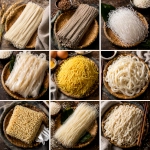
This guide explains how to choose noodles for Asian cooking by focusing on the key differences between noodle styles and how those differences affect texture, cooking time, and the dishes they suit. You will find practical, easy-to-follow criteria for comparing noodles and understanding what to look for when a recipe calls for a specific type.
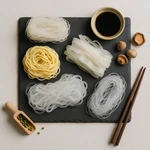
How to read packaging and types of Asian noodles: how to recognize what will really work for you at home
With Asian noodles, the name on the front of the package is often only indicative. Whether the noodles are suitable for broth, wok, or a cold bowl is usually decided by their ingredients, thickness, and pre-treatment. In this guide, we will show you how to read labels, what the main noodle families are (wheat, rice, buckwheat, starch-based, and konjac), and how to choose a type that won’t overcook, fall apart, and gives the dish exactly the texture you expect.
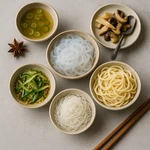
How to choose noodles for soup, stir-fry, and salad (so they work even after cooking)
With Asian noodles, the most common disappointment doesn’t come from a “low-quality product” but from choosing the wrong type for the particular dish. In this guide, you’ll clarify based on the material (wheat, rice, buckwheat, starch, konjac), thickness, and behavior in broth, in a pan, and after cooling – and you’ll learn to choose noodles as practically as in Asian kitchens.
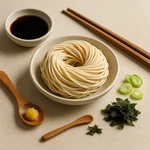
Ramen Noodles: How to Choose Them, Cook Them Right, and Pair Them for the Best Flavor
Broth, toppings, aroma oil—ramen gets a lot of attention for what’s on top. But the real backbone of the bowl is the noodle: springy, satisfying, and able to carry flavor. Here’s a practical guide to ramen noodles (fresh, dried, instant), how to cook them for the ideal bite, and how to use them not only in soup but also in quick stir-fries and “no-broth” bowls.
For a broader ingredient overview, see How to Choose Asian Ingredients , and continue with related guides like How to Choose Soy Sauces or How to Read Labels and Ingredients .