

 Česky (CZK)
 Slovensky (EUR)
 Deutsch (EUR)
 Austria
 Belgium
 Bulgaria
 Croatia
 Denmark
 Estonia
 Finland
 France
 Germany
 Greece
 Hungary
 Italy
Italy Latvia
 Lithuania
 Luxembourg
 Netherlands
 Poland
 Portugal
 Romania
 Slovenia
 Spain
Spain Sweden










Ramen Noodles: How to Choose Them, Cook Them Right, and Pair Them for the Best Flavor
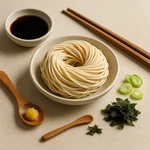
🍜 What makes ramen noodles “ramen”?
Ramen noodles are typically wheat-based noodles designed to stay pleasantly firm in hot broth. What sets them apart from many standard wheat noodles is their springy texture and a slightly “snappy” bite.
Many ramen noodles are made with an alkaline ingredient (often referred to as kansui in ramen-making). Alkalinity helps create that signature chew and resilience, so the noodles don’t turn soft the moment they hit steaming soup. Flavor-wise, ramen noodles are usually subtle—mild wheat notes—so they can absorb and highlight whatever seasoning, broth, and oil you build around them.
Ramen as we know it became iconic in Japan, influenced by earlier Chinese-style wheat noodles and evolving into countless regional styles. Today, the “ramen bowl” idea is global: you can keep it traditional, or make it fast and flexible at home—starting with the right noodles.
✨ Types of ramen noodles (and when each one shines)
In shops you’ll generally find three main formats. The best choice depends on how much time you have and what kind of dish you’re making.
1) Fresh ramen noodles
Best for: restaurant-style chew, quick cooking, a “bouncy” bite.
Fresh noodles cook fast and tend to feel the most elastic. They’re great when you want a clean, well-textured bowl and you’re serving immediately.
2) Dried ramen noodles
Best for: pantry-friendly ramen nights, consistent results, soup or stir-fry.
Dried ramen noodles are versatile and store well. They usually keep good bite if you cook them properly and are a smart everyday choice for both broth ramen and saucy noodle bowls.
3) Instant ramen
Best for: speed, late-night meals, easy upgrades.
Instant ramen is designed to be quick and satisfying. Some come with seasoning packets; you can use them as-is or treat them as a “base” and add fresh vegetables, an egg, leftover meat, and a splash of aroma oil to make the bowl feel more complete.
🔥 How to cook ramen noodles so they stay springy
The difference between “fine” noodles and noodles you’ll crave is usually 30–60 seconds of timing and a couple of small habits.
✅ Core method (works for most ramen noodles)
- Use plenty of water so the noodles can move freely and don’t glue together.
- Stir early (especially in the first 20–30 seconds) to separate strands.
- Cook to “firm-tender” rather than fully soft. In a hot bowl, noodles keep cooking for a moment.
- Drain thoroughly. Extra water dilutes your seasoning and can flatten the flavor.
🫧 A simple trick for a cleaner-tasting bowl
If you’re making ramen with broth, cook the noodles in a separate pot and then add them to the serving bowl. This helps your broth stay clearer and lets you control noodle texture more precisely.
When to rinse noodles (and when not to)
- For soup ramen: usually do not rinse. You want the surface starch and warmth to help the broth cling.
- For cold noodles or salads: rinse briefly under cold water after draining to stop cooking and improve texture.
🌶️ What ramen noodles pair with best: building flavor in layers
Ramen noodles themselves are mild—so think in layers. Even a quick bowl can taste “ramen-like” if you hit a few key notes.
- Salty base: soy-forward seasoning, miso-style seasoning, or a simple salted broth.
- Aromatics: garlic, ginger, scallion, toasted sesame.
- Fat for aroma and richness: a drizzle of sesame oil, chili oil, or rendered fat transforms the bowl.
- Heat: chili flakes, chili paste, spicy seasoning packets, or hot oil.
- Fresh contrast: something crisp or green (scallions, bok choy, bean sprouts).
Toppings that rarely fail: a soft-boiled egg, roasted mushrooms, tofu, sliced pork/chicken, sweet corn, nori, sesame seeds, and finely sliced spring onion.
🍽️ Ramen noodles beyond soup (fast, useful ideas)
Ramen noodles are not limited to broth. If you keep a pack in the pantry, you can turn them into multiple quick meals.
1) “No-broth” ramen bowl (mazemen-style)
Cook and drain the noodles, then toss them with a concentrated sauce (soy-based or miso-inspired) plus a little aroma oil. Top with an egg, scallions, and something crunchy.
2) Quick stir-fry ramen
Parboil noodles until just underdone, drain well, then stir-fry briefly with vegetables and your preferred seasoning. The key is short wok time—you’re finishing the noodles, not boiling them again.
3) Cold noodle salad
Cook noodles, rinse cold, and toss with a light, tangy dressing and lots of crunchy vegetables. Great for warm days and meal prep (store dressing separately if possible).
🧊 Choosing and storing ramen noodles: practical checklist
How to choose
- For classic soup ramen: pick noodles that emphasize chew (often labeled ramen; alkaline wheat noodles are common).
- For strong, creamy broths: slightly thicker noodles hold up well and feel more satisfying.
- For light broths or quick bowls: thinner noodles feel clean and cook quickly.
- For spicy, bold flavors: wavy noodles often grab seasoning well and feel hearty.
Storage basics
- Dried noodles: keep sealed, cool, and dry; treat them like pasta.
- Instant noodles: store away from heat to protect flavor packets and oils.
- Fresh noodles: follow the date on pack; refrigerate and use promptly. If freezing is allowed by the brand, portion well and thaw gently.
⚠️ Common ramen noodle mistakes (and easy fixes)
- Overcooking: drain earlier than you think—heat in the bowl finishes the job.
- Clumping: use more water and stir at the start.
- Watery flavor: drain well and build a stronger base (salt + aroma + fat).
- Soggy leftovers: store noodles and broth/sauce separately when possible, then combine just before eating.
🥢 Quick 10-minute ramen bowl (a simple template)
This is not a “traditional” recipe—just a dependable structure you can repeat.
- Cook noodles in a separate pot until firm-tender; drain well.
- Season your bowl with a salty base (use what you have) plus a teaspoon of sesame or chili oil.
- Add hot broth (or hot water plus seasoning if using instant), then add noodles.
- Top with an egg, scallions, and any quick-cooking veg (spinach, bok choy, mushrooms).
Our picks (easy starting points)
- Golden Turtle Chef Ramen noodles 375 g – a pantry-friendly dried option for soup or stir-fry.
- Otoki Instant Noodles Jin Ramen 120 g – quick comfort with classic flavor.
- Otoki Instant Noodles Jin Ramen Spicy 120 g – for a hotter, bolder bowl that’s easy to upgrade.
FAQ
Do ramen noodles need to be cooked separately from the broth?
Not strictly, but it’s often worth it. Separate cooking helps keep broth cleaner and makes noodle texture easier to control—especially if you’re aiming for a springy bite.
Why do my noodles turn soft so fast in soup?
They’re likely overcooked before serving, or they sit too long in very hot liquid. Cook slightly less, assemble quickly, and store noodles separately if you’re making leftovers.
Are instant ramen noodles only for soup?
No. You can drain them and use the noodles for a stir-fry or a no-broth bowl—just adjust seasoning and add a bit of oil so they don’t taste flat.
Related categories
Browse the matching shop category:

Recommended products2
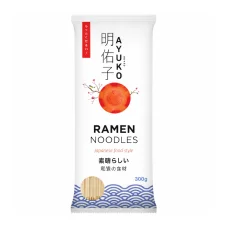
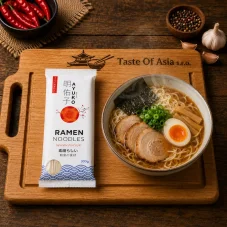
Ayuko Ramen Noodles 300 g
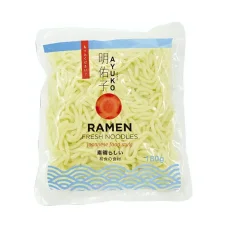
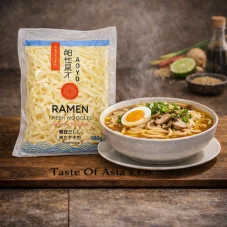


Ayuko Fresh Ramen Noodles 180 g
Read next
If you want to continue with the same topic, here are more related articles to explore: