

 Česky (CZK)
 Slovensky (EUR)
 Deutsch (EUR)
 Austria
 Belgium
 Bulgaria
 Croatia
 Denmark
 Estonia
 Finland
 France
 Germany
 Greece
 Hungary
 Italy
Italy Latvia
 Lithuania
 Luxembourg
 Netherlands
 Poland
 Portugal
 Romania
 Slovenia
 Spain
Spain Sweden










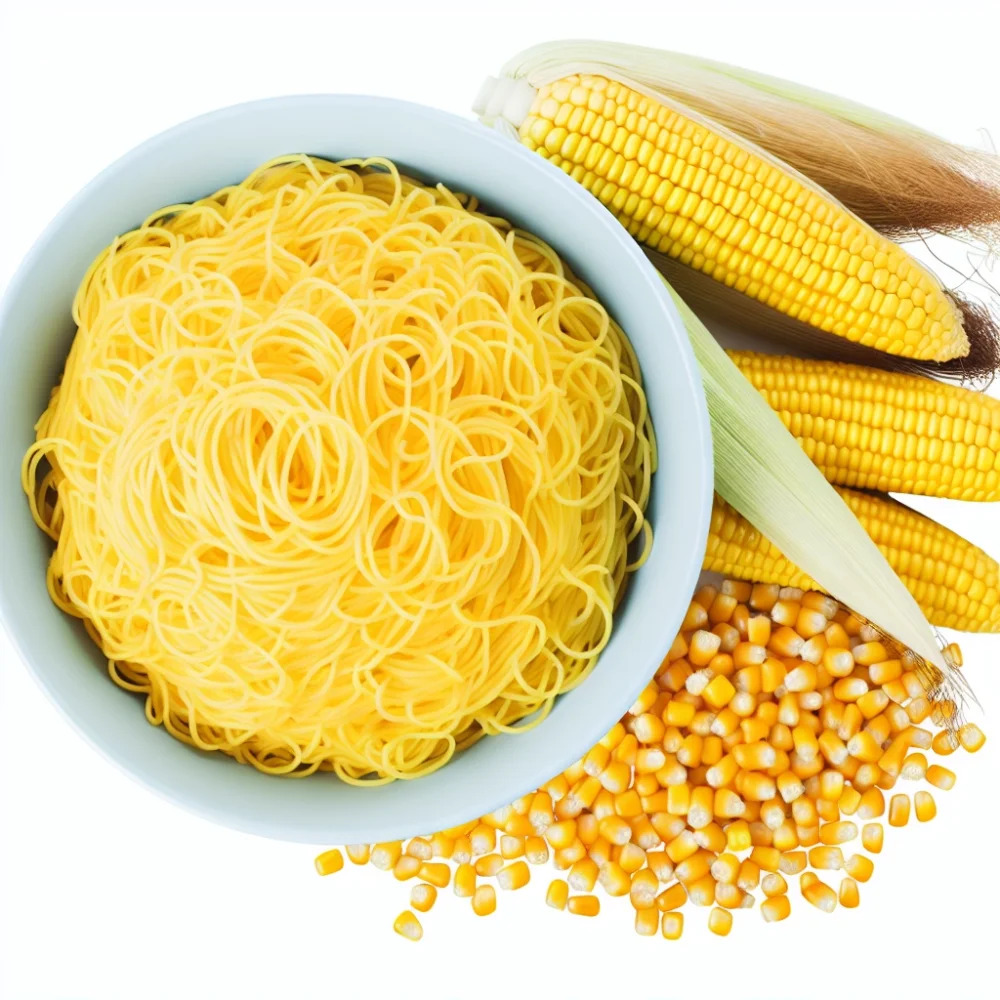
Corn noodles
🌽 Corn noodles: light, gluten-free and great at carrying sauce
Corn noodles are a handy choice when you want a mild flavor, quick cooking and a gluten-free base. They soak up sauces well and let aromatics like garlic and ginger shine. They are also popular in “bihon” style dishes, where thin noodles are tossed quickly in a pan for a street-food feel.
Asian ingredients available at Asian Food Shop
💡 Note: Corn noodles can overcook faster than wheat noodles. Cook briefly and finish in the pan if needed.
🕰️ Origin and background
Corn noodles became popular in modern home cooking mainly as an alternative to wheat-based noodles. Part of the appeal is gluten-free recipes, part is the lighter feel in finished dishes. In practice, they work best in meals where the sauce provides most of the character.
Quick insight
In thin “bihon” style noodles, texture is everything. The goal is springy and coated, not mushy or broken.
🧪 Types and what they are made of
Corn noodles are made from a corn-based ingredient and water. They are mild, quick to prepare and designed to carry sauce. Thin types are the most versatile for everyday stir-fries and lighter soups.
Browse options in Corn Noodles
👃 Flavor profile
- 🌽 mild corn note that stays in the background
- ⚡ absorbs sauces quickly
- 🔥 light toasted note after stir-frying
- 🧂 excellent with salty umami seasonings
✅ Tip: A slightly thicker sauce coats noodles better than a watery one, especially with thin noodles.
🍳 Best ways to use corn noodles
🔥 Stir-fries
Build flavor with Light soy sauce, aromatics and a little fat from Oils.
🍲 Soups
Great for a lighter noodle soup. To avoid overcooking, cook separately and add at the end.
🥗 Cold noodle salads
After chilling, they work well with tangy dressings. Acid options can be found in Vinegars. Drain thoroughly so the dressing stays concentrated.
🍤 Mild proteins
Because the noodles are mild, they pair well with chicken, tofu, eggs or shrimp.
🫶 Nutrition context
Corn noodles are mainly a source of energy. Balance comes from adding vegetables and protein. The “heaviness” often depends more on the sauce, including salt, sugar and oil, which is why seasoning choices like Sugar and salt matter.
✅ How to choose corn noodles
- thickness thin noodles cook fast, thicker noodles handle more tossing
- use case stir-fry, soup or cold salad
- timing cook briefly and finish in the pan
- sauce slightly thicker sauces coat better
💡 Practical: A quick rinse and thorough draining help prevent clumping and overcooking.
🛒 Product picks
- Super Q Brand Corn noodles Bihon Golden 227 g thin noodles ideal for bihon style stir-fries where the sauce is absorbed quickly
- Mother's Choice Sauce for rice noodles Bihon Guisado 40 g an easy seasoning shortcut when you want consistent flavor
- Mama Sita's Sauce for rice noodles Pansit Bihon 40 g a solid option for Filipino pansit style dishes
🍜 Recipe: Filipino pansit bihon with corn noodles, chicken and vegetables
A fast pan-tossed classic: noodles absorb flavor, vegetables stay crisp-tender and everything is held together by a simple sauce.
Ingredients
- corn noodles 200 to 250 g
- chicken breast 250 g
- carrot 1
- white cabbage 200 g
- onion 1
- garlic 3 cloves
- spring onion to finish
- light soy sauce 2 to 3 tbsp
- rice vinegar 1 to 2 tsp
- sugar 1 tsp
- oil 1 to 2 tbsp
- stock or water 250 to 350 ml
- black pepper to taste
Method
- Prepare noodles according to the package. Rinse briefly with cold water and drain very well.
- Slice chicken thinly. Cut vegetables into fine strips.
- Heat a pan or wok, add oil, sauté onion and garlic briefly.
- Add chicken and sear quickly.
- Add carrot and cabbage and stir-fry shortly so vegetables stay crisp-tender.
- Add soy sauce, rice vinegar and sugar, then pour in part of the stock or water.
- Add noodles and toss quickly so the liquid is absorbed. Add more liquid gradually only if needed.
- Season with pepper and finish with spring onion.
✅ Tip: Too much liquid and too much stirring are the most common issues. Add stock gradually and stop when noodles are coated and springy.

Recommended products1
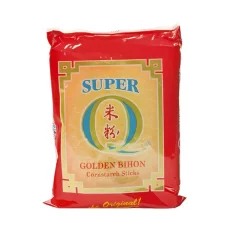
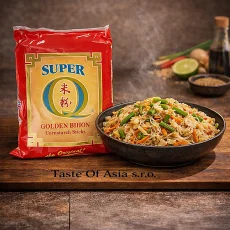
Super Q Brand Corn noodles Bihon Golden 227 g
Read next
If you want to continue with the same topic, here are more related articles to explore: