

 Česky (CZK)
 Slovensky (EUR)
 Deutsch (EUR)
 Austria
 Belgium
 Bulgaria
 Croatia
 Denmark
 Estonia
 Finland
 France
 Germany
 Greece
 Hungary
 Italy
Italy Latvia
 Lithuania
 Luxembourg
 Netherlands
 Poland
 Portugal
 Romania
 Slovenia
 Spain
Spain Sweden










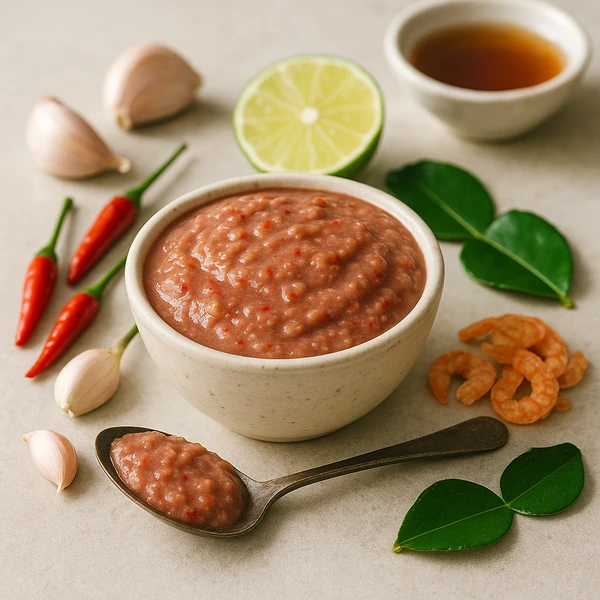
Nam Prik Kapi (Thai Shrimp Paste Chili Dip): the Bold Classic That Wakes Up Rice and Veg
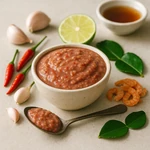
Some condiments are meant to sit politely on the side. Nam Prik Kapi is not one of them. It’s the kind of Thai table dip that changes the whole plate—salty, funky, spicy, and lifted with lime—so even a bowl of rice and a few raw vegetables suddenly taste intentional.
In Thailand, “nam prik” dips are everyday food: a small bowl of concentrated flavor served with rice and whatever is available—herbs, vegetables, grilled fish, or a fried egg. The kapi version (made with shrimp paste) is among the most iconic because it delivers deep umami in a way that plain chili sauce simply can’t.
🌶️ What exactly is Nam Prik Kapi?
Nam Prik Kapi is a traditional Thai chili dip made by pounding or blending fermented shrimp paste with chilies and sour elements—most commonly lime juice. Many home recipes also include garlic, a touch of sweetness (palm sugar or sugar), and sometimes fish sauce to fine-tune saltiness.
Think of it as a “flavor concentrate”: you don’t pour it like a dressing. You dab, dip, and mix it into bites of rice and vegetables. That’s the point—maximum impact from a small amount.
👃 Flavor profile: salty umami + lime + heat
Nam Prik Kapi works because it balances the core tastes Thai food is famous for:
- Umami & salt from shrimp paste: rich, savory, and distinctly oceanic.
- Heat from fresh chilies: sharp and lively rather than “sweet-hot.”
- Acidity from lime: brightens the dip and keeps the fermented notes from feeling heavy.
- Optional sweetness: a small amount can round off edges and make the dip feel more cohesive.
The aroma can be intense if you’re new to shrimp paste. That’s normal—and it’s also why the lime and chili matter so much: they open the flavor and make it feel fresh, not flat.
🍚 Why it’s so good with rice (and not just as a dip)
Rice is a natural partner because it softens the dip’s intensity while letting its complexity come through. If you’ve ever felt that plain rice needs “something,” Nam Prik Kapi is that something—especially alongside crisp vegetables that add crunch and freshness.
A classic Thai-style plate built around this dip often follows a simple pattern:
- Rice as the neutral base
- Fresh or lightly blanched vegetables (cucumber, long beans, cabbage, leafy greens)
- A protein (grilled fish, shrimp, or a fried/boiled egg)
- A small bowl of Nam Prik Kapi to bring it all together
🥒 Practical ways to use it at home
You don’t need a full Thai spread to enjoy Nam Prik Kapi. Here are easy, realistic uses:
- Vegetable dip: cucumbers, sugar snap peas, blanched green beans, or steamed broccoli.
- Rice companion: serve it on the side and mix a little into each bite (start small).
- With eggs: a fried egg on rice plus a spoon of dip is a fast, satisfying meal.
- With fish: especially simple grilled or pan-fried fish that benefits from acidity and punch.
- As a “finisher”: add at the table rather than simmering it—lime stays brighter and the aroma cleaner.
🦐 Shrimp paste basics: choosing it and making it taste its best
Shrimp paste is the backbone of Nam Prik Kapi. It’s fermented, concentrated, and naturally salty—so a little goes a long way.
✅ Tips for balancing shrimp paste (without losing its character)
- Start with less than you think, then adjust. Once it dominates, it’s hard to pull back.
- Use enough acid (lime is ideal). It brightens the dip and helps the aroma feel more appetizing.
- Be cautious with extra salt. Fish sauce can be helpful, but shrimp paste already brings plenty of salinity.
- Add sweetness only if needed. The goal isn’t a sweet chili sauce—just a small counterweight.
Allergens: shrimp paste contains shellfish, and many versions include fish sauce. It’s not suitable for people with shellfish allergies.
⚠️ Common mistakes (and how to avoid them)
- Overdoing the shrimp paste: the dip turns heavy and one-note. Fix by adding more lime and a touch of sugar, then dilute with a little water.
- Not enough lime: the flavor feels harsh and overly “fermented.” Add acidity gradually until it tastes lively.
- Pairing it with already strong sauces: Nam Prik Kapi shines with simple foods—rice, vegetables, eggs, grilled fish—not alongside thick, sweet, or creamy sauces.
- Storing uncovered: the aroma spreads quickly. Use a tight container.
🧊 Storage and serving notes
Because it contains salty fermented ingredients and fresh lime, Nam Prik Kapi keeps best when chilled and well sealed.
- Refrigerate in a clean, airtight container.
- Use clean utensils to prevent spoilage.
- Let it sit 5–10 minutes after mixing so the flavors meld; re-taste and adjust lime/heat before serving.
🍋 Simple home-style method (optional, no-fuss)
If you want the idea without strict measurements, follow this logic: shrimp paste + chilies + lime + (optional) a pinch of sugar.
- Pound or blend chilies and garlic (if using) into a rough paste.
- Add a small amount of shrimp paste and mash until integrated.
- Stir in lime juice a little at a time until it tastes bright, not heavy.
- Optional: add a pinch of sugar to round off sharpness.
- Serve with rice, cucumbers, and an egg or grilled fish.
🛒 Our picks
- Maepranom Kapi Shrimp paste 100 g – a classic base ingredient when you want authentic depth in Nam Prik Kapi.
❓ FAQ
Is Nam Prik Kapi the same as sweet chili sauce?
No. It’s typically much more savory and fermented, with lime-forward acidity and a sharper chili heat. Sweetness (if used) is subtle.
What vegetables work best for dipping?
Crunchy, watery vegetables balance it well: cucumber, long beans, cabbage, radish, and lightly blanched greens.
Can I cook with it?
You can, but it’s usually best as a finishing condiment. Heat can mute the lime and flatten the brighter notes, so add it late if using in a stir-fry.

Recommended products1
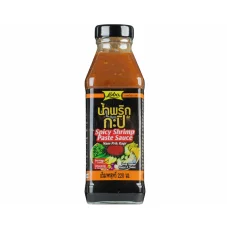
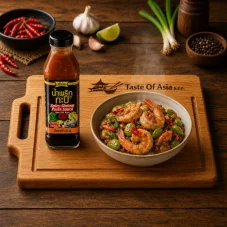


Lobo Spicy Shrimp Paste Sauce (Nam Prik Kapi) 220 ml
Read next
If you want to continue with the same topic, here are more related articles to explore: