

 Česky (CZK)
 Slovensky (EUR)
 Deutsch (EUR)
 Austria
 Belgium
 Bulgaria
 Croatia
 Denmark
 Estonia
 Finland
 France
 Germany
 Greece
 Hungary
 Italy
Italy Latvia
 Lithuania
 Luxembourg
 Netherlands
 Poland
 Portugal
 Romania
 Slovenia
 Spain
Spain Sweden










Baking and Sweet Preparation Techniques
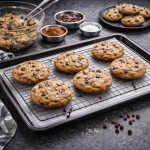
This section focuses on baking and sweet preparation in Asian cooking, bringing together articles that explain key methods, typical approaches, and practical tips for working with sweet components and baked-style preparations across different cuisines.
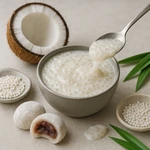
Texture of Asian desserts: why it matters and how to “read” it at home
With Asian desserts, it's often less about how sweet they are and more about how they feel in the mouth: springy, chewy, jellied, creamy, icy, or crunchy. This article will help you understand the most common textures, why they occur, which ingredients and techniques create them — and, most importantly, how to use texture to guide your choices and first attempts at home.
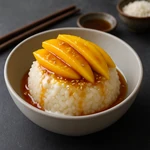
Sweet preparation in Asian cuisine: techniques, textures, and ingredients that change the rules
Sweet preparation in Asian cuisine often does not follow the “European” logic of cakes, butter creams, and wheat flour. It is much more about working with texture (elasticity, jelly, smoothness, layering), rice and starches, coconut bases, bean pastes – and techniques that are not just baking in the oven. This guide will help you navigate what is typical for Asian desserts, why they are so different, which techniques are most often repeated, and how to choose a good “starter” direction at home without unnecessary mistakes.
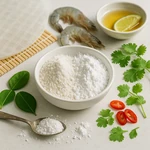
How to work with rice and tapioca flour: texture, techniques, and common mistakes
Rice and tapioca flour are fundamental building blocks in many Asian sweets – not because they "replace wheat," but because they help create specific textures: elastic, sticky, slippery, jelly-like, or pudding-like. If you approach them with the same logic as cake flour, you will often end up disappointed. This guide will help you understand how to think about them, how to choose the right technique (steaming, setting, baking…), and what to avoid.
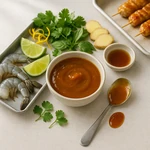
Baking in Asian cuisine: why thinking only about the oven is not enough
Baking in Asian cuisine exists and has its firm place – it just often doesn’t follow the same logic as Central European "I’ll bake a cake" baking. For both sweets and savory dishes, working with texture is equally important, and alongside the oven, steam, setting (gelation), cooling, molding, or brief finishing baking or frying play a significant role. This article will help you understand the differences and choose a technique that makes sense at home.
To broaden your technique toolkit, continue with Marinating and Seasoning for flavour-building basics, Frying and Grilling for high-heat methods, or Steaming for gentle, moisture-focused cooking.