Česky (CZK)
 Slovensky (EUR)
 Deutsch (EUR)
 Austria
 Belgium
 Bulgaria
 Croatia
 Denmark
 Estonia
 Finland
 France
 Germany
 Greece
 Hungary
 Italy
Italy Latvia
 Lithuania
 Luxembourg
 Netherlands
 Poland
 Portugal
 Romania
 Slovenia
 Spain
Spain Sweden










Chinese Cuisine: key dishes, flavours and basics

This guide gathers articles that explain the foundations of Chinese cuisine, from the flavour balance and pantry staples to common cooking approaches and how different dishes fit together in everyday meals.
Regions of Chinese cuisine: how to navigate them and what it changes in your cooking
"Chinese cuisine" is not one style, but a large family of regional cuisines. In practice, this means that the basic side dishes (rice vs. wheat), typical ingredients (coast vs. inland), and flavor logic (somewhere spiciness dominates, elsewhere broth or sweet and sour) differ. In this article, you will get a simple orientation in the regions and mainly a practical guide on how to transfer this diversity into home cooking without chaos.
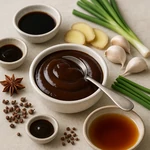
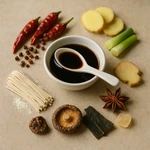
Typical Chinese ingredients: what forms the basis of flavor and how to use them at home
"Chinese cuisine" is not a single uniform tradition, but a wide family of regional styles. Nevertheless, certain ingredients are repeated in it, without which home cooking with Chinese influences often sounds flat or "un-Chinese." In this guide, you will find an overview of the most typical ingredients, their function in dishes, the main differences, and practical tips for first use.
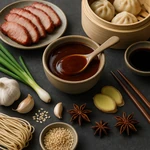
Typical Chinese dishes: overview of groups and what to taste
Chinese cuisine represents many different worlds of flavors. In this article, you will find an overview of the main groups of typical dishes, representative dishes (what they are and how they taste), practical tips for starting at home, and the most common mistakes to avoid.
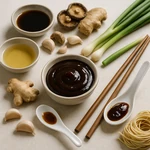
How to start with Chinese cuisine: first orientation, first purchase, and first meals that make sense
Chinese cuisine is a great gateway to Asian cooking – but only if you don't approach it as one "universal" cuisine and don't try to cook everything right away. In this guide, you'll create a simple map (north vs. south, basic regional framework), choose the first types of dishes to make at home, and understand how to start with sauces and seasonings without typical shopping mistakes.
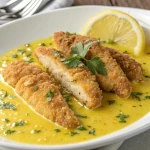
Cantonese Lemon Chicken (Crispy Chicken with Bright Citrus Sauce)
Cantonese-style lemon chicken is all about contrast: juicy, crispy-coated chicken pieces tossed in a glossy lemon sauce that’s sweet, tangy, and lightly savory. This home-friendly version keeps the crunch and delivers that restaurant-style citrus shine—without complicated steps.
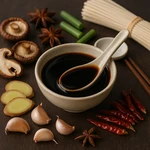
The taste of Chinese cuisine: how to recognize it, understand it, and bring it home
"Chinese taste" is not one universal sauce or one type of dish. It is a way of working with layers – saltiness, umami, subtle sweetness, sourness, spiciness, aromatic "warmth" of spices, and texture. When you understand what each layer does and how various techniques (wok, steaming, braising, broths) create it, you will navigate Chinese cuisine much more confidently – and stop confusing it with a few simplified European ideas.
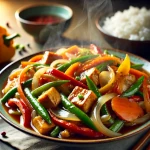
Quick Chop Suey (Chopsuey) Stir-Fry: Chicken, Tofu, or Whatever’s in Your Fridge
Chop suey is the ultimate “mix-and-match” stir-fry: tender protein, crisp vegetables, and a light savory sauce that clings to every bite. It’s fast, flexible, and perfect for using up leftover veg—served over rice or noodles for an easy weeknight meal.
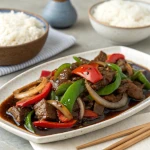
Black Pepper Stir-Fry (Quick Wok Dinner)
This black pepper stir-fry is all about bold aroma, a glossy savory sauce, and crisp-tender vegetables—ready in about 25 minutes. Use chicken, beef, or tofu, and don’t be shy with freshly ground black pepper.
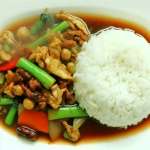
Kung Pao Chicken Stir-Fry (Quick, Spicy & Nutty)
Kung Pao chicken is a classic Sichuan-style stir-fry built on contrasts: tender bites of chicken, crunchy peanuts, fragrant dried chilies, and that signature sweet-sour-salty heat. This version is streamlined for home cooking while keeping the bold flavor balance that makes Kung Pao so addictive.
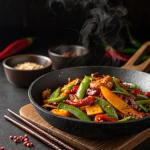
Traditional Sichuan Stir-Fry (Mála Chicken with Crunchy Veg)
This Sichuan-style stir-fry is all about contrast: tender slices of chicken, crisp vegetables, and a bold, glossy sauce with chilli heat and that signature tingly “mála” kick from Sichuan peppercorns. It’s fast, weeknight-friendly, and easy to adapt to whatever you have in the fridge.
To place Chinese cuisine in a wider context, you can compare it with nearby traditions such as Taiwanese Cuisine or explore broader overviews in Regional Styles of Asia ; for practical technique background, see Wok Cooking .