Česky (CZK)
 Slovensky (EUR)
 Deutsch (EUR)
 Austria
 Belgium
 Bulgaria
 Croatia
 Denmark
 Estonia
 Finland
 France
 Germany
 Greece
 Hungary
 Italy
Italy Latvia
 Lithuania
 Luxembourg
 Netherlands
 Poland
 Portugal
 Romania
 Slovenia
 Spain
Spain Sweden










Ingredient Substitutions in Asian Cooking
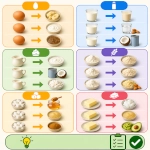
This guide focuses on ingredient substitutions used in Asian cooking, explaining how to replace hard-to-find items while keeping the intended flavour balance and texture. You will find practical notes on when a swap works well, when it changes the result noticeably, and what to look for on labels so you can match key characteristics such as saltiness, sweetness, aroma, and thickness.
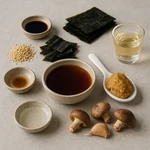
What to replace fish sauce, miso, mirin and other essentials with: honestly, functionally and without myths
Substitutes for Asian ingredients are a great backup plan – but this is exactly where the most common half-truths like “it’s the same” arise. In practice you often can’t replace the name, but rather the function in a specific dish: saltiness, umami, fermented character, gentle sweetness or a “rounding” of flavor. In the article you’ll find a simple decision system and honest, practical substitute options for fish sauce, soy sauce, miso and mirin – including when it’s better to admit the result won’t be the same.
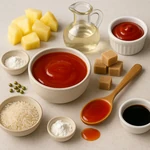
Best substitutes for key Asian ingredients (and when not to substitute)
Substitutes for Asian ingredients are practical — and at the same time deceptive. Often you’re not simply swapping “one thing for another,” but trying to replace a function: saltiness, umami, acidity, sweetness, aroma or texture. In this article you’ll find a system for making substitutions properly and with as little disappointment as possible — including cases when it’s better to admit a full substitute doesn’t exist.
For deeper context on common swap situations, see How to Choose Soy Sauces for understanding saltiness and intensity, How to Choose Curry Pastes for heat and aromatics, and How to Read Labels and Ingredients to compare similar products more confidently.