


 Česky (CZK)
 Slovensky (EUR)
 Deutsch (EUR)
 Austria
 Belgium
 Bulgaria
 Croatia
 Denmark
 Estonia
 Finland
 France
 Germany
 Greece
 Hungary
 Italy
Italy Latvia
 Lithuania
 Luxembourg
 Netherlands
 Poland
 Portugal
 Romania
 Slovenia
 Spain
Spain Sweden










Best substitutes for key Asian ingredients (and when not to substitute)
Substitutes for Asian ingredients are practical — and at the same time deceptive. Often you’re not simply swapping “one thing for another,” but trying to replace a function: saltiness, umami, acidity, sweetness, aroma or texture. In this article you’ll find a system for making substitutions properly and with as little disappointment as possible — including cases when it’s better to admit a full substitute doesn’t exist.
When a recipe is missing one “key” Asian ingredient, the most common reflex is to find something with a similar name or the same appearance. But this is exactly where half-truths like “this is the same” appear. In practice it usually doesn’t work: some ingredients can be substituted very well, others only partially — and for some it’s fair to say the result won’t be the same.
1) Rule no. 1: don’t replace the name, replace the function in the dish
Before you start looking for “what instead of what,” ask yourself a simpler and more precise question: What does this ingredient do in the recipe? With Asian seasonings it’s common for a single ingredient to carry several functions at once.
- Saltiness (but not always “ordinary” salty taste)
- Umami (depth, a “cooked” impression, fermented fullness)
- Acidity (can be sharp, mild, fruity…)
- Sweetness (sometimes rounding and “rounding out” the flavor)
- Aroma (herbaceous, fermented, marine, smoky…)
- Color (e.g. a darker tone of the sauce)
- Texture / thickness (paste vs. liquid, gloss, thickening)
Practical examples where swapping without understanding the function is misleading:
- Fish sauce is not just a “salty liquid” — it carries saltiness, umami, a fermented character and a specific aroma.
- Mirin is not just “something sweet” — it also works with gloss, aroma and the structure of the sauce.
- Tamarind is not just “something acidic” — it’s a sweet-and-sour fruity base with a darker flavor tone.
- Galangal is not the same as ginger, even though both look like aromatic rhizomes.
2) Three levels of substitution: full, functional and emergency
Not every “substitute” is the same. In practice it’s useful to distinguish three levels — and be honest about them so the result doesn’t surprise you.
Full substitute (within the same family)
This includes substitutions that change brand, origin or a specific type, but remain within the same flavor world. This is usually the safest — and often the least conflicting with the recipe. (Specific “families” differ by ingredient; in some cases it’s about different styles, in others about completely different products.)
Functional substitute (replaces the role, not the identity)
Here you don’t promise the taste will be the same. Instead you try to replace the function: for example “saltiness + umami + fermented impression,” or “acidity + fruitiness.” A functional substitute is the most common and practical option.
Emergency substitute (just so it’s not empty)
An emergency substitute usually saves the basic seasoning (typically saltiness), but the dish’s signature is lost. It makes sense when you’re cooking in a hurry or when the ingredient in the recipe is not the main one.
3) Rule no. 2: it matters whether the ingredient is the “backbone of flavor” or just a detail
The same ingredient can be essential in one dish and almost marginal in another. And that changes how “expensive” the substitution will be in terms of flavor.
When the ingredient is the backbone of flavor
In these cases substitution is hardest — and it’s better not to pretend the result will be the same. Typical situations:
- miso in miso soup,
- fish sauce in nuoc cham (Vietnamese dressing/dip) or in some Thai dressings,
- gochujang in dishes where it forms the main flavor signature,
- tamarind in a sauce where it carries the main acidity and fruity depth.
In such recipes a substitute often works only as “a different version of the dish” — which is fine if you accept it as such.
When the ingredient is supportive
Here improvisation is usually easier. For example, if there is a small amount of mirin in a broader sauce, its role can sometimes be partially replaced (with sweetness, rounding), without the dish falling apart.
4) Rule no. 3: one substitute is often not enough — build it from multiple elements
Many key Asian ingredients are not one-dimensional. Therefore “one thing instead of one thing” often isn’t enough. Typical examples of functions that are mixed together:
- fish sauce = saltiness + fermented depth + aroma
- mirin = sweetness + a subtle alcoholic note + gloss + rounding
- tamarind = acidity + fruitiness + a darker flavor tone
- gochujang = spiciness + fermented depth + sweetness + density
- oyster sauce = saltiness + umami + sweetness + thicker texture
Practical principle: instead of looking for “the one perfect substitute,” ask yourself, which two to three qualities are key for the given dish. Then try to combine them.
How to start dosing when you improvise
- Start conservatively: for intense flavorings first add roughly 1/3 to 1/2 of the amount you would use of the original (if the recipe gives an amount), and adjust.
- Build flavor gradually: salt/umami first, then acidity, then sweetness. Add aroma and spiciness in small increments.
- For sauces and dips taste them at “final concentration”: what tastes strong in the bowl can become weak after mixing with rice/noodles – and vice versa.
5) The hardest case: what to replace fish sauce with (honestly)
Fish sauce is one of those ingredients where it’s good to tell the truth without simplification: a full-fledged substitute usually doesn’t exist.
Why it’s so hard to replace
- it has pronounced saltiness,
- carries deep umami,
- has a fermented character,
- and a specific aroma that in a finished dish often doesn’t read as “fishy” but provides a flavor background.
What makes sense as a functional substitute
- Soy sauce + something mushroomy or fermented for deeper umami (often works better than “just soy sauce”).
- In dressings sometimes a slightly sweetened mix of soy sauce and another umami base can work.
- There are also vegan “fish-style” sauces based on mushrooms, seaweed, or fermented components (their principle is to catch up on umami and aroma).
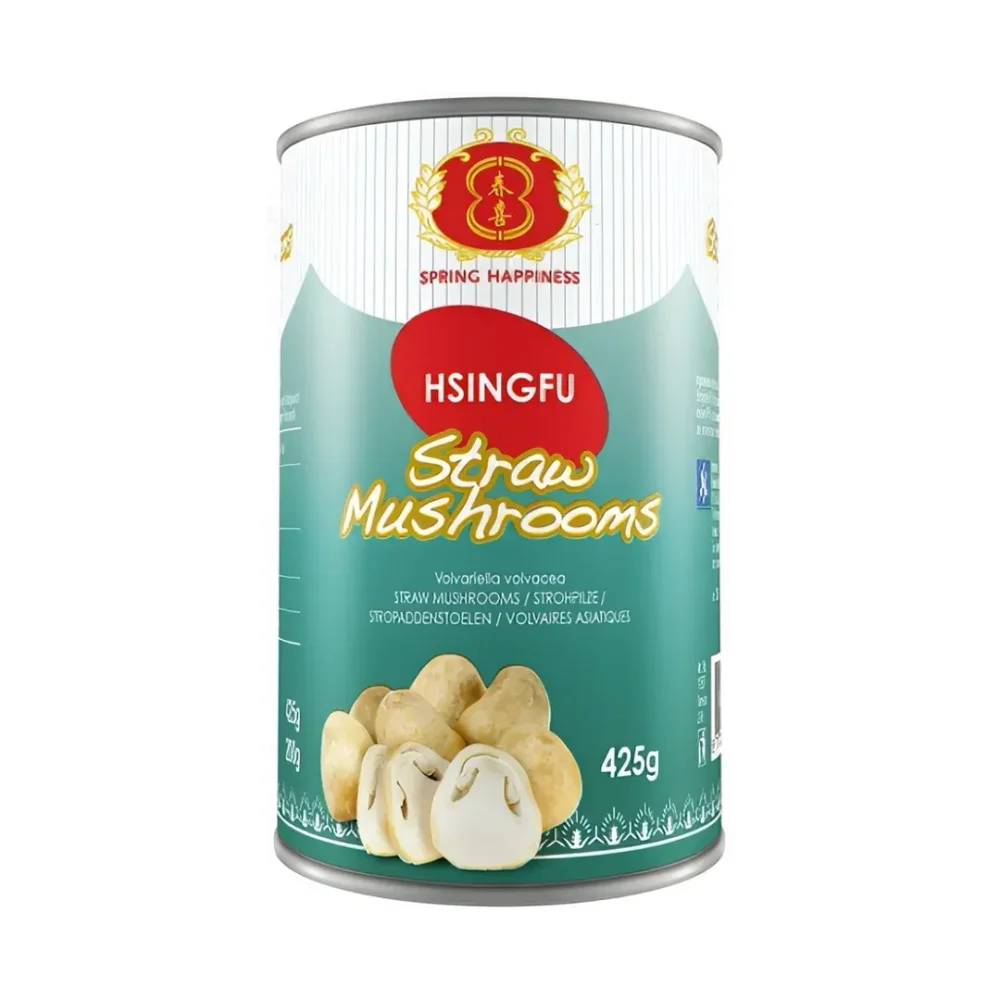
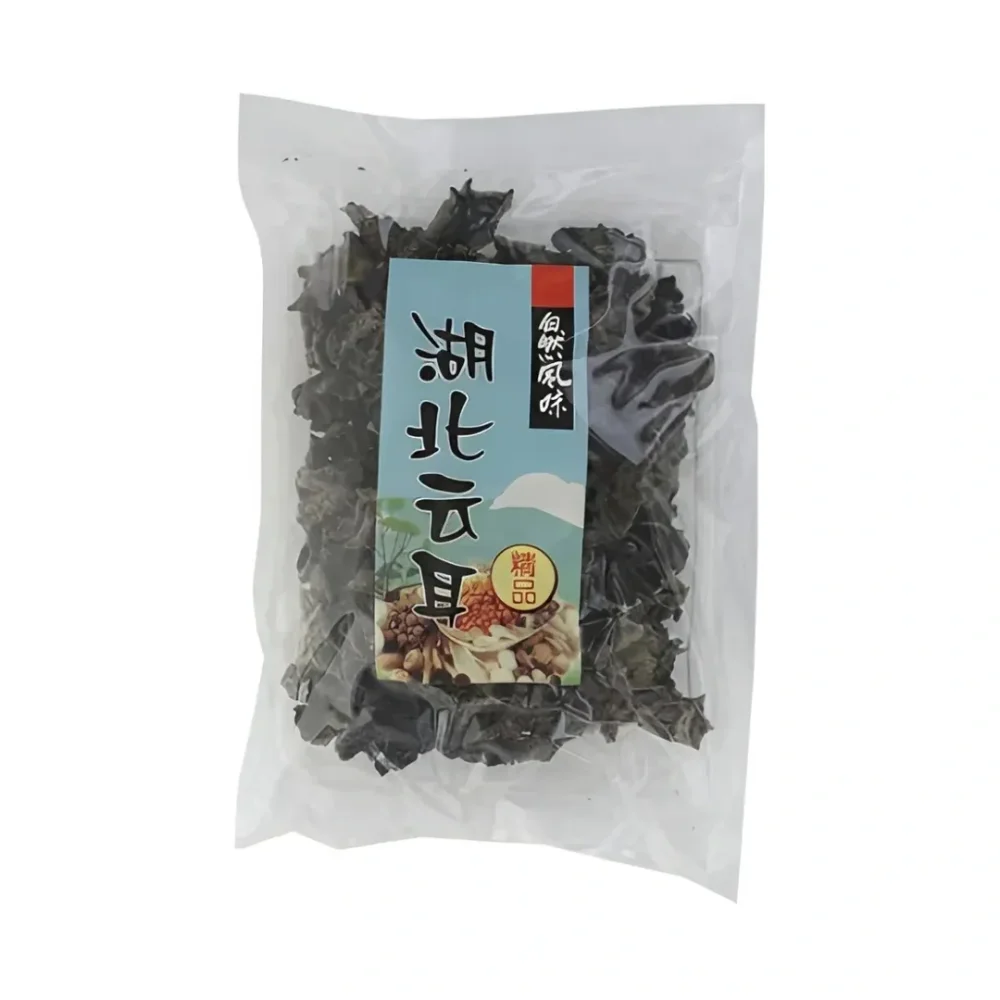
If you want to add a mushroom dimension to a dish, you can reach for mushrooms that suit soups and wok dishes well – for example straw mushrooms or dried wood ear (which also adds pronounced texture). Don’t think of them as a “replacement for fish sauce,” rather as one piece that helps fill out depth.
🌶️ What is more of an emergency solution
- plain soy sauce,
- plain salt,
- Worcestershire sauce without modification,
- anchovy paste where you need a pure liquid function (e.g., for a dip).
A fair formulation: if you don’t have fish sauce, you can replace part of its function. But you can’t fairly claim the resulting flavor will be the same.
🍳 6) Practical process: how to replace mirin, tamarind, gochujang and oyster sauce so they “hold together”
This section isn’t about universal recipes but about concrete thinking by function. For all examples: start with smaller amounts, taste, and adjust.
Mirin: when you need sweetness, rounding and “gloss”
Mirin is more than a sweetener. When a recipe uses a small supporting amount in a broader sauce, it’s often mainly about rounding and a gentle sweetness. In that case:
- add sweetness in small steps,
- make sure the sauce doesn’t flip into a “sugary” taste,
- and expect that without mirin the sauce may be less rounded and less “polished.”
Tamarind: when you need acidity + fruitiness + a darker tone
Tamarind is not just sour. If you replace it, usually adding “some vinegar” isn’t enough. You need a combination of:
- a gentle acidity (so it’s not aggressive),
- fruitiness (for character),
- and often a darker flavor tone.
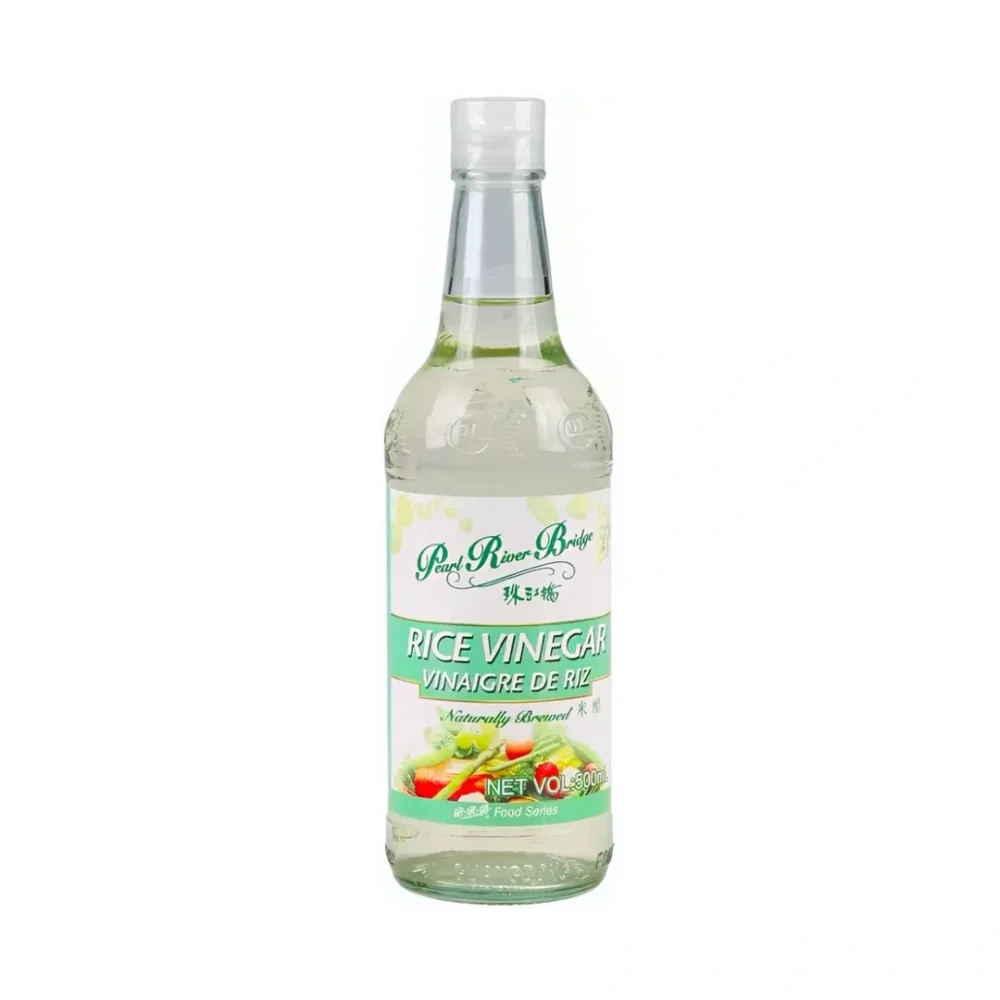
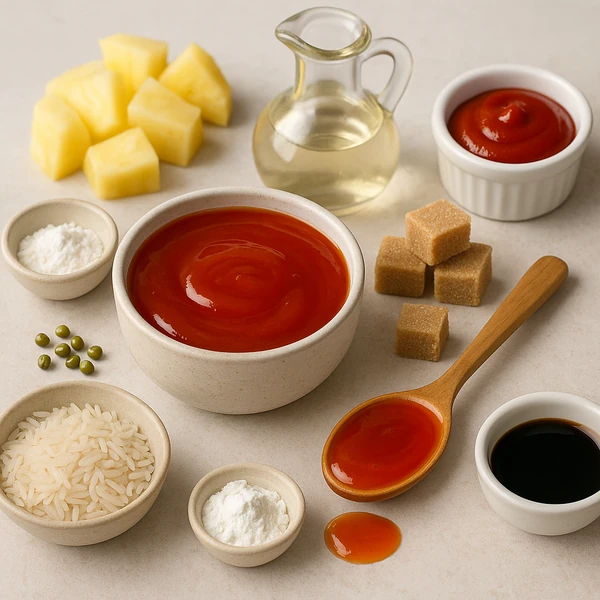
Rice vinegar can work as a gentle acidic base – for example rice vinegar. It then makes sense to look for the fruity component in categories such as fruit and fruit products or fruit sauces – typically not as “one perfect substitute,” but as a complement that helps restore fruity depth.
Gochujang: heat, fermented depth, sweetness and thickness
Gochujang is usually problematic mainly when it is the main signature of the dish. If you are replacing it in a recipe, watch four things:
- heat (but not just “spiciness” – also the character of the chili),
- fermented depth,
- sweetness,
- thickness (so the sauce doesn’t suddenly become watery and empty).
With gochujang it is usually best to build a substitute from several elements – even though the result will taste different.
Oyster sauce: saltiness + umami + sweetness + texture
Oyster sauce doesn’t just act as a “salty addition.” Often it also thickens and rounds out the sauce. When it’s missing, you often need to replace not only the flavor but also the mouthfeel (thickness, slight stickiness of the sauce on the ingredients).
If you just want to quickly “save” the sweet-and-sour profile
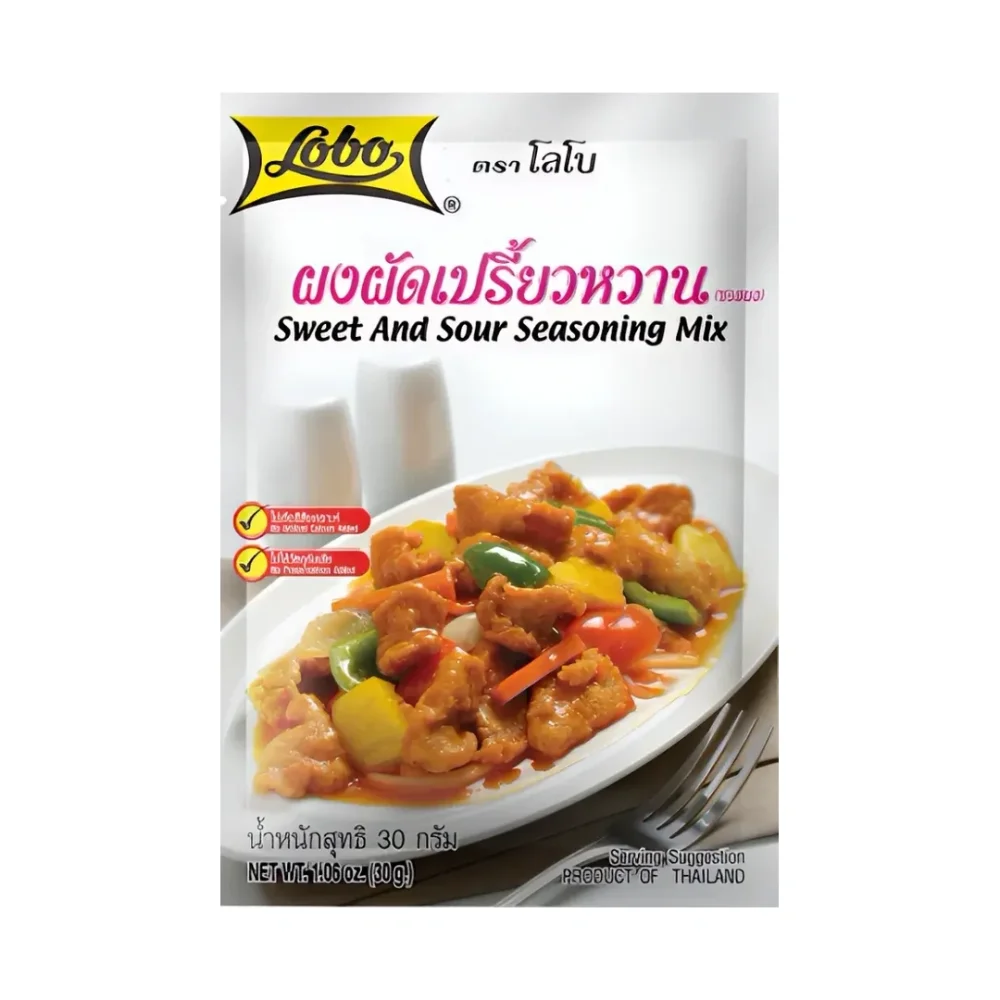
For some dishes the goal is mainly that the sauce has a clear sweet-and-sour character and holds together without lengthy tuning. In that situation it can be more practical to reach for a ready-made mix and treat it as an emergency but functional solution – for example a sweet-and-sour sauce mix. Similar products make sense especially when you are missing several building blocks at once and don’t want to “chase” the result with five different ingredients. A useful overview is also the hub for sauce mixes.
7) Common mistakes and misunderstandings that spoil the result
- “It’s salty, so it’s the same.” This most often comes up with fish sauce, soy sauce and other fermented seasonings. Saltiness is only one dimension.
- Underestimating the role of the ingredient in the dish. When an ingredient is the backbone of the flavor (miso in miso soup, tamarind as the main acidity), the substitute will always be a compromise.
- Trying to replace something complex with a single element. With mirin, tamarind, gochujang or oyster sauce, multiple parameters are typically missing at once.
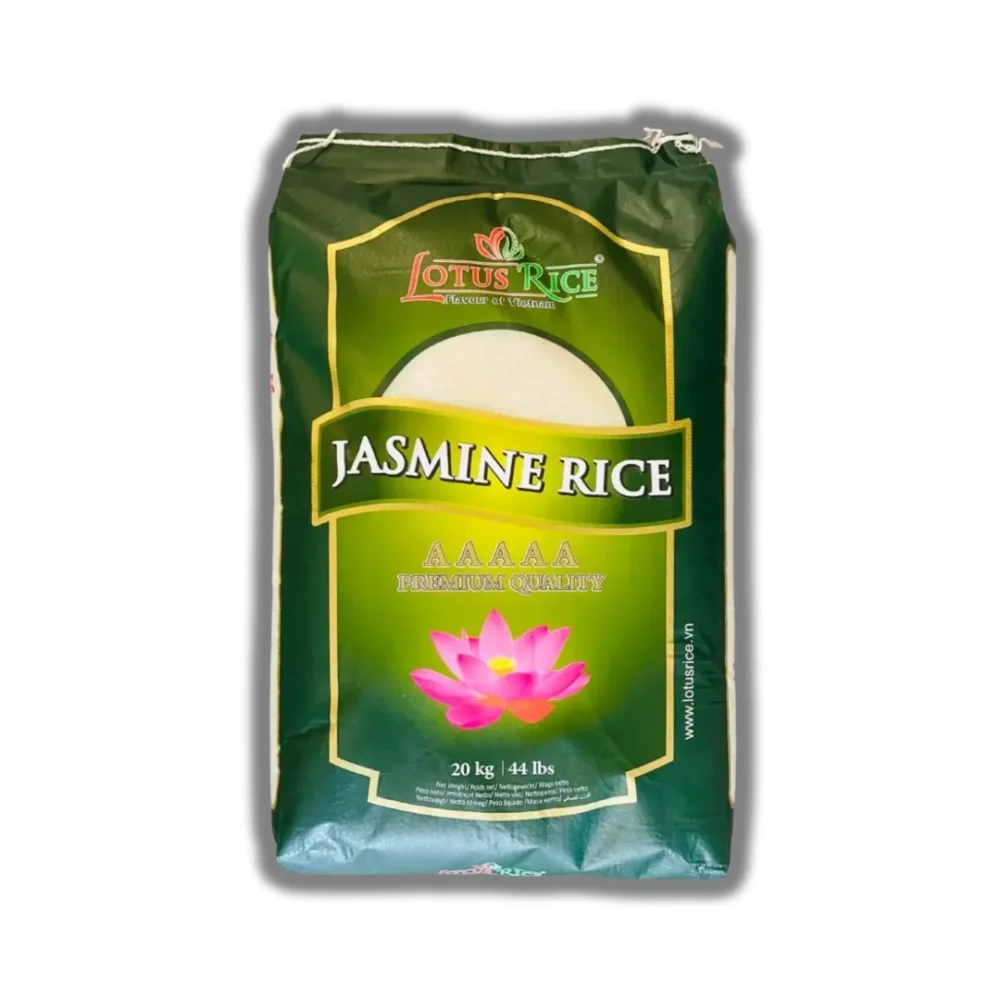
- A bad “substitute” for rice. Rice is not a universal commodity: jasmine rice behaves differently than Japanese short-grain (sushi) rice and sticky rice has a completely different function. If you want a typical fragrant side for wok dishes or curry, orient yourself by the category jasmine rice (as a specific example you can use Lotus jasmine rice). Conversely, for dishes where the rice should be more cohesive and glossy, sushi rice makes more sense sushi rice. A common mistake is trying to “cover” everything with one type of rice – in some cases it works, in others the typical texture is lost.
What to take away from the article
- First clarify the function of the ingredient in the specific dish (saltiness, umami, acidity, sweetness, aroma, texture…).
- Distinguish between a full-fledged, functional and emergency substitute – it will save you disappointment.
- A substitute is judged by whether the ingredient is the backbone of the flavor, or just a detail.
- For multidimensional ingredients (fish sauce, mirin, tamarind, gochujang, oyster sauce) it often works best to use a combination of several elements, not “one miraculous thing.”
- For some ingredients (typically fish sauce) it is more honest to say: I will replace part of the function, but it won’t be the same.

Read next
If you want to explore this topic further, continue with these related blog guides and articles:
