

 Česky (CZK)
 Slovensky (EUR)
 Deutsch (EUR)
 Austria
 Belgium
 Bulgaria
 Croatia
 Denmark
 Estonia
 Finland
 France
 Germany
 Greece
 Hungary
 Italy
Italy Latvia
 Lithuania
 Luxembourg
 Netherlands
 Poland
 Portugal
 Romania
 Slovenia
 Spain
Spain Sweden










A good Asian ingredient is not automatically the most expensive one or the one with the "most authentic" packaging. In home cooking, it is much more important whether you have chosen the right type for a particular dish (and whether you understand what the ingredient does in the dish). This guide summarizes practical rules that will help you decide more confidently about sauces, pastes, rice, or tofu – and with less risk of disappointment.
Asian cuisine is not one thing – and likewise, there is no single "right" universal choice for every ingredient. The same product can be excellent for one use and unnecessarily problematic for another. Most home cooking failures do not happen because the ingredient is objectively bad, but because it was poorly chosen for the given role in the dish.
🍜 1) What does "choosing well" mean: look at the role of the ingredient in the dish
When it comes to Asian ingredients, it doesn't pay off to evaluate only "how it tastes when opened." When choosing, ask yourself several specific questions:
- For what style of dish do I need it? (e.g., quick wok dish vs. cold seasoning)
- What is its basic composition and what is the "carrying" element in it?
- Is it fermented, fresh, instant, or seasoned? This significantly changes its behavior in heat as well as its final taste.
- How prominent a role should it play in the dish? Should it be the backbone of flavor or just a slight enhancement?
- What texture does it have after cooking? (For tofu, rice, noodles, and vegetable ingredients often more important than "taste on a spoon")
Practical examples that clearly show why "function" wins over impression:
- Soy sauce great for cold seasoning but may not be the best choice for a marinade in a wok dish.
- Fish sauce excellent for Vietnamese dip (nuoc cham – typical Vietnamese dressing/dip) but may not be the ideal "first bottle" for someone who just wants to quickly season a stir-fry occasionally.
- Sesame oil is often great for finishing a dish, but it is not sensible to make it a universal frying oil.
Choosing well thus means: choosing according to purpose and what you actually cook at home – not according to what looks most impressive.
2) The most common shortcut that leads to disappointment: mixing "authenticity," strength, and quality
One of the most common mistakes when buying Asian ingredients is the idea that:
- "more authentic" = always better,
- "stronger" = automatically higher quality,
- and "more expensive" = necessarily the right choice for everything.
But strength (for example, a strong fermented smell, high saltiness, or a very sharp profile) is often just a type feature – not proof of quality. And "authenticity" is easily misleading without context: in one cuisine the product is a staple, in another it is a specialty for specific dishes.
More useful than chasing the "most authentic" variant is to clarify two things:
- Is this ingredient the backbone of flavor in the dish, or just a supporting one?
- Do I want to use it often or just occasionally? (based on that, the choice of type, intensity, and storage method also makes sense)
3) First rule of selection: read the label (and look for "what it actually is")
With Asian sauces, pastes, and seasonings, many things hide in whether you buy a pure base, or a finished flavored mixture. And you often can't tell this without a label.
How to read the label practically (without unnecessary theory)
- What is the main ingredient and where is it on the list? Helps distinguish "product of..." from "seasoned product of...".
- Is it fermented? For many key ingredients (miso and other pastes, some sauces), this fundamentally changes the depth of flavor and behavior during storage.
- How much sugar, salt, and seasonings does it contain? Sometimes this is desirable, other times it complicates use (can burn easily, become too sweet, or overpower the dish).
- Is it a "finished sauce" or a "paste/base"? You work with them differently in the kitchen.
Mini-example with chili: pure spiciness vs. seasoned sauce
This can be well seen on two different styles of chili products:
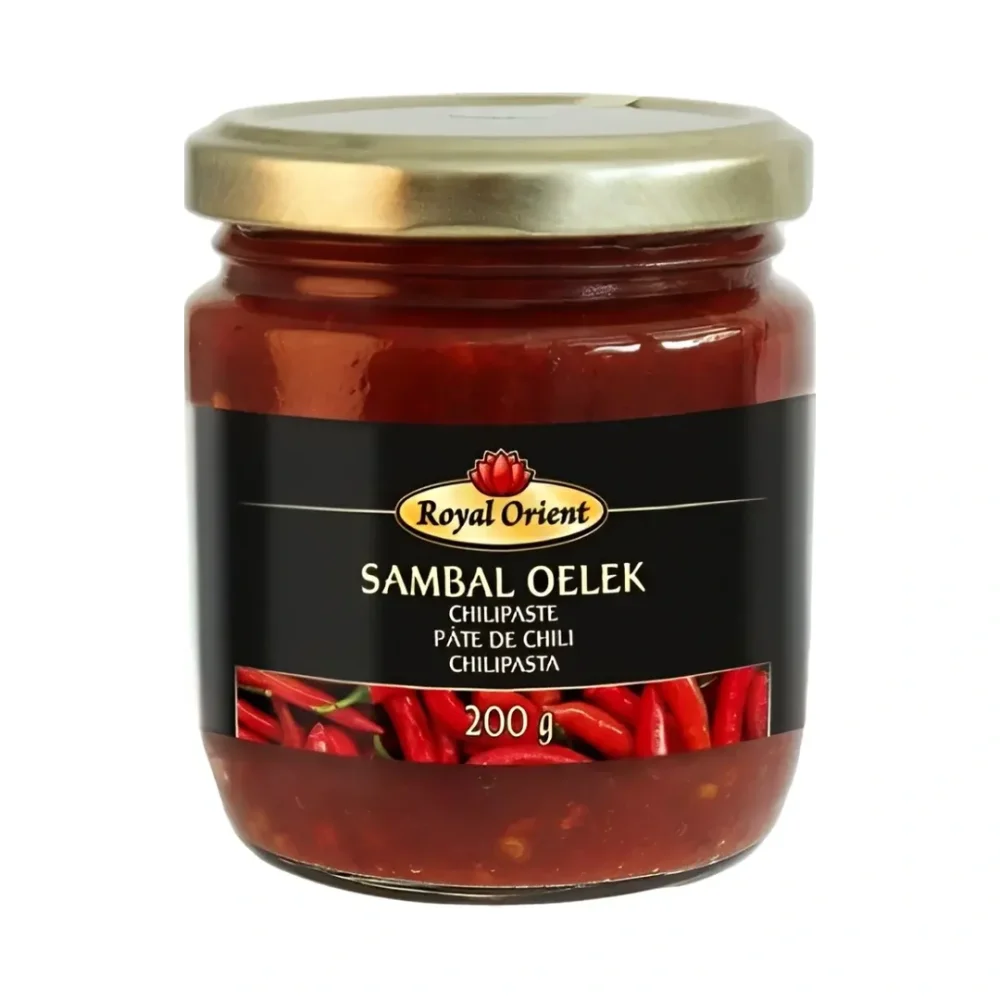
- Chili paste Sambal Oelek is the type that makes sense when you want to simply add spiciness and keep it under control (suitable for noodles, soups, sauces, and marinades). In practice, it pays off to start with really small amounts and adjust gradually.
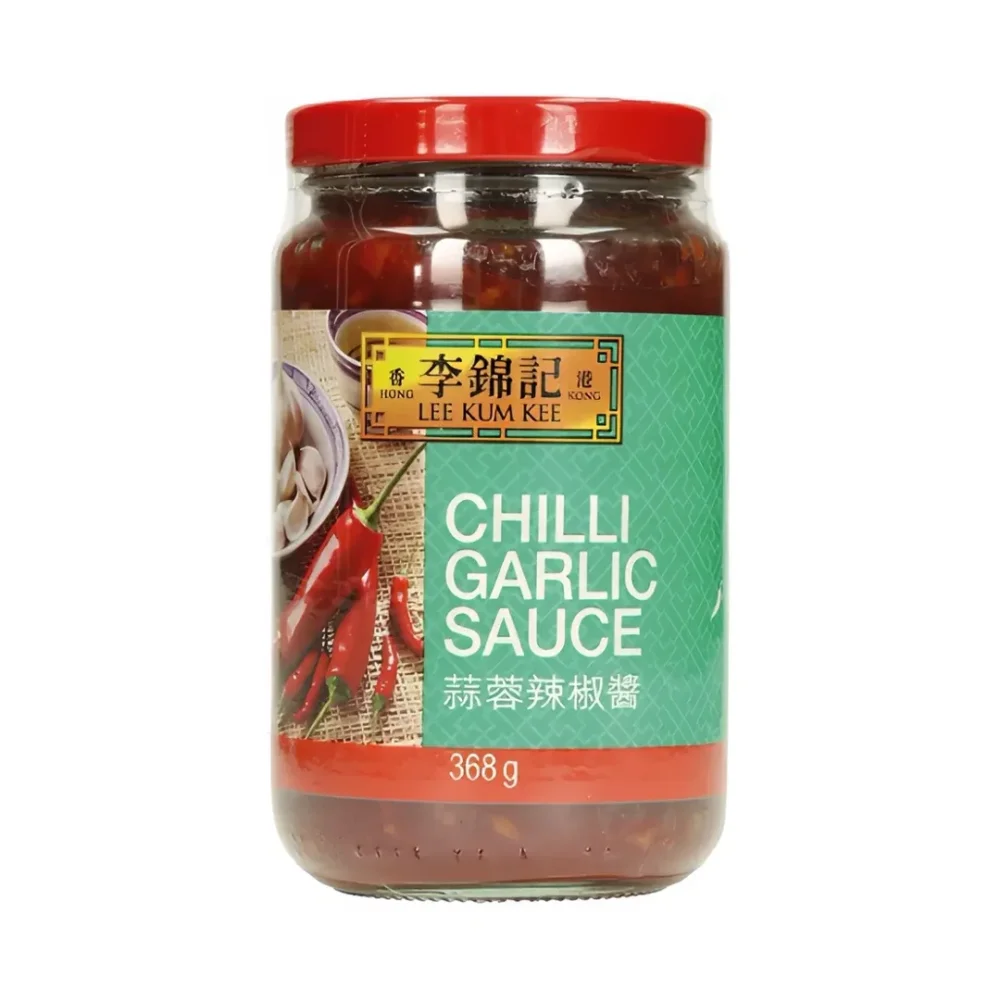
- Garlic chili sauce on the other hand, is already distinctly flavor-directed (spiciness + garlic profile) and works well as a quick seasoning or dip – but it is not a "neutral" chili base for everything.
It's not about one variant being "better." It's about them being two different tools.
4) Second rule: distinguish whether you are buying a basic or a seasoned product
This difference is often more important in home cooking than brand. A basic product gives you control and versatility. A seasoned product saves time – but already decides on the flavor direction.
Basic product
The basic product is something that works as a building block in the kitchen. Typically a "carrier" of one function: acidity, fat, saltiness/umami...
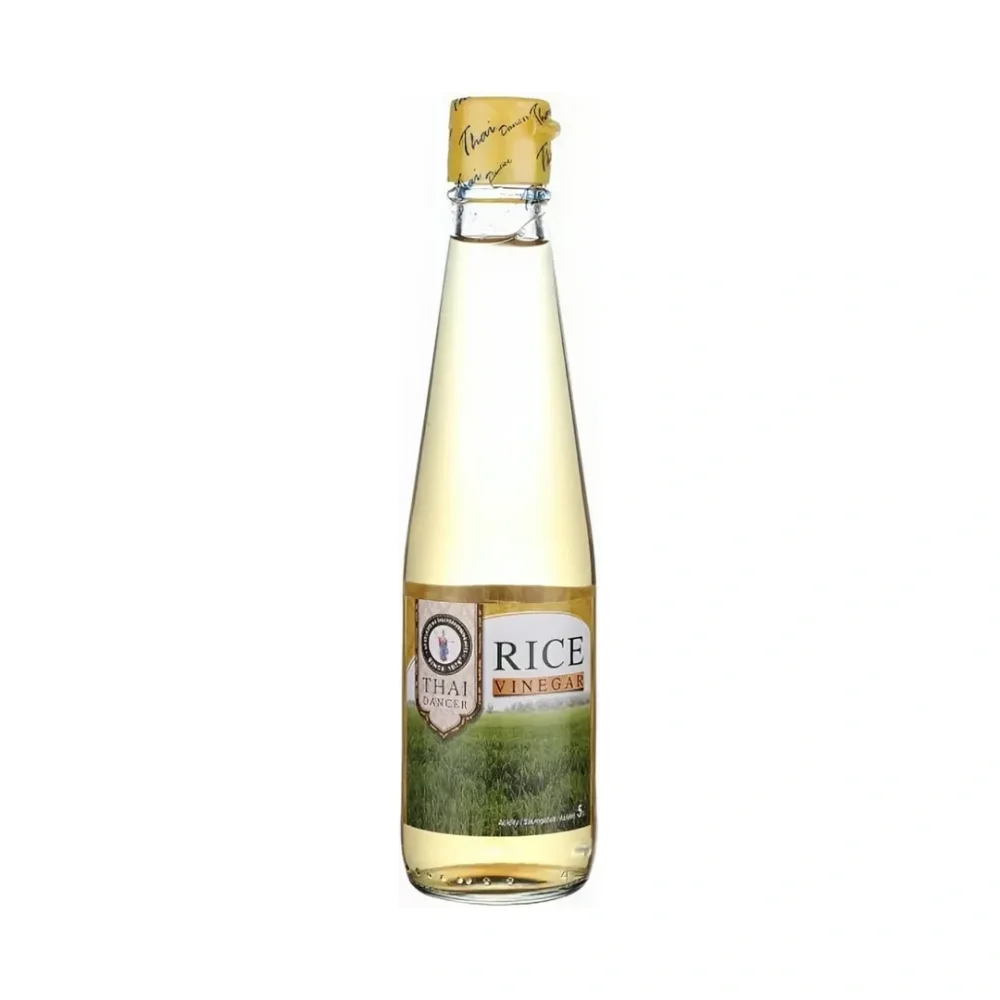
- Acidity: rice vinegar is a pure and gentle way to add acidity to a dish without a lemon profile. A practical example is Thai Dancer rice vinegarused in dressings, marinades, quick pickles, and rice seasoning.
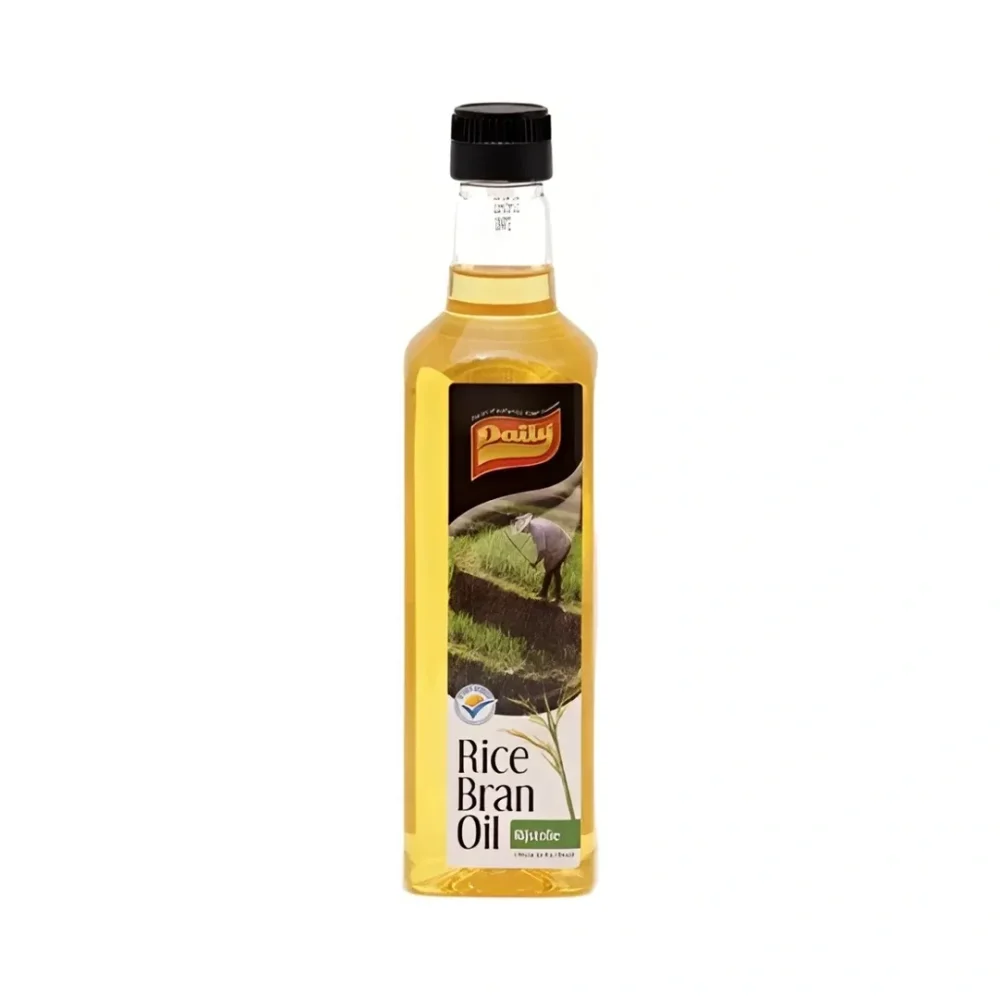
- Fat without overpowering flavor: if you don’t want the oil itself to dominate, it makes sense to have a more neutral variant for frying. An example is rice oilwhich is practical for wok and general cooking where you don’t want to alter the flavor profile.
Seasoned product
Seasoned products are "shortcuts" – they often already contain a combination of saltiness, sweetness, aromatics, or spiciness. They can be excellent if you know where you want the flavor to go, but they are harder for subtle adjustments.
A simple rule applies: the more "finished" the product is by itself, the more you need to know if its profile fits your specific dish.
5) Third rule: choose the right type (miso, rice, and tofu as model situations)
For many ingredients, just hitting the "right category" is not enough. You need to hit the right type. Here are three examples where this is most evident.
How to choose miso and other fermented soy pastes
Miso is not a single taste. It differs based on the koji used, ingredient ratio, saltiness, aging length, and color – and these differences directly determine what it suits.
- First, clarify whether you want a milder and rounder style, or a darker, saltier, and deeper variant.
- The use decides: will miso be the base of the soupor just a small part of a marinade, dip, or glaze?
- Pay attention to aroma: miso should have a clean fermented smell, not a musty or "tired" profile.
Practical rule for starting: lighter and milder miso is usually more accessible for beginners, while darker and longer-aged miso tends to have a robust saltiness and depth and works better where you want a more pronounced "background" flavor.
Similarly, it is good to think about other fermented pastes: they are not just "pastes for sauces," but separate flavor worlds – choose them according to what character you want to bring to the dish.
How to choose rice: universal rice is a myth
Rice should not be chosen as a single commodity. For Asian cooking, it is crucial to distinguish at least:
- long aromatic rice,
- short-grain, stickier rice,
- and special types for specific uses (sushi, sticky dishes, desserts…).
What to watch for: grain shape, expected stickiness, aroma, purpose (regular side dish vs. sushi vs. fried rice), and also how well the rice holds structure after cooking and possible cooling.
- Jasmine rice typically suits where you want a fragrant side dish that is relatively loose but not completely dry.
- Japanese short-grain rice is firmer and glossier after cooking – makes sense where the rice needs to hold together.
- Sticky rice has a completely different function than regular side dish rice.
If you want quick orientation by use, it helps to also look by categories: for cohesive sushi rice, a useful guide is sushi rice, for long-grain aromatic style it may make sense to start with basmati rice and for other types and specialties, there is a guide for other rice.
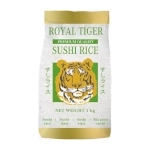
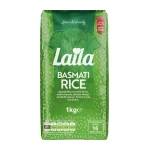
Common mistake: trying to replace all other types of rice with just one type. Sometimes it "works", but elsewhere the typical texture disappears and the whole dish feels off.
How to choose tofu: texture and technique matter
The basic rule for tofu is simple: choose according to texture and use, not by the general idea that "tofu is tofu."
- Distinguish whether you need silken, soft, firm or extra firm tofu.
- Plan the technique: will you fry, steam, grill tofu, or do you want it for soup?
- Watch how it holds its shape and how the texture feels after opening.
- Consider whether it makes sense to get fresher chilled variant, or a long-lasting shelf-stable product.
Practical rule: softer types belong in gentler dishes, firmer types go to the pan, grill, and more robust cooking. Specialized fermented or pressed soy products usually make sense to deal with only when you know what you want to do with them.
6) Selection doesn't end at purchase: storage decides aroma, taste, and texture
Storage is not just a technical note. For Asian ingredients it often determines whether they retain their aroma, flavor purity, and usability for further cooking.
Safety, quality, and texture are not the same
For many products, the simple "still good / already bad" does not apply. Often there are three states:
- the product is still safe for health,
- but has already lost some aroma, freshness or structure,
- and only then can it truly be spoiled.
Typical practical examples: soy sauce after opening does not necessarily spoil immediately, but without cold and protection from light it loses freshness faster and changes color; miso is stable but darkens in warmth and flavor shifts; sesame oil can be safe longer than its best aroma lasts. And dried things (seaweed, rice papers) can be edible for a long time but moisture robs them of texture.
🍜 Dry ingredients are not "worry-free"
Dry ingredients usually do not spoil dramatically but easily suffer from moisture, odors, and pests.
- Rice needs dryness, tightly sealable packaging/container, protection against insects and odors, and ideally not too warm a place. Aromatic types can lose aroma if stored badly.
- Dried noodles need dryness and protection against breakage; moisture removes structure and in extreme leads to mustiness.
- Starches and flours (e.g., tapioca starch) easily absorb moisture and form lumps – practically and qualitatively unpleasant.
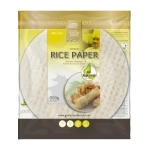
- Rice papers are a typical ingredient where moisture quickly destroys functionality (breaking, texture change). If you use them often, it may help to keep them organized and protected against moisture – see directory rice paper.
Simple system at home: less chaos, less disappointment
Practical organization is usually more important than theory. It helps to separate:
- dry basics,
- opened liquid sauces,
- opened pastes,
- oils and aromatic fats,
- quickly perishable refrigerated items,
- and long-term reserves.
In practice, it often works: smaller packages for sensitive products, opening date on the lid, clean jar edges and simple rotation (oldest first). A truly functional pantry is not the biggest one – but the one you have under control.
7) Common mistakes: wrong replacements, wrong expectations and "rescue shortcuts"
Don't replace the name, replace the function
Replacements are one of the trickiest areas in home Asian cooking. Half-truths like "this is the same" easily arise. In practice, it often doesn't work.
It's useful to think on three levels:
- Full replacement within the same family (least compromises).
- Functional replacement (you replace part of the role, but the profile changes).
- Emergency replacement (you save the dish, but the result is different).
The role of the ingredient in the specific dish also matters. When the ingredient is the backbone of flavor (e.g. miso in miso soup, fish sauce in nuoc cham or some Thai dressings), replacement is hardest. When it is supportive, compromise is easier to pass.
Fish sauce: one of the hardest ingredients to replace
For fish sauce it is honest to say out loud: a full replacement usually does not exist. It’s not just salt – it’s saltiness, deep umami, and fermented character. If you don’t have it, you can often replace part of the function, but it's not fair to expect the same result.
👃 Lemongrass, kaffir lime leaves, and pandan: some aromas can't be replaced by 'juice'
A common mistake is to substitute aromatic ingredients with 'something citrusy' or 'something like vanilla':
- Lemongrass brings a fresh citrus yet herbal and warmly aromatic tone. Lemon juice mainly brings acidity – it’s not the same.
- Kaffir lime leaves give a very specific citrus aroma. Lime zest may recall part of the impression but is not a full replacement.
- Pandan is often simplified as 'something like vanilla', which is too crude. It is a distinctive aroma – can be imitated only partially, and when pandan is the main identity of a dish, a real replacement practically does not exist.
Leftovers and reheating: risk and quality loss
A practical problem often arises after cooking. The general rule: don’t leave cooked food long in the temperature range where microorganisms multiply well. It helps to portion into shallow containers, quickly cool in the fridge, and reheat only the portion you actually eat. A common bad practice is leaving a large pot of curry or soup overnight on the stove with the idea that it will be 're-cooked' in the morning – this is not a sensible habit.
8) What to take away from the article
- Don’t buy the “best” ingredient generally. Buy the right type for specific use (cold seasoning, marinade, wok, soup…).
- Don’t confuse authenticity, strength, and quality. Intensity is a trait of type, not automatically a sign of a "better" choice.
- The label is your translation dictionary. It helps to recognize whether you are buying a pure base or a flavored mix.
- Rice, miso, and tofu are not universal. Each is chosen according to texture, style, and role in the dish.
- Storage is part of cooking. Many ingredients are safe even later, but quickly lose aroma and quality if kept warm or in the light.
- Handle replacements according to function, not by name. And expect that some ingredients (e.g. fish sauce or pandan) can only be replaced very limitedly.
Note on the image: The main content image is added according to the project’s internal workflow.