

 Česky (CZK)
 Slovensky (EUR)
 Deutsch (EUR)
 Austria
 Belgium
 Bulgaria
 Croatia
 Denmark
 Estonia
 Finland
 France
 Germany
 Greece
 Hungary
 Italy
Italy Latvia
 Lithuania
 Luxembourg
 Netherlands
 Poland
 Portugal
 Romania
 Slovenia
 Spain
Spain Sweden










How to Read Labels and Ingredients
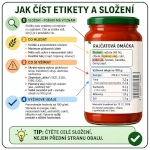
This guide explains how to read labels on Asian ingredients and packaged foods, focusing on what common label terms and ingredient lists can tell you about flavour, usage, and cooking results. You’ll find practical explanations of typical label wording and how to compare similar products by their listed ingredients.
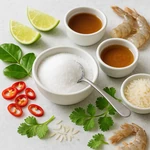
MSG, preservatives and allergens: what to really watch for on labels of Asian ingredients
Asian sauces and pastes often have bold packaging, but the small print is what matters. If you want clarity in your purchase, it's worth stopping to worry about one “scary” abbreviation and instead adopting a few simple checks: the order of ingredients, the difference between a base and a seasoned product, and careful reading of allergens. This article shows what to watch for so the ingredient works in your cooking – and so it doesn't surprise you at home with its flavor, saltiness, or composition.
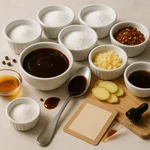
How to read the ingredients in Asian sauces: a short guide that will save you from bad purchases
In Asian sauces, the small print on the label often matters more than the big name on the front. When you learn to read the ingredients practically (not academically), you’ll quickly recognize whether you’re buying a fermented "base" for cooking or a ready-made flavoring full of sugar, starches, and aromas. The result: sauces that make sense for your dishes and less disappointment at home.
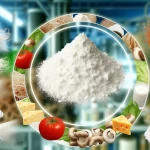
MSG (Monosodium Glutamate): What It Is, How It Adds Umami, and How to Use It Well
MSG—short for monosodium glutamate—is one of the most misunderstood seasonings in modern kitchens. It enhances savory “umami” depth, can help you rely less on salt, and has been studied extensively for safety. Here’s how it works, where it naturally occurs, and how to use it in everyday cooking.
To explore related guides on choosing key pantry staples, see How to Choose Soy Sauces , How to Choose Curry Pastes , or Storage and Shelf Life .