Česky (CZK)
 Slovensky (EUR)
 Deutsch (EUR)
 Austria
 Belgium
 Bulgaria
 Croatia
 Denmark
 Estonia
 Finland
 France
 Germany
 Greece
 Hungary
 Italy
Italy Latvia
 Lithuania
 Luxembourg
 Netherlands
 Poland
 Portugal
 Romania
 Slovenia
 Spain
Spain Sweden










Regional Styles of Asia: How Cuisines Differ
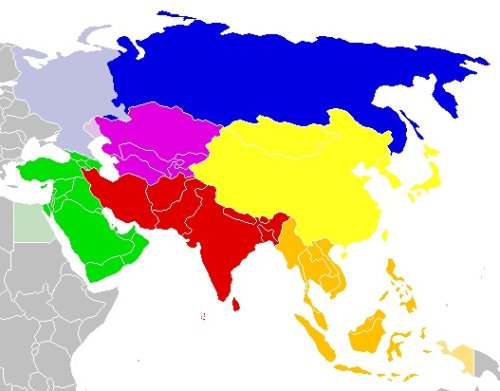
This guide focuses on how Asian food changes from place to place, explaining what “regional style” means in practice and how geography, local ingredients, and everyday cooking habits shape the flavours and dishes people associate with different parts of Asia.
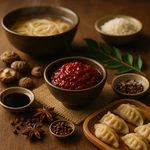
Inland cuisines of Asia: why they are richer, grain-based, and built on broths
When you say “Asian cuisine,” many people mainly imagine coastal flavors – fish sauce, seafood, or coconut. However, a large part of Asia is inland, mountainous, or steppe, and it is precisely there that cooking styles developed that rely on grains (both rice and wheat), doughs, dumplings, long-simmered broths, and bold seasoning. In this article, we will clarify what “inland Asia” means in cooking, what the main differences are (mainly along the China–India axis), and how to build a usable foundation for home cooking from these principles.
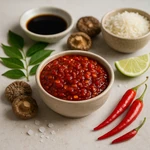
Coastal Asian cuisine: why it tastes different and how to transfer its logic to home cooking
Coastal Asian cuisines did not develop "according to a map" but according to what was at hand: seas, rivers, deltas, islands, and ports. That is why they often feature lighter, livelier flavors, quick final seasoning, and an emphasis on saltiness, acidity, and umami – typically through fermented bases like fish sauce. In the article, we clarify what is typical for the coastal style, how it differs (especially along the Vietnam–Thailand axis), and how to navigate these flavors during your first attempts at home.
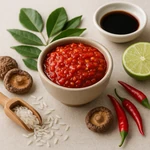
Island cuisines of Asia: what shapes them and how to navigate them
"Island cuisines of Asia" is not one style nor one typical flavor. It is a collection of regional cuisines that developed in island and coastal environments – where cooking is shaped by the sea, climate, local agriculture, as well as trade and migration. In this guide, we will focus on the island axis of Southeast Asia (Indonesia, the Philippines, Malaysia, and the Singaporean mix of influences) and show how to interpret these influences in the taste of food and how to assemble a foundation at home to orient yourself practically, not just based on impressions.
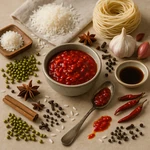
Trade influences in Asian cuisine: how ingredients, techniques, and flavors spread along routes
Asian cuisines were shaped by more than just climate and local agriculture – trade also played a crucial role. Spices, sugar, tea, citrus fruits, as well as techniques for working with grains and fermentation spread both by sea and land. In this article, we will show exactly what "trade influences" mean on the plate and how this perspective can help you better understand the differences between regions and cook smarter at home.
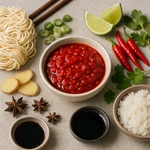
Northern and southern tastes of Asia: how to understand them and cook by them at home
“Northern vs. southern tastes” is a useful shorthand for quickly orienting yourself in Asian food — but we mustn’t take it as an exact map. In this article we’ll show what this concept really means, why it arose, what the typical differences in ingredients and techniques are, and how to extract practical tips for home cooking.
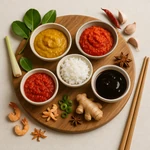
Regional Styles of Asia: How to Quickly Orient Yourself by Taste, Ingredients, and Dishes
"Asian cuisine" is not one universal flavor but a map of regional styles that arose under different climatic, agricultural, religious, and commercial conditions. In practice, this means that to understand (and cook well at home), knowing the base a region uses helps more than just the country names: rice vs. wheat, fermentation vs. coconut, spices vs. broths, herbs vs. umami. This guide will give you an orientation "compass" and concrete methods to choose the right direction even at home.
To explore specific traditions in more detail, continue with Chinese Cuisine , Japanese Cuisine , or Regional Differences and Customs .