


 Česky (CZK)
 Slovensky (EUR)
 Deutsch (EUR)
 Austria
 Belgium
 Bulgaria
 Croatia
 Denmark
 Estonia
 Finland
 France
 Germany
 Greece
 Hungary
 Italy
Italy Latvia
 Lithuania
 Luxembourg
 Netherlands
 Poland
 Portugal
 Romania
 Slovenia
 Spain
Spain Sweden










Coastal Asian cuisine: why it tastes different and how to transfer its logic to home cooking
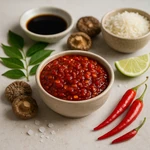
Coastal Asian cuisines did not develop "according to a map" but according to what was at hand: seas, rivers, deltas, islands, and ports. That is why they often feature lighter, livelier flavors, quick final seasoning, and an emphasis on saltiness, acidity, and umami – typically through fermented bases like fish sauce. In the article, we clarify what is typical for the coastal style, how it differs (especially along the Vietnam–Thailand axis), and how to navigate these flavors during your first attempts at home.
Why coastal cuisines taste different
"Asian cuisine" is not one flavor – it makes much more sense to look at regional styles and what shaped them. Coastal areas are very readable in this respect: when the sea is nearby and ports, rivers, and trade routes function, it reflects in both the ingredients and the ways of seasoning.
The typical coastal impression tends to be lighter, fresher, and livelier than many inland styles. Not because the food is "dietary," but because the flavor often relies on quick and precise seasoning (sometimes right at the end) and on layering saltiness, acidity, mild sweetness, spiciness, and umami without heaviness.
One of the most important abbreviations that recurs in the coastal cuisines of Southeast Asia is a fermented seasoning made from marine ingredients – most typically fish sauce. In small amounts, it does not add "extra fishy flavor," but serves as a concentrated tool that connects other ingredients and gives the dish a more complete, fuller character.
What to imagine by "coastal style" and how to recognize it
Coastal style is not one specific cuisine. It’s more a shared logic that can appear across different countries and cities: where the availability of marine ingredients, fermentation, and quick work with flavors meet.
Typical signs of the coastal "logic"
- Saltiness and umami as a base (often through fermented seasonings). Instead of a long "heavy" base, a small dose of concentrated flavor is enough.
- Acidity as a counterbalance: the flavor should feel lively and "clean" (acidity also raises umami and freshness perception).
- Final seasoning at the end: instead of everything being cooked into one flavor, it’s often adjusted right before serving.
- Layering multiple flavors at once: salty–sour–slightly sweet–spicy–umami in balance, not dominated by one.
- Textures and fresh elements (especially in the Vietnamese logic): herbs, leaves, crunchiness, and contrast with broth or sauce.
💡 If you want to imitate the coastal impression at home, it doesn’t make sense to "hunt" for exotic ingredients one by one. Much more helpful is understanding how to build up a salty/umami backbone + acidity + final seasoning.
Vietnam vs. Thailand: two related but different coastal languages
Both cuisines can be fresh, quick, and flavor-layered. Yet their coastal logic expresses itself slightly differently – and that difference will help you make the right decisions in seasoning at home.
Vietnamese coastal logic: lightness, freshness, and balance
Vietnamese cuisine is based on balance and freshness. Typical is layering many levels so the dish feels lively but not heavy: a combination of herbs, rice and rice products, broths, fermented seasonings, acidity, sweetness, saltiness, and textures.
In practice, you can often recognize the coastal Vietnamese "imprint" because:
- herbs and leaves are not just decoration but a flavor element,
- the salty/umami component (often fish sauce) is precise and rather delicate,
- acid and freshness are clearly noticeable,
- the result should be lighter, even when the flavor is complex.
👃 Thai coastal logic: contrasts, aromatics, and a “system” of flavors
Thai cuisine is also about balance but often balances contrasts so the result is vivid and energetic: salty, sour, sweet, spicy, herbal freshness, and deep umami combine into a flavor that feels lively but not chaotic. A typical Thai taste doesn’t arise from a dish being only spicy or only sweet – it’s a combination.
In practice, you can associate the Thai coastal impression with the fact that:
- a big role is played by aromatic freshness and the work with aromatics,
- often relying on seasoning sauces and pastes (where part of the flavor is already "assembled"),
- many dishes feature quick preparation and final adjustment on the palate.
This Vietnam–Thailand difference is useful even for home cooking: Vietnamese leads you to delicacy and fresh additions, Thai to bolder contrasts and aromatic "pull."
🍳 How to transfer coastal logic home: shopping minimum and seasoning procedure
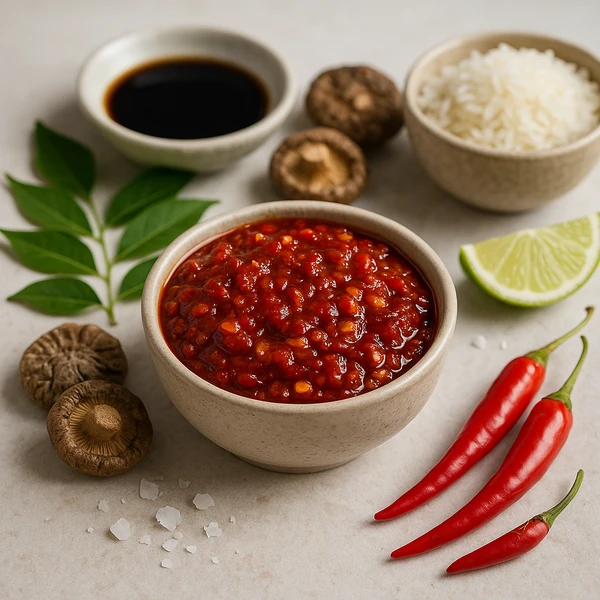
Home coastal style is not about having "everything." It is about having a few things that can do a lot of work: a salty/umami spine, something for spiciness, something for acidity (which you can also get from common household sources) and a neutral base on which it shines.
Shopping minimum: 4 things that will advance you fastest
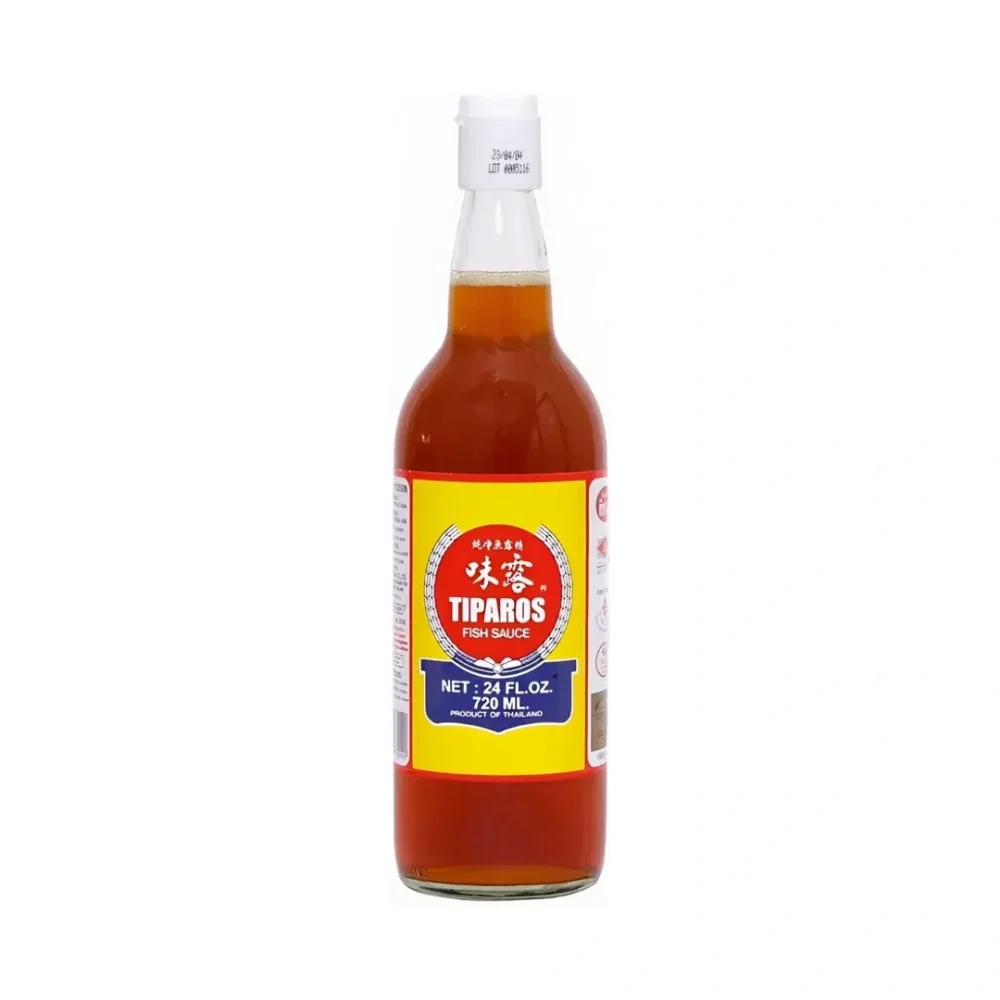
- Fish sauce as umami and saltiness: for example, Tiparos fish sauce. It works as a concentrated "connecting" element, not as extra fish aroma.
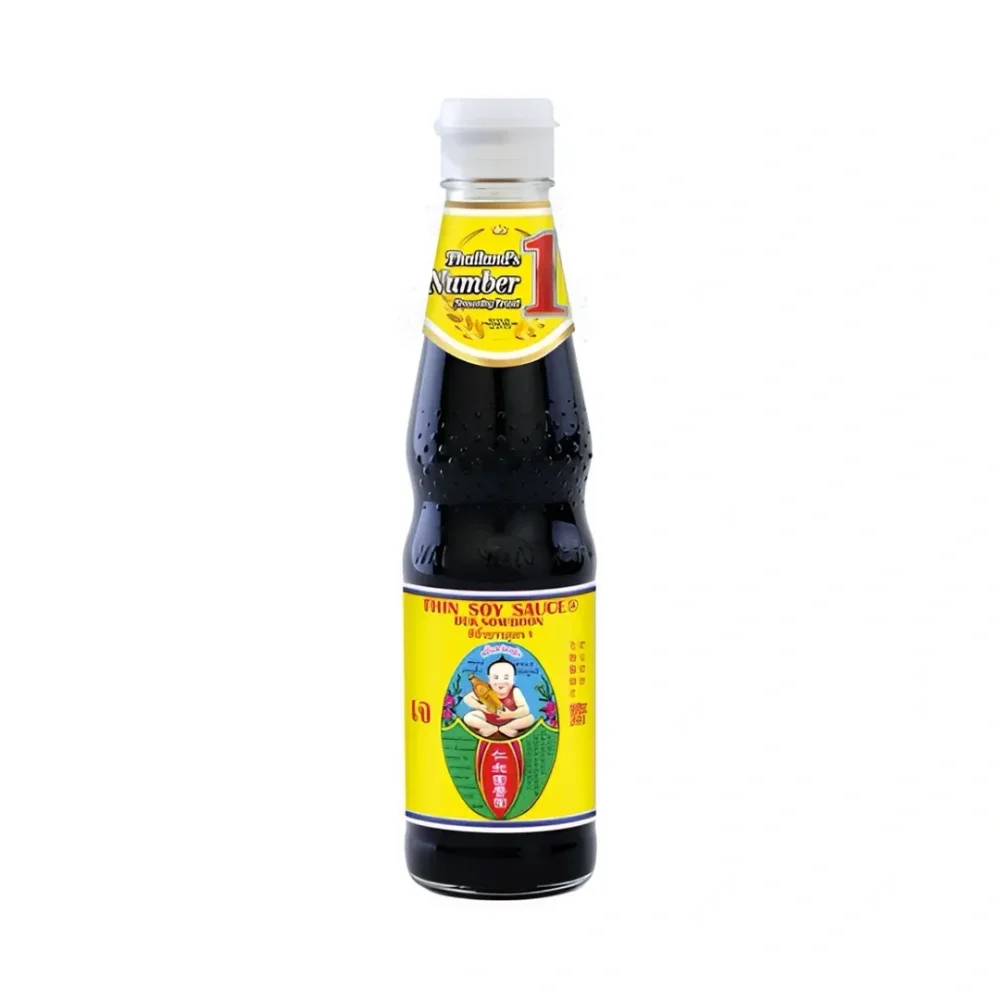
- Light soy sauce as another type of saltiness (and often also lighter "roundness"): for example, Dek Som Boon light soy sauce. It is a different tool than fish sauce – it's good to have both and use them consciously.
- Chili paste/sauce for controllable spiciness: either a purer chili base like Sambal Oelek, or chili sauce like sriracha, for example, Sriracha with coriander.
- Rice as a “canvas”: for the coastal Southeast logic, jasmine riceis practical because the final seasoning and sauces stand out well on it.
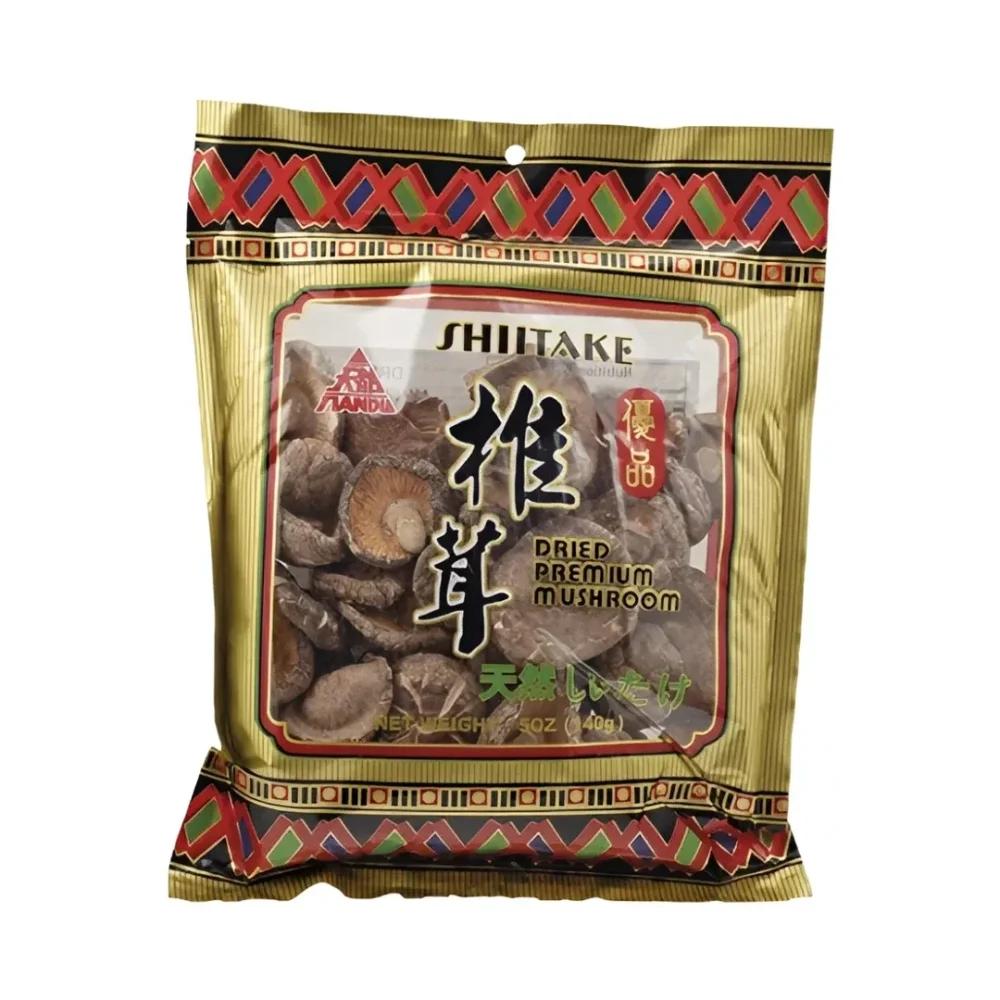
If you want to push umami beyond sauces, dried mushrooms are also useful – for example, shiitake – but consider them as a supplement. In coastal logic, the fastest route is often precisely through seasonings.
🍳 Practical procedure: how to "set" the coastal flavor without a recipe
The following procedure is a universal framework for soup, quick stir-fry, or sauce for rice. It’s not a recipe, but a way of thinking that will help you get less lost.
- Start carefully with saltiness/umami. With fish sauce, the rule is: prefer small amounts and add gradually. Practical orientation: start with 1/2 teaspoon per serving, stir and taste. (Especially if you are just starting with it.)
- Add acidity as a flavor "lift." Acidity is often what makes the dish feel coastal. Add in small amounts and taste so the flavor is not sharp.
- Balance (only if needed) with a pinch of sweetness. In many coastal dishes, sweetness appears only as a counterbalance, not as the main flavor. The goal is roundness, not "sweet sauce."
- Add spiciness only after the basic balance. If you add chili too early and too much, it easily overwhelms the milder umami and acidity. With pastes like sambal oelek, add by tip of a teaspoon, with sriracha in small doses, and always taste.
- Adjust at the end. Coastal style often relies on final seasoning coming right before serving, when you already know how the flavors have combined.
How to choose fish sauce and why it matters
Fish sauce is one of the most important seasoning bases of Southeast Asia. It’s important to know that when used well, it doesn’t function as "extra fishy flavor", but as a concentrated salty/umami component that connects other flavors.
When choosing (whether you have one "universal" bottle or try more over time), it makes sense to watch a few points:
- Longer fermentation usually leads to fuller, rounder, and more complex flavor.
- "First extraction" is considered more delicate and higher quality.
- Cheaper versions often feature dilution, sugar, color, or flavor enhancement – which can affect usability in more delicate dishes.
- On the label, pay attention to the ingredients, the type of fish and, if provided, indicators like nitrogen content (generally, higher nitrogen means higher concentration of broken down proteins, thus stronger umami).
This label reading is not "snobbishness": it helps you understand why one fish sauce feels delicate and another aggressive, and why sometimes a few drops are enough and other times more seasoning is needed.
Most common mistakes and how to fix them
1) "Fish sauce = fishy aftertaste"
The most common mistake is to use fish sauce as if it were just another "fish flavor." In fact, it should act as a salty/umami backbone. Fix: start with a really small amount, add acidity, and only then decide if more umami/saltiness is needed.
2) Confusing fish sauce and soy sauce
Both are salty, but they are not interchangeable "1:1." Fish sauce in coastal Southeast logic is often key for the umami finish; light soy sauce is a different type of saltiness. Fix: treat them as two different tools. When you want the coastal Southeast profile, fish sauce is usually essential, soy sauce can be a supplement (or alternative when not using fish sauce).
3) Adding spiciness too early, before the base is balanced
It’s easy to "go too far" with chili pastes and sauces. Then you feel the dish lacks depth and you start over-salting – resulting in a heavy and aggressive taste. Fix: first balance salt/umami and acidity, only then gradually add spiciness.
4) Trying to make coastal flavor without acidity
Without acidity, coastal food often seems "just salty and spicy." Fix: work with acidity as a full component that raises freshness perception and helps keep the flavor lighter.
5) Too many seasonings at once
Coastal style should be layered, but not overdone. Fix: stick to a simple order (salt/umami → acidity → optionally sweetness → spiciness → final adjustments) and taste after each step.
What to take away from the article
- Coastal cuisine often rests on quick final seasoning and a combination of saltiness, acidity, and umami, which feels lively and not heavy.
- Fish sauce is a key tool in Southeast coastal logic: in small amounts, it adds depth and connects flavors, it’s not "fishy aftertaste."
- The Vietnam–Thailand difference will help you in practice: Vietnam points to light balance and freshness, Thailand to bold contrasts and aromatics.
- For home cooking, the best is to start with a few sure things (fish sauce, light soy, chili, rice) and learn to season gradually and consciously.

Read next
If you want to explore this topic further, continue with these related blog guides and articles:
