


 Česky (CZK)
 Slovensky (EUR)
 Deutsch (EUR)
 Austria
 Belgium
 Bulgaria
 Croatia
 Denmark
 Estonia
 Finland
 France
 Germany
 Greece
 Hungary
 Italy
Italy Latvia
 Lithuania
 Luxembourg
 Netherlands
 Poland
 Portugal
 Romania
 Slovenia
 Spain
Spain Sweden










Regional Styles of Asia: How to Quickly Orient Yourself by Taste, Ingredients, and Dishes
"Asian cuisine" is not one universal flavor but a map of regional styles that arose under different climatic, agricultural, religious, and commercial conditions. In practice, this means that to understand (and cook well at home), knowing the base a region uses helps more than just the country names: rice vs. wheat, fermentation vs. coconut, spices vs. broths, herbs vs. umami. This guide will give you an orientation "compass" and concrete methods to choose the right direction even at home.
What Exactly Does "Regional Style" Mean (And Why Just Saying "Asian" Isn't Enough)
A regional style is a collection of customs that long coexist in a specific area: what's commonly available, how it's preserved, how flavors are composed, and how food is served. In some places, the natural base is rice and fresh herbs; elsewhere wheat, broths, and texture manipulation; and elsewhere spicy masalas and sauces.
It's useful to not think of a "regional style" just as a world map but as a practical directional choice: which staple grain to cook, which salty/umami element to use, whether the dish will be based on fermentation, coconut, spices, or broth.
The Major Forces That Shape Regional Styles (Climate, Water, Rules, Trade, City)
Climate and Agriculture: What Can Be Grown Becomes the "Norm"
Climate determines what is naturally available. Warm and humid areas favor rice, coconut palms, tropical fruits, and aromatic herbs. Drier and cooler regions emphasize wheat, millet, barley, legumes, meat, and storable ingredients. This is one reason why Asia is often informally discussed in terms of "northern" and "southern" flavor directions: it’s not just about spiciness but the entire base of the meal.
Seas, Rivers, and Islands: Coastal Flavor Differs from Inland
Coastal and island cuisines tend to be more connected with fish, seafood, fermented fish bases, and coconut. Inland areas more often build on grains, meat, legumes, and preservation techniques. You can notice this by whether the "saltiness" and depth come more from soy-based foundations or from marine fermented seasonings.
Religion and Cultural Rules: What Is Eaten, What Is Not, and What Typical Dining Looks Like
Buddhist, Hindu, Muslim, Christian, and local traditions influence how meat is handled, which ingredients are festive, and what everyday family meals look like. That’s why a similar ingredient can be "common" in very different contexts across regions.
🕰️ Trade, Migration, and Empires: Why Some Flavors Are Not "Original" but Naturally Mixed
Many of today's flavor stereotypes arose from the movement of ingredients, people, and techniques. A good example is the word curry: in Western usage it has become a simplified category for spiced saucy dishes, even though in Asia there often isn’t a single "correct curry paste," but various regional bases. In the Indian environment, it’s more common to speak precisely of masala (spice mixes, which can be dry or wet), while in Thailand and parts of Southeast Asia, the model of aromatic pastes made from fresh ingredients pounded in a mortar has strongly prevailed.
City vs. Countryside: Why Street Food Is Such a Strong Carrier of Identity
In urban environments, speed, specialization, and local pride often meet — and that’s precisely why street food in many parts of Asia is more than just "food from the street." It’s a daily way of eating and simultaneously the most visible imprint of the region.
Four Major Flavor Zones of Asia: An Orientation Compass (Not Dogma)
One useful orientation model works with four major "flavor zones." It’s not the only possible way to classify, but it helps quickly understand why some cuisines appear "umami and fermented," others "spicy," others "coconutty," and others "brothy."
East Asia: Umami, Fermentation, Broths, and Texture Work
This mainly includes China, Japan, Korea, and Taiwan. Typical are fermented soy bases, the importance of broths, noodles and side dishes, a strong role for umami, and sensibility to texture. In Korea, spicier fermented pastes often come into play, while in Japan the emphasis is more on purity and seasonality.
Practical Tip: If you want to go in the "East Asian" direction, first think about the umami base (soy and fermentation) and only then about spiciness.
Southeast Asia: Herbs, Acidity, Fermented Marine Bases, Coconut, and Pronounced Final Flavor
This includes Vietnam, Thailand, Laos, Cambodia, Malaysia, Singapore, Indonesia, the Philippines, and more. Rice and rice noodles often dominate, along with fresh herbs, fish sauces and other fermented marine bases, coconut, tamarind, lime, and other sour elements. Sambals, chili dips, and curry pastes play a strong role — as does street food culture, which hones flavors into an "instantly readable" form.
Indian Subcontinent: The World of Masalas, Spices, and Various "Curries" (Which Are Not One Thing)
In South Asia, it’s good to be cautious with the term "curry paste." It’s more precise to distinguish dry masalas, wet masalas, and pastes or a base like onion–ginger–garlic with spices. In the European context, the word curry often hides multiple things at once (pastes, mixes, and Japanese curry roux), which represent different traditions and techniques.
🍜 Island World (e.g., Indonesia and the Philippines): Sea, Fermented Marine Seasonings, and Tropical Ingredients
Island and coastal regions are naturally linked with fish and seafood, fermented marine seasonings, and often coconut. In the cuisine, this shows up so that "depth" can rely on a small amount of very intense marine component — and the rest of the dish is carefully composed around it.
Rice Belt vs. Wheat Belt: A Difference That Will Change Your First Purchases and Cooking
One of the most practical divisions for home orientation is the question of whether the region is primarily based on rice or wheat (and other grains). It’s not "better vs. worse," but a change in the logic of the food:
- Rice Logic (often warm and humid areas): rice and rice noodles, herbs, acidity, coconut, marine fermented seasonings.
- Wheat/Grain Logic (more often drier and cooler areas): greater role for wheat, legumes, meat, and storable ingredients; often a different relationship to broths, noodles, and "heaviness."
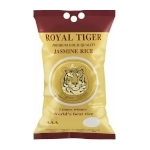
If you want to start simply "Southeast Asian," it’s usually least frustrating to have good rice at home as a stable base – typically jasmine rice, suitable for many dishes where you want a subtle aroma and clean accompaniment.
Fermentation as a Regional Divider: Why Something Tastes "Soy" in One Place and "Marine" in Another
Fermentation is exceptionally important in Asia, but each region works with it differently – and it often matters more for flavor than spiciness does.
East Asia: Soy Sauces, Miso, Jang, Kimchi
Soy sauces, miso, various fermented pastes (in Korea often under the family name "jang"), kimchi, fermented vegetables, and pastes play a strong role. If you want this type of umami depth for stir-fry, noodles, or simple sauces, a good guide is special kinds of soy sauces – which often differ by style and usage.
Southeast Asia: Fish Sauces, Shrimp Pastes, Sambals with Fermented Component
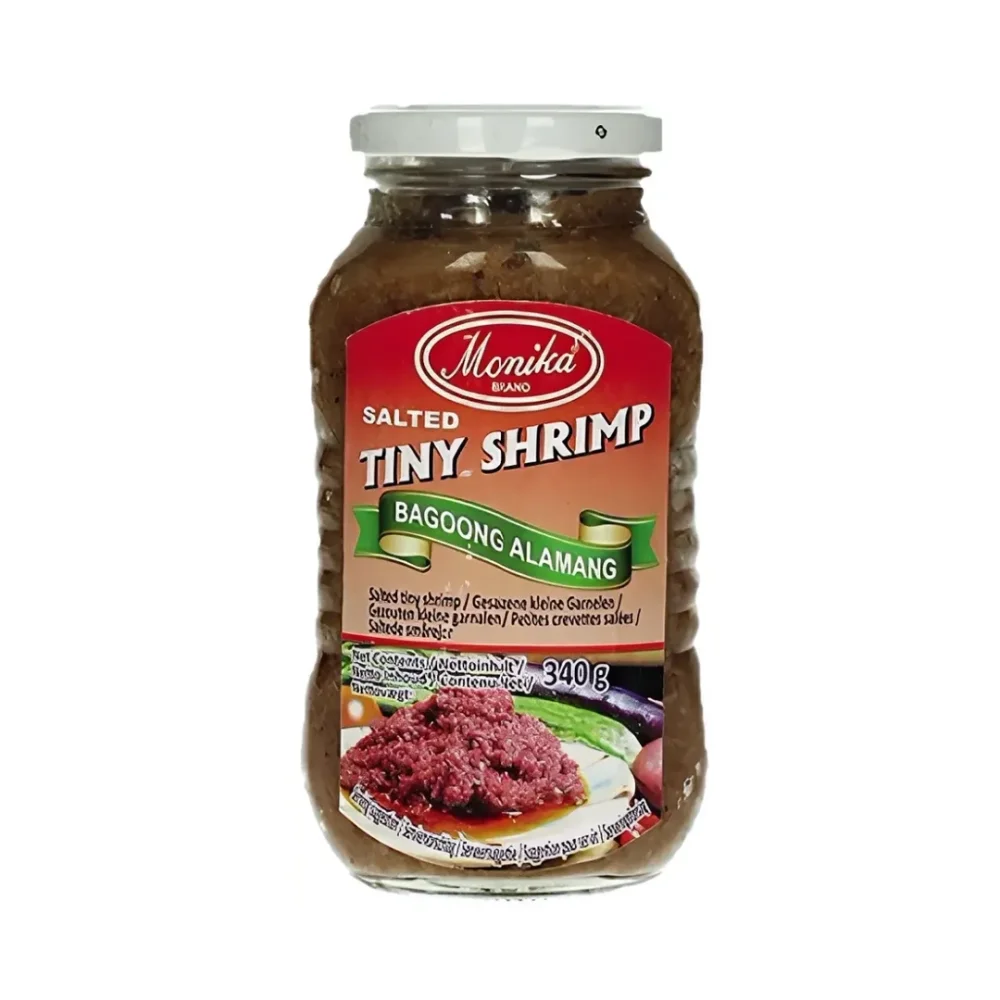
In Southeast Asia, umami often relies on fish sauces and other fermented marine bases, shrimp pastes, sambals with a fermented element, and various pickles. To imagine "intense marine seasoning," you can think of a very salty shrimp ingredient used in small amounts — for example salted shrimp.
South Asia: Fermentation Mostly in Batters, Pickles, and Local Products
In South Asia, fermentation often appears differently: it is important in batters for dosa and idli or in pickles. The result then tastes "spicy and fresh" in a different way than the East Asian "soy umami."
Street Food as the Fastest Lesson of Regional Identity (And Why It’s Not Just "Food on the Go")
Asian street food is a normal part of life in many countries: it saves time in the city, enables quick eating, preserves regional recipes, and strengthens local identity. Typical are fast preparation (or quick finishing in front of the customer), high specialization on a few dishes, emphasis on bold final flavor, sauces and last-minute seasoning – and also work with texture and contrast.
It’s important to know that street food isn’t just fried items "to go." It includes soups, rice bowls, noodle broths, desserts, or breakfast dishes.
To orient yourself regionally, it’s nice to observe how strongly certain dishes are connected to place: takoyaki (Osaka), pav bhaji (Mumbai), chili crab (Singapore), assam laksa (Penang), bánh mì (Vietnam in urban street form), satay (Malay-Indonesian area), or kottu (Sri Lanka). This isn’t a “list of famous dishes” — it’s a reminder that flavor is often a local dialect.
Yes, at home, you can at least stylistically imitate it: not always exactly like on the street, but if you understand the logic of quick flavor and service, you can get surprisingly close.
Practical Onboarding: How to Choose a Direction at Home and Build Flavor Without Guessing
If you feel that "Asian" is too broad, a simple process will help: first choose a regional direction and a basic type of seasoning to go with it. Below are examples that serve as a safe start without cooking complicated recipes.
1) I want a quick wok/stir-fry in the style of Southeast Asia
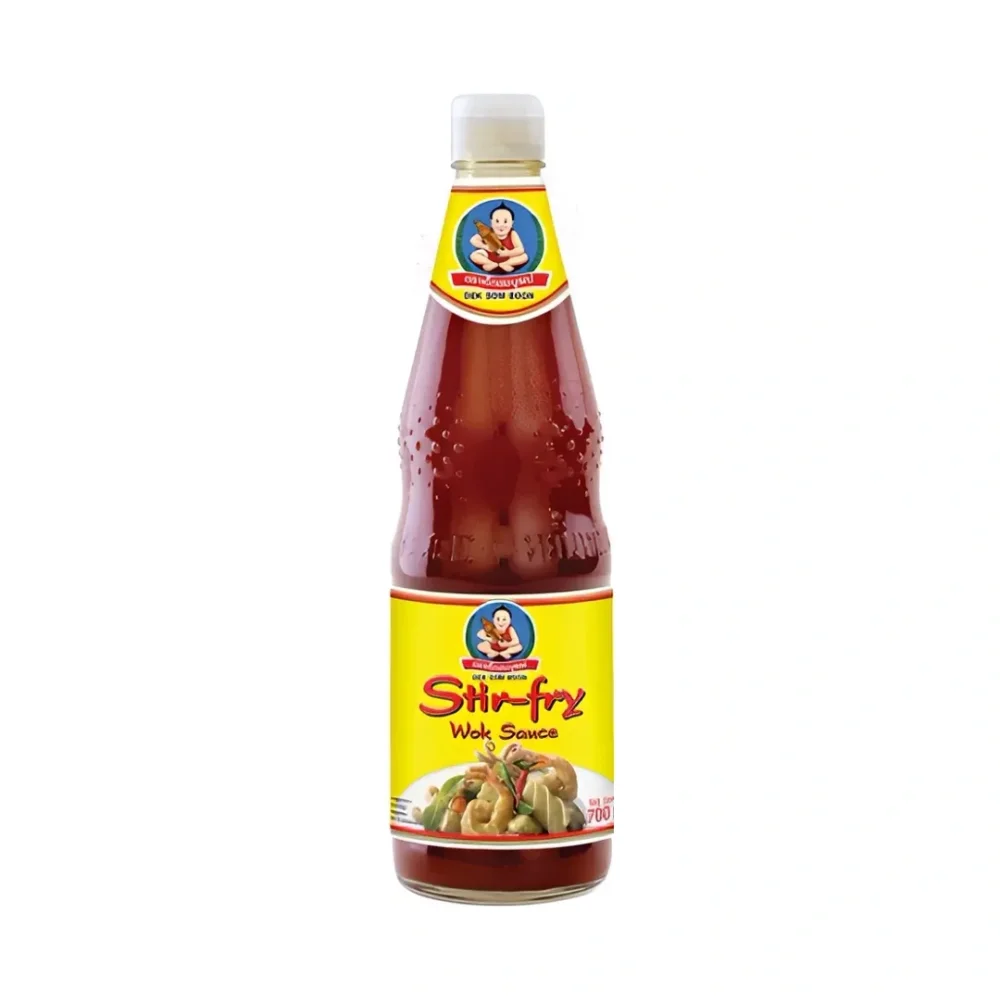
For stir-fry, it’s key that ingredients quickly get coated and the flavor is “ready” in a moment. A practical helper is a sauce made specifically for frying and wok styles — for example Dek Som Boon frying sauceRegional point: this is a type of "quick final flavor" that is typical for part of Southeast Asia also due to street food logic.
2) I want spiciness but without "disturbing" flavors
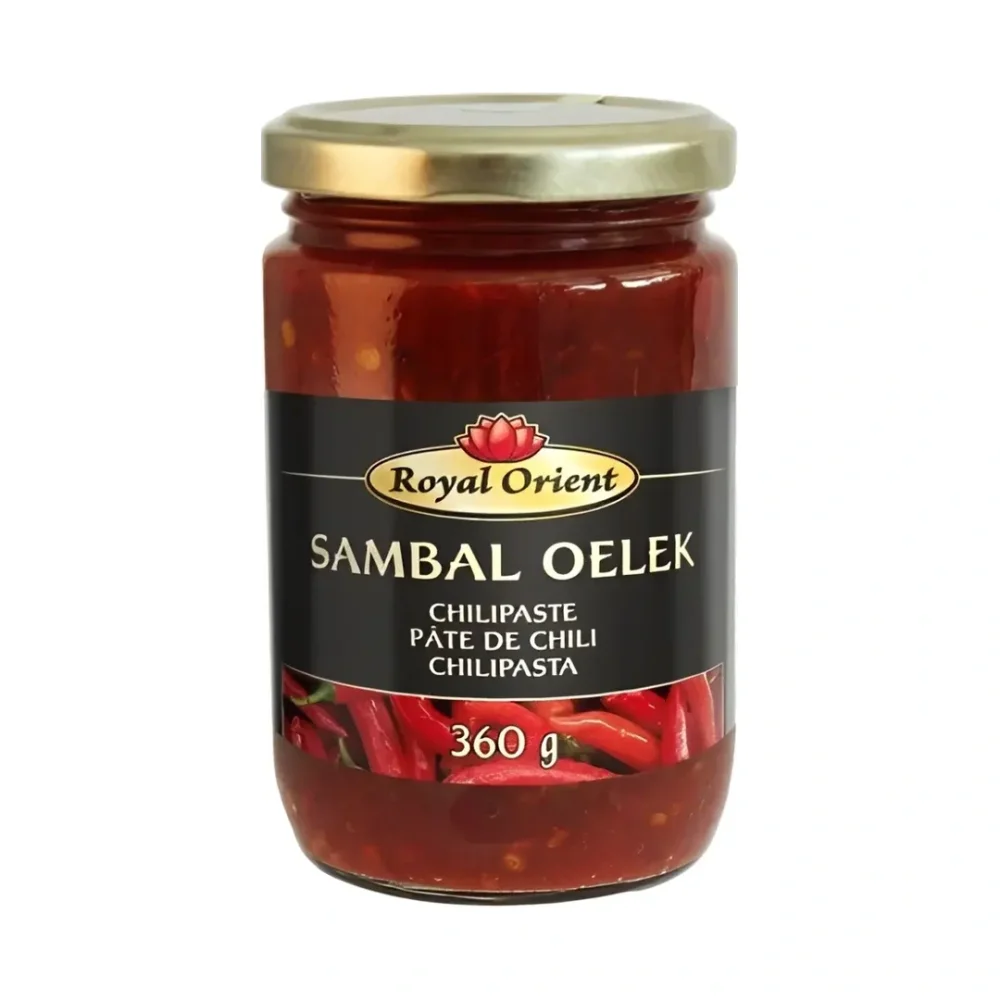
In many Southeast Asian styles, chili is a separate tool, not just "hot powder." When you need pure heat, a simple chili paste with salt like sambal oelek is suitable — for example Royal Orient chili paste Sambal OelekPractical advice: start with a very small amount and build heat gradually, because with concentrated pastes intensity is hard to "take back."
3) I want a sweet-spicy dip/glaze without cooking
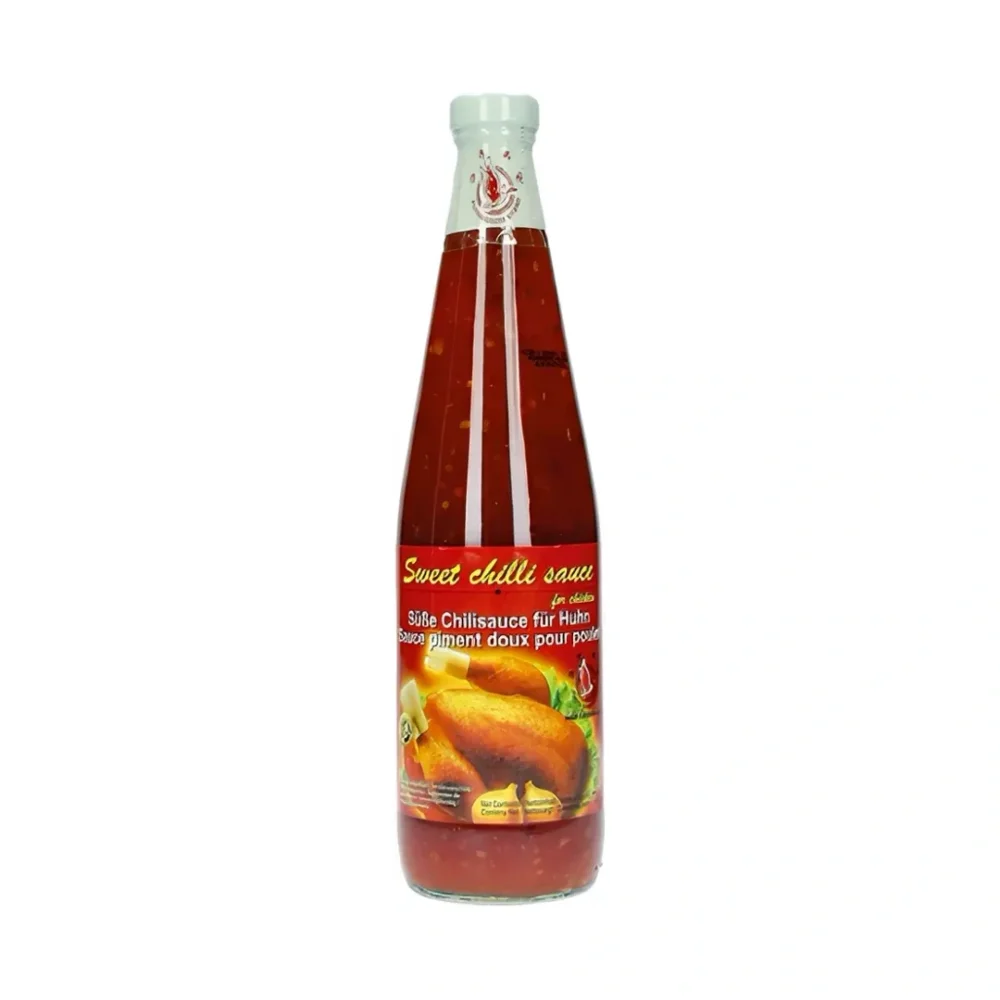
Sweet-spicy sauces are typical as dips, glazes, or quick seasoning. If you want to apply this flavor type without complicated assembling, a direct shortcut is Flying Goose sweet chili sauceRegional point: in many styles, the final flavor is adjusted at the table or just before serving.
4) I want a "sweet-salty" glaze (a different logic than East Asian pure soy sauce)
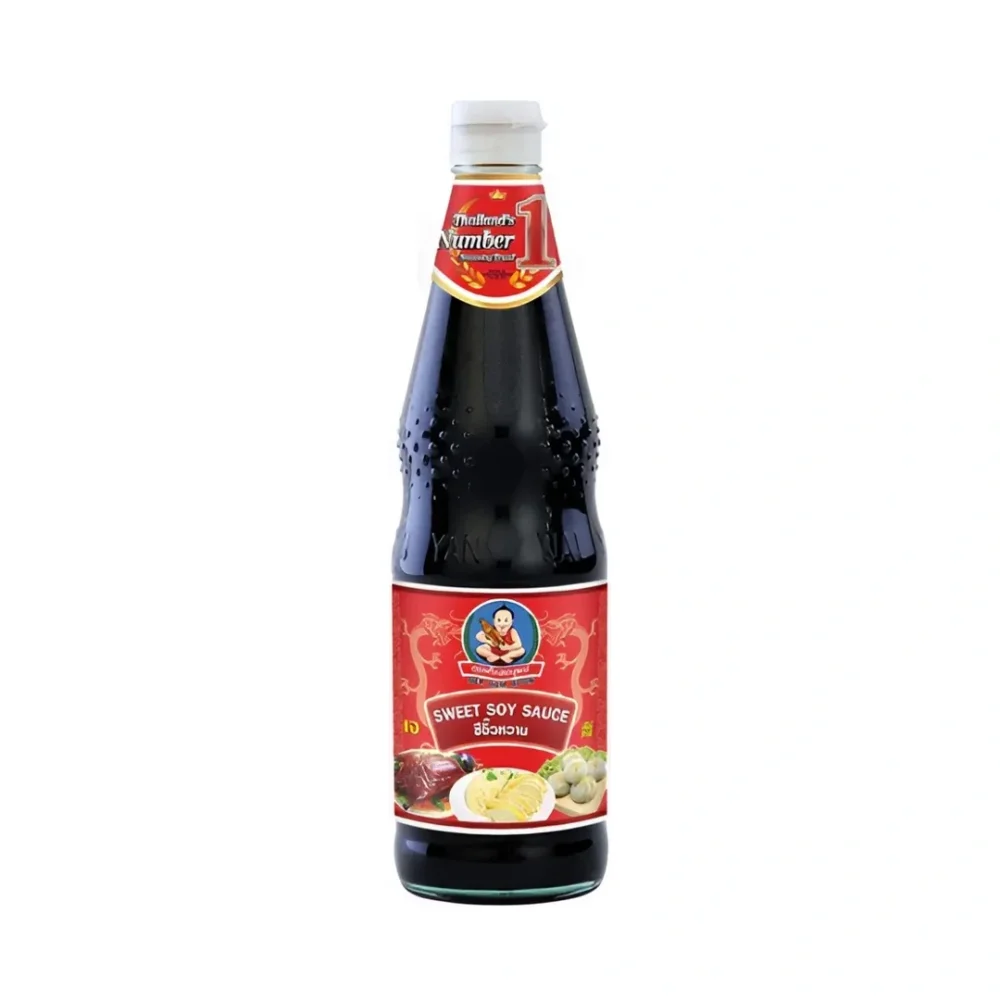
Even within soy sauces there are regional differences: sometimes it’s deep saltiness and umami; other times a sweet-salty profile helps create a "glazed" impression in woks, marinades, or dips. An example of this direction is Dek Som Boon sweet soy sauce.
5) I want to understand "curry" without confusion: paste vs. mix vs. Japanese approach
"Curry" is not a single category. Under the same word, in Europe, Thai aromatic pastes, Indian spiced mixes/pastes, and also Japanese curry (which historically came to Japan via British intermediaries) are often grouped. So it’s good to always clarify which regional style you want to imitate.
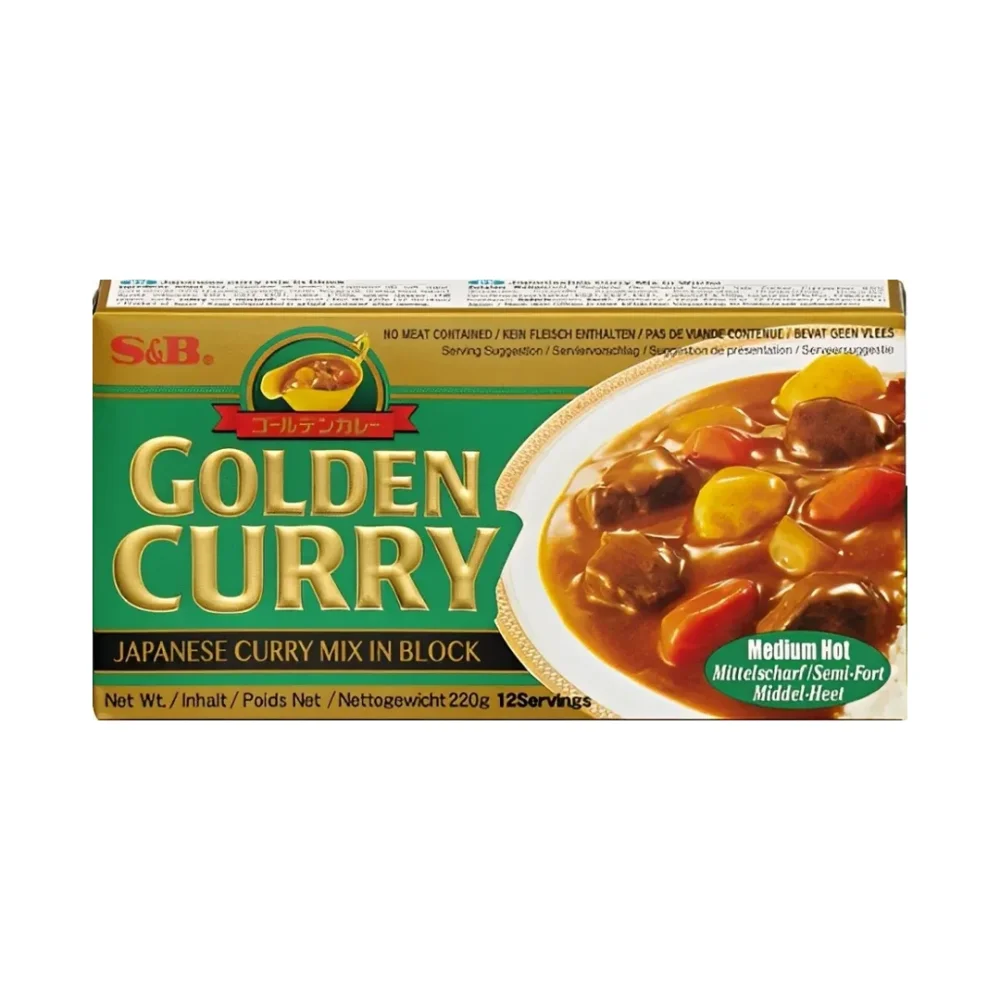
An example of the Japanese approach (milder, "finished" saucy style) can be S&B curry seasoning pastePractical advice: do not use it as a "general Asian paste" for everything; take it as a specific regional shortcut that makes sense in its own context.
6) I want a sweet-sour "restaurant" sauce in the style of Chinese stir-fries
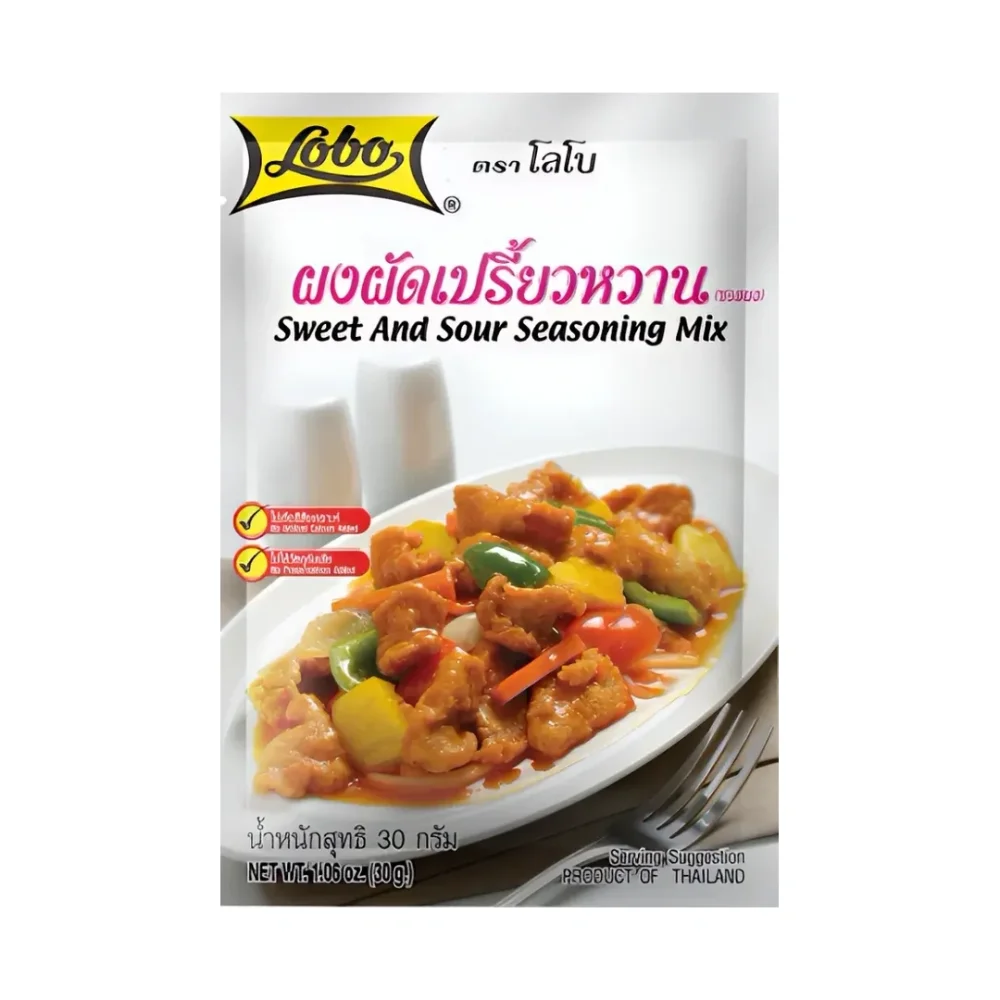
The sweet-sour profile is a good example that "Asian flavor" is not one: it works with a different balance than herbal and lime Southeast Asia or soy-fermented East Asia. For quick use, there are blends that are briefly cooked — for example Lobo sweet and sour sauce mix.
7) I want quick "island" style noodles as a homemade snack (and improve them like street food)
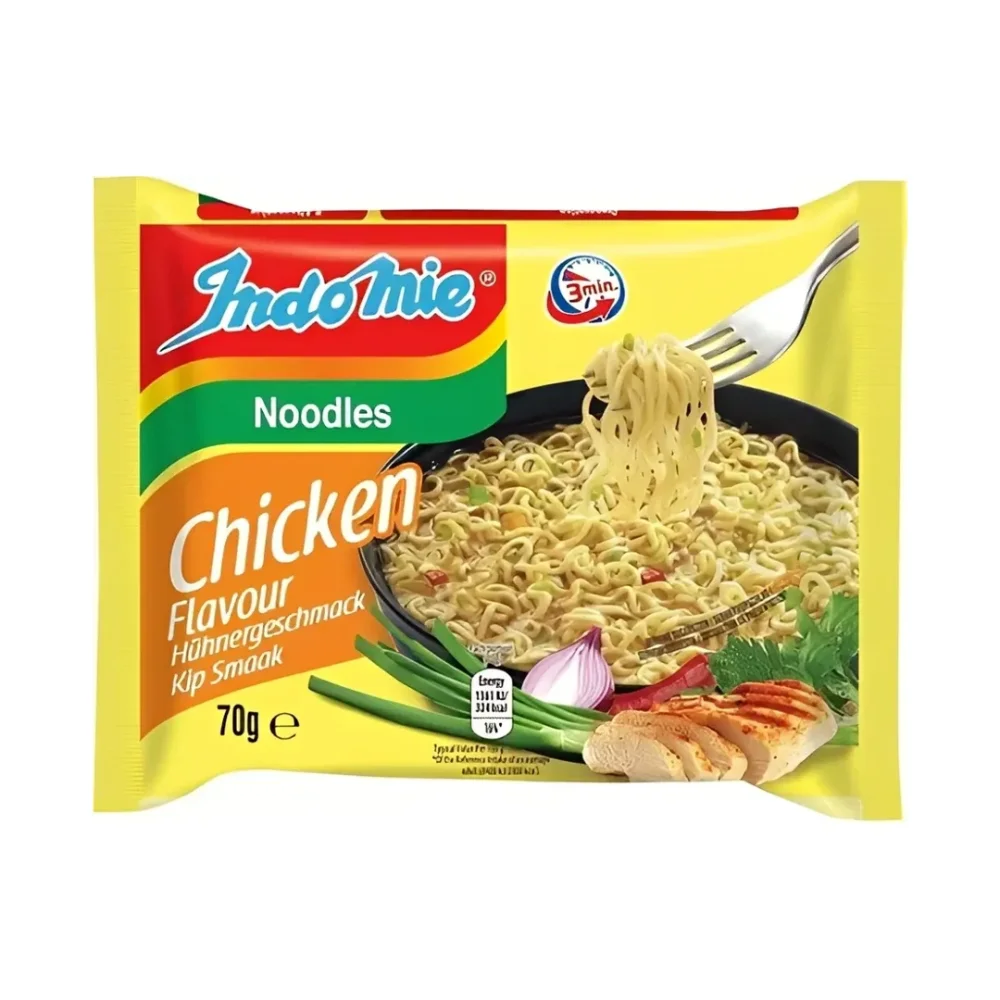
Quick meals are a common part of everyday life and the logic of "fast, bold flavor" in Asia. If you want a simple start with noodle soup and then enhance it with your own elements, a good example is IndoMie chicken-flavored noodlesThe point is not "instant" but that even quick food often finishes with final seasoning and texture.
Most Common Mistakes About Regional Styles of Asia (And How to Avoid Them)
- "Asia tastes the same, just spicier in some places." The differences are deeper: grain, fat, fermentation, broth, texture, sauce, and serving method. Spiciness is just one variable.
- "China, Japan, and Korea have almost similar food." They share some basics but have developed different flavor and cultural systems (different handling of fermentation, broth, flavor purity, and also a different way of dining).
- "Southeast Asia is just coconut and chili." There is a big difference among Vietnam, Thailand, Malaysia, Indonesia, the Philippines, and Singapore. In some places, herbal freshness and acidity dominate, elsewhere coconut sauces, elsewhere marine fermented seasonings.
- "India and Sri Lanka are the same." They share some ingredients and history but have different flavor profiles and different roles for coconut, rice, and dining.
- "Regional style = just a world map." For home cooking, it’s more important to know which direction to choose (rice vs. wheat, fermentation vs. coconut, spices vs. broth) and select basic ingredients accordingly.
What to Take Away from the Article
- Regional style is not a state label but a practical "logic" of ingredients, preservation, flavor, and service.
- The strongest drivers of differences are climate and agriculture, sea and islands, cultural rules, trade and migration, and also urban life (street food).
- For quick orientation, it helps to look at large flavor zones: East Asian umami/fermentation/broths, Southeast Asian herbs/acidity/marine bases/coconut, South Asian masalas, and island marine-tropical logic.
- The rice vs. wheat "belt" is a simple compass that immediately suggests typical food bases.
- Fermentation is a crucial regional divider: sometimes soy dominates, sometimes marine seasonings, sometimes fermentation in batters and pickles.
- The fastest way to confidence at home: choose one direction and build the dish around its typical base (not mixing all "Asian" sauces together).

Read next
If you want to explore this topic further, continue with these related blog guides and articles:
