


 Česky (CZK)
 Slovensky (EUR)
 Deutsch (EUR)
 Austria
 Belgium
 Bulgaria
 Croatia
 Denmark
 Estonia
 Finland
 France
 Germany
 Greece
 Hungary
 Italy
Italy Latvia
 Lithuania
 Luxembourg
 Netherlands
 Poland
 Portugal
 Romania
 Slovenia
 Spain
Spain Sweden










Northern and southern tastes of Asia: how to understand them and cook by them at home
“Northern vs. southern tastes” is a useful shorthand for quickly orienting yourself in Asian food — but we mustn’t take it as an exact map. In this article we’ll show what this concept really means, why it arose, what the typical differences in ingredients and techniques are, and how to extract practical tips for home cooking.
Why we even talk about “north” and “south” (and why it’s not dogma)
Asian cuisine is not a single cuisine — and speaking of “Asian taste” as one thing can be misleading. Still, there are orienting directions that help quickly understand why some dishes feel rich, broth-based and “warming,” while others are light, herbal and sour.
The concept of northern and southern tastes of Asia is exactly that kind of aid. It doesn’t say “this is how it is everywhere,” but it often helps estimate:
- what grains and side dishes will play the main role,
- whether the flavor is built more on broth, braising and sauces, or on herbs, acidity and freshness,
- whether you will rely more on fermented bases, or on coconut and “tropical” ingredients,
- and what “logic” spiciness will have (pure chilli, garlic and onion, pepper, pastes…).
At the same time an important warning applies: there are rich and very spicy dishes in the south and delicate, subtle cuisines in the north. So take north/south as a compass, not a border.
What shapes regional tastes most: climate, agriculture, the sea and human movement
The biggest differences in taste and cooking style usually do not arise “by chance,” but from the conditions in which people live and eat over the long term.
Climate and agriculture: the rice belt vs. the wheat belt
In warm and humid areas rice, coconut palms, tropical fruit and many aromatic herbs naturally thrive. In drier and cooler areas wheat (and therefore noodles), millet, barley, legumes, meat and well-storable ingredients play a larger role.
This is one reason why the “south” often tastes rice-forward and herbaceous, while the “north” more often emphasizes noodles, broths and heartiness.
Sea, rivers and islands
Coastal and island cuisines are naturally connected with fish, seafood and fermented marine bases. Inland areas, on the other hand, more often rely on grains, meat, legumes and various preservation techniques.
Religion and cultural rules
Food in Asia is strongly shaped by Buddhist, Hindu, Muslim, Christian and local traditions — that is, what is eaten and not eaten, how meat is treated and what everyday dining looks like. This influence is huge, but for north/south it’s useful to understand it as another layer that can further diversify the basic “direction.”
Trade, migration and empires (including the “newer” layer of chilli)
Trade fundamentally transformed Asia: spices, aromatic woods, sugar, tea, citrus and production techniques spread by sea and land, and ports were places where flavors mixed. It’s also important that some ingredients considered “typical” today are historically younger — for example chilli peppers reached Asia as part of the Columbian exchange. Today it’s hard to separate Thai, Korean or parts of Indian cuisine from chilli, but it’s a later layer on older foundations.
Northern directions: wheat, broths, braising and a more robust flavor structure
In more northern or cooler parts of Asia you’ll more often find:
- wheat and noodles,
- heartier or more robust dishes,
- a larger role for meat,
- spiciness built (depending on the region) on pepper, garlic, onion or chilli,
- soups, broths, braising and “warming” dishes.
How you recognize it in typical dishes (and why it makes sense)
The northern “logic” is well captured by noodle and broth formats: a bowl where the flavor is built to be filling and clear even without a large amount of fresh herbs. That doesn’t mean north = heavy and crude. East Asia (China, Japan, Korea, Taiwan) is also about umami, fermented soy bases, working with texture and precision in broths.
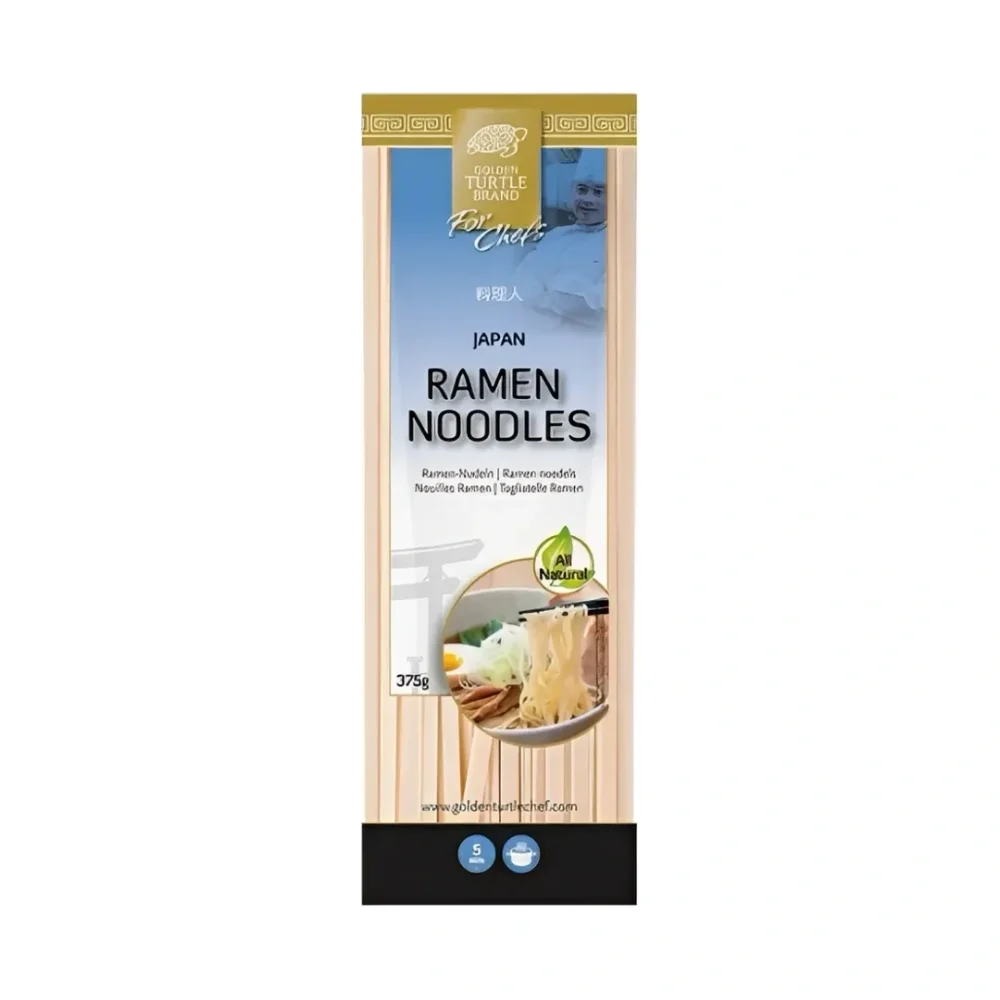
As a practical “northern” foundation for home cooking, wheat noodles are useful — for example Golden Turtle Chef ramen noodles. They allow you to quickly build a broth bowl or simple fried noodles and clearly show how a wheat side carries sauce and broth differently than rice.
A Japanese example: robustness without chaos
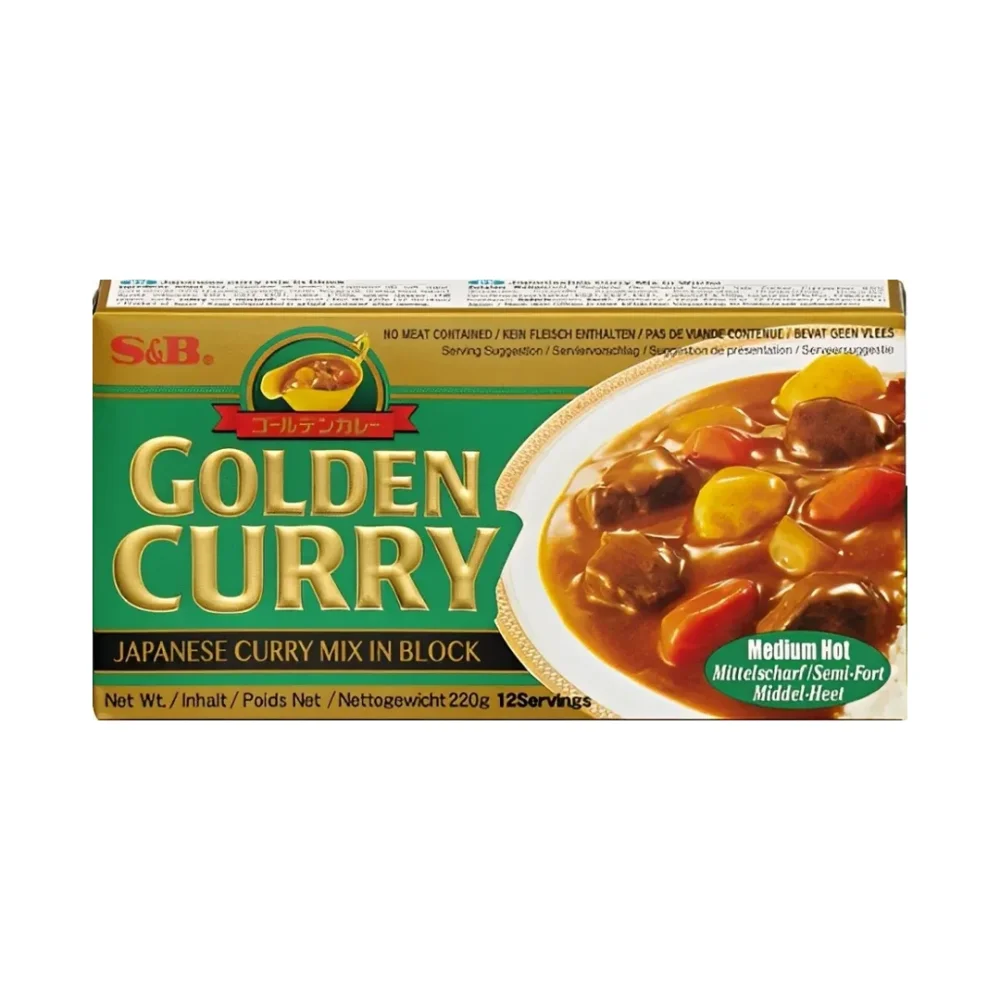
“Northern” doesn’t have to be just about chilli and garlic. In Japan-oriented cooking you often encounter a cleaner, more transparent flavor that is nonetheless filling. A practical example is Japanese curry with a mildly sweet profile: instead of aggressive heat it builds depth through spice and sauciness. For a quick way to try this logic at home you can use S&B curry seasoning paste (medium hot) — not as a “shortcut for a recipe,” but as an illustration of how a flavor can be built on a spiced base and sauce.
Southern directions: rice, coconut, herbs, acidity and speed
In warmer and more humid parts of Asia you’ll more often find:
- rice and rice noodles,
- coconut,
- a larger role for herbs and fresh ingredients,
- lighter, fresher and often sourer dishes,
- fish and seafood,
- faster, less heavy dishes (often also in street food form).
Rice as the “body” of a dish
The southern style often relies on rice holding the meal together while the rest creates a flavor “arc” around it: savory and umami bases, acidity (lime, vinegar, tamarind), chilli and fresh herbs. If you want to start very simply, a good first step is to choose a rice that will suit you as an everyday side — for example in the category jasmine rice.

Cold and “salad-like” dishes: the south in its purest form
In many parts of Asia cold dishes are not just a “light alternative.” They are often a full-fledged world based on:
- freshness and crunch,
- acidity as an active building element,
- a dressing or dip that is as important as the main ingredient,
- contrast of textures (soft × crunchy × springy).
Typical examples where you can feel this logic well are Vietnamese gỏi cuốn, Thai som tam, Laotian/Thai larb, but also Indonesian gado-gado. Notice that “salad” here often doesn’t mean leaves, but a thoughtfully seasoned bowl (noodles, vegetables, herbs, sometimes tofu or meat) — and the dressing decides whether the dish will taste “finished.”
Southern spiciness: short, clean, or layered
Southeast Asia is known for chilli, but spiciness here is rarely gratuitous. It often works as a “final spark” that lifts aroma and freshness. When you want to add heat at home precisely and without other distracting flavors, a chilli paste like sambal is practical. For example Royal Orient sambal oelek is a good example of “pure” chilli heat.
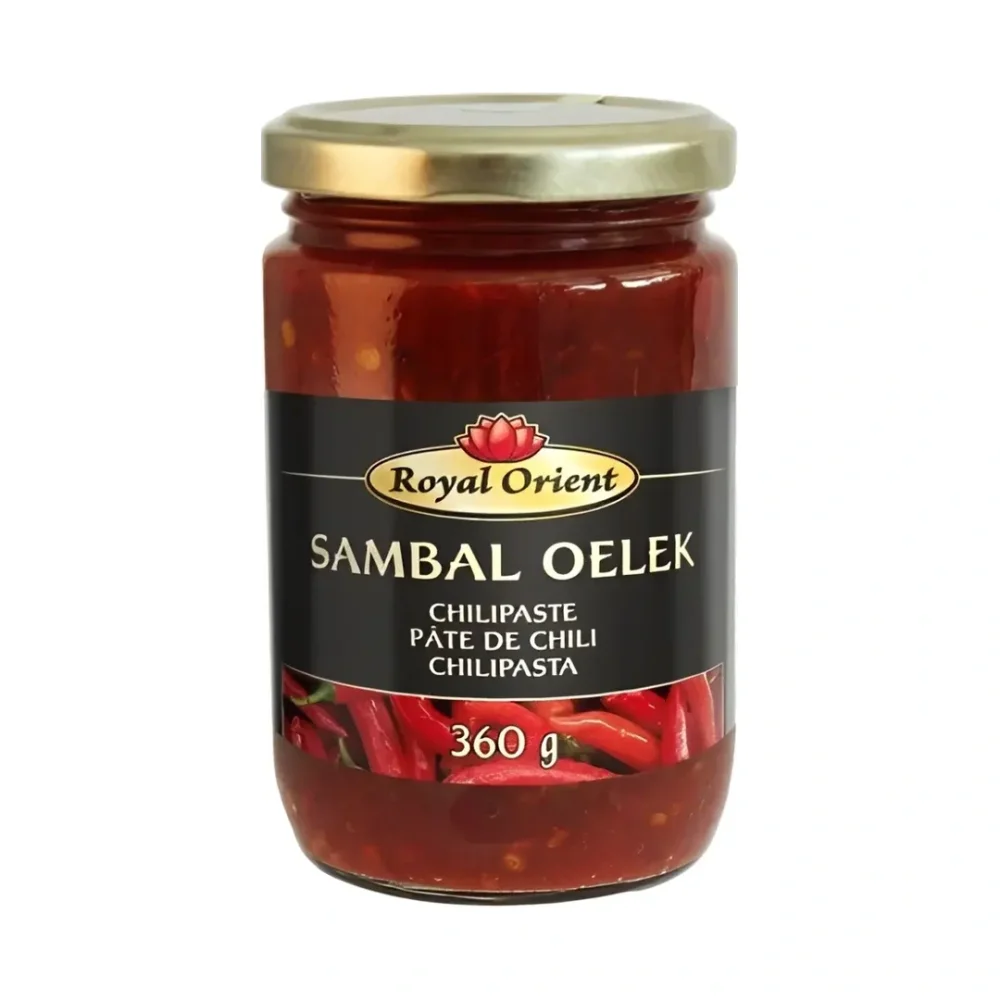
Practically: start rather cautiously (for example 1/4 teaspoon per serving into a sauce or dressing), stir, taste and add in small steps. In Southeast cuisine spiciness is often adjusted at the end so it stays “lively.”
Where north/south intersects with the “big flavor spaces” (East and Southeast Asia)
For orientation it’s useful to perceive the broader flavor spaces as well. One model works with four big areas; in our materials two are described in detail, which often intersect with north/south:
- East Asia (China, Japan, Korea, Taiwan): strong role of rice and sometimes wheat, fermented soy bases, importance of broths, noodles and side dishes, big role of umami and work with texture.
- Southeast Asia (Vietnam, Thailand, Laos, Cambodia, Malaysia, Singapore, Indonesia, the Philippines…): rice and rice noodles, fresh herbs, fish sauces and fermented marine bases, coconut, sour components (tamarind, lime…), sambals, chilli dips and curry pastes, strong street food culture.
This distinction is practical because it shows that “north/south” is not the only axis. For example, the East Asian “northern” part can be brothily rich but also very clean and precise; the Southeast “southern” part can be fresh but also strongly salty, fermented and spicy.
Practical onboarding: how to choose a “northern” or “southern” style at home (and start without chaos)
Beginners often want to start with “Asian cuisine” as one package — but that doesn’t work in practice. It’s much better to choose an entry door according to which flavors and cooking tempo suit you. North/south is an excellent filter for that.
1) Ask yourself 3 simple questions
- Do I want rice or noodles? If you’re naturally drawn to noodle bowls and broths, you’re closer to the “north.” If you want rice, herbs and quick bowls, you’re closer to the “south.”
- Do I want freshness and acidity, or depth from broth and sauce? Acidity (lime, vinegar, tamarind) and herbs typically pull toward the “south.” Broth, braising and more robust sauces often indicate the “north.”
- Do I want coconut/herbs, or fermented soy bases? Coconut and herbs more often point to the “south”; fermented soy bases and broths more often to the East Asian space.
2) Two quick starter dishes (without full recipes)
Northern start: a noodle bowl or quick “wok” noodles. The goal isn’t perfection but to understand how a wheat side, broth/sauce and heartiness work. Start with noodles, simple vegetables and a clear seasoning. Once you grasp the basics, you can easily move on to ramen, udon or various stir-fry styles.
Southern start: rice + quick seasoning + a fresh element. Cook rice and pair it with a simple dish where acidity, chilli and fresh vegetables/herbs play a role. Cold noodle salads or “salad” bowls work great in this direction — the dressing is key.
3) Seasoning in practice: three useful “shortcuts” that teach the taste
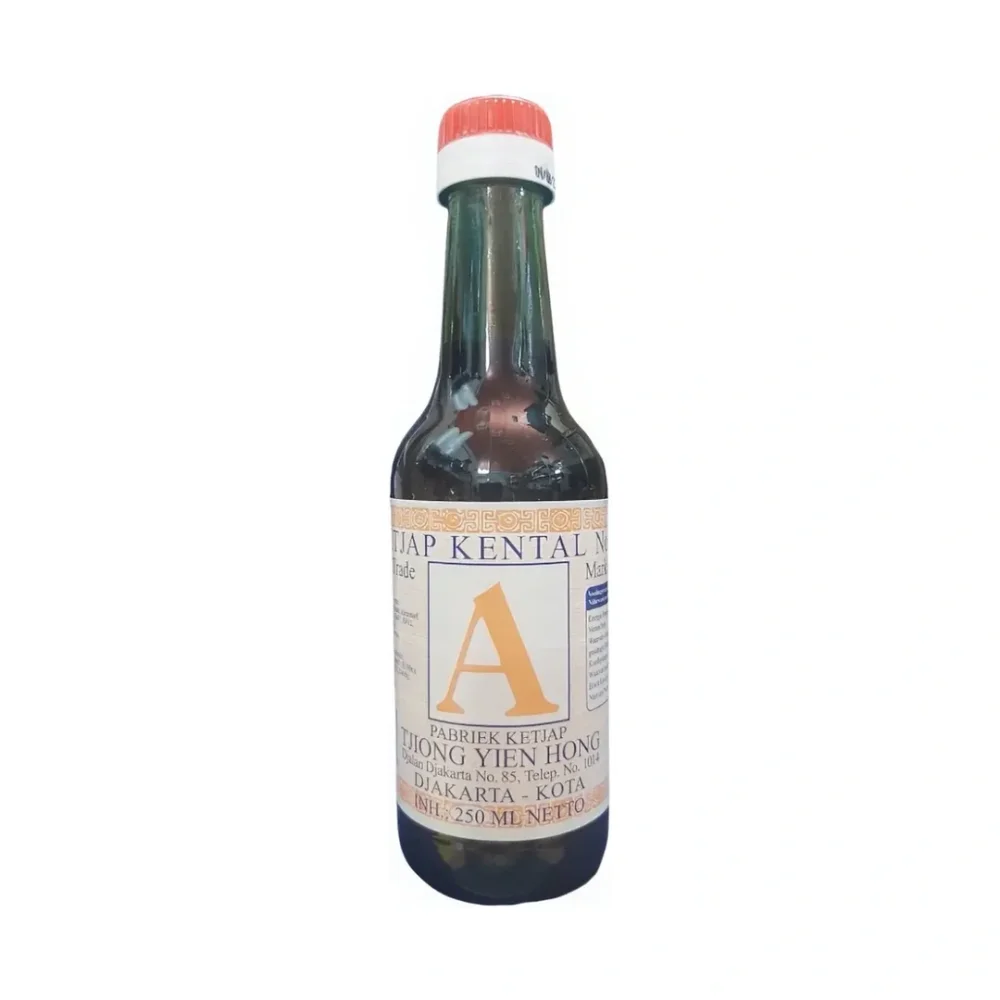
Sweet-salty depth (island Southeast style): Dark sweet soy sauce is often used for fuller flavor, color and “gloss” in marinades or quick pans. A good example is A-Merk ketjap manis. At home, start using it in small amounts (for example 1–2 teaspoons per serving in a stir-fry), because the sweetness is pronounced and can easily overpower the rest.
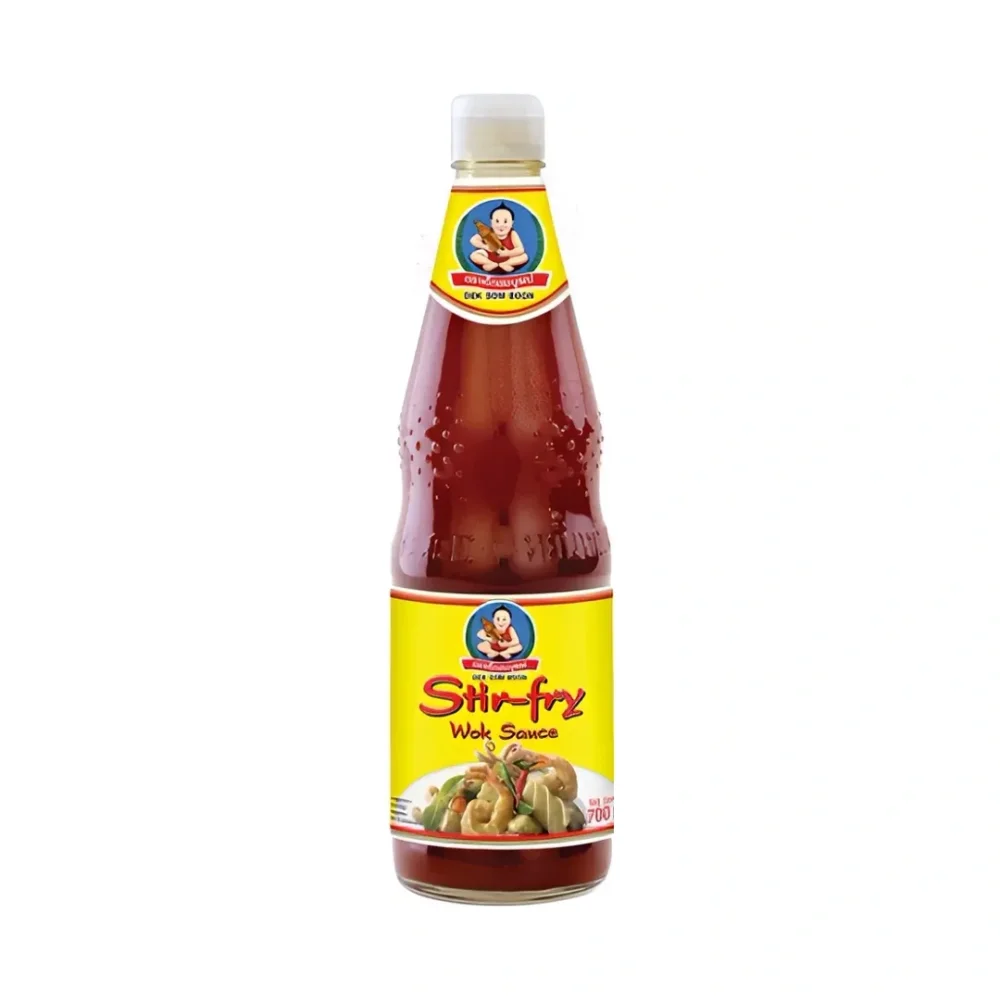
Quick “pan” sauce (Southeast street food logic): Street food often relies on speed and a clear flavor: saltiness and umami, acidity, a light sweetness, sometimes smokiness and crispness. If you want to quickly achieve a bold coating of ingredients in a pan at home, a ready-made sauce intended for stir-fry can be a practical helper, for example Dek Som Boon frying sauce. Treat it as dosing practice: start with roughly 1 tablespoon per serving, mix and adjust after tasting (it can easily become too salty or too sweet).
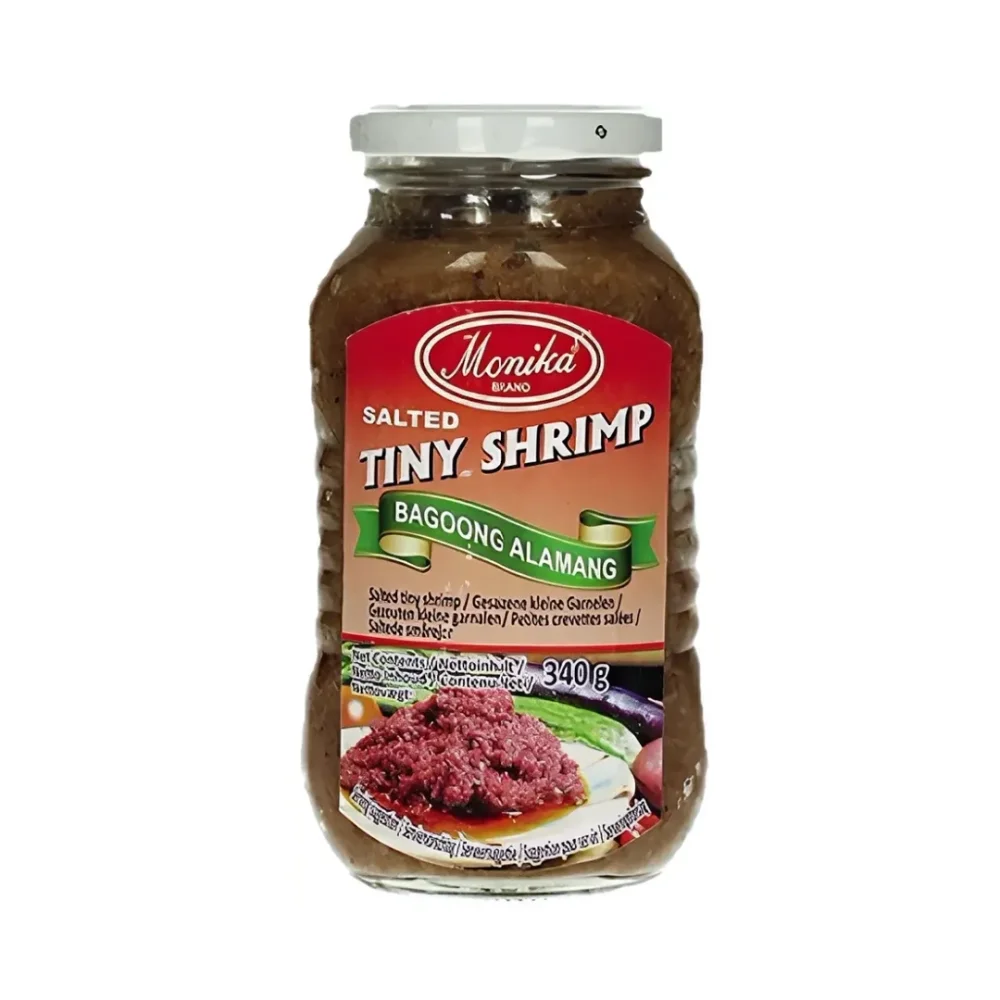
Fermented sea “spark” (coastal and island logic): In some cuisines an intense salty marine base plays a major role. An example of such a seasoning is Monika salted shrimp, which are used in small amounts in rice, noodles, soups and sauces. Practically it’s an ingredient of the “pinch decides” type: start with a very small amount (for example a pea-sized piece for a whole pan) and build the flavor gradually.
4) When north/south splits differently: spices and sweet-and-sour accompaniments
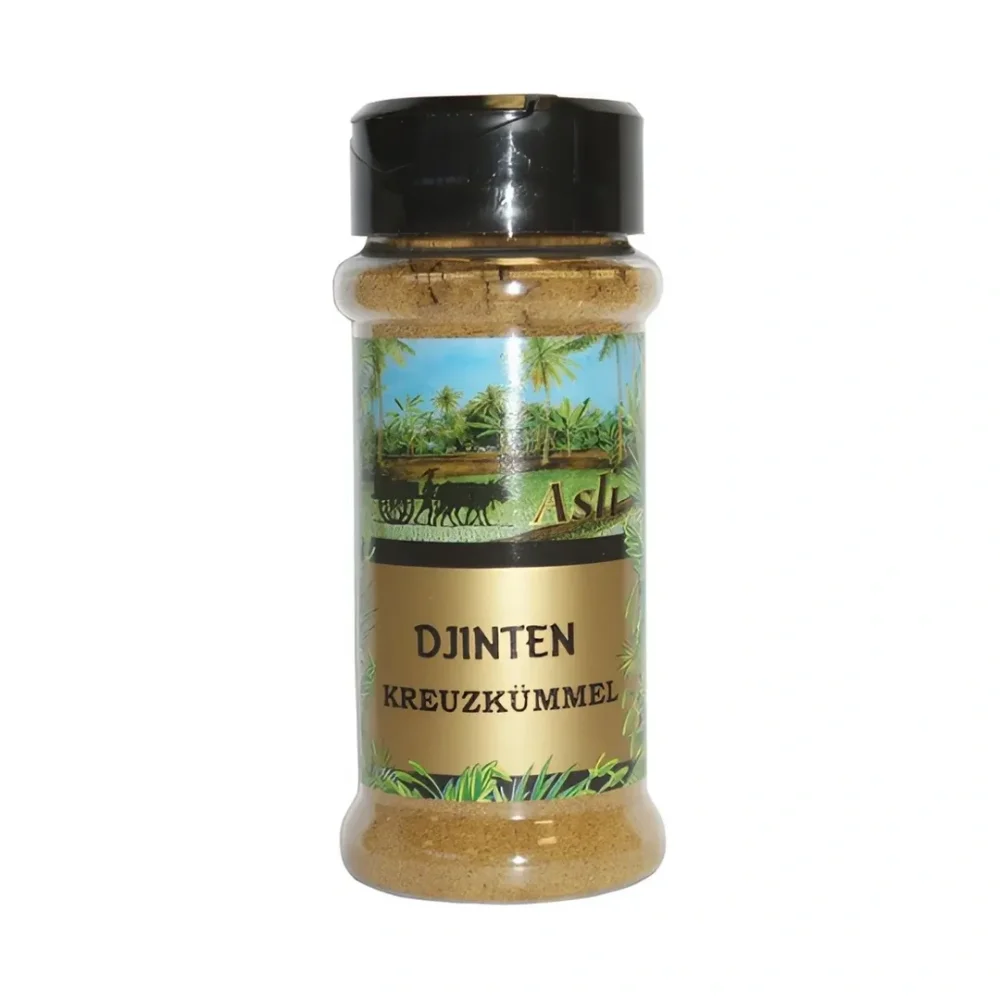
Not everything can be explained only by the north/south axis. Sometimes a “spiced” and “braised” logic comes into play (often associated with the Indian subcontinent) or, conversely, a pronounced use of acidity as a main building block (often mentioned with Filipino cuisine). If you enjoy spices, it’s good to start with simple, recognizable spices that are easy to identify in a dish – for example cumin. A practical example is Asli ground cumin, which mixes well into sauces, legumes and marinades and quickly shows you how a “warm” spiciness changes a dish’s profile.
Common mistakes and misunderstandings (and how to fix them quickly)
- Taking north/south as an exact map. It’s a tool, not a rule. If you come across a “southern” dish that is rich and very spicy, it’s not an exception that disproves the concept – just a reminder that regional styles overlap.
- Confusing “light” with “weak.” Cold and salad dishes can be very intense in flavor. When the result is bland, the problem is usually the dressing: it lacks salt/umami, acidity or a little sweetness for balance.
- Overshooting spiciness right at the start. Especially with chili pastes and sambals, it’s better to add in small steps. The fix is often simple: add acidity (lime/vinegar), a bit of sweetness and increase the volume of the dish (rice, noodles, vegetables) instead of adding more salt.
- Mistaking sweet soy sauce for “regular” soy sauce. Ketjap manis is sweet and dark; if you use it as the main salty base, the dish can easily “caramelize” and stop being balanced. Use it more as a seasoning and color.
- Ignoring texture. In street food and cold bowls, contrast (crispy × soft × springy) is often as important as the sauce. When the flavor is “good but something is missing,” it’s often texture.
What to take away from the article
- Northern vs. southern flavors are a useful compass, not an exact map: they help estimate sides, techniques and typical seasoning.
- North more often means wheat and noodles, broths, braising and a heartier profile; south more often rice, coconut, herbs, acidity and quick dishes including street food and cold bowls.
- Differences don’t arise by chance: factors include climate, agriculture, sea, culture and trade (including the later spread of chili).
- For home cooking, the most practical approach is to choose an entry door by style (noodle bowls, rice bowls, salads, wok) and learn dosing and balance on simple dishes.

Read next
If you want to explore this topic further, continue with these related blog guides and articles:
