


 Česky (CZK)
 Slovensky (EUR)
 Deutsch (EUR)
 Austria
 Belgium
 Bulgaria
 Croatia
 Denmark
 Estonia
 Finland
 France
 Germany
 Greece
 Hungary
 Italy
Italy Latvia
 Lithuania
 Luxembourg
 Netherlands
 Poland
 Portugal
 Romania
 Slovenia
 Spain
Spain Sweden










Island cuisines of Asia: what shapes them and how to navigate them
"Island cuisines of Asia" is not one style nor one typical flavor. It is a collection of regional cuisines that developed in island and coastal environments – where cooking is shaped by the sea, climate, local agriculture, as well as trade and migration. In this guide, we will focus on the island axis of Southeast Asia (Indonesia, the Philippines, Malaysia, and the Singaporean mix of influences) and show how to interpret these influences in the taste of food and how to assemble a foundation at home to orient yourself practically, not just based on impressions.
Introduction: why "island" in Asia does not mean one flavor
Asian cuisine is not a single universal style. Island and coastal areas of Southeast Asia make this beautifully visible: alongside each other here operate cuisines built on chili and aromatic pastes, cuisines where the taste axis is acidity and saltiness, and cuisines that combine coconut, spices, and influences of several cultures in one city.
For orientation, it is useful to stop looking for “typical Asian spices” and instead ask: what is the main base in the given dish, what creates depth (umami), what makes aroma, and how spiciness, sweetness, and acidity are balanced. On the islands, these answers often vary from region to region – which is exactly why it makes sense to have a simple compass in your head.
🌶️ What is "island cuisine of Asia" (and what it is not)
In this article, take “island cuisine of Asia” as a guiding term for regional styles formed in island and coastal conditions (typically Indonesia, the Philippines, Malaysia, and the Singapore crossroads of influences). It is not one list of dishes nor one set of ingredients that applies “everywhere.”
It makes more sense to look at island cuisines through the forces that shape regional styles:
- Climate and agriculture – what can be grown where and what becomes a daily staple (for example, the role of rice).
- Sea, rivers and islands – availability of fish and seafood, but also other ways of flavoring and preservation.
- Religion and cultural rules – what is (not) eaten and how taste is built when certain ingredients are missing from the kitchen.
- Trade, migration and empires – how new ingredients, spices, and techniques arrived in the cuisines and why some places layer them "layered."
This is in practice a better map than labels like “island = coconut.” Coconut can be important, but it is not a universal definition.
Main variants and differences: how islands change taste logic
Regional styles often differ in what their flavor base stands on. This question alone helps you understand why two dishes from “Southeast Asia” can taste completely different.
1) Four types of “bases”: fermentation, coconut, spices, broth
In practice, you will often encounter that cuisines (or specific dishes) build flavor mainly on one of these pillars:
- Fermentation – gives depth and umami and often works as a base, not just a complement.
- Coconut – brings softness and roundness; often helps balance spiciness and spices.
- Spices and aromatic pastes – build clear aroma and character; sometimes dominate, other times only underline.
- Broth – provides body and “tone” to the food; regional differences are often exactly in how this base is made.
The island context is specific in that more approaches often coexist side by side: islands separate communities and at the same time historically support exchange of influences through trade.
👃 2) Indonesia: sambal, aromatic pastes, coconut and huge regional breadth
Indonesian cuisine is not one single cuisine but a wide collection of regional cuisines spread across a huge archipelago. Nevertheless, in practice, you will often meet several supporting points: rice as the base, a strong role of chili and sambal, pronounced work with aromatic pastes and also frequent use of coconut and coconut milk.
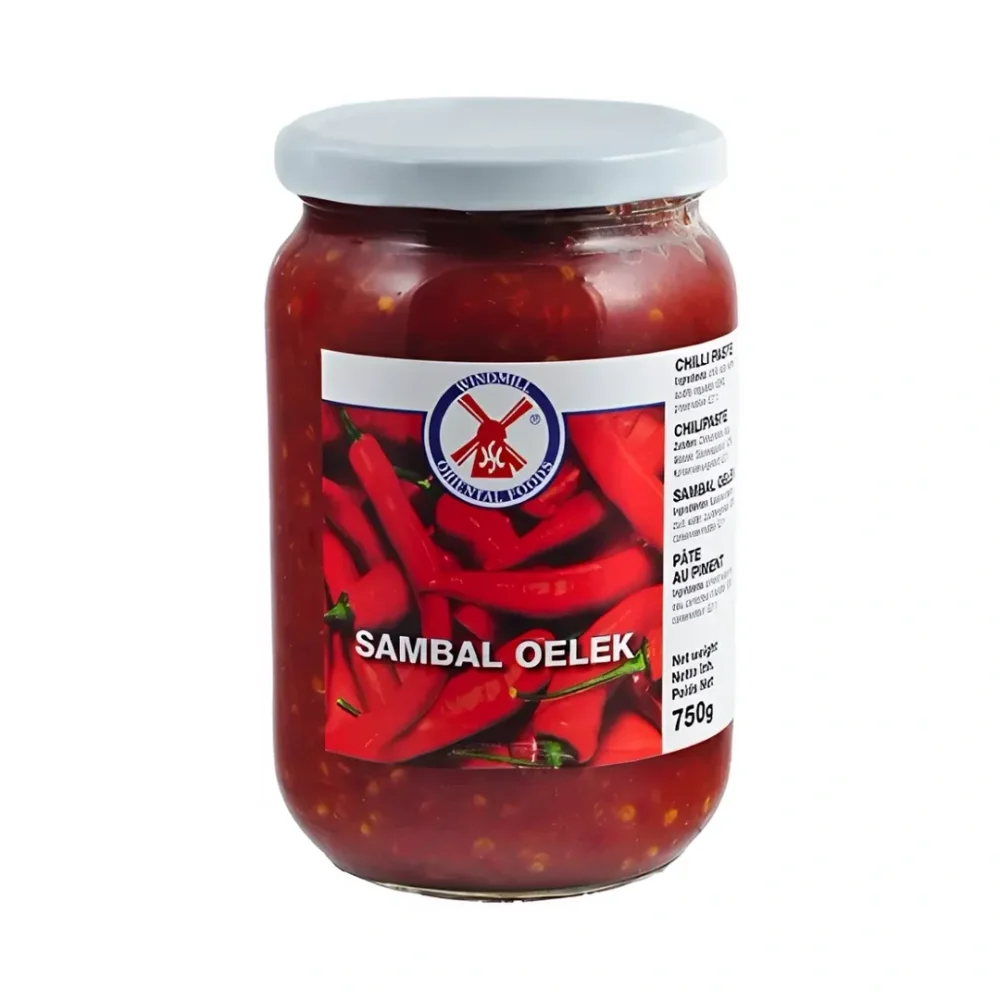
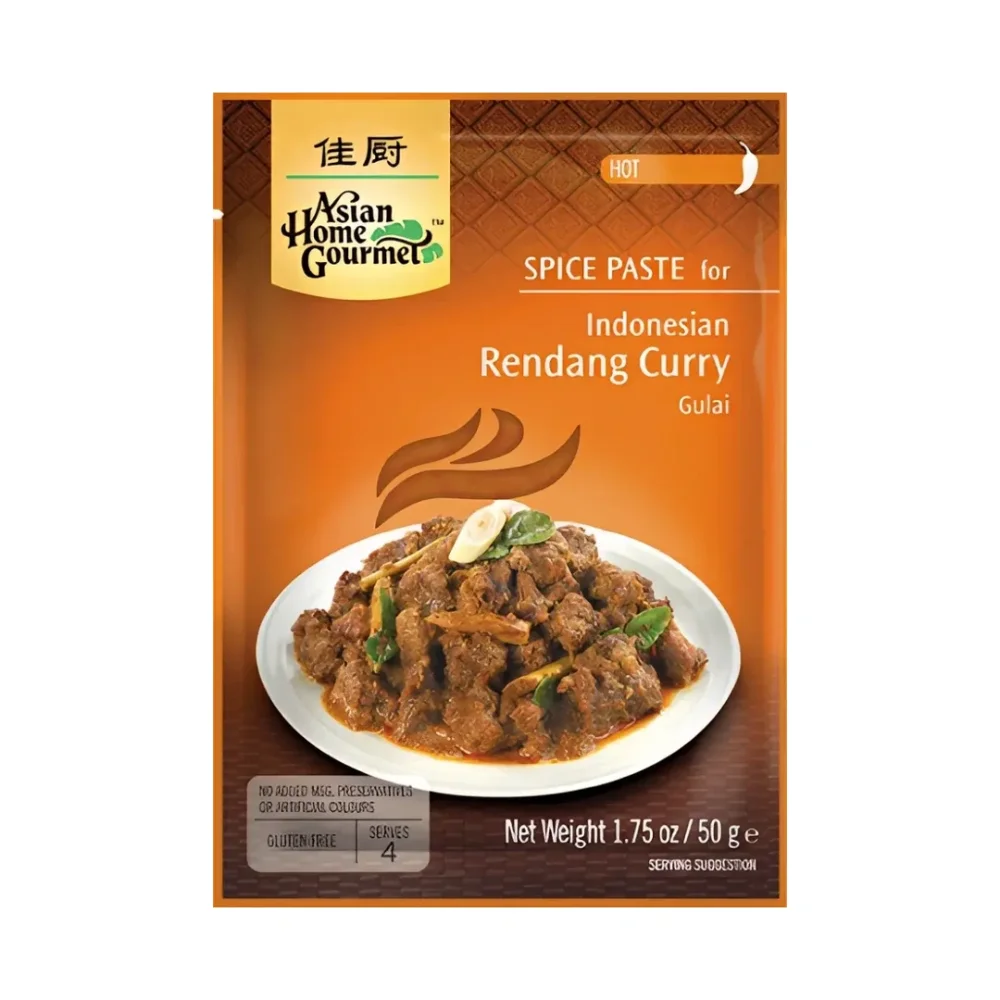
If you want to understand the “Indonesian logic” at home without complicated theories, it is useful to work with two levers: (1) the chili component (sambal) and (2) aromatic paste, which creates character. A straightforward example of a chili base can be Windmill Chilli pasta Sambal Oelek 750 g. And as an example of the aromatic “body” of a dish then ready-made mixes for a specific style, for example AHG Pasta Rendang curry 50 g or AHG Pasta for vegetable curry Sayur Lodeh 50 g.
3) Philippines: rice as center and taste axis of “sour + salty”
Filipino cuisine is a broad island cuisine combining home daily cooking, regional specializations, urban street food, and festive tables. Its “typical flavor” usually does not stand on one universal spice mixture but on practical logic: rice as the base, acidity and saltiness as the flavor axis, a significant role of vinegar and use of soy and fish seasonings. It also often relies on garlic, onion, and black pepper.
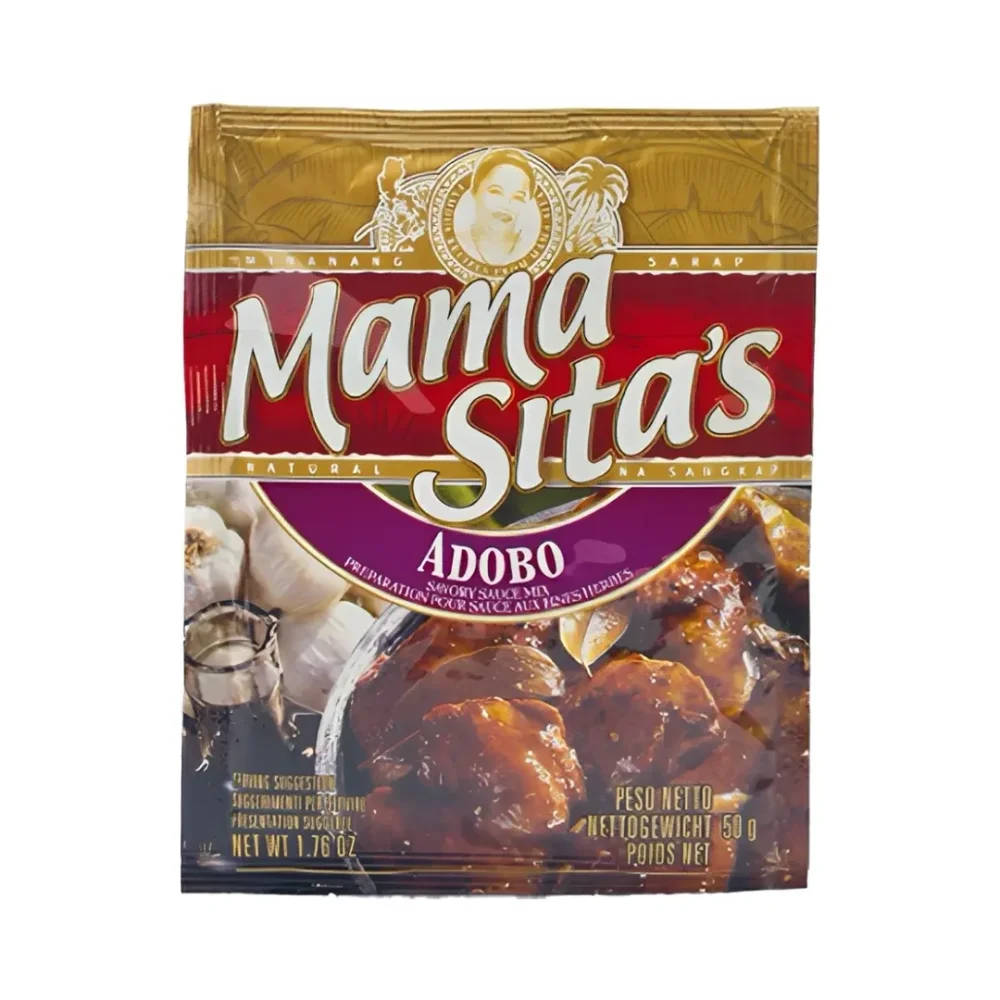
For a home start, it is good to choose one Filipino "reference" style and learn how acidity and saltiness are dosed in it. A practical aid can be a ready-made mix for adobo (classic Filipino flavor direction), for example Mama Sita's Adobo Sauce Mix 50 g. Take it as a way to “feel” the flavor profile – and then you can learn to transfer the principle to your own combinations.
4) Malaysia and Singaporean mix: multicultural layers, coconut, chili, balance
Malaysian cuisine is a vibrant collection of several culinary traditions that met and mixed in one territory: a Malay base, but also Chinese, Indian, Peranakan, and local influences. In practice, this often means that different “cultural layers” coexist side by side (and sometimes even in one dish).
Common is the combination of coconut milk, chili, aromatics and fermented components and emphasis on balance between saltiness, spiciness, sweetness, and acidity. For home orientation, it is useful to try two iconic logics:
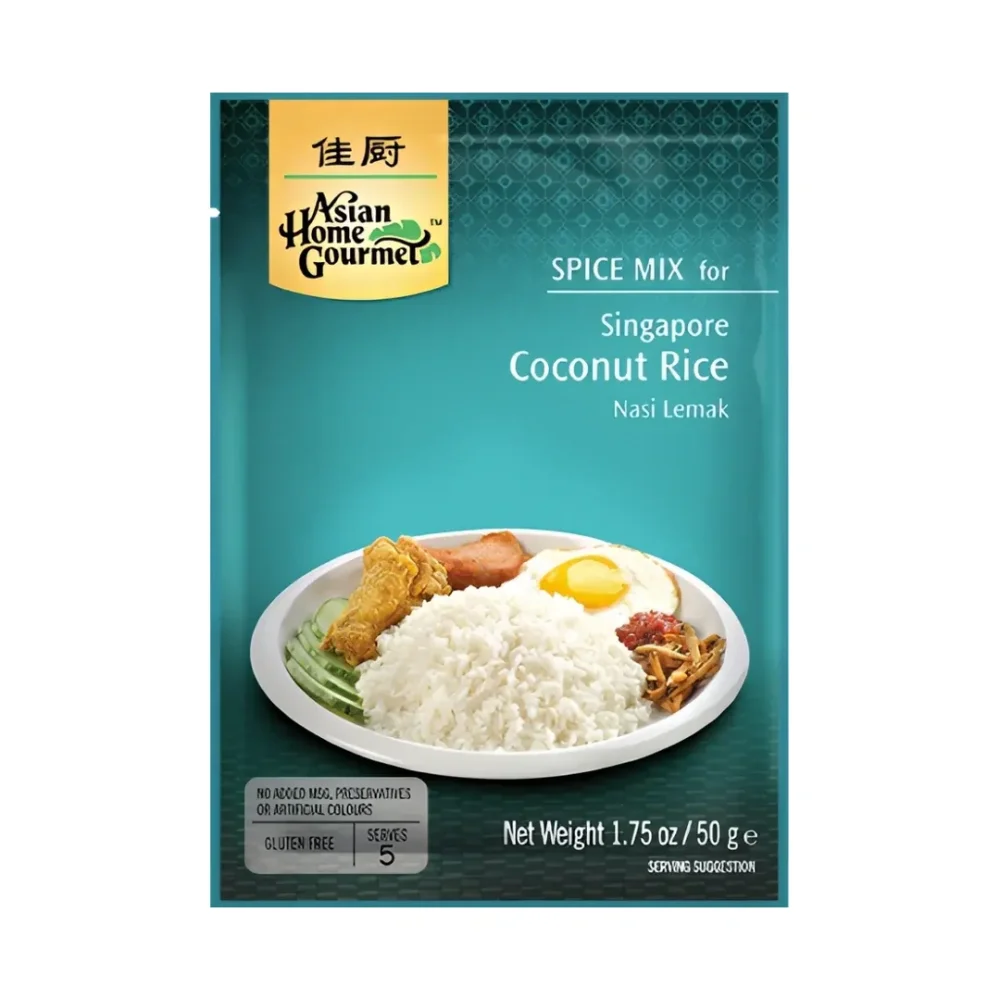
- coconut rice (typically “nasi lemak”), where coconut carries softness and roundness,
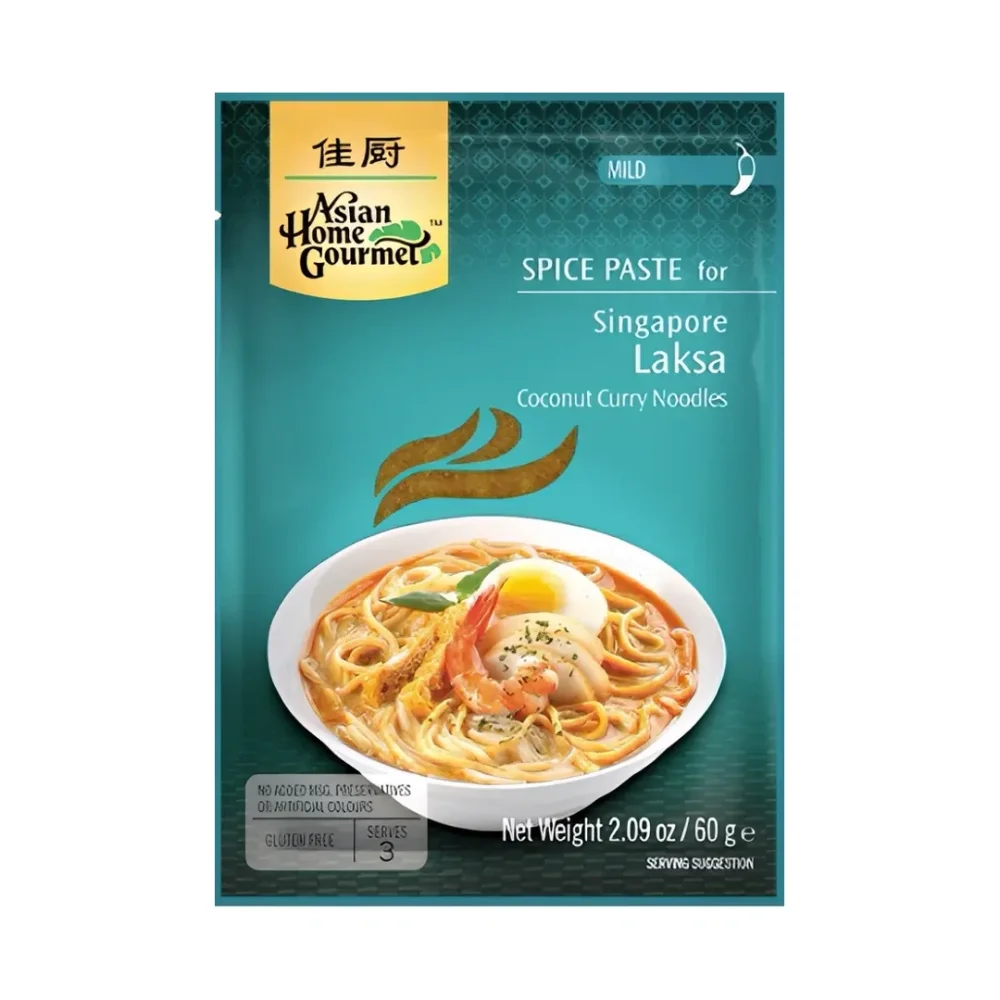
- coconut curry noodles (typically “laksa”), where coconut meets a spicy, aromatic base.
Concrete "training" starters can be mixes aimed at these profiles: AHG Pasta for Nasi Lemak Coconut Rice 50 g and AHG Pasta for Laksa Coconut Curry Noodles 60 g. The goal is not to cook “according to the pouch” but to understand how coconut, chili, and aromatic base work together.
🍽️ How to start at home: practical compass, dosing and first combinations
The fastest way not to get lost in island styles is not to look for one miraculous ingredient. It's building taste by functions: base (most often rice or noodles) + saltiness/umami + acidity (where it makes sense) + aromatic layer + controlled spiciness. And then fine-tuning the balance.
Step 1: choose the “axis” you want to train
- Indonesian axis: chili (sambal) + aromatic paste + often coconut.
- Philippine axis: acidity (vinegar/citrus note) + saltiness (soy/fish seasoning) + garlic, pepper.
- Malaysian/Singaporean axis: coconut + spicy-aromatic paste + balancing several tastes at once.
If you try to train everything at once, you can easily end up with “some kind of Asian sauce” that lacks a clear character. One axis = faster learning.
Step 2: use coconut as a balancing tool, not decoration
Coconut milk is not just “creaminess.” In island styles, it often works as a carrier that rounds spiciness and ties aroma. If you want to use this principle, keep coconut milk handy as a stable base for sauces and soups (or just to soften a dish that is too sharp). The category Coconut milkcan serve as a signpost.
Practically at home: when a dish is too spicy or has a “sharp” character, it often helps to add a smaller dose of coconut milk and then adjust the saltiness again. Take it as balancing, not as an attempt to overpower everything with more seasonings.
Step 3: dose chili like a spice – in pinches
Chili is important in many island cuisines, but it rarely should be the only taste. If you are starting, a safe rule is: start very small, heat briefly, taste, then add more.
- For a paste like sambal, start approximately with 1/4 teaspoon per serving.
- If you want to spread chili evenly, briefly stir it in fat in a pan (do not burn), only then add other ingredients.
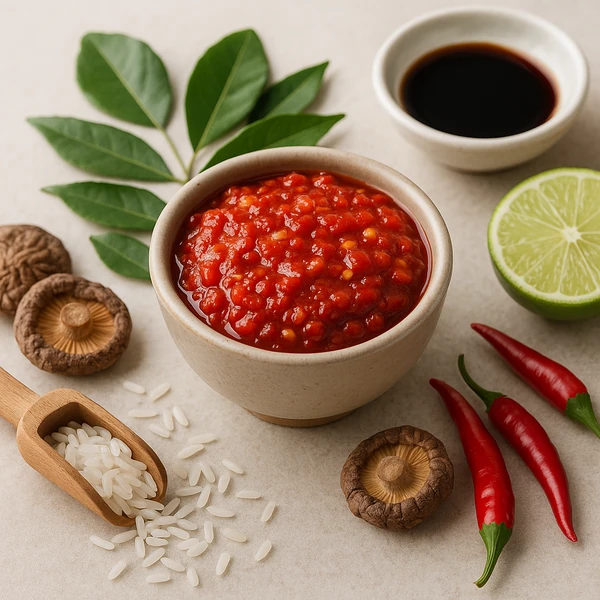
A pure, straightforward chili base can be Windmill Chilli pasta Sambal Oelek 750 g. And if you want to explore various styles of sambals and chili pastes, follow the guide Sambal and chili pastes (different pastes may have a completely different role in the dish, even if they all "burn").
Step 4: use ready-made pastes as "learning aids" – and monitor intensity
With aromatic pastes (curry, laksa, rendang, and similar), it is crucial not to overdo the dose right at the start. It is often better to work in two steps:
- Opening aroma: put a small amount of paste (about 1 teaspoon per serving) into fat and briefly heat to open the aroma.
- Building the sauce: add liquid (often coconut in the Malaysian-Singaporean direction) and only then adjust with another spoon of paste to make the taste "readable" but not aggressive.
You can train the Indonesian direction this way for example with AHG Pasta Rendang curry 50 g or with a vegetable profile AHG Pasta for vegetable curry Sayur Lodeh 50 g. For a Peranakan-flavored trace (often found in the region), an interesting contrast can be AHG Pasta Nonya curry 50 g.
Step 5: “street food” lesson – fewer things, but each has a clear role
In island (and generally Southeast Asian) street food, simplicity often wins: a few components, but precisely arranged. For home cooking, this means: instead of putting sambal, two curry pastes, and something “sweet” in one dish, try first to build one clear logic and only then expand it.
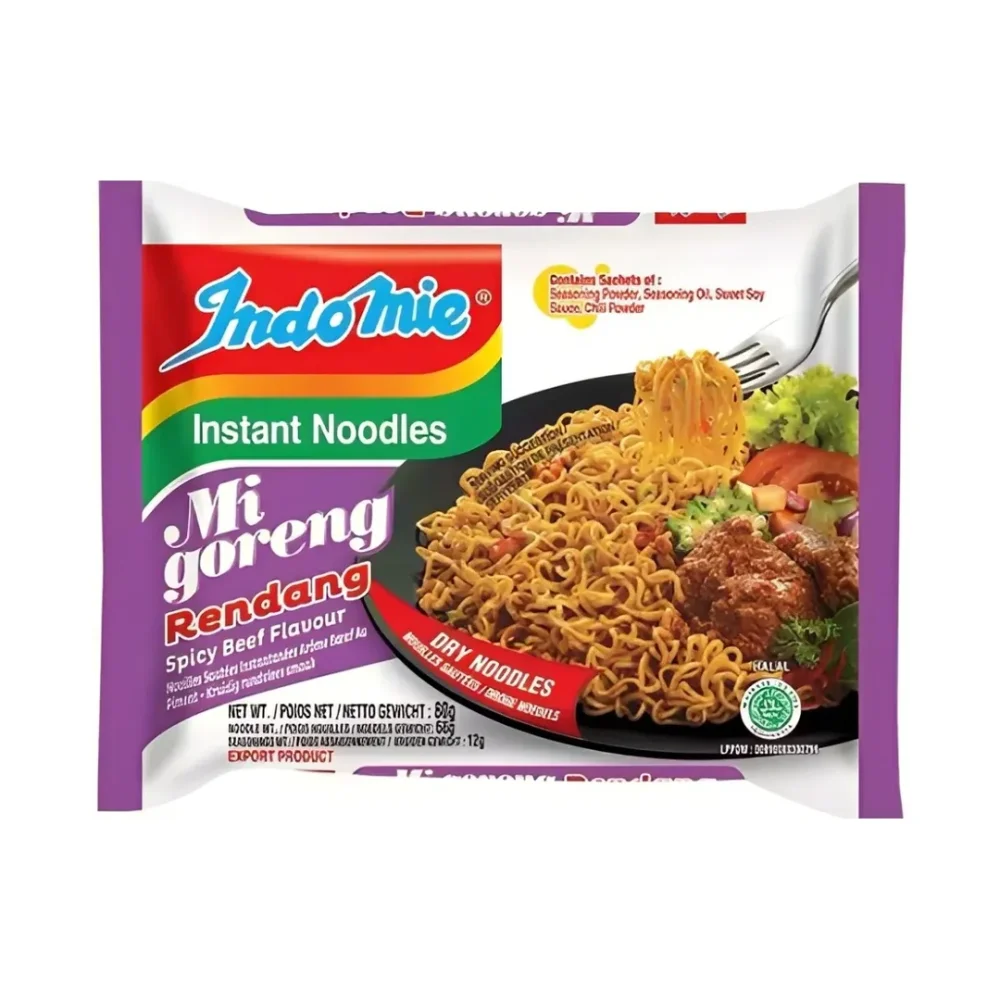
Even a simple product can serve as an orientation point of flavor (not as an end): for example, IndoMie Instant Noodles Goreng Rendang 80 g show the combination of “noodles + pronounced spiced seasoning” in one package. If you enjoy this profile, it makes sense to move on to a paste like rendang and learn to build it with your own ingredients.
💡 What to watch out for: common mistakes and how to fix them
- “Island = coconut.” Coconut is important in some parts of the region, but it is not a universal rule. If something doesn’t taste "island-like" to you, often what’s missing is the right axis (acidity/saltiness, chili, aroma), not automatically coconut.
- Confusing chili paste and aromatic paste. Sambal can be mainly chili and salt, while curry/laksa/rendang paste is the aromatic base. Do not confuse them 1:1. When you need spiciness, add chili; when you need character, work with aromatic paste.
- Overcooked spiciness. The most common fix is not “add more sauces” but to increase the volume (more rice/noodles, more vegetables) and soften (coconut often helps). Then adjust saltiness again.
- Trying for “authenticity” without understanding the role of ingredients. If you don’t know the role of an ingredient in the dish (saltiness, umami, acidity, aroma), the result will be random. Always ask yourself for each distinctive component: what exactly am I building with it in the dish?
- Too many seasonings at once. If you want to recognize the difference between Indonesia, the Philippines, and the Malaysia-Singapore direction, stick to a few variables and alternate them purposefully: train with sambal once, acidity and saltiness another time, coconut and spicy base another.
What to take away from the article
- “Island cuisine of Asia” is not one style, but a set of regional cuisines shaped by climate, sea, culture, and the history of trade and migration.
- For orientation, it is most practical to think according to the flavor base: fermentation, coconut, spices/aromatic pastes, or broth.
- The Indonesian direction often relies on sambal, aromatic pastes, and (in many dishes) coconut; the Filipino direction on the axis acidity + saltiness; the Malaysia-Singapore direction on a multicultural mix, coconut, chili, and balance of tastes.
- At home, it pays to build flavor by functions and dose carefully: add chili and pastes gradually, balance with coconut milk and keep each dish "readable."

Read next
If you want to explore this topic further, continue with these related blog guides and articles:
