


 Česky (CZK)
 Slovensky (EUR)
 Deutsch (EUR)
 Austria
 Belgium
 Bulgaria
 Croatia
 Denmark
 Estonia
 Finland
 France
 Germany
 Greece
 Hungary
 Italy
Italy Latvia
 Lithuania
 Luxembourg
 Netherlands
 Poland
 Portugal
 Romania
 Slovenia
 Spain
Spain Sweden










Inland cuisines of Asia: why they are richer, grain-based, and built on broths
When you say “Asian cuisine,” many people mainly imagine coastal flavors – fish sauce, seafood, or coconut. However, a large part of Asia is inland, mountainous, or steppe, and it is precisely there that cooking styles developed that rely on grains (both rice and wheat), doughs, dumplings, long-simmered broths, and bold seasoning. In this article, we will clarify what “inland Asia” means in cooking, what the main differences are (mainly along the China–India axis), and how to build a usable foundation for home cooking from these principles.
🌶️ Introduction: what is especially useful about Asia's inland cuisines for home cooking
Asian cuisine is not one thing – it is a map of regional styles that developed in different climatic, agricultural, religious, and commercial conditions. Inland and mountainous areas often deal with different "kitchen questions" than the coast: how to cook hearty food from grains and legumes, how to maximize flavor from broths, dried ingredients, and spices, how to work with doughs and dumpling shapes, and how to create complex flavors even without the marine ingredients typical of coastal and island styles.
This is good news for home cooks: inland principles can be easily transferred to an ordinary kitchen – and you often do not need dozens of exotic ingredients but rather to understand the logic of grains, broth, spices, and techniques (braising, long cooking, baking, quick stir-frying).
What exactly does “inland Asian cuisine” mean (definition and orientation)
“Inland Asian cuisines” are not one national cuisine nor one style. It is a useful term for regions not primarily shaped by the sea and island logic but rather by:
- agricultural background (what can be grown and stored),
- grains and flours (rice and wheat, various flatbreads and doughs),
- broths and long cooking (simmering, braising, baking),
- spices, aromatics, pickling and fermentation as ways to build flavor.
It makes sense to think of the inland as a “kitchen economy”: how to manage available ingredients, how to preserve them, and how to get richness and depth of flavor from them.
What mostly shapes regional styles (and why it is different inland)
- Climate and agriculture: decides whether the base is rice, wheat, legumes, or a combination. From this come the differences between a "rice plate" and a "wheat plate" (noodles, flatbreads, dumplings).
- Sea, rivers, and islands: coasts have different possibilities and typical flavor “shortcuts”; inland cooking more often relies on broths, dried ingredients, and spices.
- Religion and cultural rules: influence meat choices and meal composition (for example, the importance of legumes, dairy products, and vegetarian options in parts of India).
- Trade, migration, and empires: mix techniques and ingredients across regions – therefore there is no single “typical” taste for China or India.
Main variants and differences: China and India as two strong “inland axes”
Inland logic manifests differently across Asia. Below are two large, practically graspable directions that often meet even in home cooking: inland regions of China and the broad map of regional Indian cuisines.
Inland in Chinese cuisine: grains, doughs, dumplings, and broths
Chinese cuisine is a huge family of regional styles – and the difference “north vs. south,” “coast vs. inland,” is key for orientation. Inland and northern directions often emphasize:
- wheat and flour (noodles, flatbreads, dumpling shapes, and various "wrappers"),
- broth logic (soups, simmered bases, sauce bases linked to broth),
- aromatic spices and working with aroma during cooking (a typical example of spiced notes is illustrated by star anise – sweetly spiced, anise aroma used in small amounts so it doesn’t overwhelm the rest of the dish),
- umami from dried ingredients – a practical example is dried shiitake mushrooms, which suit broths and braised dishes (e.g. shiitake mushrooms).
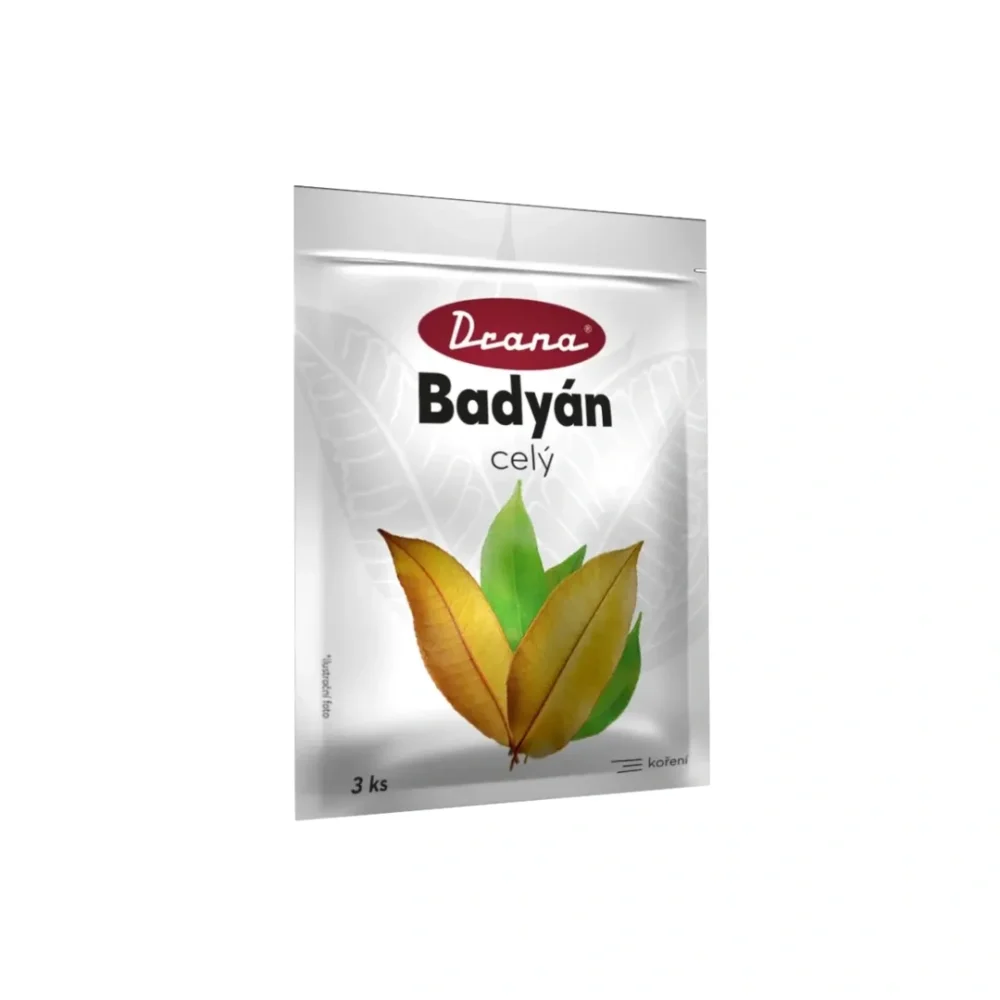
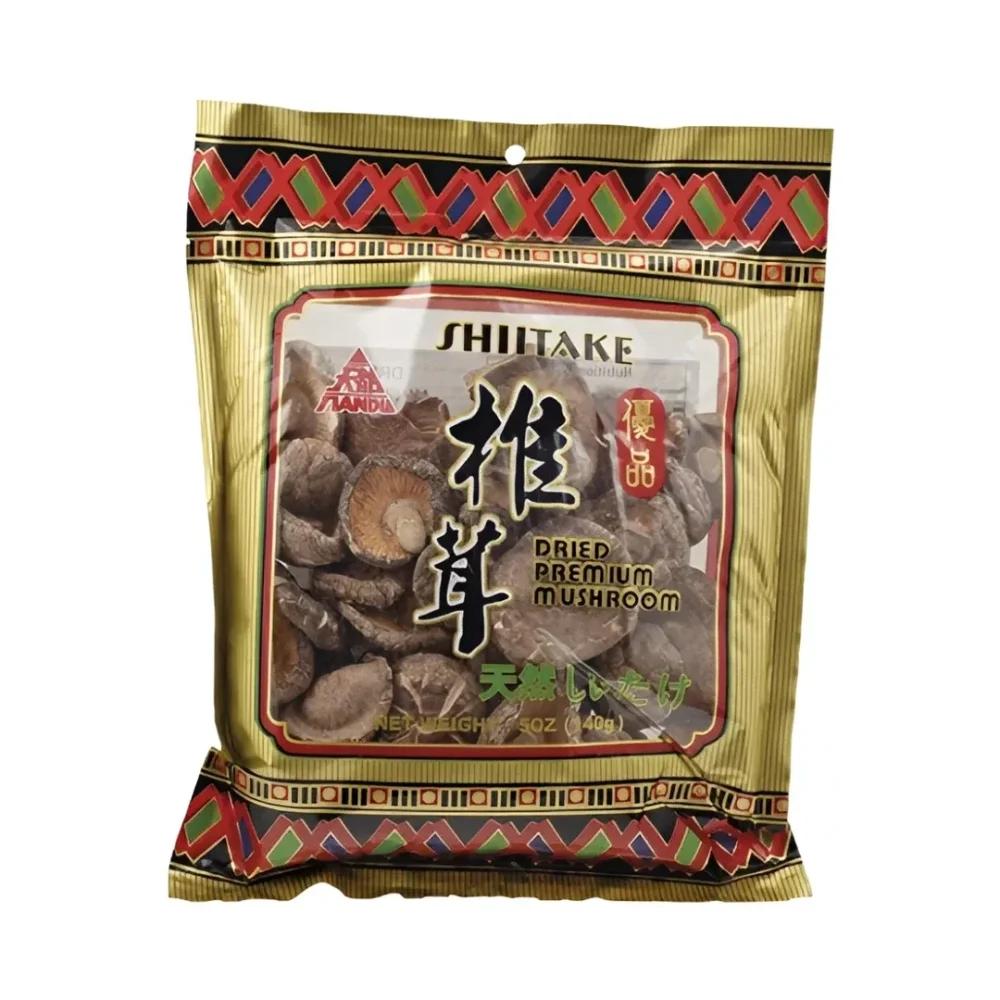
If you want to quickly create a “flavor anchor” in the Chinese inland logic, it is typically not about a single sauce but a combination: broth + aromatics + a bit of soy flavor. The category other soy saucesis also suitable because in practice there are more styles than a single “universal” soy sauce.
India as an inland map: legumes, dairy, spices, and techniques
Indian cuisine is also a “map” of regions. Under one label, there can be delicate lentil dhal, tandoor breads, rich stewed curries, simple rice plates, or festive biryani. For inland logic, it is useful to notice that it often relies on:
- grains and sides – rice and various flatbreads,
- legumes (as a base of heartiness and "body" for the sauce),
- dairy products (e.g., yogurt, ghee, paneer) as flavor softeners and stabilizers,
- spices and aromatics – rather than a “single sauce,” typical is a composition and layering of flavors,
- techniques such as tempering spices, long braising, baking, but also quick stir-frying.
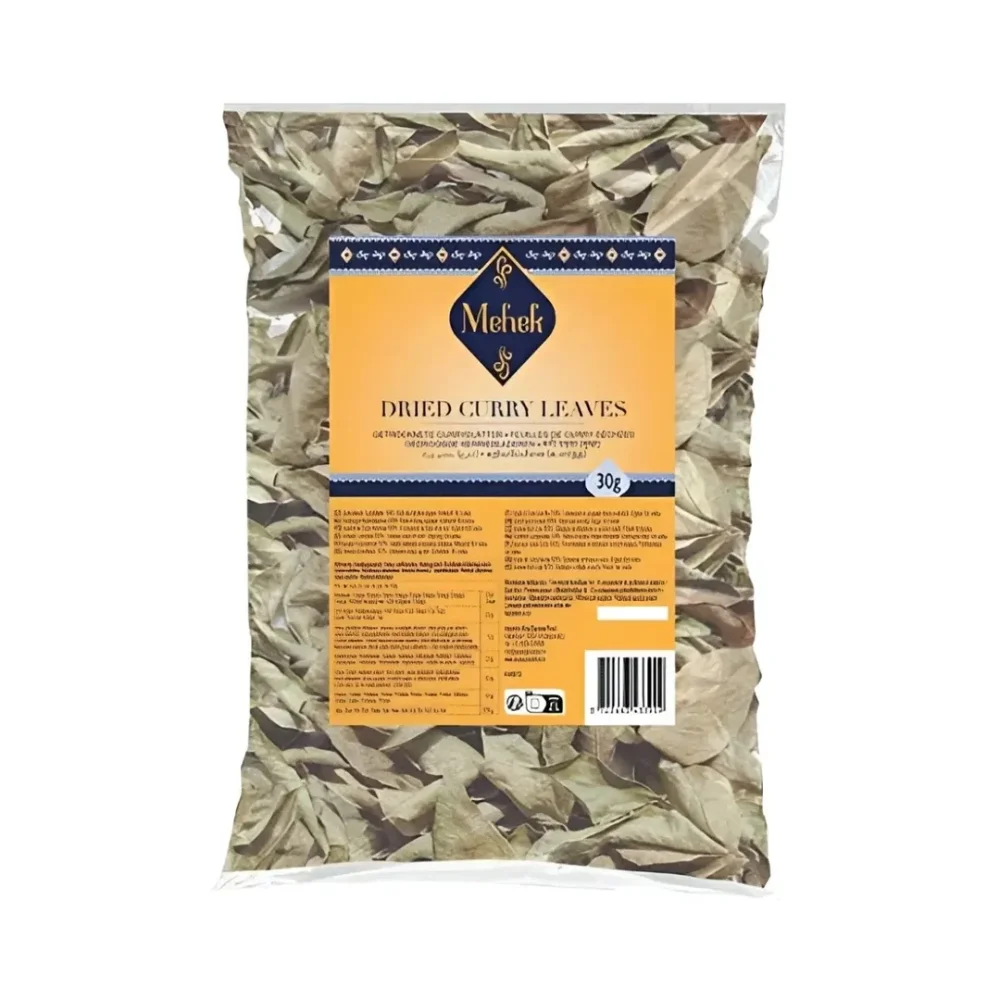
As a specific, easily graspable aromatic element, you can find in some Indian directions, for example, curry leaves (delicately citrusy and herbal). It is important to consider them as an aromatic layer, not as “powdered curry” – the name is misleading, but their role in the dish is different (see common mistakes below).
Common denominator of inland: rich bases and “building flavor” during cooking
Although China and India differ in ingredients and techniques, inland styles typically create flavor not by one seasoning at the end but gradually:
- first aroma is built (spices, aromatics),
- then the base is added (grains/legumes/broth),
- and only at the end is saltiness and “punch” adjusted (e.g., soy sauce, possibly pickled and fermented elements – depending on the region).
How to use it at home: practical shopping and first attempts (without a recipe, but with concrete steps)
You can train the inland “flavor logic” at home without complicated projects. Below are practical steps and approximate dosing that you can easily adjust to taste.
1) Choose a base: rice as a neutral canvas
For first attempts, it’s easiest to start with rice as a side and build a sauce/broth component on it. If you want a universal, fragrant, and reliable option, stick to the category jasmine rice. Practically:
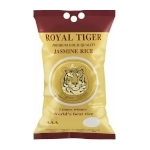
- Rice can handle bold sauces, broths, and spiced stews.
- In inland styles, it’s often not about “perfuming” the rice but using it as a carrier of flavors from the sauce or broth.
2) Build flavor on broth (and add umami from dried ingredients)
One of the most practical skills for inland styles is to make a pronounced broth base. It doesn’t have to be a hours-long project – even briefly cooking dried ingredients helps a lot. Try this procedure as a “technique,” not a fixed recipe:
- Soak shiitake: a few pieces of dried shiitake pour hot water over and let soften (20–30 minutes is fine).
- Use the soaking liquid too: after carefully straining, the soaking liquid can be used as part of the broth (adding depth).
- Add spices in small amounts: if you want an “inland” spiced note, add a small piece of star anise. Dose carefully – the goal is a subtle background, not dominant anise.
- Adjust saltiness only at the end: add a small amount of light soy sauce, for example, light soy sauce Dek Som Boon. Start with about 1 teaspoon per bowl/pan, mix, and add gradually – different soy sauces vary in intensity, and it’s not safe to add a “one universal” amount.
You can then use this base as the liquid for quick braising, for soup style, or as a “sauce” component for rice.
3) Learn to distinguish “seasoning” vs. “finishing”
In inland cuisines, a common mistake is skipping the seasoning step and compensating everything at the end. Try a simple rule:
- Seasoning (aroma) belongs at the beginning: spices, aromatic leaves, ginger/garlic base (according to the particular cuisine's tradition).
- Finishing (saltiness, acidity, heat) belongs at the end: soy sauce, possibly a spicy component added gradually.
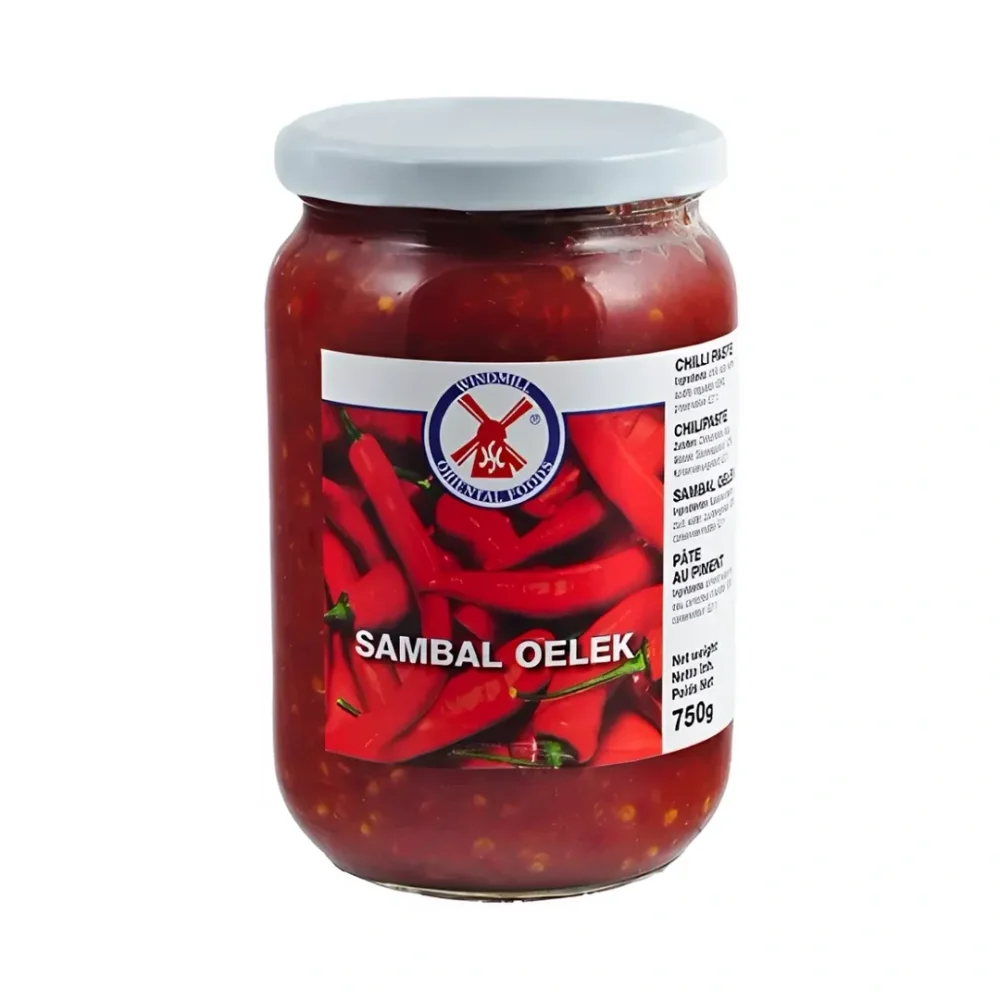
If you want to fine-tune heat without overwhelming the broth or spices, always add it gradually. For concentrated chili pastes, “less is more” applies – for example, Sambal Oelek is very hot; start with just the tip of a teaspoon per serving and add later. (Take it as a universal spicy accent, not as a flavor profile of a specific inland cuisine.)
4) If unsure, choose “one axis” and stick to it
The easiest path to a good result is not to mix too different logics in one dish. Choose whether today you cook rather “Chinese” (broth, soy saltiness, dried umami) or “Indian” (spices, legumes, possibly dairy softening, tempering techniques). Once it works, then experiment.
💡 Common mistakes and what to watch out for
- Confusion about the term “curry”: curry leaves are aromatic leaves used as fragrance and flavor layers. They are not “curry spice,” and by themselves, they don't make a dish “curry” in the sense of a European mix.
- Too much soy sauce right at the start: light soy sauce (e.g., Dek Som Boon) is great for finishing, but if you add too much too early, it can easily overpower the broth and spices. Solution: dose in small increments and finish seasoning at the end.
- “One spice for everything”: some aromatic pieces (typically star anise) are intense. If you use too much, the dish will taste one-sided. Solution: start with a very small amount and adjust next time.
- Expecting inland = non-spicy or conversely extremely spicy: spiciness is regional and stylistic, not mandatory. Chili should be seen as an optional module added gradually. With pastes (e.g., Sambal Oelek), start with a minimum.
- Mixing too distant styles in one pot: if you add a big dose of soy sauce to an “Indian” spiced base and then overdo it with a spicy sauce, the result often tastes flat and chaotic. Solution: keep to one logic and one main aromatic note.
What to take away from the article
- Inland cuisines of Asia often rely on grains, doughs, dumpling shapes, broths, and techniques such as braising, baking, and long cooking.
- For orientation, it is practical to watch two large “axes”: inland regions of China (wheat/doughs, broth, dried umami, soy saltiness) and the regional map of India (legumes, spices, dairy softening, tempering and braising).
- In home practice, a simple procedure works: choose a base (rice), build flavor on broth and dried umami (shiitake), aromatize carefully (star anise), and adjust saltiness at the end (soy sauce in small doses).
- The most common shortcut to better results: don’t mix too distant logics in one dish – first learn one style, then combine.

Read next
If you want to explore this topic further, continue with these related blog guides and articles:
