

 Česky (CZK)
 Slovensky (EUR)
 Deutsch (EUR)
 Austria
 Belgium
 Bulgaria
 Croatia
 Denmark
 Estonia
 Finland
 France
 Germany
 Greece
 Hungary
 Italy
Italy Latvia
 Lithuania
 Luxembourg
 Netherlands
 Poland
 Portugal
 Romania
 Slovenia
 Spain
Spain Sweden










Sauces and pastes
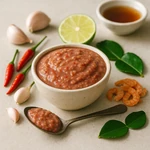
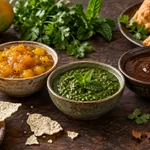
Nam Prik Kapi (Thai Shrimp Paste Chili Dip): the Bold Classic That Wakes Up Rice and Veg
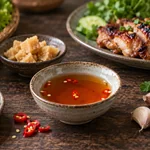
Nam Prik Kapi is a punchy Thai chili dip built around fermented shrimp paste, lime, and fresh chilies. A small spoonful adds salty depth, citrus brightness, and serious heat—perfect for turning plain rice, crisp vegetables, and simple fish or eggs into a complete, satisfying meal.

Sauce for Chicken and Rice: How to Nail an Asian-Style Flavor at Home
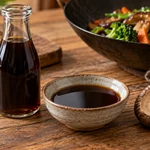
Chicken with rice can be a quick weeknight dinner or true comfort food—the difference is the sauce. Below you’ll find practical “building blocks” for common Asian-inspired sauce styles (bright and tangy, soy-umami, curry, or tomato-spiced), plus easy ways to thicken, balance flavors, and keep chicken juicy.
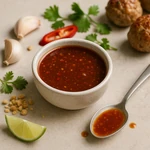
Sauce for Meatballs: How to Get the Flavor (and Texture) Right — with an Asian Twist
Meatballs are reliably good. The sauce is what makes them memorable: it adds aroma, keeps them juicy, and turns “just meatballs” into a dish you want to eat again tomorrow. Here’s a practical way to build a sauce that balances sweet–salty–sour–spicy, clings to the meatballs, and can lean Asian without feeling complicated.
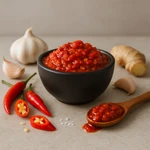
Surinamese Sambal Chilli Paste: What It Is and How to Use It in Everyday Cooking
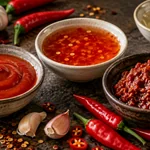
Surinamese sambal is the kind of chilli paste you keep within arm’s reach: intensely aromatic, fast to use, and powerful in tiny amounts. Stir it into soups, fried rice, noodles, sauces, or marinades when you want real chilli flavour—not just heat.
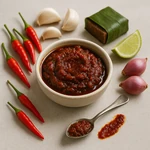
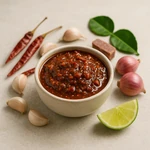
Sambal Trassi: Indonesian Chili Paste with a Bold Shrimp-Paste Umami Kick
Sambal trassi is one of those Southeast Asian condiments that can transform a plain bowl of rice into something deeply savory and exciting. It combines hot chili with the unmistakable, funky depth of trassi (also spelled terasi)—a fermented shrimp paste that brings saltiness and intense umami.
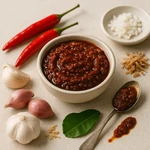
Nasi Goreng Chilli Paste: What It Tastes Like and How to Use It for Indonesian Fried Rice
Nasi goreng is one of Southeast Asia’s most loved “use-what-you-have” dishes—fragrant fried rice that can be mild, smoky, or seriously spicy. A nasi goreng chilli paste gives you that street-food style flavour base in minutes: warm it in oil, toss in cold rice, and build the rest from whatever’s in your fridge.
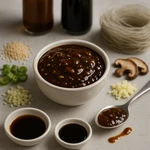
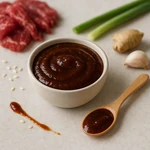
Japchae Noodle Sauce: the Korean Sweet‑Savory Finish That Makes Glass Noodles Shine
Japchae is loved for its glossy noodles, crisp vegetables, and that unmistakable sweet‑savory aroma. Whether you’re using a ready-made sauce or mixing your own, the right japchae-style seasoning is what helps glass noodles absorb flavor, stay silky, and taste balanced—not bland or watery.
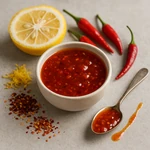
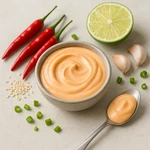
Sweet-Spicy Chili Sauce with Yuzu: Citrus Heat That Lifts Any Dish
Sweet-spicy chili sauce is already a kitchen shortcut for instant flavor—but add yuzu and it becomes something brighter and more versatile. The gentle sweetness helps it cling to food, the chili brings warmth, and yuzu adds a crisp citrus aroma that can make fried, grilled, or rich dishes taste lighter and more defined.
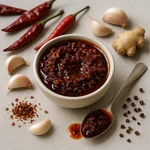
Chilli Paste in Oil: How to Use It (and How It Differs from Sambal and Chilli Sauces)
Chilli paste in oil is the “one-spoon upgrade” for weeknight noodles, rice bowls, soups, and stir-fries. It delivers heat, deep roasted aroma, and a flavour-carrying oil in one jar—so you can build a more complex taste without making a full sauce from scratch.
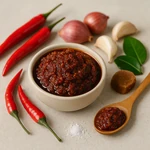
Sambal Badjak: Indonesian Chili Paste with Onion & Garlic (How to Use It Well)
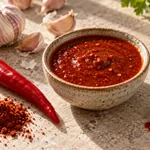
Sambal Badjak is a cooked Indonesian-style chili paste that brings more than heat: it adds savory onion and garlic notes and a gentle sweetness that rounds out quick weeknight meals. Here’s what makes it different from simpler sambals and how to get the best flavor from just a spoonful.