Česky (CZK)
 Slovensky (EUR)
 Deutsch (EUR)
 Austria
 Belgium
 Bulgaria
 Croatia
 Denmark
 Estonia
 Finland
 France
 Germany
 Greece
 Hungary
 Italy
Italy Latvia
 Lithuania
 Luxembourg
 Netherlands
 Poland
 Portugal
 Romania
 Slovenia
 Spain
Spain Sweden










Nasi Goreng Chilli Paste: What It Tastes Like and How to Use It for Indonesian Fried Rice
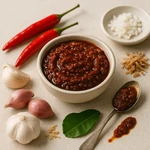
🌶️ What “nasi goreng chilli paste” actually is
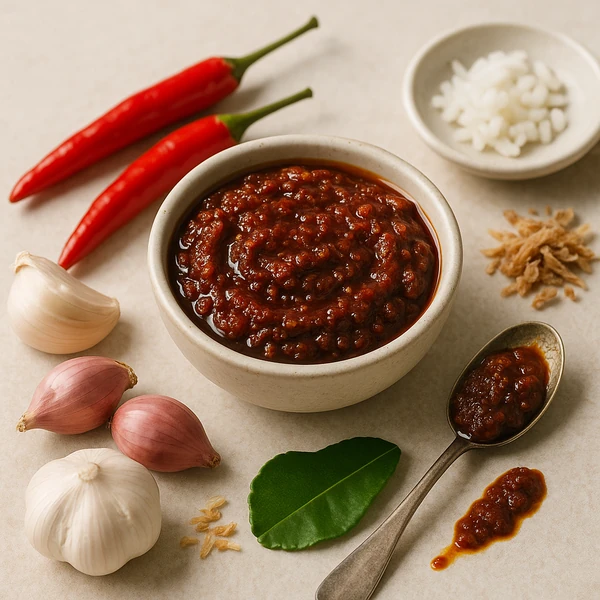
In Indonesian cooking, many dishes start with a bumbu (a ground spice-and-aromatic base) that’s briefly fried to release its aroma. A nasi goreng chilli paste is a ready-made shortcut to that idea: a concentrated blend that typically combines chilli heat with savoury depth and aromatic notes.
Instead of chopping and grinding ingredients from scratch, you use a spoonful of paste as the flavour engine of the whole pan—especially handy when you’re turning leftover rice into a quick meal.
🍳 Flavour profile: what to expect in the pan
Most nasi goreng chilli pastes taste bold, savoury, and warming. The exact profile varies by brand, but these are common characteristics:
- Chilli-forward heat that builds as it cooks.
- Fried-aromatic notes (often reminiscent of garlic/shallot/spices) that become more pronounced when warmed in oil.
- Umami and seasoning that can make plain rice taste “complete” with very little extra.
The key detail is how you use it: the flavour blooms when the paste hits hot oil. Stirring it in at the end usually tastes flatter and harsher.
🍚 How to use it for nasi goreng (the core technique)
If you remember one rule, make it this: fry the paste first.
- Heat a wok or wide pan until hot, then add a little oil.
- Add 1–2 tsp of paste per portion (start small), and stir-fry it for 20–40 seconds until it smells fragrant.
- Add cold, cooked rice (day-old is ideal) and break up clumps. Keep the heat high.
- Build the pan with vegetables and a protein (egg, tofu, chicken, prawns—whatever you have).
- Taste and adjust: a pinch of sugar can round out heat; a splash of something salty/umami can deepen flavour; a squeeze of citrus at the end can brighten the whole dish.
Why cold rice matters: freshly cooked rice is usually too wet and steams instead of frying. Cold rice is drier, so it stays separate and picks up the paste evenly.
🧄 Beyond fried rice: other easy ways to use the paste
A nasi goreng paste isn’t “single-use”. Once you have it open, it can rescue a lot of weeknight cooking:
- Noodle stir-fry: fry the paste in oil, then toss in cooked noodles and vegetables for a fast, spicy pan.
- Stir-fried vegetables: a small spoonful turns cabbage, green beans, carrots, or bell pepper into something exciting.
- Quick sauce base: simmer a little paste with water or stock for a punchy spoon-over sauce for rice and proteins.
- Marinade shortcut: mix paste with oil and a touch of sweetness, then coat tofu or chicken before pan-frying.
🧊 Common mistakes (and how to avoid them)
- Adding the paste too late: you’ll miss the aromatic “fried” flavour. Always start with oil + paste.
- Overcrowding the pan: too much rice at once cools the pan and turns frying into steaming. Cook in batches if needed.
- Using hot, moist rice: spread freshly cooked rice on a tray to steam off and cool before frying.
- Overshooting the heat: pastes can be concentrated. Start with less, then add more once the rice is evenly coated.
✅ How to choose the right paste for your kitchen
Two pastes can both say “nasi goreng” and still behave differently. When choosing, consider:
- Heat level: some are gently spicy, others are fiery—especially once concentrated in a hot pan.
- Saltiness and intensity: a very seasoned paste may need less extra seasoning later.
- Diet and allergens: check the label if you avoid seafood, gluten, or certain additives.
- Use case: a paste designed specifically for nasi goreng is usually the simplest all-in-one option; seasoning mixes can be great when you want a drier, “spice blend” approach.
⏱️ A simple weeknight template (not a strict recipe)
This is a flexible baseline for 2 servings:
- 2 bowls cold cooked rice
- 2–4 tsp nasi goreng chilli paste (start with 2)
- 1–2 eggs
- 1–2 cups mixed vegetables (fresh or frozen)
- Protein of choice (optional)
- Oil for frying
Method: Fry paste in oil → add veg/protein → add rice and fry hard until hot and slightly toasted → push rice aside and scramble egg, then mix through → taste and adjust.
Our picks (if you want a reliable starting point)
- AHG Rice paste Nasi Goreng 50 g – a convenient, rice-focused paste for fast nasi goreng nights.
- Golden Turtle Chef Nasi Goreng Mix 50 g – a seasoning mix style option when you prefer a drier blend.
Related categories for exploring 🔎
- Chilli sauce – useful for serving at the table or adding heat after cooking.
- Pasta and spice for noodles – similar “shortcut bases” for quick stir-fried noodle dishes.
FAQ
Is nasi goreng paste the same as chilli sauce?
Not usually. Chilli sauces are often designed for dipping or finishing, while a nasi goreng paste is meant to be fried in oil first as a flavour base.
Can I use it for noodles?
Yes—use the same technique (oil + paste first), then toss in cooked noodles. Keep the heat high to avoid a watery pan.
How should I store it after opening?
Follow the label, but as a general rule keep it tightly closed, refrigerated if recommended, and always use a clean spoon to preserve flavour and freshness.

Recommended products1
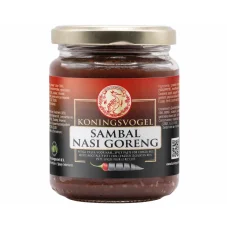
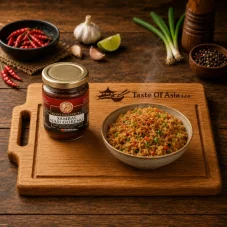

Koningsvogel Nasi Goreng Chili Paste 260 g
Read next
If you want to continue with the same topic, here are more related articles to explore: