Česky (CZK)
 Slovensky (EUR)
 Deutsch (EUR)
 Austria
 Belgium
 Bulgaria
 Croatia
 Denmark
 Estonia
 Finland
 France
 Germany
 Greece
 Hungary
 Italy
Italy Latvia
 Lithuania
 Luxembourg
 Netherlands
 Poland
 Portugal
 Romania
 Slovenia
 Spain
Spain Sweden










Hoisin Sauce: What It Is, How It Tastes, and How to Use It Well
What is hoisin sauce? 🍶
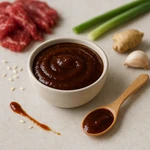
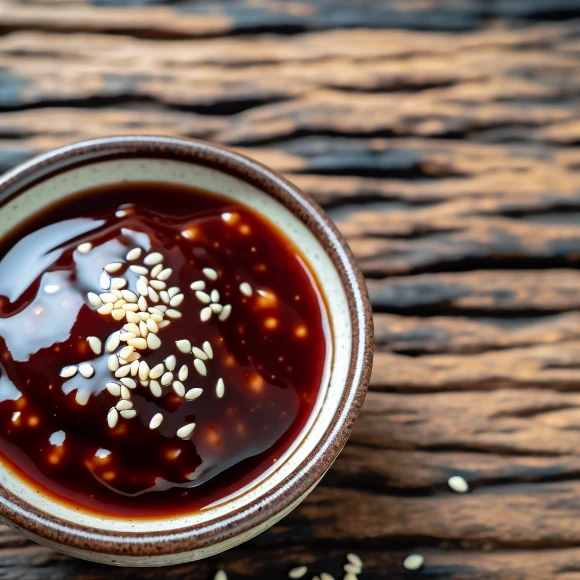
Hoisin sauce is a thick, dark, glossy sauce widely used in Chinese cooking—especially Cantonese-style dishes—and now popular across many Asian cuisines. It’s known for a balanced sweet-salty flavour with warm spice notes and a strong umami base. Think of it as a ready-to-use seasoning: part sauce, part glaze, part dip.
Most hoisin sauces start with a fermented soybean base (often soybean paste), then add sweeteners, vinegar, garlic, and spices. Many versions also include sesame or chilli for extra aroma and complexity.
Flavour and texture: what to expect 👅
Hoisin is usually:
- Sweet (but not candy-sweet—more like a molasses/brown sugar sweetness)
- Savoury and umami from fermented soy
- Lightly tangy from vinegar
- Warmly spiced (commonly five-spice-like notes)
Texture is thick and spoonable. That thickness is great for glazing and dipping, but it also means you may want to thin it with a little water, stock, or citrus juice when using it as a stir-fry sauce.
A quick note on origin & how it spread 🧭
Hoisin sauce is often linked to southern Chinese cooking and has a long culinary history. The name is sometimes explained as being connected to a term meaning “seafood,” even though modern hoisin sauces typically don’t contain fish ingredients. Over time, hoisin became a familiar flavour in dishes served across regions and abroad—showing up as a dip with Vietnamese-style rolls, as a glaze for grilled meats, and as a pantry shortcut for quick weeknight meals.
How to use hoisin sauce (practical ideas) 🍽️
Hoisin is powerful—use it as a flavour accent rather than a “pour freely” table sauce. Here are dependable ways to use it:
1) Dip (the easiest win)
- Spring rolls (fresh or fried): hoisin works especially well when mixed with crushed peanuts and a squeeze of lime.
- Dumplings: combine hoisin with a little rice vinegar and chilli for a quick dipping sauce.
- Grilled skewers: serve hoisin on the side to add sweetness and gloss.
2) Marinade for grilling or roasting 🔥
Because it contains sugar, hoisin caramelises beautifully. Mix it with something salty and something aromatic (for example, soy sauce + garlic + ginger). It’s excellent for:
- Chicken thighs or wings
- Pork (tenderloin, ribs, belly)
- Tofu or tempeh
Tip: if you’re grilling, apply an extra layer near the end to avoid burning.
3) Stir-fry sauce in minutes
For a quick stir-fry, whisk hoisin with a splash of water or stock and add it at the end. It pairs well with:
- Crunchy vegetables (bell pepper, broccoli, snow peas)
- Noodles (wheat noodles, udon-style, or rice noodles)
- Beef strips or minced pork
4) Glaze for “lacquered” finish
Brush hoisin over roasted vegetables or meat during the last 5–10 minutes of cooking. It creates a sticky, glossy coating—great on eggplant, mushrooms, and roasted cauliflower.
5) Sandwiches, wraps, and bowls
A thin smear of hoisin can replace ketchup-like sweetness in wraps and rice bowls. Try it with shredded chicken, cucumber, pickled carrot, and fresh herbs for a balanced bite.
How to choose a hoisin sauce 🛒
Different brands taste noticeably different. When comparing options, check:
- Ingredient base: soybean paste/fermented soy should be prominent for depth.
- Sweetness level: some versions are dessert-sweet; others are more savoury.
- Allergens & dietary needs: hoisin often contains soy and may contain wheat/gluten (always read the label). Some are vegetarian; some may include animal-derived ingredients depending on brand.
- Consistency: very thick sauces are great for glazing; slightly looser sauces are easier for stir-fries.
Common mistakes (and how to fix them) ✅
- Using too much: hoisin can dominate. Start with 1–2 teaspoons per portion and build from there.
- Burning the sauce: sugar browns fast. Add hoisin late in stir-fries and glaze toward the end of roasting/grilling.
- Over-salting the dish: hoisin already brings saltiness. Taste before adding extra soy sauce or salt.
- Skipping acidity: a little vinegar or citrus brightens hoisin’s sweetness. Lime, rice vinegar, or even a touch of lemon can help.
Storage and shelf life 🧊
- Unopened: store in a cool, dark pantry.
- Opened: keep it tightly closed and refrigerate for best flavour and freshness.
- Kitchen hygiene: use a clean spoon—hoisin is thick and easy to contaminate if you dip used utensils back into the jar/bottle.
Quick DIY “hoisin-like” substitute (when you’re out) 🥣
If you don’t have hoisin on hand, you can approximate the sweet-savoury profile with pantry ingredients. This won’t be identical, but it will work well in marinades and stir-fries:
- Simple substitute: 2 tbsp soy sauce + 1 tbsp honey or brown sugar + 1 tsp vinegar + 1 small grated garlic clove (optional).
- Thicker, nuttier version: add 1 tbsp peanut butter or tahini and a splash of water to loosen.
- More aromatic: add a pinch of five-spice (or a tiny pinch of cinnamon + clove).
A 5-minute hoisin dip you’ll reuse 🥜
Stir together:
- 3 tbsp hoisin sauce
- 1–2 tbsp warm water (to adjust thickness)
- 1 tsp rice vinegar or lime juice
- 1 tbsp crushed roasted peanuts (optional)
- Chilli flakes or chilli oil to taste (optional)
Serve with fresh rolls, grilled tofu, or as a quick drizzle over noodle bowls.
Our picks
- Lee Kum Kee Hoisin sauce 397 g – a classic pantry size for frequent cooking.
- Flying Goose Hoisin Sauce 200 ml – handy if you want a smaller bottle to try hoisin in dips and marinades.
- Flying Goose Hoisin sauce 455 ml – a larger size for stir-fry lovers and regular glazing.
Related category
Browse more options here: Hoisin Sauces.
FAQ
Is hoisin sauce spicy?
Usually no. Most hoisin sauces are sweet-savoury rather than hot, though some brands add chilli. If you want heat, add chilli oil or fresh chilli separately.
Is hoisin sauce the same as oyster sauce?
No. Oyster sauce is typically saltier and more seafood-umami focused, while hoisin is sweeter, thicker, and more aromatic with spice notes.
Can I use hoisin as a stir-fry sauce on its own?
You can, but it’s best thinned with a splash of water/stock and balanced with a little acidity so it doesn’t taste overly sweet.
Does hoisin contain gluten?
Many versions do (often from wheat-based ingredients). Always check the label if you need a gluten-free option.

Recommended products5
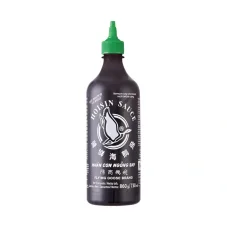
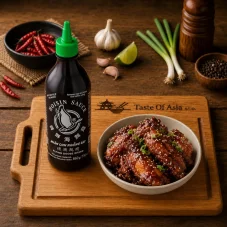


Flying Goose Hoisin Sauce 730 ml
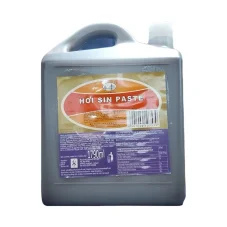
Haiyin Bridge Hoisin Sauce 1790 ml
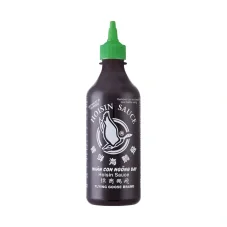
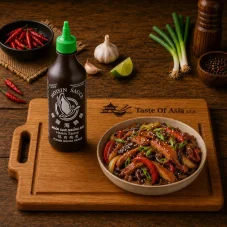
Flying Goose Hoisin sauce 455 ml
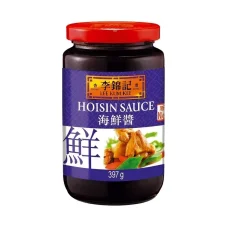

Lee Kum Kee Hoisin sauce 397 g
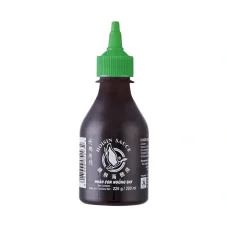
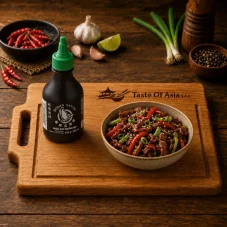
Flying Goose Hoisin Sauce 200 ml
Read next
If you want to continue with the same topic, here are more related articles to explore: