Česky (CZK)
 Slovensky (EUR)
 Deutsch (EUR)
 Austria
 Belgium
 Bulgaria
 Croatia
 Denmark
 Estonia
 Finland
 France
 Germany
 Greece
 Hungary
 Italy
Italy Latvia
 Lithuania
 Luxembourg
 Netherlands
 Poland
 Portugal
 Romania
 Slovenia
 Spain
Spain Sweden










Worcester
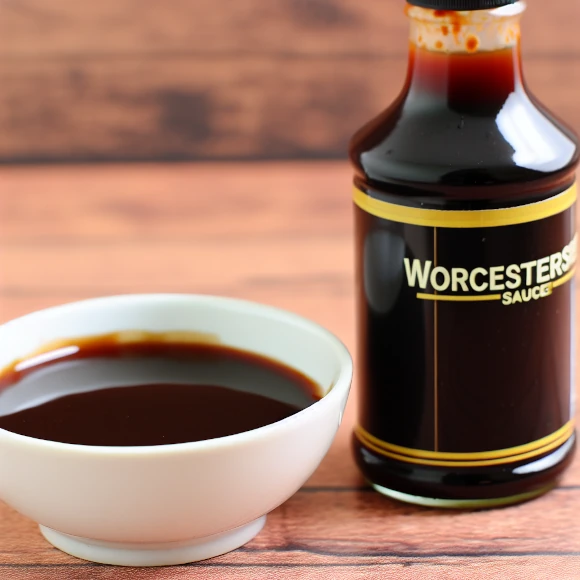
🥄 Worcester sauce: the umami “secret weapon” for tonkatsu, yakisoba and marinades
Worcester sauce is one of those seasonings that does one thing incredibly well it adds depth. In a single spoonful you get acidity, sweetness, gentle spice and most importantly umami.
In Asian cooking it shines when you want to boost a sauce quickly without long reduction give a dish that restaurant finish or balance flavours that are too sweet too fatty or a bit too salty.
Asian ingredients are available at Asian Food Shop
💡 Tip: If a stir-fry sauce tastes flat try a few drops of Worcester first and only then add more salt
🕰️ History and origins
Worcester sauce comes from England from the city of Worcester where it became famous in the 19th century as a bold fermented condiment. But that’s only half the story.
In Japan it inspired a whole family of so called sōsu sauces which you’ll recognise from tonkatsu katsu curry okonomiyaki and yakisoba. In practice Worcester feels right at home there.
🧪 Production, types and what’s inside
Classic Worcester sauce relies on fermentation and ageing. That’s why it tastes layered and rounded rather than just sharply sour.
- an acidic base often vinegar for brightness
- a sweet component sugar molasses or syrup to round it out
- salty and umami elements for depth
- a spice profile that can be peppery to mildly hot depending on the brand
In an Asian pantry it pairs naturally with everyday staples from Sauces and it works especially well next to flavour builders like Soy sauces and Oyster Sauce
✅ Tip: Worcester is not a soy sauce replacement. Think of it as liquid seasoning that adds layers
👃 Flavour profile
- 🧂 a salty umami backbone that lifts meat and vegetables
- 🍬 gentle sweetness that rounds the edges
- 🍋 acidity that cuts through fat
- 🌶️ a spicy finish that varies by brand
In practice it makes sauces taste finished
🍳 How to use it in the kitchen
🔥 Stir-fries and quick wok sauces
For fast stir-fry sauces Worcester adds depth without needing stock. It works well with soy sauce a touch of sugar and a splash of vinegar.
🍜 Noodles and an easy yakisoba vibe
Japanese yakisoba sauce often uses Worcester as the backbone. Add oyster sauce and soy sauce and you get that sweet umami profile that clings beautifully to noodles.
That’s why Worcester and what you find in Noodles often meet in the same pan
🥩 Marinades and glazes
Worcester makes a quick marinade for meat or tofu. A simple mix of Worcester soy sauce sugar and garlic is reliable and versatile.
🥟 Dips for fried food
For tonkatsu karaage or spring rolls a dip built on Worcester plus something sweet is a great start. For heat add something from Chilli sauce
🧠 Balancing heavier sauces
If a sauce feels too rich especially with more oil from Oils Worcester can cut through and make it feel lighter
🫶 Health notes
Use Worcester primarily as a flavour tool. Because it is punchy you can often use less salt overall and still get a lively taste. If you watch sodium add it in drops and taste as you go.
✅ How to choose the right Worcester
- style some are sharper and more acidic others are sweeter and spicier
- use for noodles and Japanese style sōsu sauces a balanced not overly hot type works best
- dosing start with half a teaspoon stir taste then adjust
- pairing it shines with soy sauce oyster sauce a splash of vinegar and a pinch of sugar
💡 Tip: Add Worcester near the end. Long cooking can mute the more delicate notes
🛒 Our picks
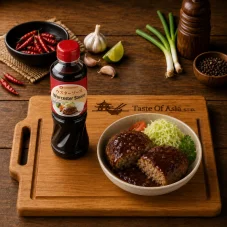
- Yamamori Worcester sauce 220 ml a clean base for yakisoba dips and quick wok sauces
- Yamamori Okonomiyaki sauce 220 ml a ready to use option with a sweet umami line for okonomiyaki and Japanese street food
- Yamamori Tonkatsu sauce 220 ml ideal for tonkatsu fried dishes and a dip that works beyond Asian classics
🍜 Recipe: Japanese yakisoba with a Worcester-based sauce
This is exactly the kind of dish where Worcester shines. The sauce is bold slightly sweet full of umami and it coats noodles and vegetables beautifully.
Ingredients
- wheat noodles 300 g
- pork 200 g thinly sliced
- white cabbage 2 handfuls finely shredded
- carrot 1 medium, cut into matchsticks
- onion 1 small, cut into wedges
- spring onion 2 stalks to finish
- garlic 2 cloves
- ginger 1 tsp grated
- oil 1 to 2 tbsp for stir-frying
- sesame oil 1 tsp for aroma
Sauce
- Worcester sauce 2 tbsp
- oyster sauce 1 tbsp
- soy sauce 1 tbsp
- sugar 1 tsp
- rice vinegar 1 tsp optional for extra brightness
- black pepper to taste
- salt only if needed
- ground chilli optional
To finish
- sesame a pinch
Method
- Cook the noodles according to the type. If they are pre-cooked, rinse briefly and drain well.
- In a bowl, mix Worcester sauce, oyster sauce, soy sauce, sugar and optionally rice vinegar. The sauce should taste bold because it will mellow on the pan with the vegetables’ juices.
- Heat a wok or large pan, add oil and stir-fry the pork quickly. Once it sears, add onion, carrot and cabbage. Keep the heat high so the vegetables stay crisp.
- Add garlic and ginger and toss briefly so they don’t burn.
- Add the noodles, pour in the sauce and toss thoroughly. Let the noodles sit for a moment so the bottom can lightly caramelize for extra wok flavour.
- Finish with sesame oil, season with black pepper and optionally a pinch of ground chilli.
- Serve topped with spring onion and sesame.
✅ Tip: For a stronger street style yakisoba feel let the noodles sit for a moment without stirring and only then toss them again

Recommended products1



Yamamori Worcester sauce 220 ml
Read next
If you want to continue with the same topic, here are more related articles to explore: