

 Česky (CZK)
 Slovensky (EUR)
 Deutsch (EUR)
 Austria
 Belgium
 Bulgaria
 Croatia
 Denmark
 Estonia
 Finland
 France
 Germany
 Greece
 Hungary
 Italy
Italy Latvia
 Lithuania
 Luxembourg
 Netherlands
 Poland
 Portugal
 Romania
 Slovenia
 Spain
Spain Sweden










How to Choose Coconut Products
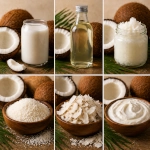
This guide explains how coconut products differ and what to look for when selecting them for Asian cooking. It covers common formats and how they behave in recipes, so you can match the right coconut ingredient to the dish, texture, and flavor profile you want to achieve.
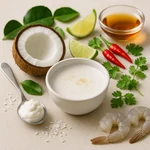
What to watch out for in coconut products: milk, cream, cream, oil, and flour are not the same
Coconut is extraordinarily versatile in tropical Asian kitchens - and that's exactly why there is a lot of confusion around it. Coconut water, coconut milk, cream, “cream,” oil, or coconut flour behave completely differently: they differ in fat content, amount of water, texture, and whether they are intended for cooking, beverages, or desserts. This article gives you a clear map of coconut products and practical rules to help you choose the right type for curry, soups, desserts, and baking.
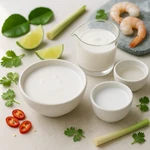
How to choose coconut milk by fat content and usage (and why it matters)
Coconut milk looks like a simple ingredient, but in practice it is one of the categories where people get confused most often: they buy "coconut milk," cook curry, and the result is watery and lacking depth. In most cases, it's not a recipe error but a wrongly chosen type – mainly depending on fat content, the ratio of coconut component to water, and how the product behaves when heated. This guide will help you pick the right variant for curry, soups like tom kha, desserts, and drinks and avoid the most common mistakes.
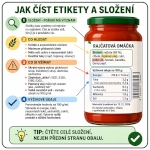
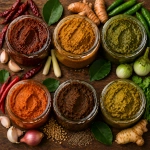
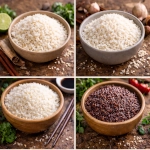
For broader ingredient know-how, continue with How to Read Labels and Ingredients , or explore how coconut is used alongside other staples in How to Choose Curry Pastes and How to Choose Rice .