


 Česky (CZK)
 Slovensky (EUR)
 Deutsch (EUR)
 Austria
 Belgium
 Bulgaria
 Croatia
 Denmark
 Estonia
 Finland
 France
 Germany
 Greece
 Hungary
 Italy
Italy Latvia
 Lithuania
 Luxembourg
 Netherlands
 Poland
 Portugal
 Romania
 Slovenia
 Spain
Spain Sweden










What to watch out for in coconut products: milk, cream, cream, oil, and flour are not the same
Coconut is extraordinarily versatile in tropical Asian kitchens - and that's exactly why there is a lot of confusion around it. Coconut water, coconut milk, cream, “cream,” oil, or coconut flour behave completely differently: they differ in fat content, amount of water, texture, and whether they are intended for cooking, beverages, or desserts. This article gives you a clear map of coconut products and practical rules to help you choose the right type for curry, soups, desserts, and baking.
Why there are so many misunderstandings about coconut (and why it matters)
With coconut products, it is very easy to buy the “right-sounding” thing but get a different result in the dish: watery curry, watery soup, a dessert without texture, or baking that behaves completely differently from regular flour. The reason is simple: coconut is not one ingredient but a whole family of products that differ significantly in taste, texture, fat content, manufacturing technology, and use.
A practical rule that works across Asian ingredients: choose based on function in the specific dish, not on the impression from the name or packaging. This applies doubly for coconut – the same label “coconut” does not yet tell you whether you are holding a cooking base, a beverage, a dessert product, or a concentrate.
Coconut is not one thing: 5 families of coconut products worth keeping organized
For orientation, it is useful to divide coconut products into several groups. Each has a different role in the kitchen – and different typical pitfalls.
- Liquid products from ripe flesh: coconut milk, coconut cream, concentrated coconut cream, light coconut milk.
- Products from coconut liquid or sap: coconut water, coconut sugar, coconut vinegar (and in some regions also other products from sap).
- Fat products: coconut oil (typically virgin and refined).
- Dry products from flesh: shredded/dried coconut, coconut flour, possibly coconut chips.
- Specialties and dessert products: various coconut creams, flavored coconut desserts, and mixtures for sweet use.
The most common confusion arises between coconut water, coconut milk and coconut cream. These are three different things – and in recipes, they are not interchangeable without changing the outcome.
Liquid coconut bases from ripe flesh: milk, cream, concentrate, and light
Coconut milk: a cooking base (and why “coconut milk” is not one standard)
Coconut milk is a kitchen emulsion from ripe flesh. In Asian cooking, it often forms the body of curries, soups, and sauces – but different products may vary in thickness, fat content, and behavior when heated. Therefore, it pays to choose specifically according to what you are cooking.
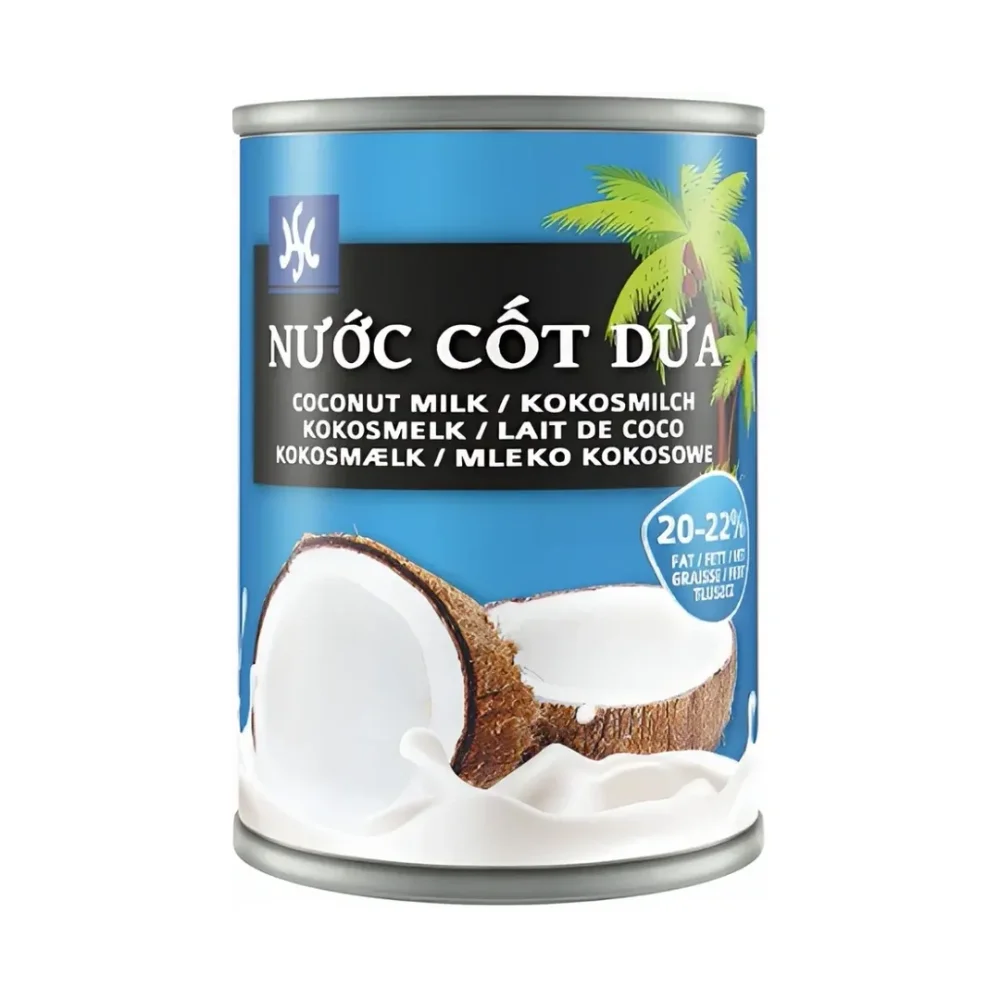
If you are looking for coconut milk primarily for cooking, it makes sense to stick to the category where culinary bases are gathered: coconut milk. As an example of a fuller-fat variant, which typically suits richer dishes, you can consider H&S Coconut Milk 20–22%.
Coconut cream: thicker, fattier, more pronounced
Coconut cream is generally thicker and fattier than coconut milk. In practice, this means a more pronounced coconut impression and creamier texture. If the recipe relies on coconut playing the main role (typically rich curries or some desserts), the difference between milk and cream is essential.
Concentrated coconut cream: when you need intensity and minimal water
Concentrated coconut cream is suitable where you want high coconut intensity and at the same time do not want to add much water to the dish. In practice, it helps especially in situations where you want the dish to be coconutty and at the same time must not become diluted.
“Coconut cream”: a name that can mean two different things
With the label “coconut cream,” increased attention is needed: it can be a purely culinary product, but also a partly dessert product. Without reading the label, you cannot automatically tell – and this is where a lot of disappointment arises (for example, when someone expects a cooking base but gets a sweeter, thickened, or otherwise modified variant).
Light coconut milk: less pronounced and often too watery for “rich” dishes
Light variants are lighter but usually also less pronounced. A typical mistake is to use light coconut milk where the recipe expects full richness – the result then tends to be watery and weaker in taste.
Coconut water, oil, sugar, vinegar, and flour: different products, different promises
Coconut water is not coconut milk
Coconut water is a beverage – the natural liquid from (typically) young coconut. Coconut milk, on the contrary, is a kitchen base from ripe flesh. If you swap one for the other in a recipe, you don’t just change the taste but mainly the fat and texture of the dish.
Coconut oil: virgin vs. refined (and what to expect)
Coconut oil is fat for cooking and baking. In practice, you will mainly encounter two approaches: virgin (when the coconut note does not bother you or you want it) and refined (when you do not want a pronounced aroma). It is not a detail: in frying or sautéing, the aroma can decide whether the coconut in the dish “feels right” or disturbs.
Coconut sugar does not taste like coconut milk
A common misunderstanding is to expect a strong coconut taste from coconut sugar. Coconut sugar is made from palm sap and its taste is more often caramel-like rather than “milky coconut.” It is great if you want a different type of sweetness – but it is not fair to expect it to replace the taste of coconut milk in a dessert or curry.
Coconut vinegar: a sour seasoning with a regional role
Coconut vinegar is an acidic component important mainly for Filipino and some other Southeast Asian cuisines. Here it is good to think about function: vinegar is about acidity and seasoning, while coconut milk/cream is about body and fat – they do not substitute for each other.
Coconut flour is not a “1:1 flour”
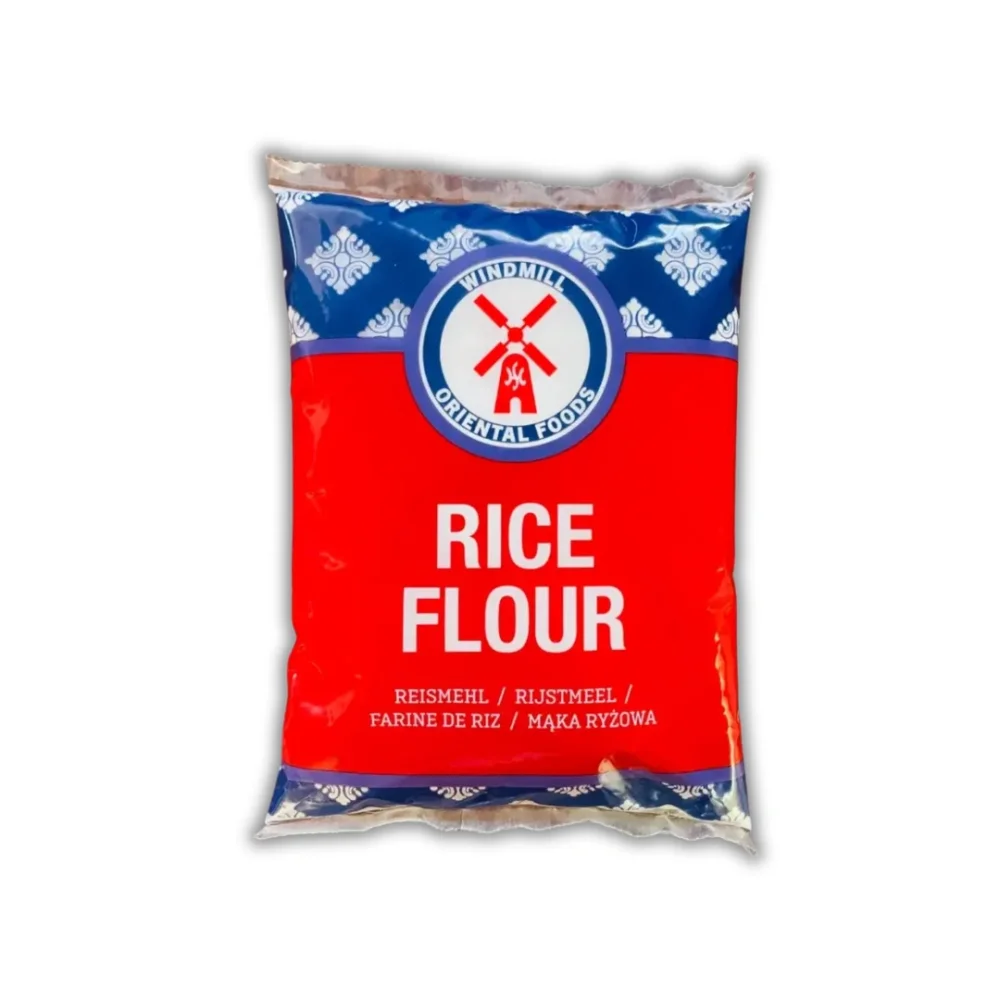
Coconut flour behaves technologically differently from regular wheat flour – it is much more absorbent and its use is usually more demanding. If the recipe does not account for it, the result often falls apart or on the contrary “hardens” into dryness. If you are looking more for versatile Asian flour bases (for thickening, batters, etc.), it makes more sense to orient generally in the category flour and flour products. As an example of a more neutral flour for thickening, you can consider Windmill rice flour – but tastewise and functionally, it is a completely different world than coconut flour.
🍳 How to choose coconut products by use (and what to watch on the label)
1) First clarify what kind of dish the coconut belongs to
- Thai curry: usually full-fat coconut milk or coconut cream suits according to how rich and “fat” you want the result.
- Tom kha and similar soups: typically coconut milk; for fuller results, sometimes a combination of milk and a smaller part of cream makes sense.
- Desserts, puddings, and creams: coconut cream or quality full-fat coconut milk often works; heavier variants are an advantage for creams and puddings.
- Marinades and dressings: coconut sugar or coconut vinegar depending on recipe style. Coconut milk belongs here only when it is supposed to make a creamy body.
- Frying: refined coconut oil if you do not want a strong aroma; virgin if you want the coconut note.
- Baking and gluten-free experiments: coconut flour, but only in recipes that account for its absorbency.
2) Read the label: the most common differences are not in the name but in composition and behavior
For coconut milk and cream, the packaging is often misleading. From a practical point of view, it pays to watch mainly:
- Fat content and thickness (because they decide the body of the curry, soup, and dessert).
- Ratio of coconut component and water (the more water, the more you will “make up” for thickness by reduction or another product).
- Whether it is a base or a flavored/dessert product (this is critical for “coconut cream”).
- Presence of stabilizers and overall behavior after opening and heating (some products separate naturally).
🍳 3) Practical use at home: what to do if the result is too watery or too heavy
Regardless of the specific recipe, a simple “kitchen” logic will help you, based on the difference between fat and water:
- The dish is watery and coconut-weak: typically happens when you use a light variant or more watery product. It helps to reach for a fuller variant next time (milk vs. cream) or concentrated coconut cream if you need intensity with minimal water.
- The dish is too thick and heavy: in such cases, it can be adjusted by dilution (according to the recipe with water or another liquid in the dish). It is important to expect that dilution will save the texture but reduce flavor intensity.
- Separated layer of fat in the can: for coconut products, this is often natural and does not automatically mean a problem. The deciding factor is smell, taste, and overall condition.
4) When you want a coconut dessert: count on “coconut” making the texture too
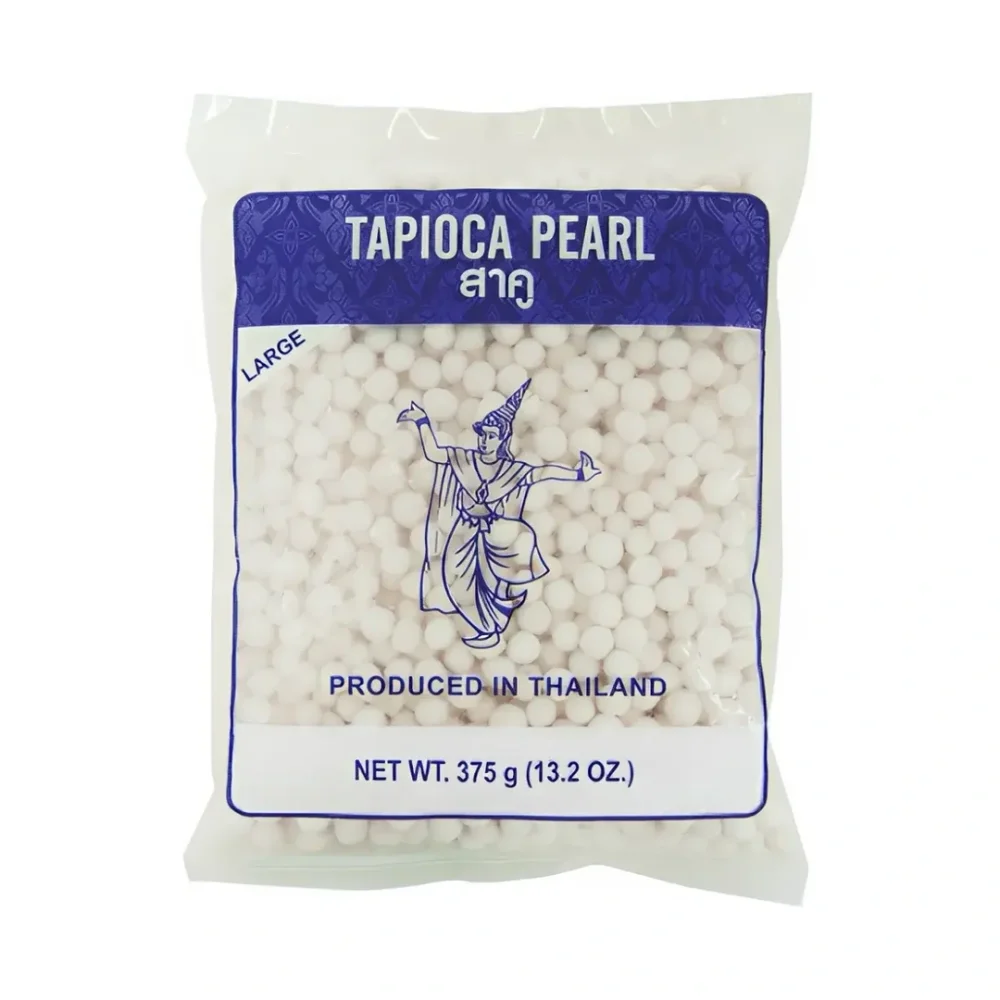
For coconut puddings and creams, it is not only about taste. Often you need coconut to create a dense body – and this is easier to achieve with fuller variants. If you are making a dessert with pearls, a typical example of a usable ingredient is Thai Dancer tapioca pearls (L), which are used precisely for coconut desserts and puddings.
⚠️ Most common mistakes with coconut products (and how to avoid them)
1) Confusing coconut water and coconut milk
Coconut water is a beverage, coconut milk is an emulsion from ripe flesh intended for cooking. If you need fat and creaminess in the dish, coconut water will not replace that.
2) Confusing coconut milk and cream without expecting a change in the result
The difference in fat and texture is essential. When the recipe relies on coconut richness (curry, desserts), the swap shows immediately. In the best case, you only adjust the consistency; in the worst case, the whole “structure” of the dish falls apart.
🍳 3) Using the light variant for rich curries
Light coconut milk tends to be too watery and weaker in taste. If you want a lighter result, it is good to plan for this already when choosing the dish (not every curry should have the same thickness).
4) Ignoring composition: “coconut” does not necessarily mean a culinary base
Not every coconut product is meant for cooking as a neutral base. Sometimes it is a beverage, other times a dessert product, or a thickened concentrate. Reading the label is key for “coconut cream.”
5) Expectation of a strong coconut flavor from coconut sugar
Coconut sugar tends to be more caramel-like. It is great as a type of sweetness, but it is not "coconut milk in sugar form."
🍳 6) Using coconut flour as regular flour
Coconut flour is not regular flour 1:1 – it is significantly more absorbent and technologically demanding. If you want to start using coconut flour, stick to recipes that call for it.
7) Underestimating storage after opening
Coconut milk and coconut cream often look more stable after opening than they actually are. After opening, it is practical to:
- transfer the product to the fridge,
- keep it in a clean container,
- expect that the separation of fat and watery parts is often natural,
- mainly monitor the smell, taste, and overall condition.
What to take away from the article
- Coconut water is a beverage, coconut milk is a cooking base and coconut cream is thicker and fattier – they are not interchangeable without consequences.
- For liquid coconut products, the main factors are fat, density, and the ratio of coconut content to water; "coconut milk" is not a single standard.
- Concentrated coconut cream makes sense when you need intense coconut flavor without excess water.
- "Coconut cream" can be culinary or dessert – you can't tell without a label.
- Light coconut milk often doesn't work where coconut is supposed to create a rich body (typically curry).
- Coconut sugar expect it to be more caramel than "coconut milky."
- Coconut flour is not flour 1:1 and requires recipes that take its absorbency into account.

Read next
If you want to explore this topic further, continue with these related blog guides and articles:
