

 Česky (CZK)
 Slovensky (EUR)
 Deutsch (EUR)
 Austria
 Belgium
 Bulgaria
 Croatia
 Denmark
 Estonia
 Finland
 France
 Germany
 Greece
 Hungary
 Italy
Italy Latvia
 Lithuania
 Luxembourg
 Netherlands
 Poland
 Portugal
 Romania
 Slovenia
 Spain
Spain Sweden










Flours, Coatings and Doughs in Asian Cooking
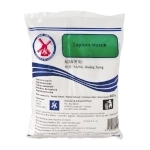
This guide category explains how flours, starches, coatings, and ready-made doughs are used across Asian cuisines, from thickening sauces to creating crisp batters and delicate wrappers. You’ll find topic-focused articles that clarify common types and terminology, outline typical uses in everyday cooking, and help you understand how these ingredients affect texture and handling in the kitchen.
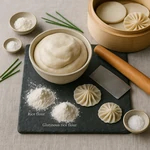
Doughs for dumplings and bao: how to choose flour and get the right texture
For Asian dumplings, the wrapper is as important to the result as the filling. And for bao, the dough determines whether the bun will be soft and fluffy or dense and "heavy." In practice, it is often not the taste of the flour (which tends to be neutral) but the texture: elasticity, chewiness, crispness, gloss, or translucency. In the article, you can compare the basic types of doughs and wrappers and especially which flour or starch to choose so that the dumplings and bao turn out as you expect.
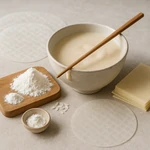
How to choose the right coating or dough: crispiness, elasticity, and translucency according to the type of flour and starch
In Asian cuisine, it is often not just the taste that matters, but mainly the texture: should the coating be crispy and light, the dough elastic and pliable, the sauce delicate and shiny, or the dumpling almost translucent after steaming? This is exactly where the choice of flour, starch, and type of coating makes the biggest difference. This guide will help you choose the right “coating or dough” depending on exactly what you want to cook – and avoid typical label mix-ups.
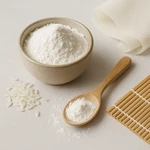
Rice Flour in Asian Cooking: How to Use It (and How It Differs from Glutinous Rice Flour)
Rice flour is one of those quiet pantry staples that becomes incredibly useful the moment you start cooking Asian dishes more often. It can lighten batters, add crispness to coatings, thicken sauces without a wheat taste, and create textures—from delicate and tender to pleasantly chewy—that regular wheat flour simply can’t replicate.
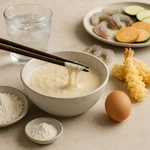
How tempura and its coating work: what makes it crispy (and why both flour and starch matter)
Tempura seems simple: coat and fry. But in reality, it relies on texture – on how the coating behaves after cooking. The difference between "lightly crispy" and "heavy and dense" often arises not just from technique, but also from choosing the right mix, flour, and starch.
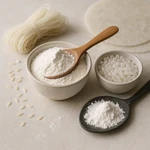
Rice flour, tapioca, and starches: how to choose the ingredient for the right texture
Flour and starch in Asian cuisine often do not play the "main role" in flavor but very often decide on the most important thing: texture. The choice between rice flour, sticky rice flour, and starches determines whether the dough will be elastic, the coating crispy, the sauce shiny, the soup delicate, or the result glassy translucent.
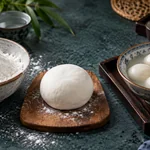
Glutinous rice flour
Discover the world of rice flour! In this article, you will learn about its history, production, and use in Asian cuisine and gluten-free diets. Find out about its health benefits and how to use it in various dishes.
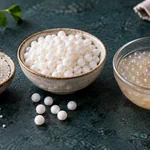
Tapioca pearls
Discover the magic of tapioca pearls that have taken the world by storm! Find out how they are made, why they are so popular in Asian cuisine, and how you can use them in desserts, drinks, and other dishes. In our article, you will learn everything about their production, history, and great recipes that you will love.
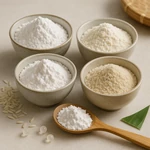
Flours and starches in Asian cuisine: how to choose the right type for thickening, coating, and dough
Flours and starches are inconspicuous in Asian cuisine, but they often decide the most important thing: texture. Thanks to them, the coating can be crispy and light, the sauce smooth and glossy, the dumpling elastic, or the dim sum wrapper delicately translucent. In the article, you will clarify when to reach for rice flour, when for glutinous rice flour, when for tapioca starch, and what to watch out for when reading labels.
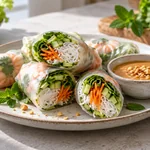
Rice paper
Thin slices are a great ingredient for anyone looking for simplicity, versatility, and flavor variety. Use them to make fresh spring rolls, delicious appetizers, or even sweet desserts. Find out how easily they can become the basis for your favorite dishes!
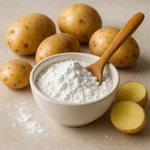
Potato Starch: The Quiet Trick Behind Extra Crispy Coatings and Silky Sauces
Potato starch doesn’t look like much, but it can change the texture of your cooking in minutes. Used the right way, it turns pan sauces glossy, helps soups feel rounder without tasting “floury,” and creates a light, shatteringly crisp crust on tofu, chicken, mushrooms, or vegetables—one of the small restaurant-style techniques that shows up again and again in Asian home cooking.
To place these ingredients in a wider pantry context, you may also want to read about Sauces and Pastes , how seasoning is built with Spices and Herbs , and how staples like Noodles fit into everyday meals.