Česky (CZK)
 Slovensky (EUR)
 Deutsch (EUR)
 Austria
 Belgium
 Bulgaria
 Croatia
 Denmark
 Estonia
 Finland
 France
 Germany
 Greece
 Hungary
 Italy
Italy Latvia
 Lithuania
 Luxembourg
 Netherlands
 Poland
 Portugal
 Romania
 Slovenia
 Spain
Spain Sweden










Rice Flour in Asian Cooking: How to Use It (and How It Differs from Glutinous Rice Flour)
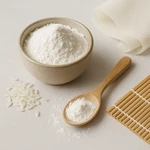
Why rice flour matters in Asian kitchens 🍚
Across East and Southeast Asia, rice isn’t only a side dish—it’s a building block. Milling rice into flour made it possible to create noodles, steamed cakes, dumpling skins, pancakes, and desserts in places where wheat flour wasn’t always the default. Today, rice flour remains popular because it’s mild in flavor, behaves predictably with heat, and gives a distinctive texture: light, clean, and often crisp rather than bready.
It’s also a common choice in gluten-free cooking. Rice itself contains no gluten, but always check labels if you need certified gluten-free products (cross-contact can happen during processing).
What is rice flour (and what does it taste like)? 🌾
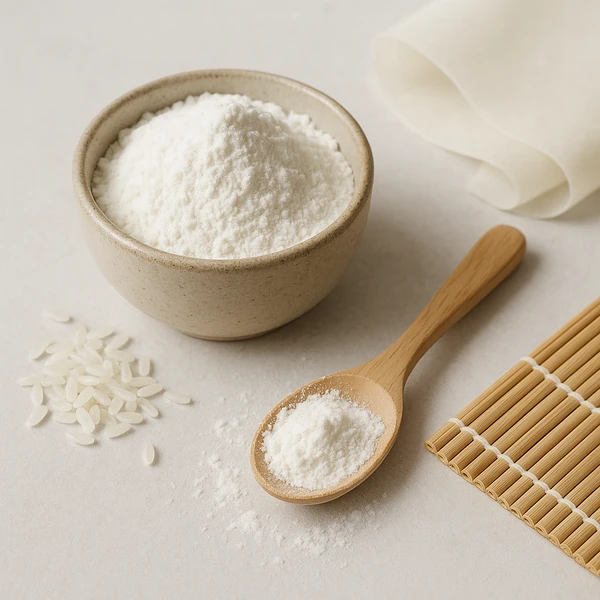
Rice flour is simply finely ground rice. Most everyday “rice flour” is made from non-sticky white rice. The flavor is subtle—slightly grainy, gently sweet, and generally neutral—so it doesn’t fight strong seasonings like ginger, garlic, chili, fermented sauces, or coconut milk.
Texture depends on grind size and brand. Finely milled rice flour blends more smoothly into batters and custards; coarser flours can feel sandy if not cooked thoroughly or if used in the wrong application.
Rice flour vs. glutinous rice flour: same family, different job 🧠
These two are easy to confuse because the names sound similar, but they behave very differently in recipes.
- Rice flour (regular): made from non-sticky rice. It tends to cook up tender, light, and sometimes crisp. It’s a practical all-rounder for batters, pancakes, coatings, and gentle thickening.
- Glutinous rice flour (often labeled sweet rice flour or mochiko): made from sticky (glutinous) rice. “Glutinous” refers to stickiness, not wheat gluten. When heated, it becomes elastic, cohesive, and chewy—the texture you want in mochi-style desserts and many chewy rice cakes.
Rule of thumb: if a dish is known for a stretchy, bouncy chew, it likely needs glutinous rice flour. If it’s meant to be delicate, crisp, or simply “floury” without chew, regular rice flour is usually the better fit.
How rice flour behaves when heated 🔥
Rice flour thickens through starch gelatinization. As it warms in liquid, it gradually sets and becomes more opaque. Compared with wheat flour, it won’t develop gluten (so you won’t get elasticity), and it can feel cleaner and less “bready” in sauces. However, it can also turn slightly chalky if undercooked, or too firm if overused.
Practical ways to use rice flour in Asian cooking 🍳
1) Crisp coatings and light frying batters
Rice flour is a classic trick for crispness. It absorbs less oil than some wheat-based batters and can fry up thin and shattery—especially when paired with cold or sparkling liquid.
- Dry coating: dredge tofu, mushrooms, or sliced chicken in seasoned rice flour before frying for a thin, crisp crust.
- Mixed batters: combine rice flour with other starches (like potato or tapioca starch) when you want extra crunch and a lighter bite.
2) Pancakes, crepes, and savory “cakes”
Many Asian batters rely on rice flour for a tender set rather than a fluffy rise. Think of thin savory pancakes, steamed rice cakes, and pan-fried cakes where the goal is a clean bite and crisp edges.
Tip: rice-flour batters often improve after a short rest (10–20 minutes), which lets the flour hydrate more evenly.
3) Sauce and soup thickening (without wheat flavor)
Rice flour can thicken mild soups, coconut-based curries, and sauces when you want body without the toasted note of a wheat roux.
- Make a slurry: whisk rice flour with cool water first, then stir into hot liquid to reduce clumping.
- Cook it out: let it simmer briefly after thickening so the texture becomes smooth and the raw starch taste disappears.
4) Dumplings, wrappers, and steamed textures
Rice flour shows up in a wide range of steamed or set batters. Depending on the dish, it may be used alone or blended with tapioca starch or glutinous rice flour to balance tenderness and chew.
When to add glutinous rice flour: if your wrapper or cake cracks or crumbles, a small portion of glutinous rice flour can add flexibility and cohesion.
5) Desserts: from delicate to chewy
For desserts, the choice of flour is crucial:
- Regular rice flour helps create tender, sliceable cakes and custard-like textures.
- Glutinous rice flour delivers the signature chew in mochi-style sweets, filled rice balls, and stretchy rice cakes.
Choosing the right type: a quick checklist ✅
- Read the name carefully: “rice flour” and “glutinous/sweet rice flour” are not interchangeable in many recipes.
- Pick the grind for the job: fine grind for smooth batters and thickening; coarser products can work in specific traditional dishes but may need thorough cooking.
- White vs. whole-grain/brown rice flour: whole-grain versions bring a nuttier taste and slightly heavier texture—great in some baked goods, less ideal when you need a very delicate, pale result.
- Specialty flours (e.g., black glutinous rice flour): used mainly for color, aroma, and a more distinctive character in desserts and doughs.
Common mistakes (and how to fix them) ⚠️
- Swapping regular and glutinous rice flour: if a dessert turns crumbly instead of chewy (or gummy instead of tender), this is often the reason.
- Clumps in sauces: always slurry with cold water first, and pour in while stirring.
- Gritty texture: cook longer (especially in custards/sauces), choose a finer grind next time, or strain the mixture before setting.
- Batters that separate: stir right before cooking and consider a short rest; rice flour can settle faster than wheat flour.
Storage tips to keep rice flour fresh 🫙
Store rice flour tightly sealed in a cool, dry cupboard. In humid kitchens, consider the fridge or freezer to prevent clumping and off odors. If the flour smells musty or stale, replace it—neutral aroma is part of what makes it so useful.
A simple “starter” use: crispy rice-flour coating
If you want to understand rice flour’s crisping power quickly, try this approach:
- Season rice flour with salt, white pepper, and a little garlic powder (optional).
- Pat dry your ingredient (tofu, eggplant, mushrooms, chicken).
- Dredge lightly in the seasoned rice flour and shake off excess.
- Fry in hot oil until just golden and crisp. Serve with a dipping sauce (soy-based, chili-lime, or a sweet-sour style).
The result is a thin, crisp shell that stays light instead of turning bready.
Our picks (when you’re stocking up)
- Regular rice flour: for everyday thickening, batters, pancakes, and coatings.
- Glutinous (sweet) rice flour: for mochi-like chew, stretchy rice cakes, and cohesive dessert doughs.
- Black glutinous rice flour: for dramatic color and a more distinctive dessert profile.
FAQ
Is glutinous rice flour gluten-free?
Yes—“glutinous” describes the sticky texture of the rice, not wheat gluten. If you have celiac disease, look for certified gluten-free labeling to avoid cross-contact.
Can I use rice flour to replace wheat flour 1:1?
Not reliably. Rice flour doesn’t form gluten, so it won’t mimic wheat’s elasticity and structure in many baked goods. It works best in recipes designed for it (or in blends).
Why does my rice-flour sauce feel chalky?
Usually it needs more cooking time after thickening, or the proportion of flour is too high. Use a thinner slurry and simmer briefly to smooth it out.

Recommended products2
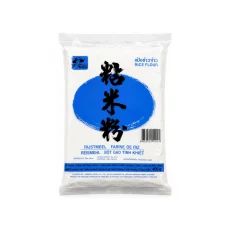

Farmer Brand Rice Flour 400 g
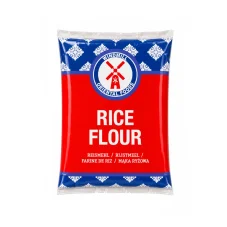
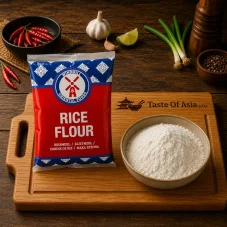
Windmill rice flour 400 g
Read next
If you want to continue with the same topic, here are more related articles to explore: