

 Česky (CZK)
 Slovensky (EUR)
 Deutsch (EUR)
 Austria
 Belgium
 Bulgaria
 Croatia
 Denmark
 Estonia
 Finland
 France
 Germany
 Greece
 Hungary
 Italy
Italy Latvia
 Lithuania
 Luxembourg
 Netherlands
 Poland
 Portugal
 Romania
 Slovenia
 Spain
Spain Sweden










Tapioca pearls
🫧 Tapioca pearls: the chewy bite that makes drinks and desserts feel special
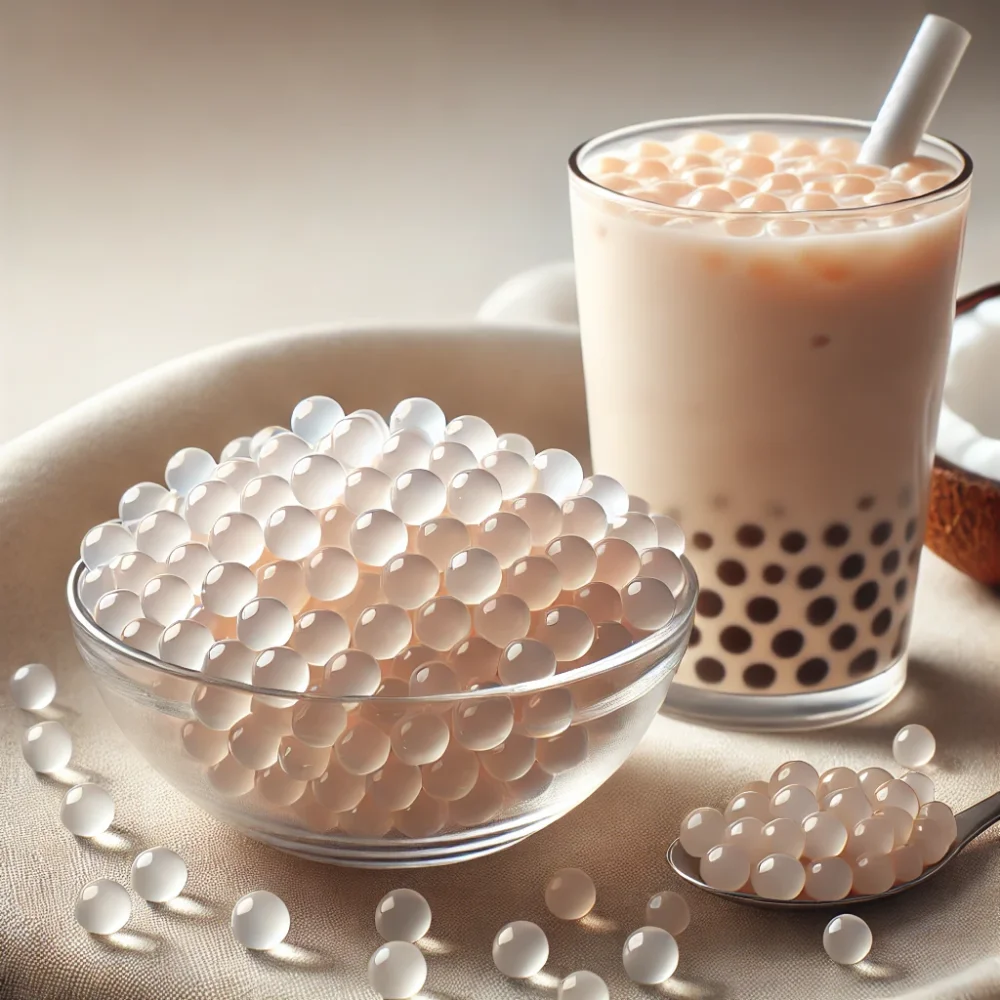
Tapioca pearls are small balls made from tapioca, a starch extracted from cassava. Their main value is texture: when cooked properly, they are springy, smooth and pleasantly chewy. They are used in bubble tea, coconut desserts and creamy dessert cups.
Asian ingredients available at Asian Food Shop
💡 Note: Texture comes down to details. Overcooked pearls turn sticky, undercooked pearls keep a firm core. Timing, a short resting step and rinsing after cooking make a big difference.
🕰️ Origin and background
Tapioca comes from cassava, a crop common in tropical regions. In many Asian dessert traditions, tapioca became popular because starch creates a smooth, elastic texture and pairs easily with sweet flavors. In modern times, tapioca pearls became globally famous through bubble tea.
Quick insight
You may hear the term “QQ” texture, meaning springy and chewy without being rubbery or mushy. That is the goal of good tapioca pearls.
🧪 Types and what they are made of
Tapioca pearls are made from tapioca starch and water. In practice you will find smaller pearls for desserts and larger pearls for bubble tea, plus tapioca flour used as a starch for thickening.
Tapioca belongs in Flour and starch
👃 Flavor profile
Pearls are neutral in taste, which is why they carry syrups, coconut, tea and fruit so well.
- 🫧 chewy bite and texture
- 🍯 absorbs syrup and aromas
- 🥥 contrasts nicely with creamy bases
✅ Tip: After cooking, a short soak in syrup adds flavor and helps prevent clumping.
🍳 Best ways to use tapioca pearls
🧋 Bubble tea and chilled drinks
Cook, rinse, then sweeten briefly and add to milk tea or fruit drinks.
🍨 Coconut desserts
They pair especially well with a coconut base from Coconut milk.
🍮 Dessert cups and creams
Smaller pearls mix easily into puddings and dessert cups.
🍲 Thickening with tapioca starch
Tapioca flour is also used as a thickener, often giving a smooth, glossy finish.
🫶 Nutrition context
Tapioca is mainly a source of carbohydrates. In drinks and desserts, what matters most is usually the sweetening and syrups. The advantage is that even a small amount of pearls can make a dessert feel more satisfying through texture.
✅ How to choose tapioca pearls
- size small pearls for desserts, large pearls for bubble tea
- cooking larger pearls require more precise timing and resting
- flavor pearls are neutral, syrup or the base provides taste
- serving best fresh, they firm up over time
💡 Practical: Rinse after cooking and soak briefly in syrup for better flavor and cleaner texture.
🛒 Product picks
- Thai Dancer Tapioca pearls 454 g a reliable choice for dessert cups and coconut sweets
- Thai Dancer Tapioca pearls "L" 375 g larger pearls for bubble tea and a more pronounced chewy bite
- Windmill Tapioca flour 400 g tapioca flour for thickening creams and sauces or for DIY experiments
🍨 Recipe: Coconut tapioca dessert with mango
Creamy coconut base, gently sweet tapioca pearls and a fresh fruit layer. Perfect for chilled dessert cups.
Ingredients
- tapioca pearls 60 to 80 g
- coconut milk 400 ml
- sugar 1 to 2 tbsp
- salt pinch
- mango 1 to 2
- water for boiling
Method
- Cook pearls according to the package, stirring to prevent sticking.
- Once translucent, rest briefly covered, then rinse with cold water to stop cooking and remove excess stickiness.
- Warm coconut milk with sugar and a pinch of salt, just until the sugar dissolves.
- Stir in the cooked pearls and let cool.
- Dice mango and serve layered in glasses with the coconut tapioca.
✅ Tip: Using less sugar and a pinch of salt often makes coconut and mango taste brighter without feeling overly sweet.

Recommended products2
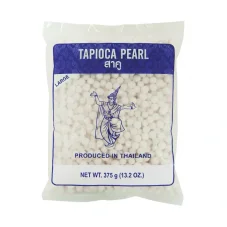
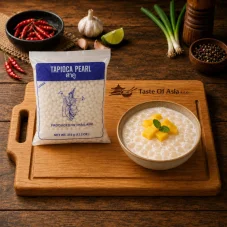

Thai Dancer Tapioca pearls "L" 375 g
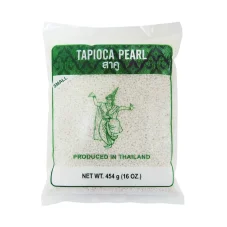
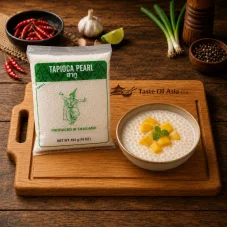
Thai Dancer Tapioca pearls 454 g
Read next
If you want to continue with the same topic, here are more related articles to explore: