Česky (CZK)
 Slovensky (EUR)
 Deutsch (EUR)
 Austria
 Belgium
 Bulgaria
 Croatia
 Denmark
 Estonia
 Finland
 France
 Germany
 Greece
 Hungary
 Italy
Italy Latvia
 Lithuania
 Luxembourg
 Netherlands
 Poland
 Portugal
 Romania
 Slovenia
 Spain
Spain Sweden










How to Choose Soy Sauces
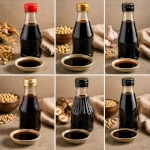
This guide explains how to choose soy sauce for different dishes and cooking methods. It focuses on the key differences you will come across when comparing soy sauces, what those differences mean in practice, and how to match a sauce to the role it plays in a recipe—whether it is used as a seasoning, a dip, or part of a sauce or marinade.
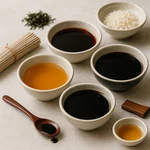
Light, dark, Japanese, and Korean soy sauce: how to understand and choose the right type
Soy sauce is not a single universal liquid "for everything," but a whole family of sauces with different roles in the kitchen: sometimes mainly to salt and add umami, other times to darken and round off, and sometimes it acts as a table condiment. In this guide, we will compare the most common styles (light/dark, Japanese shoyu, and Korean ganjang) and especially how to use them practically at home without unnecessary mistakes.
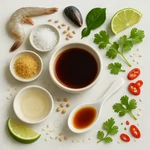
How to read a soy sauce label: what really matters (and what confuses you)
Soy sauce looks simple at first glance: dark, salty, “somehow Asian.” But under the same name, there are more distinctly different styles - from Japanese shoyu through Chinese light and dark sauces to Thai variants for wok cooking or sweet Southeast Asian directions. That's why it's worth reading the label: not for the details themselves, but so you don't bring home a sauce that behaves completely differently in the kitchen than you expect.

All about soy sauce
Soy sauce is one of the oldest condiments in the world. What is it made of, what types we know and other tips in our blog.
To broaden your ingredient know-how, continue with How to Read Labels and Ingredients , compare other staples in How to Choose Asian Ingredients , or explore related soy basics in How to Choose Tofu and Soy Products .