

 Česky (CZK)
 Slovensky (EUR)
 Deutsch (EUR)
 Austria
 Belgium
 Bulgaria
 Croatia
 Denmark
 Estonia
 Finland
 France
 Germany
 Greece
 Hungary
 Italy
Italy Latvia
 Lithuania
 Luxembourg
 Netherlands
 Poland
 Portugal
 Romania
 Slovenia
 Spain
Spain Sweden










How to Work with Spiciness in Asian Cooking
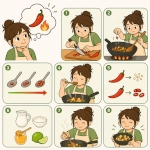
This guide focuses on how spiciness works in Asian cooking and how to manage it in a practical way. You’ll find explanations of different types of heat, how to build spiciness gradually, and how to balance it with other flavours so dishes stay aromatic and well-rounded rather than simply hot.
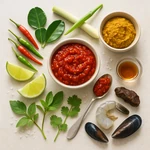
Chilli, sambal and curry pastes for beginners: how to understand heat and not overpower flavor
Chilli in Asian cuisine is not just a “test of courage.” In a balanced dish, spiciness is one layer of flavor – it can add energy, contrast, and depth, but only when you know what type of heat you are adding and what role a specific product plays. For a beginner, the key difference is between plain chilli, sambal, and curry paste.
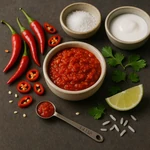
How to work with spiciness without ruining the food: add, tone down, and keep the flavor under control
Spiciness in Asian cuisine is not a contest of "the biggest fire," but one of the layers of flavor that is meant to enliven, highlight, and balance the dish. However, if you overdo the amount or choose the wrong type of chili base, you can easily end up with a dish that is sharp but flavorless—or downright inedible. In this article, you will find practical methods on how to safely increase spiciness, how to tone it down, and how to avoid common beginner mistakes.
To build a solid foundation around spicy cooking, continue with Basic Asian Pantry , learn what to avoid in Common Beginner Mistakes , or pick an easy path forward in Where to Start by Cuisine .