


 Česky (CZK)
 Slovensky (EUR)
 Deutsch (EUR)
 Austria
 Belgium
 Bulgaria
 Croatia
 Denmark
 Estonia
 Finland
 France
 Germany
 Greece
 Hungary
 Italy
Italy Latvia
 Lithuania
 Luxembourg
 Netherlands
 Poland
 Portugal
 Romania
 Slovenia
 Spain
Spain Sweden










Chilli, sambal and curry pastes for beginners: how to understand heat and not overpower flavor
Chilli in Asian cuisine is not just a “test of courage.” In a balanced dish, spiciness is one layer of flavor – it can add energy, contrast, and depth, but only when you know, what type of heat you are adding to the dish and what role the specific product plays. For a beginner, the crucial difference is between plain chilli, sambal, and curry paste.
Heat is not the goal: why things “burn” differently in Asia than you expect
The most common mistake beginners make is focusing only on the question “a lot or a little?”. In practice it is more important, where the heat comes from (fresh chilli, fermented paste, oil mixture…), how it behaves in the dish and what else it brings besides “heat.”
Asian cuisines also often balance spice so it is not alone. Typically it pairs with acidity, herbs, fermentation, or umami – and that’s exactly why two things with the same heat level can taste completely different.
“Spiciness” comes in different forms
In practice you can encounter various types of heat (e.g., short sharp, slow warming, deeper oily), and sometimes even an effect other than heat: in Sichuan Chinese cuisine, Sichuan pepper often appears alongside chilli and creates the characteristic profile ma la – meaning spicy and numbing (tingly). It’s good to remember this because “spicy” doesn’t always mean the same thing.
Scoville is useful only partially
Heat values (often referenced via the Scoville scale) can give you a rough orientation. But by themselves they won’t tell you whether a paste or sauce also brings acidity, sweetness, garlicky notes, fermented depth, or just a pure chilli “cut.” And this is what determines whether the heat will improve a dish or “drown out” its flavors.
🕰️ A short fact: chilli peppers did not originate in Asia
Chilli peppers (Capsicum) come from the Americas and reached Europe and later Asia only after the Columbian exchange. In Asian cuisines they have nevertheless become so established that many regions today are almost unimaginable without them. It’s a good reminder that what we now consider “typically Asian” is often the result of long development and adaptation to local tastes.
🍳 Chilli vs. sambal vs. curry paste: three different roles in the kitchen
This is key for a beginner. They may look similar, but in a dish they do different things:
- Chilli is a basic ingredient (fresh, dried, ground, flakes…). It usually provides mainly heat and sometimes a fruity or smoky character.
- Sambal is not just a “spicy paste.” It’s a broader family of pastes and dips that often also carry saltiness, umami, sweetness, acidity, or fermented depth. So sambal adds heat + a ready-made flavor layer.
- Curry paste is not “just chilli.” It contains chilli but also aromatic components and spices. It is the base of an entire sauce or dish, not just a means to increase heat.
A practical rule: chilli = mainly heat; sambal = heat + a finished flavor signature; curry paste = the aromatic spine of the whole dish. Using curry paste only as a “spicy seasoning” often disrupts the flavor balance.
Chilli sauces and chilli pastes: they are not one category
Under the word “chilli” there are many very different things: thin vinegar-and-sugar sauces, thick fermented pastes, fried or roasted oil-based mixes, chilli oils, and coarse relishes for direct serving. Distinguishing only by “how hot it is” is insufficient – equally important is, what function the chilli component will have in the specific dish.
1) Thin chilli sauces: table seasoning and quick contrast
They usually center on chilli, vinegar, and salt (sometimes sugar and garlic). They tend to be straightforwardly sharp and often work as a table sauce or dip. A typical example is the family of sriracha styles – and note: the name “sriracha” is used widely and different versions can vary significantly in consistency and role. In the Thai context the original style associated with Si Racha is thinner, tangier, and garlicky and suits simple dishes, fish, and seafood.
2) Thick fermented pastes: heat combined with depth
Fermentation in Asian cuisine often creates not just preservation but mainly flavor depth and umami. That’s why you frequently encounter heat in fermented pastes. In Korean cooking heat typically pairs with fermented bases (e.g., gochujang) and in Chinese cuisines you can find fermented chilli pastes as well as pastes that form the base of sauces.
3) Cooked/roasted/fried chilli pastes: rounder, “finished” flavor
This group often combines chilli with other ingredients (e.g., garlic, shallot, sugar, tamarind, or even shrimp paste) and yields a more complex, rounded taste. In Thai cuisine this includes nam prik pao; in Indonesia and Malaysia many sambals fall into this line, where the heat often comes from the paste itself and is connected with umami.
👃 4) Chilli oils and chilli crisp: “oily” heat and aroma by the drop
In a Chinese context at home you often encounter two main lines: fermented pastes and chilli oils. Chilli oil can be purely oily or contain flakes, spices, garlic, and other solids. In Sichuan the Sichuan pepper often enters the mix and creates the ma la profile.
Curry pastes: what they are and why not to use them only “for heat”
Curry paste is a concentrated flavor base that is then cooked into a sauce, soup, braise base, marinade, or stir-fry. Importantly, very different families hide under the same name in a European context, so you get very different families:
- Thai curry pastes – wet, aromatic, built on chilli and fresh aromatic ingredients. They are usually briefly fried in fat and then diluted (often with coconut milk or another liquid).
- Indian and British-Indian curry bases – it’s more accurate to think in terms of “masalas” and specific styles; they can be dry or wet, and sometimes the flavor is built during cooking from onion, garlic, ginger, tomato, and spices.
- Japanese curry bases – often not a wet paste but a roux for a thicker sauce; the flavor tends to be rounder and milder.
- Malaysian-Indonesian and other regional styles – they exist but aren’t easily simplified into one “universal curry.”
Thai curry pastes: what they often have in common
Thai pastes typically revolve around chilli, lemongrass, galangal, garlic, shallot, coriander (or coriander root), lime zest or makrut elements, and salt. Shrimp paste sometimes appears but not always. Therefore it makes sense to view curry paste as an aromatic base – not as a “chilli concentrate.”
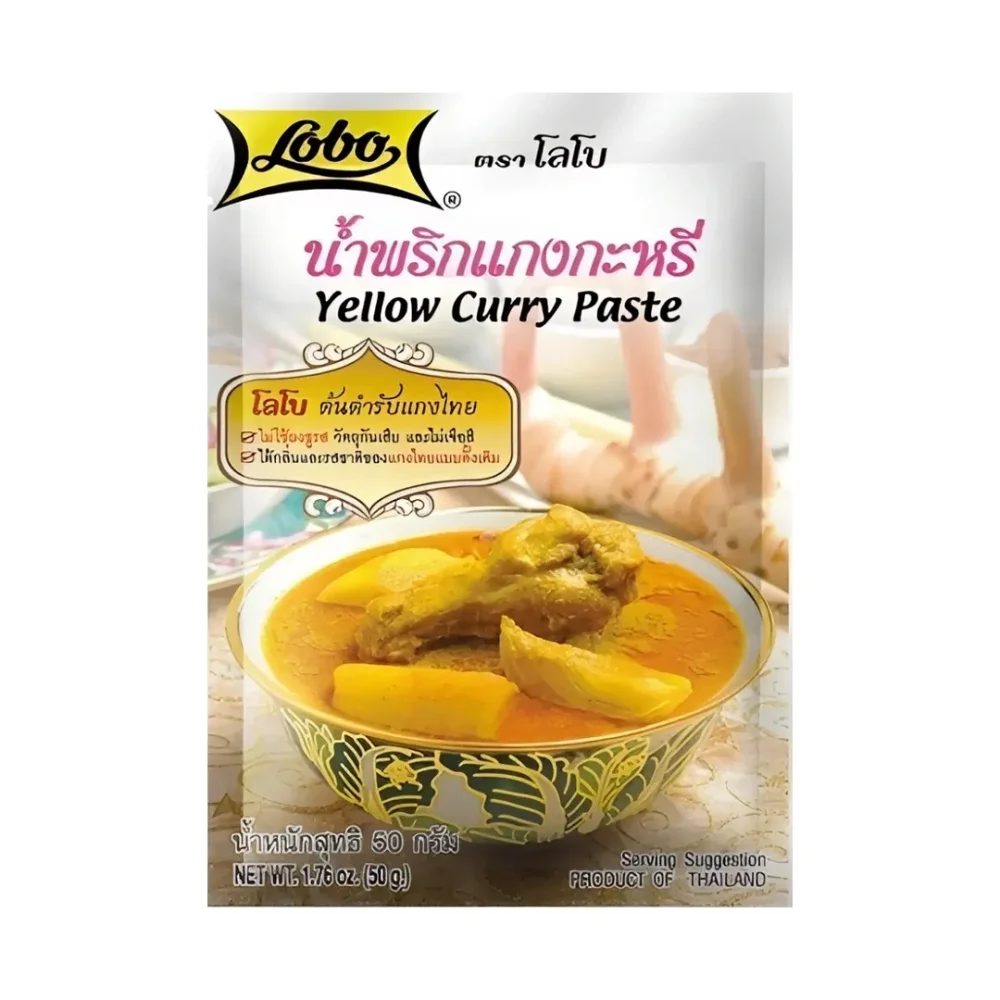
If you want to start with a simpler, more universally usable Thai-style paste, a good start can be e.g. Lobo yellow curry paste – typically briefly fried in fat and then adjusted with liquid depending on the dish you are cooking.
First steps at home: how to choose and use chilli, sambal, and curry paste (without “killing” the dish)
A beginner usually needs two certainties: (1) to know what the paste does and (2) to be able to dose it gradually. The following approach works as a safe onboarding.
Step 1: Decide whether you want “pure heat” or a finished flavor layer
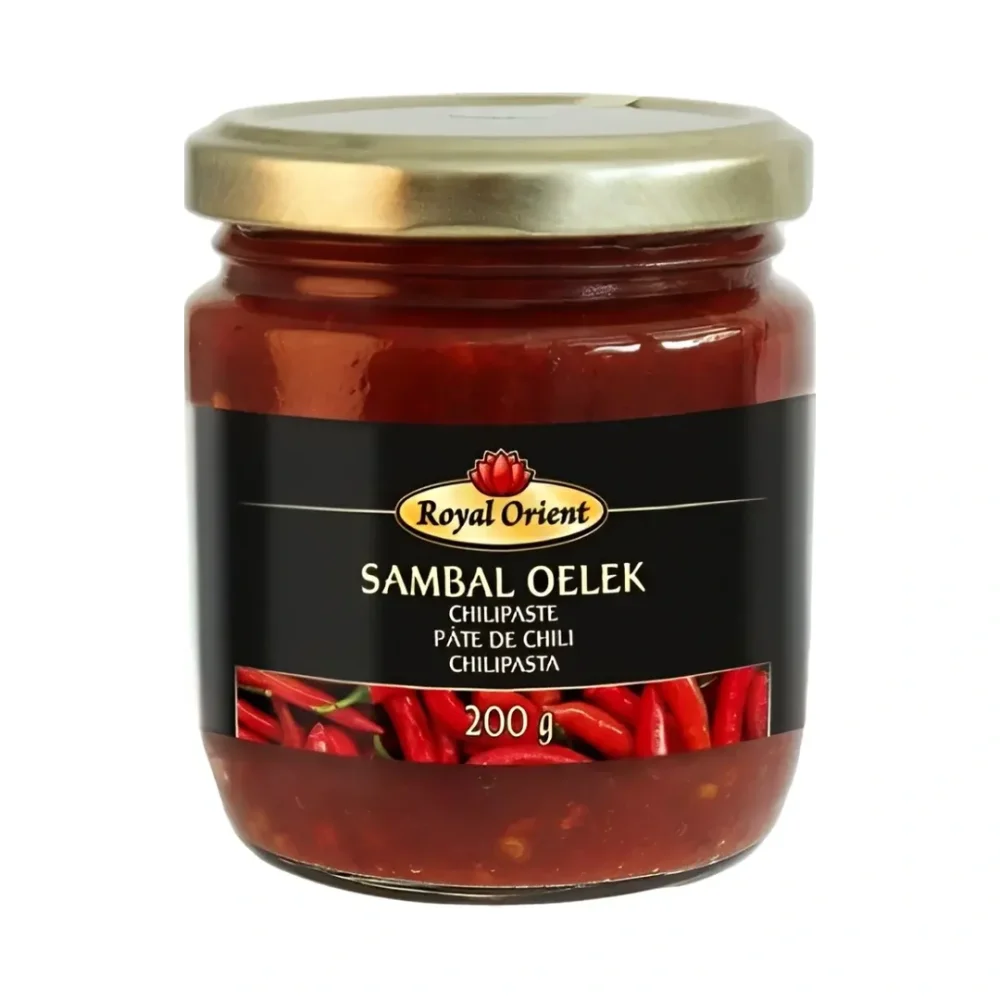
- I just want to raise the heat (and I build flavor elsewhere): reach for the simplest chilli paste possible. A typical example is sambal oelek – crushed chilli with salt. In practice it’s useful when you don’t want to add sweetness or strong acidity, just heat. A concrete example is Royal Orient chilli paste Sambal Oelek.
- I want heat and a “signature” (salty/umami/sweet/tangy/fermented tones): this is the typical role of sambal. Sambal often functions as a ready seasoning for a dish or as part of a base, not just a “spicy ingredient.”
- I want to cook a curry (and the paste should be the base of the sauce): use curry paste and expect that it will bring aromatics and spices that must make sense in the whole (liquid, side, protein, vegetables).
Step 2: Start with a small amount and add in stages
A safe rule for beginners is to add spicy pastes in small amounts and always let them “develop” in the dish for a moment. With curry pastes it’s also important to briefly fry them first and only then build the sauce; with sambal or simple chilli pastes it often makes sense to add them so they can be well incorporated and not burn in “islands.”
If you’re afraid of overshooting, it’s more practical to design the dish so you can raise the heat later (e.g., by adding another small amount) than to start with a large quantity and then have to “rescue” the whole pot.
Step 3: Be aware of what else you bring into the dish (fermentation, umami, marine notes)
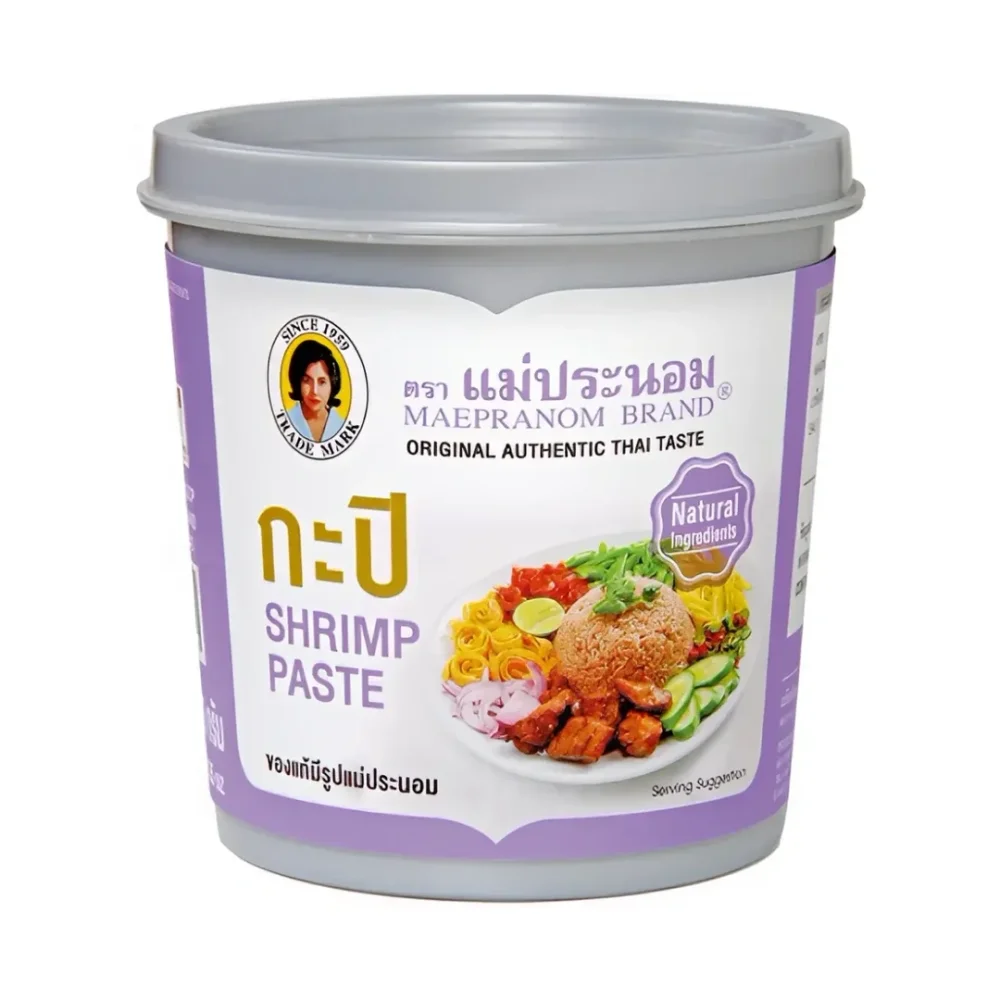
Some spicy bases are not just chilli. They often carry fermented depth and umami – and sometimes a distinct marine note (for example from shrimp paste). This element appears fairly often in Thai and Malay-Indonesian styles, but it is used in small amounts. If you want to understand what an “intense salty-umami seasoning” means, a good example is Maepranom shrimp paste – typically only a very small amount is enough for the whole dish.
Step 4: Treat acidity and sweet-sour components as tools, not decoration
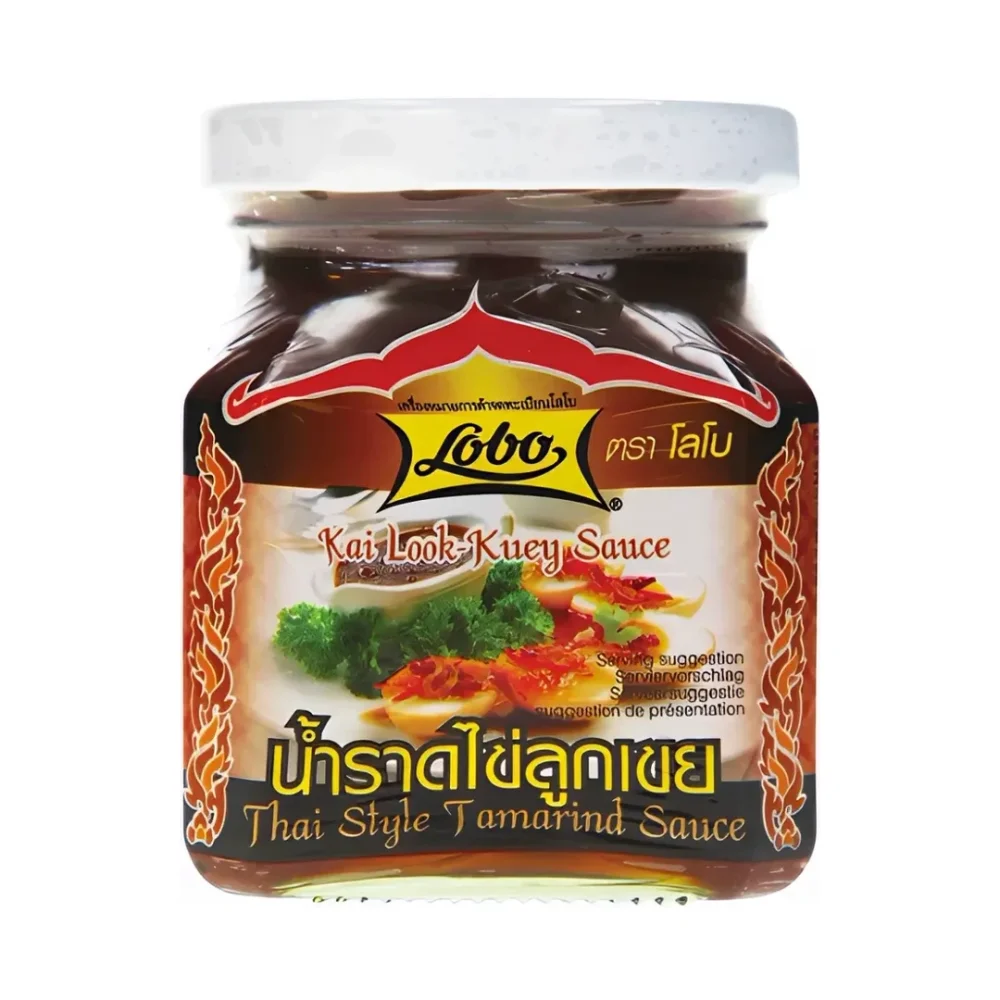
In many Asian dishes spiciness is linked with acidity (typical of fresh styles) or with a sweet-sour contrast. That doesn’t mean you should automatically “sweeten” the dish – rather think that in a good dish heat is set into a broader flavor logic. Tamarind is one of the traditional sweet-sour flavors you’ll often encounter in the Thai context; as a practical ingredient for adjustment you can use, for example, Lobo tamarind sauce (Thai style).
Step 5: Don’t confuse “curry paste” with “a paste for a specific dish”
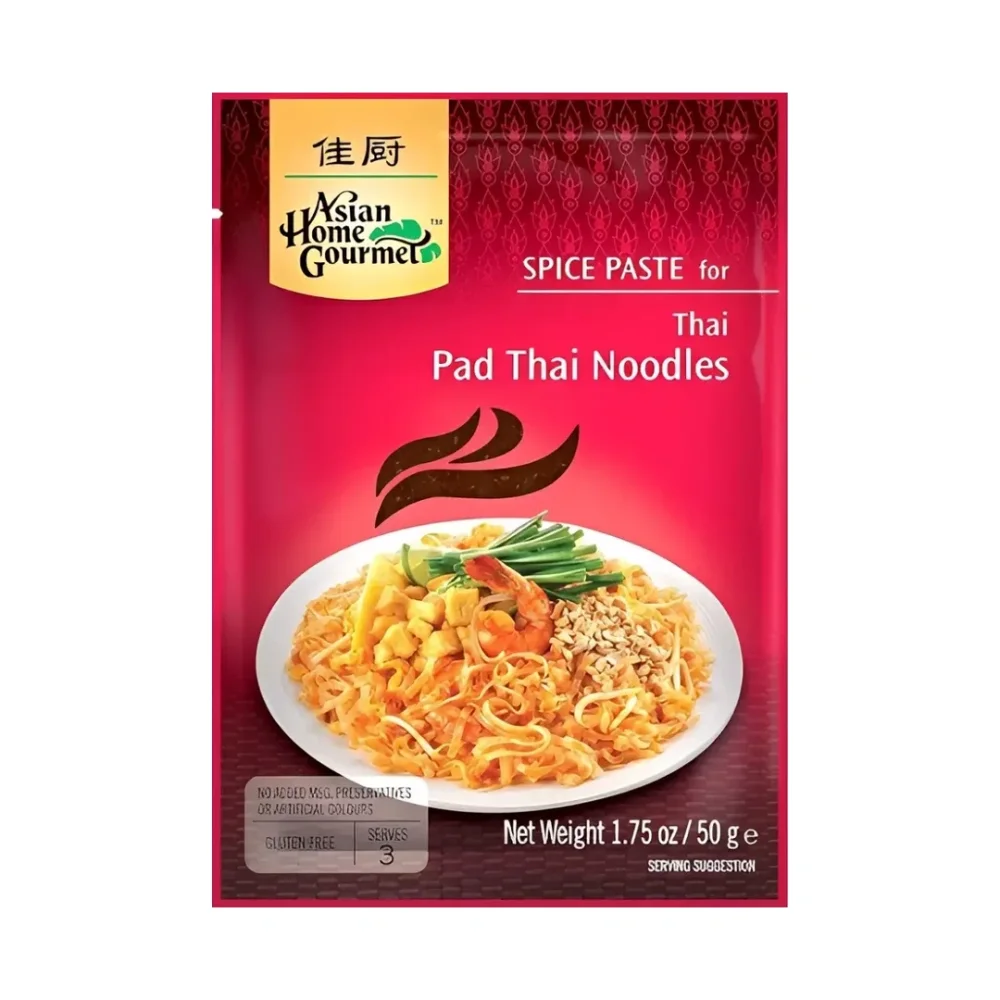
There are ready-made pastes on the market intended for one specific dish – they are designed to quickly create the typical profile of that dish. That’s useful, but it’s a different category than sambal or curry paste. An example of such a “dish-specific” base is AHG paste for Thai noodles Pad Thai. With these mixes it’s usually better to stick to their role (quick base for a specific dish) than to use them only as a random source of heat.
Common mistakes and how to avoid them
Mistake 1: Using curry paste only as a “spicy ingredient”
Curry paste is the aromatic base of the whole dish. If you add it only to make the dish “spicier,” you also add spices and aromatics that may not fit the flavor, and the dish can fall apart into disconnected tones. If you only want heat, it’s safer to choose simple chilli (or a simple chilli paste) and not interfere with the aromatic profile.
Mistake 2: Treating all sambals and “chilli pastes” as the same
Sambal can be cleaner and more straightforward, but it can also be highly complex – with saltiness, umami, sweetness, acidity, or fermented depth. Likewise a “chilli paste” can be fermented, fried, oily, or coarse. If your goal is only to “add heat,” choose the simplest type. If you also want a flavor layer, choose according to what the dish needs.
Mistake 3: Assuming “sriracha” is one fixed product
The name sriracha is used very broadly today. Different styles can vary in consistency (thinner vs. thicker), acidity, and kitchen role. Instead of expecting “one sriracha,” it’s better to think: do I want a table sauce for a finished dish, or an ingredient for cooking?
Mistake 4: Confusing chilli heat with Sichuan “ma la”
In some Chinese dishes the typical combination is chilli and Sichuan pepper (ma la). If you expect “just chilli heat,” the numbing, tingling effect can surprise you. It’s neither better nor worse – it’s a different flavor profile worth recognizing.
What to take away from the article
- Heat is just one layer of flavor – it’s not only about how hot it is, but where the heat comes from and what else it brings to the dish.
- Chilli, sambal, and curry paste are not interchangeable: chilli is mainly heat, sambal is heat + a finished flavor layer, curry paste is the aromatic base of the whole dish.
- Chilli sauces and pastes have different functions (thin table sauces, fermented pastes, fried mixes, oils, relishes) – and they are used accordingly.
- Start gradually: dose in small amounts and prefer to “adjust” the heat rather than overshoot it immediately.
- Notice fermentation and umami: for some pastes “depth” is as important as heat.

Read next
If you want to explore this topic further, continue with these related blog guides and articles:
