Česky (CZK)
 Slovensky (EUR)
 Deutsch (EUR)
 Austria
 Belgium
 Bulgaria
 Croatia
 Denmark
 Estonia
 Finland
 France
 Germany
 Greece
 Hungary
 Italy
Italy Latvia
 Lithuania
 Luxembourg
 Netherlands
 Poland
 Portugal
 Romania
 Slovenia
 Spain
Spain Sweden










The hardest part at the beginning of Asian cooking is not the "exotic" but the decision, where exactly to start. Different Asian cuisines vary in flavors, techniques, and how much you need to have stocked at home. In this guide, you will find a practical way to choose your first cuisine, how to build a reasonable minimum "Asian pantry," and which habits (cutting, preparation, working with temperature) will quickly raise your level.
Beginners often make one typical mistake: they want to start with "Asian cuisine" as a single package. But in practice, it doesn't work that way – Japanese, Chinese, Korean (and others) styles differ in flavor, technique, cooking pace, and ingredient requirements. It's much easier to choose one entry door and gradually add others on top.
Start without chaos: choose one first cuisine
"First cuisine" doesn't mean you'll never cook anything else again. It means choosing a direction at the start that:
- suits your taste,
- makes sense time-wise (quick pan vs. slower cooking),
- doesn't require a huge pantry right away,
- teaches you transferable basics (rice, sauces, working with temperature, ingredient preparation).
Once you have one direction, it’s much easier to recognize what is your "base" and what is just a one-time specialty.
Criteria for choice: flavor, time, technique, and pantry size
Choosing your first cuisine is not about what "sounds exotic," but about a few practical questions. Answer them honestly – and you'll save yourself disappointment and unnecessary purchases.
- Which flavors do you already like? More clean and clear, or bold and "daring"?
- How much time do you want to dedicate to cooking? Quick meal after work, or slower pace?
- How complex a pantry do you want to build? Do you want a few universal bottles, or do you like having more pastes and seasonings?
- Do you like fresh herbs and aromatics? Some styles are harder to make without them, others are more moderate for beginners.
- Are you more attracted to wok/pan, broth, curry, grill, or "quick bowl"?
- How easily can you get the basic ingredients? The less improvisation at the start, the more flavor and confidence.
Style first, then country
It helps a lot to start by deciding what cooking style you want to repeat at home. As a simple guide, consider:
- I want cleaner and clearer flavors.
- I want quick pan meals.
- I want bold, sweet-savory, and spicier flavors.
- I want freshness, herbs, and balancing acidity.
- I want spices, stewing, and richer dishes.
- I want homely, accessible dishes with sauce, rice, and acidity.
Only afterward does it make sense to consider a specific "country." This way, you choose a cuisine that suits you – not just an idea of how it "should" be.
Three accessible entry points: Japanese, Chinese, and Korean style
Three directions repeatedly prove effective for beginners because they are manageable and each teaches you something different.
Japanese entry: purity, fewer ingredients, emphasis on basics
The Japanese style is suitable if you want cleaner flavors, fewer ingredients in one dish, and a calmer pace without "chaos in the pan." A beginner here mainly learns to:
- work with rice as the basic building block,
- understand the role of dashi (basic stock) and subtle seasoning,
- not overdoing the flavor where purity is intended.
Start advantage: you don't have to build a wide pantry right away – rather focus on a few quality basics and precision.
Chinese entry: quick pan, wok, and "performance per time"
A Chinese-oriented start is great if you want quick meals and enjoy the pan or wok. It is a practical way where you quickly learn:
- mise en place (having everything prepared ahead),
- the basic logic of "wok sauces" and timing,
- the difference between stir-frying and braising in the pan,
- how even a small change in cutting and temperature changes the result.
But be aware that quick pan cooking requires discipline in preparation – without it, the food easily steams and loses rhythm.
Korean entry: bold flavor and fermented basics
The Korean style suits people who like readable, bold flavors – often a combination of spiciness, sweetness, salt, and sesame – and are also interested in fermented basics. Beginners here learn to:
- work with fermented pastes and understand their role,
- build flavor more boldly and clearly,
- distinguish main and side components.
It’s a good way if you don’t mind a stronger flavor profile and want to cook home dishes that are easily repeated.
Asian pantry in practice: the minimum that really returns
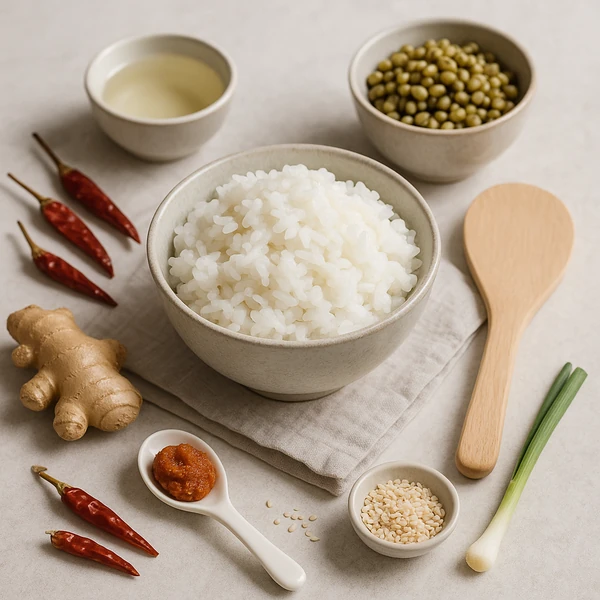
🌶️ What is an "Asian pantry" (and why it’s not a one-time exotic purchase)
An Asian pantry isn’t a list of things you must buy all at once. It is a well-thought-out foundation of ingredients, allowing you to repeatedly compose dishes at home with typical flavor – without constant improvisation.
It is also important that "pantry" here is not just a cupboard. It includes durable sauces, pastes, spices, rice, noodles, oils, vinegars, dried ingredients, sometimes frozen semi-prepared foods, and often some refrigerated condiments. Practically: it's the base that allows you to cook even when you don't have a big purchase of fresh ingredients.
And one more useful distinction: a pantry is not a recipe. A recipe might call for ten items, but a pantry shows which of those are worth having at home repeatedly because they recur across many dishes.
🍳 The absolute minimum for start (wide home use)
Beginners often buy too many specialties – then they’re missing the basics. A reasonable minimum can be built moderately. As a starting basic set, it makes sense to have:
- one universal soy sauce,
- one fish sauce or another strong umami base depending on what you’re cooking,
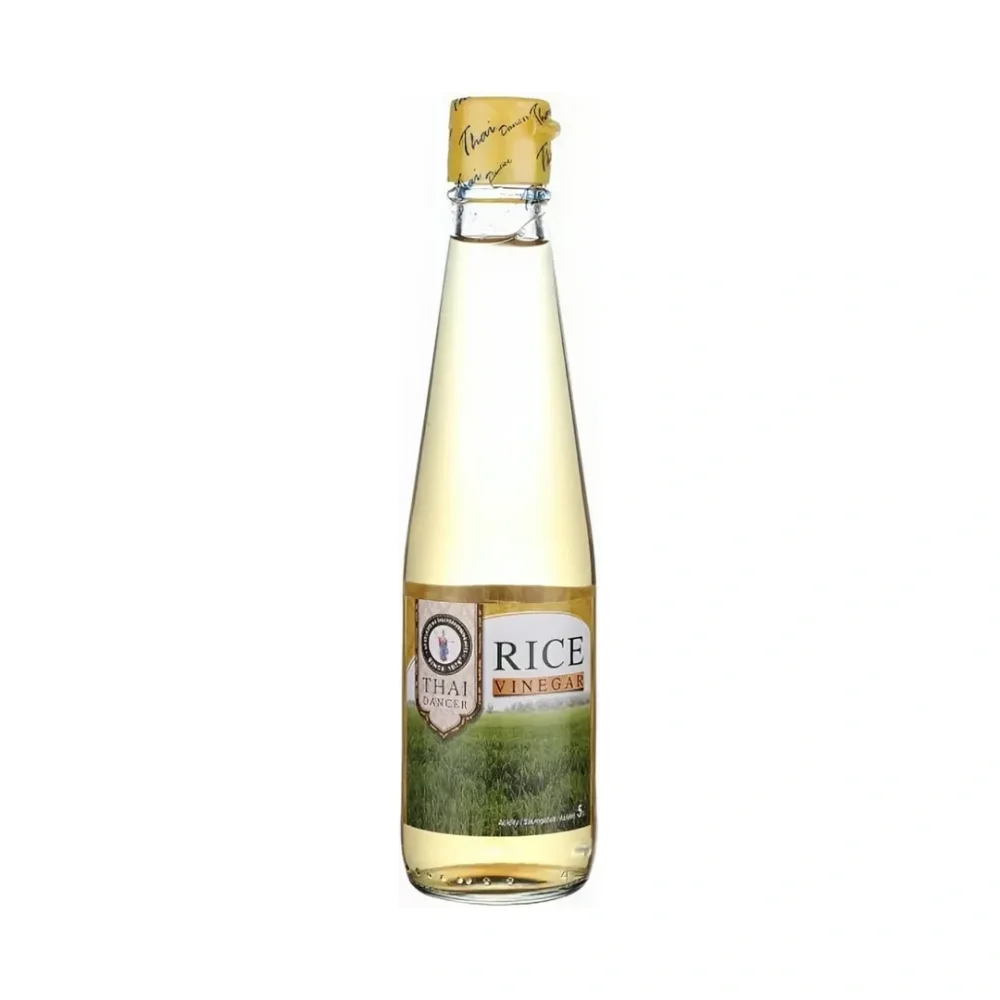
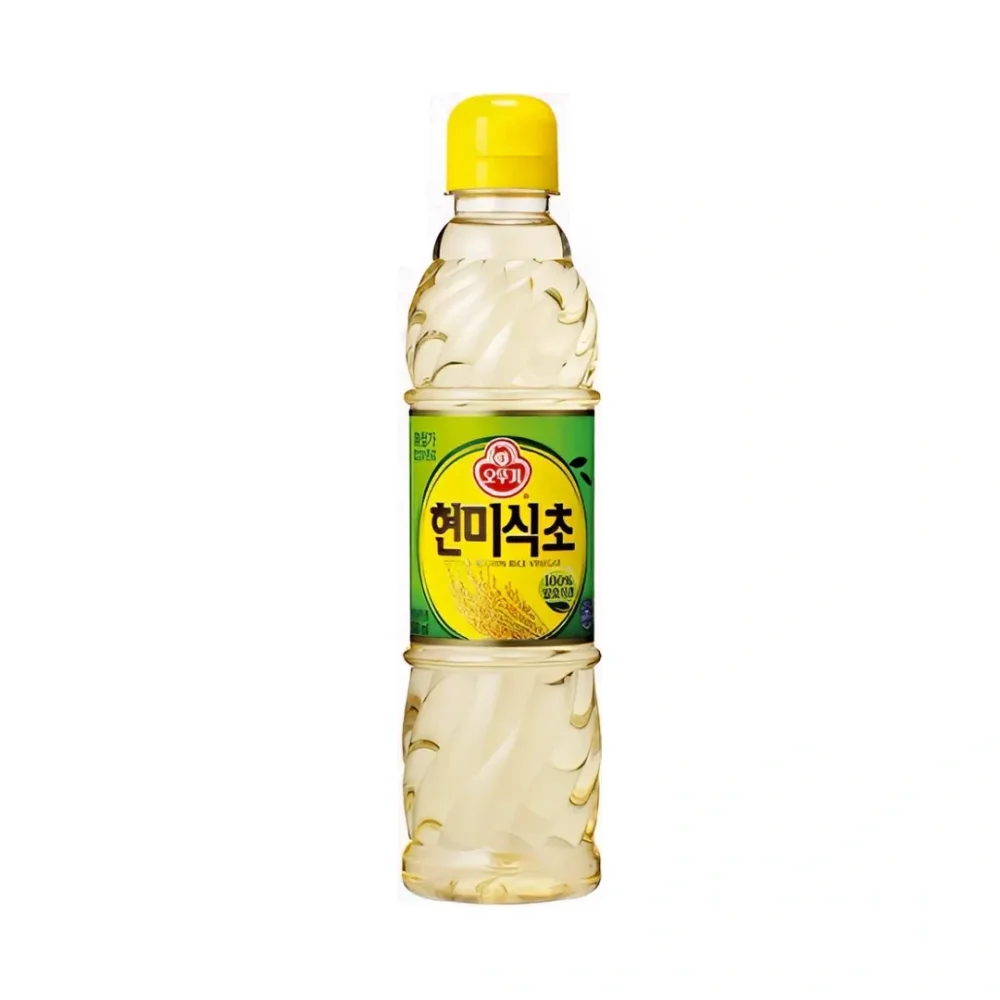
- rice vinegar (for dressings, marinades, quick seasoning) – for example Thai Dancer rice vinegar or Ottogi brown rice vinegar,
- neutral oil and sesame oil (aroma and finishing seasoning),
- basic rice,
- at least two types of noodles,
- one chili seasoning – for example pure chili paste Sambal Oelek,
- sugar or another sweetening ingredient,
- cornstarch or tapioca starch (for thickening and coating sauces),
- garlic, ginger, and onion as continuously replenished fresh basics.
With this base, you can usually handle simple stir-fries, rice bowls, noodles, marinades, basic soups, quick sauces, and salad dressings.
Practical starting quantities (approximate): Add rice vinegar in smaller steps (e.g., 1–2 tablespoons to dressing/marinade and then adjust), start chili very cautiously (e.g., 1/4 teaspoon and add gradually), and treat sesame oil more as a "finishing aroma" than cooking oil (a few drops up to 1 teaspoon).
When you want to level up: pastes and mixes as shortcuts to flavor
Once you have the minimum, items that quickly add character start to make sense. Typically, different pastes and seasoning blends – not to stock a full shelf, but to have a few strong shortcuts for various types of dishes.
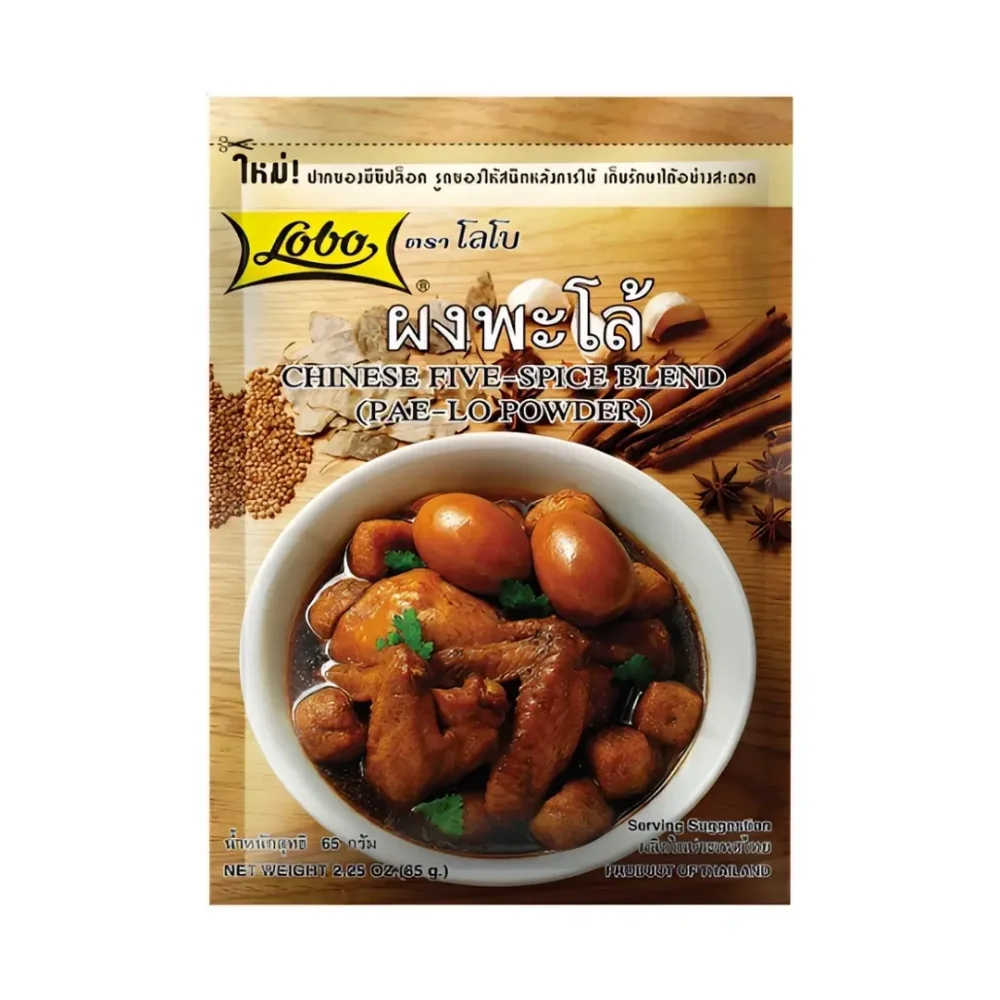
- If you enjoy a "Chinese" aromatic profile, a five-spice mix can be useful – just a pinch in marinade or in the pan; otherwise, it easily overpowers the rest.
- For curry style, a typical "base in a cube" is curry paste – for example, yellow curry paste. Practically: briefly fry in fat before thinning (e.g., with coconut milk or broth) and then adjust seasoning.
- There are also mixes intended specifically for quick rice, such as Nasi Goreng rice paste – consider it a simple way to automate "quick fried rice" without complicated seasoning adjustments.
- Intense umami seasonings (e.g. shrimp paste) should be used in small amounts. It is a strong ingredient: for starters, it's sensible to treat it as "a spice" (e.g., an amount on the tip of a teaspoon) and gradually tune your sense for it.
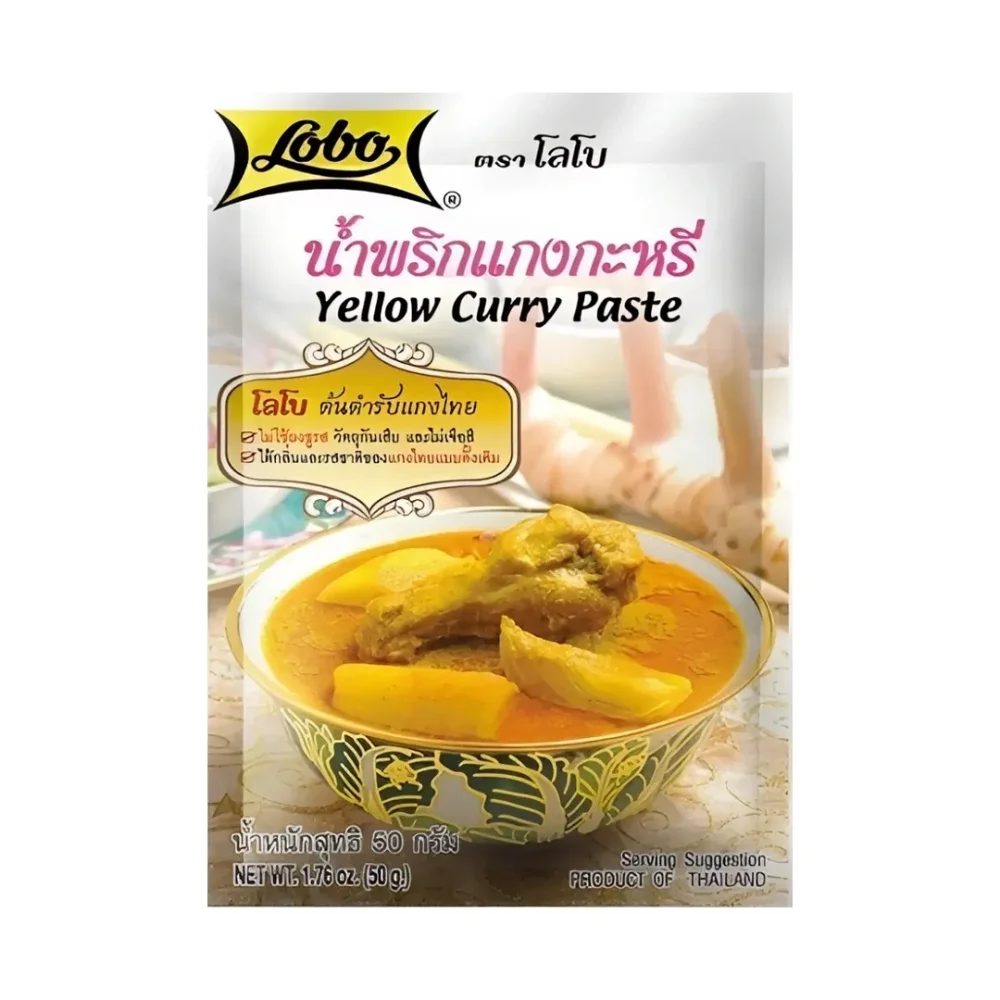
If you prefer to choose more by type of food than by individual brands, useful guides like pastes and mixes or pastes and spices for rice.
Rice as a base: choose it according to the direction you are going
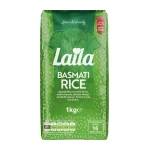
In practice, it is beneficial to have one “main” rice at home that you can cook repeatedly the same way. Depending on where you aim, you can also choose more specifically – for example towards sushi rice for Japanese-style dishes, or towards basmati rice for richer, spicier directions.
🍳 Techniques worth learning immediately: stir-fry and preparation in advance
In Asian cooking, it often doesn't only matter what you cook, but mainly how. The same ingredient tastes completely different depending on the technique – and it is precisely the technique that is often the reason why a dish suddenly “tastes Asian” even with simple ingredients.
Stir-fry: a quick pan method that requires discipline
Stir-fry is quick frying at high temperature with constant movement of ingredients. It sounds simple, but at home it most often fails in the details. For a good result, it is crucial:
- high temperature,
- small amount of food in the pan (preferably in two batches rather than once “forcibly”),
- correct order and fast pace,
- well-prepared ingredients in advance – this is where you win or lose.
Practical tip: sauce (or liquid seasoning) is usually better added at the moment when the ingredients are already fried. If you add liquid too early, the pan cools down and instead of frying, the ingredients start to steam. Use starch as a tool – mixed in cold water, add gradually so the sauce just thickens lightly and coats the ingredients (not so that a “mass” forms).
🍳 Preparation on the cutting board: shape, uniformity, and dry surface
In many Asian cuisines, the outcome is decided not just on the stove but before that on the cutting board. For starters, it is more practical to understand a few principles than to memorize the names of cuts:
- The cut must match the technique. Thin and smaller pieces are for quick pan cooking; larger pieces are more suitable for braising, baking, or grilling.
- Uniformity is more important than effect. When pieces are similar, they will cook at a similar speed – and the dish will be balanced.
- A wet surface is a problem for some techniques. In the pan, it then releases water and instead of frying, the ingredients steam.
- The order of preparation is as important as the choice. When everything is prepared in advance, you won’t burn the aromatics or lose pace.
These principles show up most with stir-fry, quick noodle dishes, fried rice, and briefly sautéed vegetables – exactly where beginners head most often.
Most common beginner mistakes (and simple fixes)
- “I’ll start with Asian cooking” without narrowing down. Fix: choose one entry point (e.g. Japanese / Chinese / Korean direction) and stick with it for a few weeks.
- I buy many specialties, but I lack the basics. Fix: first build the minimum (saltiness/umami, acidity, sweetness, spiciness, fat and aroma, starchy base, starch for thickening).
- I confuse pantry with recipe. Fix: build your pantry according to what repeats across dishes, not according to one ingredient list.
- Overcrowded pan and low temperature. Fix: cook in smaller amounts, let the pan heat properly, and work quickly.
- Sauce too early. Fix: first fry, then “coat” with sauce and briefly cook through.
- Poor ingredient preparation. Fix: cut uniformly, prepare ingredients ahead, and watch for dry surface where you want to fry.
What to take away from the article
- The fastest way for a beginner is to choose one first cuisine and not try to start "all of Asia" at once.
- Choose your first cuisine based on flavors, time, technique, and pantry size – not on what sounds the most exotic.
- The Japanese direction teaches purity and working with bases, the Chinese direction speed and pan/wok, the Korean direction bold flavor and working with fermented bases.
- The Asian pantry is functional: saltiness/umami, acidity, sweetness, spiciness, fat and aroma, starchy base, and texture.
- For quick dishes, the deciding factor is preparation in advance (cutting, uniformity, dryness, order) as much as the cooking itself.